When Washington’s Halibut Season Opens
One of the biggest headaches for Washington anglers is trying to figure out when halibut season actually opens. It's not like trout season where you can mark your calendar years in advance; halibut dates are a moving target, often announced frustratingly close to the season, making planning trips, booking charters, and even just taking time off work a real challenge. This comprehensive guide will demystify the process, explaining why these dates shift, how they're set, and exactly where you can find the most up-to-date information to ensure you're ready when the season finally kicks off.
Understanding the Halibut Season Mystery
For many years, folks could reasonably predict when certain fisheries would open, especially for popular species. But with halibut, it feels like we’re always waiting for the official word, sometimes right up until a few weeks before we can drop a line. This uncertainty isn't just an inconvenience; it can truly complicate things for dedicated anglers who need to plan around work, family, and travel.
The Frustration of Variable Dates
Imagine trying to book a charter out of Westport or Ilwaco months in advance, only to realize the season dates aren't even set yet! This scenario is a common source of stress for many Washington anglers. The simple truth is, halibut season dates are rarely—if ever—fixed from one year to the next. They fluctuate based on a complex interplay of scientific assessments, international agreements, and local management decisions. This means you can't just rely on last year's calendar; every year brings a new set of discussions and, ultimately, new dates.
This variability can be incredibly frustrating. You might have your gear tuned up, your boat ready, and your fishing buddies hyped, only to find the opening day is pushed back or limited to fewer days than anticipated. It impacts everything from purchasing fresh bait to coordinating schedules with friends who might be traveling from out of state. It's a dance between anticipation and uncertainty that every halibut angler in Washington knows all too well.
Washington's Marine Areas and Their Unique Seasons
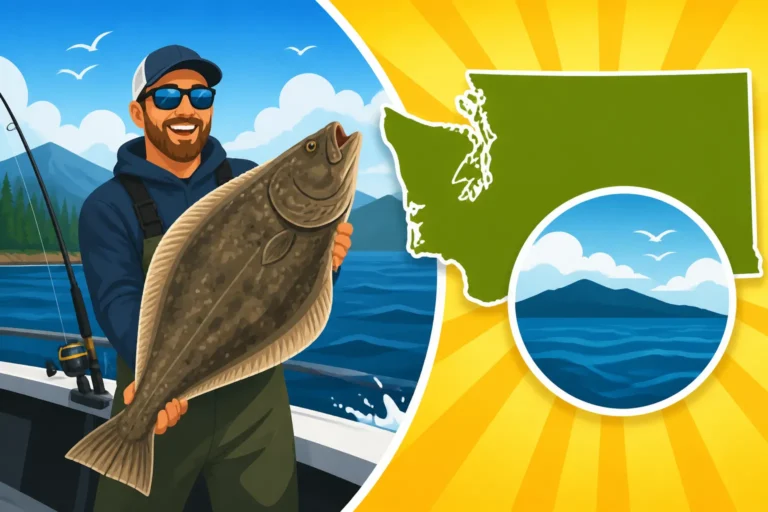
Adding another layer of complexity to the halibut season puzzle is the fact that Washington's expansive coastline isn't treated as one single fishing zone. Instead, the Washington Department of Fish and Wildlife (WDFW) divides our waters into several distinct marine areas, and each of these areas often has its own unique halibut season. What's open in Marine Area 2 (South Coast, including Westport) might be closed in Marine Area 6 (Eastern Strait of Juan de Fuca, near Port Angeles), or vice-versa.
These distinct zones are managed individually to account for localized halibut populations, fishing pressure, and other environmental factors. For instance, the waters off the northern coast, like Neah Bay and Sekiu (Marine Areas 3 and 4), often have different quotas and season structures compared to the South Coast or Puget Sound. This means you need to know not only when the season opens, but also where you plan to fish, as the dates could be entirely different. Keeping track of Washington Fishing Regulations Every Angler Should Know is crucial to avoid any missteps.
Why Fixed Dates Aren't Possible Anymore
The days of predictably fixed halibut season dates are largely behind us, and there are very good reasons for this, even if it adds to our planning woes. At its core, the dynamic nature of halibut seasons stems from a strong commitment to sustainable fisheries management. Halibut populations, while generally healthy, are finite and can be impacted by various factors including ocean conditions, prey availability, and overall fishing pressure across the entire West Coast and Alaska.
Modern fisheries management aims to be responsive to these changing conditions. Instead of setting rigid dates that might lead to overfishing or underutilization of a valuable resource, the regulatory bodies opt for a flexible approach. This means annual stock assessments, in-season updates, and adaptive rule-making. While it demands more vigilance from anglers, it's a small price to pay for ensuring future generations can also experience the thrill of Pacific Halibut Fishing on the Washington Coast. It's a testament to responsible stewardship, even if it sometimes feels like a moving target.
The Annual WDFW Halibut Setting Process
So, if the dates aren't fixed, how are they determined each year? It's a multi-stage process involving international cooperation, scientific analysis, and public input, culminating in WDFW's final rule-setting. Understanding this process can shed some light on why we often wait until spring for definitive answers.
The Role of the International Pacific Halibut Commission IPHC
The journey to set Washington's halibut season begins not in Olympia, but at an international level with the International Pacific Halibut Commission (IPHC). This venerable organization, established by a treaty between the United States and Canada in 1923, is responsible for the conservation and management of Pacific halibut stocks across the entire range, from California to Alaska. Each January, the IPHC holds its annual meeting, where scientists present their latest stock assessments and projections.
Based on these scientific findings, the IPHC sets the total allowable catch (TAC) for the entire North Pacific. This TAC is then divided into country-specific quotas (USA and Canada), and then further allocated to different regions within each country. For Washington, this means a portion of the U.S. quota is designated for the Pacific Coast states, which is then further sub-allocated to Washington, Oregon, and California. This initial, high-level decision from the IPHC is the foundation upon which all subsequent state-level season setting is built.
Washington Department of Fish and Wildlife WDFW Allocation and Public Input
Once Washington receives its allocation from the larger U.S. Pacific Coast quota, the WDFW takes the reins. Their task is to divide that state-specific quota among Washington's various marine areas and user groups (commercial, tribal, and recreational). This is where things get really localized and, often, passionately debated. WDFW employs a transparent public process to gather input from anglers, charter operators, commercial fishers, and other stakeholders.
Throughout late winter and early spring, WDFW hosts public meetings, webinars, and solicits comments online. These sessions are crucial for anglers to voice their preferences regarding potential season dates, daily limits, and management strategies for specific areas. For example, some might prefer more fishing days with smaller daily limits, while others might push for fewer days but a more generous Halibut Possession Limit in Washington. All this feedback is meticulously considered as WDFW works to craft a proposal that balances conservation, economic interests, and recreational opportunities.
From Quotas to Open Days: The Final Rulemaking
After synthesizing scientific data, IPHC guidance, and public input, WDFW develops a final set of season recommendations. These recommendations are then presented to the Washington Fish and Wildlife Commission for approval. This Commission, a group of nine citizens appointed by the Governor, is ultimately responsible for adopting the final sport fishing rules, including when Washington Sport Fishing Seasons and Emergency Closures will occur, and specifically the halibut season dates.
This final rulemaking usually happens in late winter or early spring, often in March or April, which explains why anglers are often left waiting until the last minute. Once approved, the new regulations are published, and that’s when we finally get the official word on when and where we can chase halibut. It's a lengthy and complex process, but it's designed to ensure fair access and sustainable fishing for one of Washington's most prized game fish.
Key Factors Influencing Halibut Season Dates
Why can't WDFW just pick a date and stick with it? The simple answer is that halibut management isn't a static equation. Several dynamic factors play a crucial role in shaping the final season dates and duration each year, making annual adjustments necessary.
Quota Management and Stock Health
The most significant factor influencing halibut season dates is the annual quota, which is directly tied to the overall health of the halibut stock. The IPHC conducts extensive scientific assessments, using data from surveys, catch records, and biological studies, to estimate the total halibut population and how much can be safely harvested without jeopardizing future generations. If the stock assessment indicates a decline, the quota might be reduced; conversely, a healthy or increasing stock could lead to a more generous quota.
WDFW then manages Washington's share of this quota. The goal is to allow anglers to catch the allocated amount without exceeding it. This is why seasons might be set for a specific number of days, or even announced as "open until quota is met," sometimes leading to unexpected early closures if fishing effort is higher than anticipated. It's a delicate balancing act to ensure both recreational opportunity and the long-term sustainability of the fishery. This emphasis on stock health also influences How Bag and Possession Limits Work in Washington.
Weather and Ocean Conditions
While not a direct factor in setting the initial season framework, Mother Nature plays an undeniable role in how the season actually unfolds and how WDFW might adjust things in-season. Unfavorable weather, such as sustained high winds or dangerous sea conditions, can severely limit fishing opportunities, especially for those venturing offshore in smaller boats. If multiple planned opening days are blown out, WDFW might consider adding additional days later in the season to allow anglers to access their quota.
Conversely, exceptionally calm weather and high angler effort during opening periods can lead to the quota being met much faster than projected, sometimes resulting in an early closure. Ocean conditions, like unusual currents or water temperatures, can also affect halibut behavior and distribution, potentially impacting catch rates. It's an unpredictable element that keeps both anglers and fisheries managers on their toes throughout the spring and summer.
Interactions with Other Fisheries Salmon, Bottomfish
Another critical, often overlooked, factor is how halibut fishing interacts with other major fisheries, particularly salmon and bottomfish. Many areas where halibut are targeted also host strong salmon runs or are important grounds for lingcod and various rockfish species. Fisheries managers must consider potential "bycatch" – the incidental catching of non-target species – when setting halibut seasons.
For example, if a specific marine area is scheduled to have a strong Chinook salmon return, WDFW might adjust halibut dates to minimize the chances of anglers accidentally catching and killing prohibited Chinook while fishing for halibut. Similarly, concerns about overfishing certain protected rockfish species could influence when and how halibut seasons are structured in areas where these species co-exist. It's all about minimizing negative impacts across the entire marine ecosystem, which adds another layer of complexity to the annual calendar.
Where to Find the Latest Halibut Season Information
Given the dynamic nature of halibut seasons, knowing where to get the most accurate and up-to-date information is absolutely paramount. Waiting for word-of-mouth or outdated fishing reports can lead to missed opportunities or, worse, unintended violations.
The Official WDFW Website
Hands down, the single most reliable source for Washington halibut season information is the official WDFW website. This is where all the final regulations are published, including precise opening and closing dates for each marine area, specific daily bag limits, and any special restrictions. They usually have a dedicated "Sport Halibut" section or a general "Fishing Seasons & Rules" page.
I can't stress this enough: Bookmark it, check it frequently, and refer back to it before every trip. WDFW is diligent about updating this site, especially if emergency rule changes occur mid-season. While local tackle shops and guides are great resources, their information ultimately originates from WDFW, so going straight to the source ensures you have the definitive word. This is also where you'll find details on purchasing Washington's Annual, Short-Term and Combination License Options.
Local Bait Shops and Marine Supply Stores
Once WDFW releases the official dates, your local bait and tackle shops, particularly those in key fishing towns like Westport, Ilwaco, Neah Bay, and Port Angeles, become invaluable hubs of information. These shop owners and staff live and breathe fishing, and they're usually the first to spread the word about openings, closures, and any local nuances. They often print out the WDFW regulations or have them readily available.
Beyond just the dates, these establishments can provide hyper-local insights. They'll tell you what's biting, what gear is working best for the current conditions, and even offer advice on specific spots. Walking into a knowledgeable shop like All Rivers & Saltwater Fishing in Everett or Swains General Store in Port Angeles before your trip can be just as important as checking the WDFW site for dates. They often carry the latest gear too, so you can pick up any last-minute essentials, maybe even find a good deal on jigging spoons on Amazon if they're out of stock.
Online Forums and Fishing Communities
In today's digital age, online forums and social media groups dedicated to Washington fishing are fantastic places to discuss, learn, and stay informed about halibut season. Websites like Ifish.net, Washington Fly Fishing, and various Facebook groups focused on Puget Sound or coastal fishing are bustling communities where anglers share tips, ask questions, and often post real-time updates directly from the water or after checking WDFW announcements.
However, a word of caution: while these communities are incredibly helpful, always cross-reference information found online with the official WDFW website. Rumors can spread quickly, and what one angler thinks they heard might not be the official rule. Use these platforms for discussion and general awareness, but always confirm critical dates and regulations through official channels to ensure you're compliant. They can be great for learning new Halibut Fishing Techniques for the Washington Coast, but less so for firm dates.
Preparing for Halibut Season
With the dates finally set, the real fun begins: preparing for the hunt! Halibut fishing requires specific gear, knowledge, and adherence to regulations to ensure a successful and legal trip. Being prepared means you can focus on the fishing, not scrambling at the last minute.
Essential Gear for Halibut Fishing
Halibut are big, powerful fish, so you'll need robust gear to tackle them. A heavy-duty conventional rod paired with a large capacity reel (often a lever-drag model) spooled with 80-150 lb braided line is standard. You'll need plenty of lead, often 1-3 pounds or more depending on current and depth, to get your bait or jig down to the bottom. Big, sharp circle hooks (10/0 to 16/0) are a must for live or cut bait, and sturdy jigs (like a 12-16 oz Delta or Pipe jig) are highly effective.
Don't forget the accessories: a large, sturdy gaff or harpoon for landing the fish, a measuring tape to ensure your catch is within the slot limits (if applicable), and a cooler big enough to hold a substantial amount of meat. A good quality tackle box, perhaps one from Plano that you picked up from Amazon, will keep your leaders, hooks, and jigs organized. You can find a more extensive breakdown of What to Bring on a Westport Halibut Trip in our other guides.
License Requirements and Endorsements
Before you even think about dropping a line for halibut, ensure your Washington fishing license is current and includes the necessary endorsements. For most halibut fishing in marine waters, you'll need a valid Washington saltwater fishing license. If you're a non-resident, be sure to check the specific requirements outlined in our guide on the Washington Fishing License Guide for Nonresidents, as rules can differ significantly.
While there isn't a specific "halibut endorsement," you must ensure your general fishing license covers the marine areas you plan to fish. Always carry your license with you, either the physical copy or on the MyWDFW app, as wardens do patrol popular fishing grounds. Ignorance of the rules is not an excuse, and fines for fishing without a proper license can quickly ruin your day.
Understanding Daily Bag and Possession Limits
Beyond just knowing when you can fish, it's absolutely critical to understand how many halibut you can keep. Halibut limits are strictly enforced and typically involve a daily bag limit (how many you can retain in a 24-hour period) and sometimes a possession limit (how many you can have in your possession, including at home or in transit). These limits are often species-specific and marine-area specific.
For halibut, the daily limit is usually one fish, and there might be a minimum or maximum size restriction (a "slot limit"). For example, a common regulation might be "one halibut, no minimum size, but not exceeding 48 inches." This means you can keep a small halibut, or a very large one up to 48 inches, but anything over that must be released. Always consult the current WDFW regulations for the exact limits for your chosen marine area, as these can change annually. Overlooking these details can lead to severe penalties, so always be meticulous in checking the rules.
Maximizing Your Halibut Fishing Opportunities
Once you’ve got your gear sorted, your license in hand, and you know the season dates, it’s time to strategize for success. Halibut fishing can be incredibly rewarding, but it often requires a bit of planning and understanding of the dynamics at play.
Timing Your Trips for Peak Success
Knowing the official opening dates is just the first step; maximizing your chances often involves considering other factors. Historically, the early part of the season in any given marine area can be incredibly productive. Halibut haven’t seen heavy fishing pressure for months, and they tend to be more aggressive. However, this also means more boats and potentially more competition for prime spots.
Weather windows are another critical consideration. Unlike salmon fishing which can sometimes be good in a bit of chop, halibut fishing, especially in deeper, offshore waters, is heavily dependent on calm seas. Keep a close eye on marine forecasts from sources like NOAA. Sometimes, rescheduling for a calmer day, even if it’s not the absolute "first day" of the season, can lead to a much more enjoyable and productive trip. You also might want to consider the Best Time of Year to Fish Westport for Halibut to align your trip with historical catch rates.
Chartering vs. DIY: Weighing Your Options
For many anglers, especially those new to offshore fishing or who don't own a boat equipped for deep water, booking a halibut charter is an excellent option. Charters provide all the necessary heavy gear, expertise, and safety equipment, significantly reducing your upfront costs and learning curve. They also have the advantage of being run by experienced captains who know the local grounds intimately and track real-time conditions.
However, if you have your own suitable vessel and experience, a DIY trip offers greater flexibility. You can choose your own schedule (within legal season days), fish your preferred spots, and tailor the experience to your group. This often means carefully outfitting your boat with a good fish finder, GPS, and adequate safety gear, all of which can be researched and purchased through various online retailers like Amazon, ensuring you have reliable equipment for deep-sea excursions. Weighing these options based on your experience, budget, and access to equipment is key.
Handling Your Catch Responsibly
Catching a halibut is a fantastic experience, but responsible handling once it's onboard is crucial. First, immediately measure your fish to ensure it meets legal size requirements before dispatching it. A firm gaff shot to the head or a harpoon can quickly subdue a large fish, ensuring safety on deck. Bleeding the fish immediately by cutting the gills is highly recommended; this improves the quality and taste of the meat.
Once bled, get your halibut on ice as quickly as possible. A large cooler filled with ice slurry will preserve the meat and prevent spoilage. Proper care from the moment it hits the deck to the time it reaches your fillet table will make a huge difference in the eating quality. Remember, part of being a responsible angler is respecting the resource and ensuring that any legally harvested fish is handled with care and not wasted.
Halibut Season at a Glance: Marine Areas and Key Considerations
To help visualize the general structure of Washington's halibut season, here's a table outlining the primary marine areas and typical factors to consider. Remember, these are general guidelines, and specific dates and rules will change annually. Always verify with WDFW.
| Marine Area | Primary Fishing Grounds | Typical Season Start (Approx.) | Typical Season Duration | Key Considerations |
|---|---|---|---|---|
| Marine Area 1 | Ilwaco, Columbia River Mouth | May | Limited Days, Quota-Managed | Strong currents, shared quota with Oregon |
| Marine Area 2 | Westport, Grays Harbor | May | Limited Days, Quota-Managed | Most popular area, high angler effort |
| Marine Area 3 & 4 | La Push, Neah Bay, Makah Bay, Strait Entrance | May/June | Limited Days, Quota-Managed | Remote, exposed waters, often fewer days |
| Marine Area 5 | Sekiu, Eastern Strait of Juan de Fuca (West End) | May/June | Limited Days, Quota-Managed | Sheltered waters, weather dependent on outside access |
| Marine Area 6 | Port Angeles, Eastern Strait of Juan de Fuca (East) | May/June | Limited Days, Quota-Managed | Sheltered waters, popular with smaller boats |
| Marine Area 7-10 | San Juan Islands, Puget Sound (Central, South) | Mid-May/June | Very Limited Days, Quota-Managed | Extremely limited access and days, often small quota |
| Marine Area 11-13 | Tacoma, Olympia, South Puget Sound | Rarely Opens | Extremely Rare | Very low halibut populations, almost never open |
Disclaimer: This table provides approximate information. Actual season dates, duration, and specific regulations are set annually by WDFW in conjunction with IPHC and can vary significantly. Always consult the official WDFW regulations for the most current and accurate information before planning any fishing trip.
Ultimately, fishing for halibut in Washington is a rewarding endeavor that connects us deeply to the rich marine environment of the Pacific Northwest. While the ever-changing season dates can test our patience, understanding the "why" behind these regulations, and knowing where to find the most accurate information, empowers us to be more prepared and responsible anglers. So, keep that gear ready, stay tuned to WDFW announcements, and good luck out there on the water!
Disclaimer
Please remember that fishing regulations, including season dates, bag limits, and gear restrictions, are subject to change at any time. It is the angler's responsibility to consult the most current Washington Department of Fish and Wildlife (WDFW) fishing regulations pamphlet or the official WDFW website before engaging in any fishing activity. This article is intended for informational purposes only and should not be considered a substitute for official WDFW publications.