How to Identify a Fish You’ve Never Caught Before
Washington State fish identification steps help anglers safely handle and identify unknown catches using physical features.
Know what’s on the line.
Gamefish and panfish profiles — identification, behavior, feeding habits, and species-specific strategies for every catch.
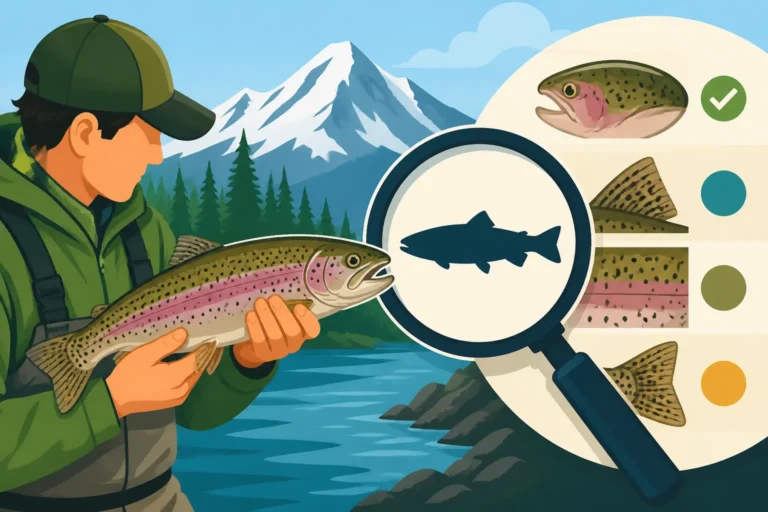
Washington State fish identification steps help anglers safely handle and identify unknown catches using physical features.
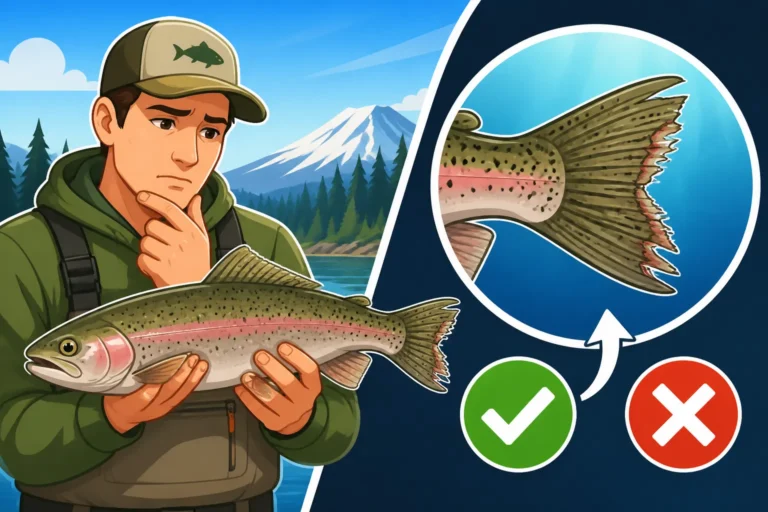
Washington fishing regulations regarding fin damaged fish help anglers determine legal catchability, species identification, and adipose fin requirements.
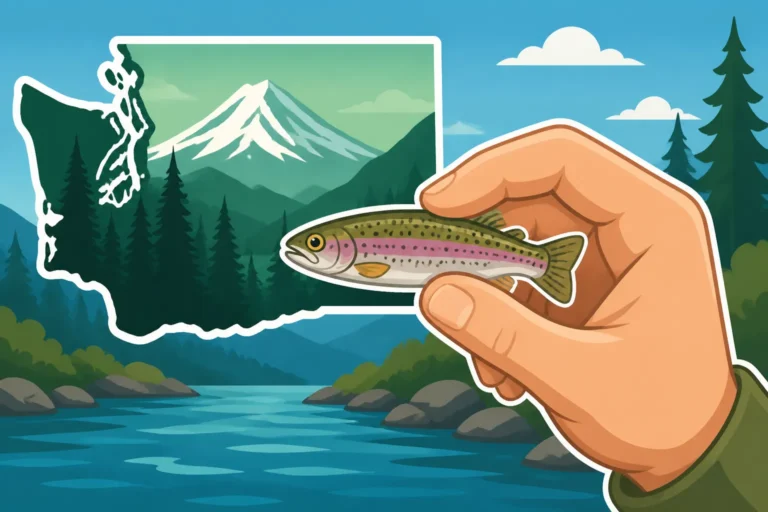
Washington trout size limits, conservation reasons, and accurate nose-to-tail measurement methods explained for anglers.
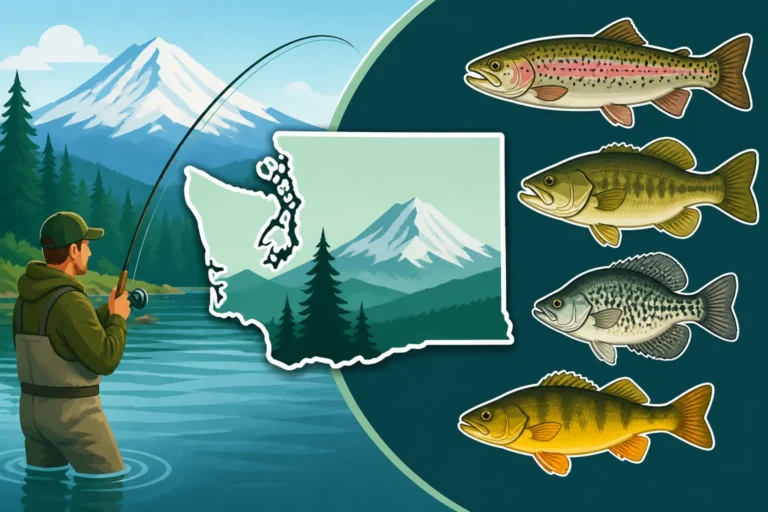
Washington sport fishing regulations include specific finfish species that anglers can legally keep year-round with fewer restrictions.
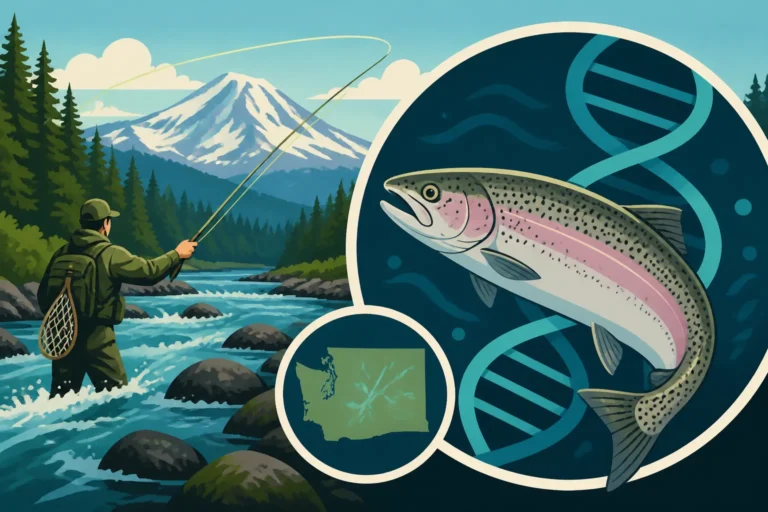
Washington wild steelhead gene banks protect native fish genetics and maintain ecological integrity across specific state river systems.
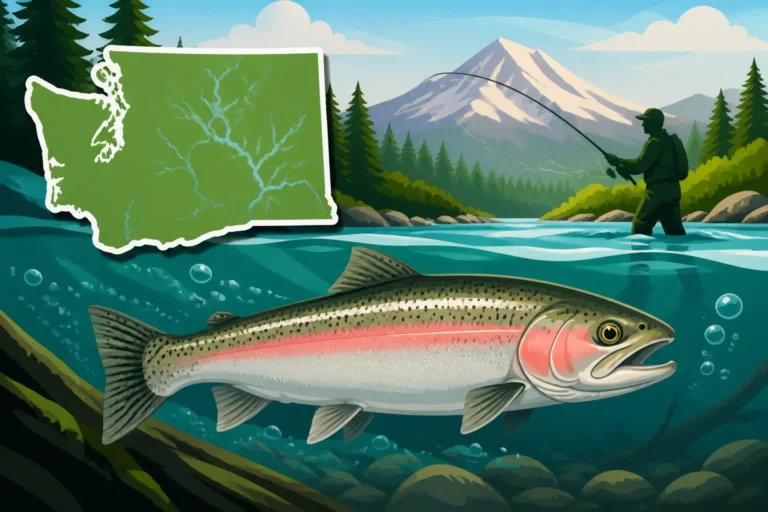
Washington wild steelhead gene bank rivers are designated waterways managed to protect natural genetic diversity from hatchery fish.
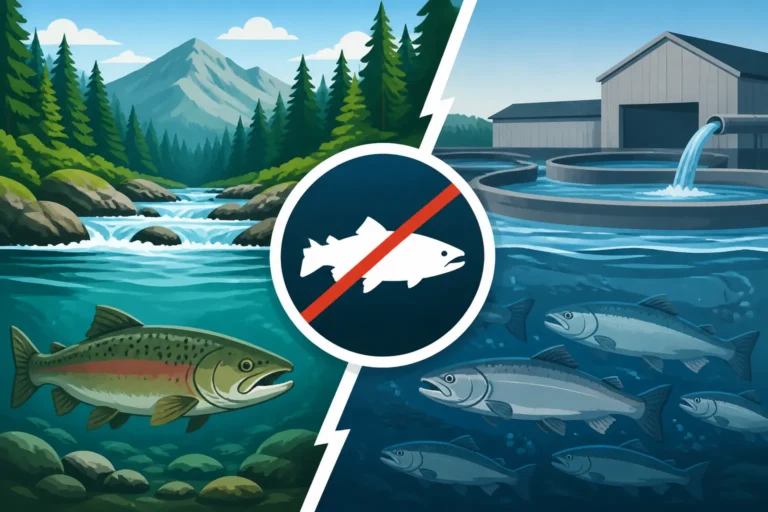
Wild fish management on Washington rivers protects genetic diversity and ecosystem health by avoiding hatchery fish introductions.
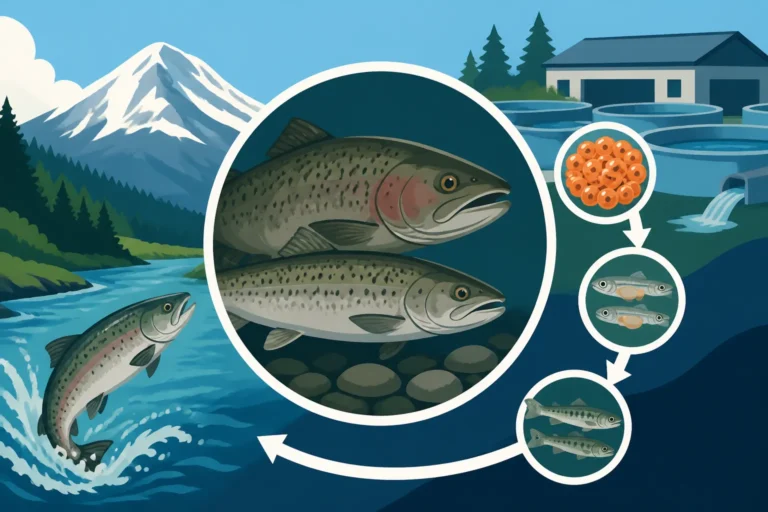
Washington hatchery brood stock programs manage fish breeding to support sport fishing and aid struggling wild populations.
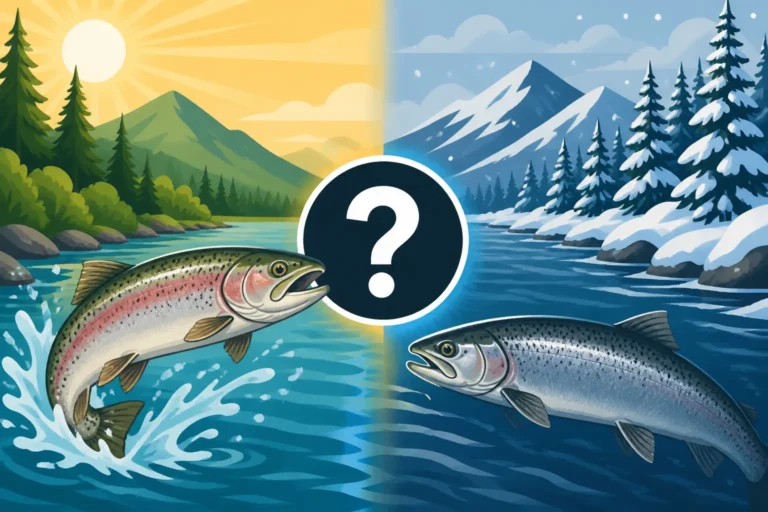
Washington steelhead populations, divided into summer and winter runs, often overlap in the same rivers at different times.
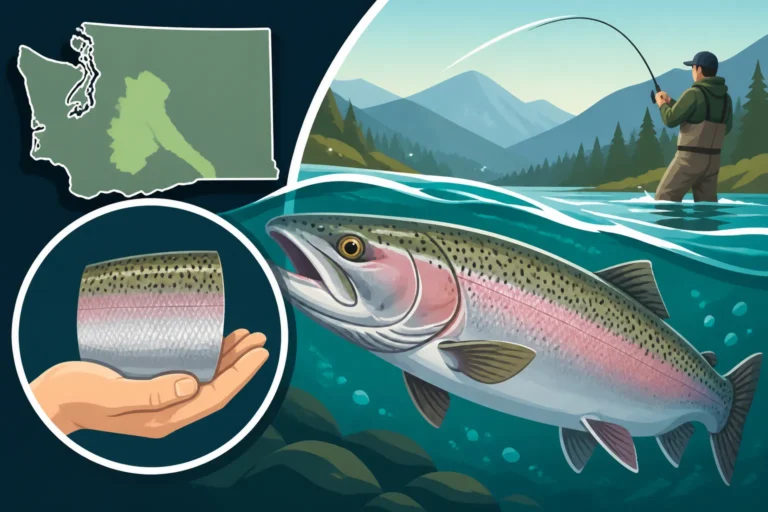
Half-pounder steelhead are immature ocean-going rainbow trout that return to natal rivers early before heading back to sea.