In-Season Emergency Rule Changes in Washington, Explained
There's nothing quite as frustrating for a passionate angler in Washington State as diligently planning a fishing trip, checking the regulations, buying your license, and getting all your gear ready, only to find out the day before—or even the morning of—that the rules have completely changed. That feeling of anticipation turning into confusion or even disappointment is something we've all experienced. This comprehensive guide is here to unravel the mystery behind Washington's in-season emergency rule changes, explaining why they happen, how you can stay informed, and what you can do to adapt and still have a successful day on the water.
The Frustration of Fishing Rules Changing Mid-Season
It's a scene played out countless times each year across Washington's diverse fisheries, from the mighty Columbia River to the smallest Puget Sound tributary. You've been watching the weather, consulting tide charts, and maybe even bought some new lures, only to hear whispers of a closure or a gear restriction just hours before your alarm is set to go off. This isn't just an inconvenience; it can truly mess with your plans, waste your time and money, and frankly, it can be incredibly disheartening.
Why Rules Change Unexpectedly
The truth is, these unexpected shifts in regulations aren't arbitrary. They're typically a direct response to dynamic conditions that impact fish populations and the delicate balance of conservation. The Washington Department of Fish and Wildlife (WDFW) is constantly monitoring a complex array of factors, and sometimes, those factors change faster than anyone anticipates.
One of the primary drivers for these changes is biological reality. Salmon and steelhead runs, for instance, are notoriously unpredictable. Forecasts made months in advance are just that – forecasts. Actual returns can come in significantly weaker or stronger than predicted. If a run of Chinook salmon into a specific river is tracking below its escapement goal—the number of fish needed to safely make it to the spawning grounds to sustain future generations—then WDFW might issue an emergency closure to protect those fish. Conversely, if a run is much stronger than expected, they might open a fishery that was initially closed or extend a season. This constant vigilance is why you'll often see "Emergency Rule Changes: Why Washington's Rules Shift Mid-Season" pop up in your news feed.
Environmental factors also play a huge role. Things like unusually low or high water levels, sudden temperature spikes, or even localized pollution events can stress fish or alter their migratory patterns. For example, warm water temperatures can be lethal to salmon and steelhead, leading WDFW to implement "hottest water" closures on certain rivers to protect fish from heat stress and incidental mortality from catch-and-release fishing. These decisions are made to safeguard the health of the resource, even if they throw a wrench in your weekend plans.
Beyond the biological and environmental, there's a significant social and political dimension. Washington State has unique treaty rights agreements with various Native American tribes, which often dictate specific allocations of fish. Fisheries managers must constantly balance these rights with the needs of non-tribal recreational and commercial fisheries. Sometimes, in-season adjustments are necessary to ensure treaty obligations are met, or to reallocate quotas between different user groups as new data comes in. It's a complex puzzle, and WDFW is trying its best to keep all the pieces in place for sustainable fishing for everyone.
The Impact on Anglers
When rules change abruptly, the ripple effect on anglers can be substantial. Imagine you've driven three hours from Seattle to fish the Cowlitz River for winter steelhead, booked a night at a local motel, and loaded up your drift boat, only to wake up to an email alert stating the river is now catch-and-release only for wild steelhead, or even worse, entirely closed. The financial hit from lost gas money, bait, tackle, and lodging is a real concern for many.
Beyond the money, there's the emotional impact. Fishing is more than just a hobby for many of us; it's a passion, a way to connect with nature, and a much-needed escape. Having a highly anticipated trip derailed by a sudden closure can be genuinely disappointing. It can also create a sense of confusion and mistrust if anglers feel like the rules are constantly shifting without clear communication. "I just bought a new rod specifically for this fishery!" you might lament, now wondering if you'll ever get to use it.
For guides and charter operators, these changes can be devastating. Their livelihoods depend on consistent fishing opportunities. A last-minute closure can mean canceling clients, losing income, and scrambling to reschedule or find alternative fisheries. It puts immense pressure on them to stay informed and pivot quickly, impacting small businesses that rely on a predictable season. For recreational anglers, it means that even if you've done all your homework by reading the annual pamphlet, you still need to be checking for updates right up until you launch your boat or wet your line.
How Emergency Rule Changes Are Made and Communicated
Understanding the process behind these changes can help alleviate some of the frustration. While it might feel like rules are made on a whim, there's a dedicated and data-driven system in place to make these critical decisions. It's all about adaptive management in the face of nature's unpredictability.
The Role of WDFW
The Washington Department of Fish and Wildlife (WDFW) is the primary authority responsible for managing the state's fisheries, and that includes implementing emergency rule changes. Their staff, including biologists, enforcement officers, and policy makers, are constantly gathering and analyzing data. This isn't just guesswork; it's based on science.
One of the key tools WDFW uses is test fisheries. These are targeted fishing efforts designed to catch a sample of fish, often in key migratory corridors like the lower Columbia River or the mouth of the Puget Sound. By counting and assessing these fish, biologists can get a real-time snapshot of run strength, species composition, and health. If test fishery counts indicate a run is coming in significantly weaker than forecast, that's often a major trigger for an emergency closure. You can learn more about this vital process by looking into "Test Fishery Counts and How They Drive Salmon Openings".
Beyond test fisheries, WDFW conducts creel surveys, where staff interview anglers and examine their catches to monitor harvest rates. They also track fish at dams and hatcheries, observing how many fish are escaping to spawn. All this data is fed into models that help predict the sustainability of current fishing seasons. When the numbers don't look good for a specific stock or fishery, WDFW acts swiftly to implement "How Washington's WDFW Sets In-Season Emergency Rules". It's a complex ballet of data, biology, and policy, all aimed at ensuring future fishing opportunities remain viable.
Where to Find Up-to-Date Information
Knowing why changes happen is one thing, but knowing what those changes are, and when they take effect, is crucial for anglers. Relying on word-of-mouth or outdated information can lead to violations and fines, which nobody wants.
The absolute best place to find the most current and official information is the WDFW website. They have a dedicated "Emergency Rules" page that is updated constantly, often multiple times a day during peak seasons or periods of volatile conditions. This page will list the specific marine area or river, the species affected, the exact rule change (e.g., "closed to retention," "barbless hooks only"), and the effective date and time. It's a good habit to check this page religiously before any fishing trip, even if you just checked it yesterday. For a deeper dive, read "Where to Find Current Washington Fishing Rules".
Many anglers also find it incredibly helpful to subscribe to WDFW's email alert system. You can sign up to receive notifications specifically for the regions or species you're interested in, meaning rule changes are delivered directly to your inbox as soon as they're issued. This is probably the most proactive way to stay informed, especially if you're not constantly checking the website. Additionally, many tackle shops, especially those local to specific rivers or marine areas, are excellent sources of real-time information. They often get direct updates from WDFW and can offer on-the-ground insights. Some even post printed emergency rules right on their doors.
While not official sources, joining reputable online fishing forums or local fishing groups on social media can also provide real-time discussion and alerts from fellow anglers. Just be sure to always verify any information you get from these unofficial sources with the official WDFW website. For those heading to remote areas where cell service might be an issue, having a portable weather radio, often found on Amazon, can sometimes pick up local news channels that report on critical closures. It's all part of doing your due diligence before you hit the water, as emphasized in "What to Check Before Every Washington Fishing Trip".
Common Types of Emergency Rule Modifications
Emergency rule changes aren't always about outright closures; they can take many forms, each designed to achieve a specific conservation or management goal. Understanding these different types of modifications will help you interpret the WDFW alerts more effectively.
Season Closures and Openings
The most impactful emergency rule change is often a complete season closure or, less frequently, a new opening. These are usually implemented when there's a significant deviation from predicted run sizes, or when biological triggers (like low escapement counts) are met.
For example, a fishery might be forecast to have a healthy return of coho salmon, leading to an initial opening. However, if in-season data reveals that the actual return is far lower than expected, WDFW might issue an emergency rule to "close to retention" for coho in that specific area, effectively ending the season early to protect the remaining fish. This often happens on popular rivers or in specific marine areas, like how "Puget Sound Salmon Closures: What Washington Anglers Need to Know" highlights. On the flip side, if a run comes in exceptionally strong, an area previously closed might open for a short period, or an existing season might be extended. This happened recently for certain areas on the Columbia River where test fisheries showed stronger than expected returns for fall Chinook. Even during closures, sometimes certain areas might remain open for other species. This is why it's critical to know "Fishing the Columbia in Washington During an In-Season Closure" even if salmon are closed.
Gear and Bait Restrictions
Another common type of emergency rule modification involves changes to allowable gear or bait. These restrictions are often implemented to reduce mortality, particularly for wild or vulnerable fish stocks, or to manage interactions between different species.
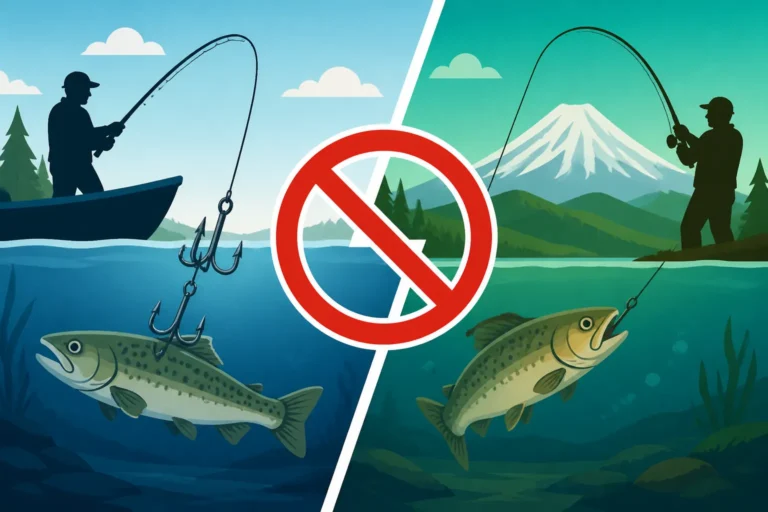
A frequent change, especially on wild steelhead rivers or during periods of low fish returns, is the implementation of "Barbless Hook Requirements on Washington Rivers". This means that hooks must be crimped or ground down so they have no barb, making it easier to release fish with minimal harm. If you're caught fishing with barbed hooks during a barbless-only period, you could face a significant fine. Similarly, "Washington Bait Bans and When They Apply" are common. Using bait tends to result in more deeply hooked fish, which increases post-release mortality. So, during periods of conservation concern, WDFW might ban the use of bait, restricting anglers to artificial lures or flies only. This change forces anglers to adapt their techniques but still allows for some fishing opportunity while protecting sensitive stocks. Having a selection of barbless hooks and artificial lures on hand, easily purchased from retailers like Amazon, can save your trip when these rules go into effect.
Bag and Size Limit Adjustments
Sometimes, instead of an outright closure, WDFW will adjust the daily bag limits or implement size restrictions to manage harvest. These changes are often used when a run is weak but not so critically low that a full closure is necessary, or to protect specific age classes of fish.
An emergency rule might reduce the daily bag limit for a particular species, say from two salmon down to one, or even "one hatchery salmon" if wild fish are a concern. This immediately reduces the overall harvest pressure, spreading the opportunity among more anglers or preserving more fish for escapement. You can dive deeper into "Understanding Washington's Daily Bag Limits by Species" for more context. Another common adjustment is the implementation or modification of slot limits. This means only fish within a certain size range can be kept, while those smaller or larger must be released. For example, a slot limit might protect the largest, most reproductively valuable fish, or the smallest, still-growing fish. These nuances demonstrate "What an Emergency Rule Change Actually Modifies" beyond just outright closures. It's a way to fine-tune management in real time.
How to Adapt and Stay Compliant
Navigating Washington's dynamic fishing regulations requires a proactive mindset and a willingness to adapt. While it can be frustrating, being prepared for potential changes is the best way to ensure you stay legal and still have a chance at catching fish.
Proactive Planning and Flexibility
The golden rule for fishing in Washington is to always have a backup plan. If your primary target river or marine area has a high likelihood of emergency closures (e.g., a river known for volatile steelhead runs or an ocean area prone to halibut quota closures), always have a secondary option in mind. This might mean having gear ready for a nearby lake, a different river, or even a different species entirely. For instance, if your planned salmon trip gets unexpectedly shut down, can you pivot to targeting resident Puget Sound rockfish or even Dungeness crab if in season? Having diverse gear, like a selection of different weight rods or a variety of lures and baits that can be used for multiple species, can save your day. A good tackle box might include a variety of spinners, jigs, and even a selection of barbless hooks, many of which are readily available on Amazon.
Another proactive measure is to consider hiring a local fishing guide, especially if you're new to an area or targeting a particularly sensitive fishery. Reputable guides are typically the first to know about emergency rule changes and can quickly pivot their plans or advise you on alternative opportunities. Their livelihood depends on knowing the rules inside and out, and they often have direct lines of communication with WDFW or other local resources. This expertise can be invaluable for staying compliant and productive.
Leveraging Technology
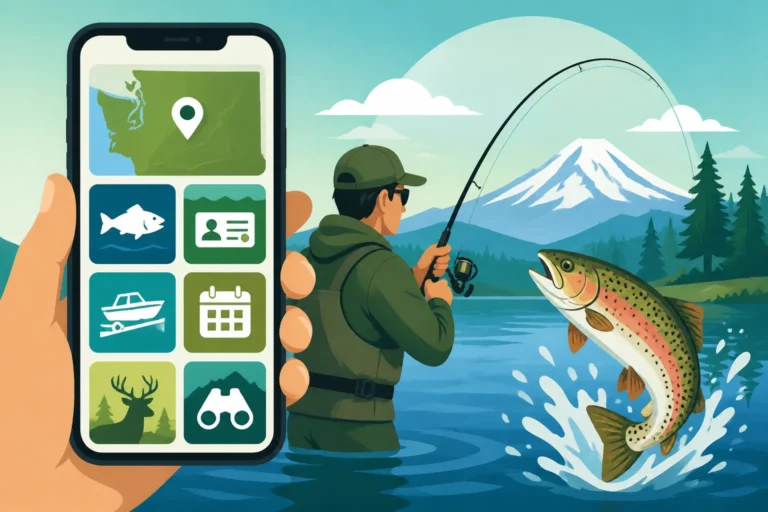
In today's digital age, staying informed about Washington fishing rules has never been easier, thanks to WDFW's investment in technology. Beyond regularly checking the WDFW Emergency Rules webpage, downloading and using the official MyWDFW or Fish Washington App on your smartphone is an absolute game-changer. These apps provide real-time access to regulations, including emergency changes, right in the palm of your hand. You can often filter by region, species, or even specific waterbodies, making it incredibly efficient to find the exact rules you need.
Subscribing to WDFW's email or text message alert system is another highly recommended step. This ensures that you receive notifications about emergency rule changes as soon as they are issued, directly to your device. This can be crucial for last-minute updates that might affect a trip planned for the very next day. While these apps and alerts are fantastic, remember that cell service can be spotty in many of Washington's more remote fishing locations. Always try to check for updates before you leave an area with good service, or even print out the most recent emergency rule updates as a physical backup. The ability to use an "Electronic Catch Record Cards and the Fish Washington App" also makes complying with catch reporting easier. Many anglers also rely on the vibrant online fishing communities, often found on platforms like Facebook or dedicated forums, where WDFW updates are quickly shared and discussed. While these aren't official sources, they can provide a good heads-up and prompt you to check the official WDFW site for verification. You might even find recommendations for specific gear to deal with new regulations, like lighter leaders for clear water conditions, which can be quickly ordered from Amazon.
What to Do If Rules Change While You're Fishing
It can happen: you're out on the water, having a great day, and suddenly you get a text from a friend or hear chatter on the radio about an emergency rule change that just went into effect. What do you do? The most important thing is to immediately comply with the new regulation. Ignorance of the law is not an excuse, and fishing wardens are out there enforcing the most current rules.
If the rule change means a closure to retention for a species you're currently targeting, you must immediately stop retaining those fish. If you've already caught and kept fish before the rule went into effect, those are generally considered legal, but any fish caught after the effective time of the closure must be released. If the change involves a gear restriction, such as switching to barbless hooks or a bait ban, you must immediately modify your gear to comply. This might mean crimping barbs, removing bait, or switching lures. Continuing to fish with illegal gear or retain fish after a closure can result in significant "Fines and Penalties for Common Fishing Violations", including monetary penalties and even the loss of your fishing privileges. It's your responsibility to know and abide by the rules, no matter how abruptly they change.
Here's a quick summary table of common emergency rule changes and their usual triggers:
| Type of Rule Change | Common Trigger | Angler Action Required |
|---|---|---|
| Season Closure/Opening | Actual fish run strength significantly different from forecast; critical escapement goals not being met; tribal treaty harvest needs; overharvest concerns. | Immediately cease fishing for the affected species in the specified area. If open, verify new dates/times and species allowed. |
| Gear Restriction | Need to reduce incidental mortality (e.g., for wild fish); specific conservation concerns; managing interaction between user groups. | Switch to specified gear (e.g., barbless hooks only, artificial lures only, no bait). |
| Bait Restriction | High incidental mortality rates with bait; protecting vulnerable species; minimizing gut-hooking. | Immediately remove all bait from hooks; switch to artificial lures or flies as allowed. |
| Bag/Size Limit Adjustment | Moderate conservation concerns; spreading harvest opportunity; protecting specific age classes of fish; reaching harvest guidelines faster or slower than expected. | Adhere to the new daily possession limit; ensure all kept fish meet new minimum/maximum size requirements or slot limits. Release fish outside the slot. |
| Area Restriction/Change | Localized conservation concerns (e.g., specific spawning grounds); water quality issues; habitat protection; reallocating fishing pressure. | Fish only in the newly designated open areas; avoid all closed zones. Be aware of boundaries. |
Disclaimer
Please remember that fishing regulations, including emergency rule changes, are subject to change at any time. While we strive to provide accurate and up-to-date information, it is always your responsibility as an angler to consult the official Washington Department of Fish and Wildlife (WDFW) regulations and emergency rule updates before heading out on the water. This article is intended for informational purposes only and does not constitute legal advice.