Can You Still Fish a River During a Steelhead Closure?
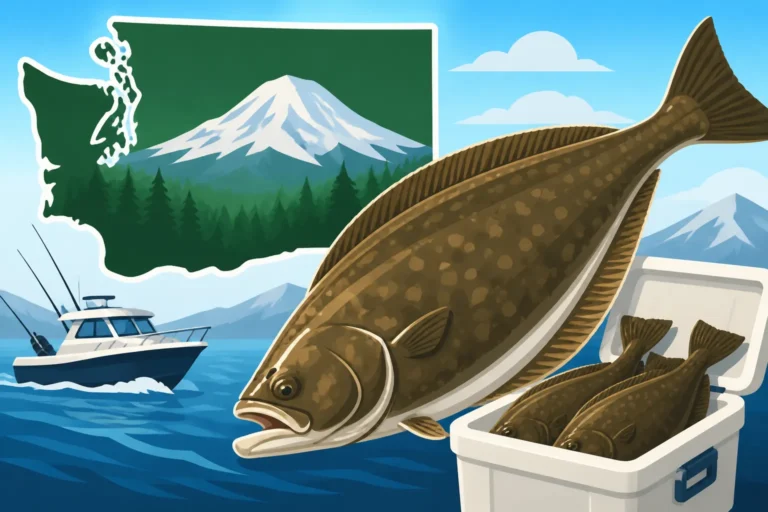
It’s incredibly frustrating when you’ve planned a long-awaited fishing trip, only to find out the river you wanted to hit is under a steelhead closure. It feels like the rug has been pulled out from under your feet, leaving you wondering if your whole day is ruined or if there’s still a way to get a line in the water. The good news is, a steelhead closure doesn't always mean the entire river is off-limits. This guide will walk you through the nuances of Washington's fishing regulations during a steelhead closure, helping you understand what’s still possible and how to stay legal.
Understanding Steelhead Closures in Washington
When the Washington Department of Fish and Wildlife (WDFW) announces a steelhead closure, it often brings a wave of confusion and disappointment for anglers. Many assume it means the river is completely shut down, a lifeless stretch of water where no fishing is allowed. However, that’s not always the case. These closures are rarely arbitrary; they're a critical tool for managing and protecting our precious wild steelhead populations, which have faced significant challenges over the years. Understanding the specific nature of a closure is key to knowing if you can still fish.
Steelhead closures are typically put in place for conservation, especially when wild steelhead returns are projected to be very low, or during critical spawning periods. WDFW biologists constantly monitor river conditions and fish returns, making tough decisions to ensure the long-term health of these iconic fish. These decisions are often driven by data from test fisheries and escapement goals, aiming to ensure enough fish make it to the spawning grounds. It's about balancing recreational opportunity with the urgent need to protect vulnerable stocks.
Types of Steelhead Closures
Not all steelhead closures are created equal, and knowing the differences can literally save your fishing day – or prevent a costly citation. Sometimes, a closure is very specific, targeting only steelhead, while other species might still be fair game. Other times, it's about restricting certain gear types that are known to be particularly effective at catching steelhead, even if you’re trying for something else.
You might encounter a full river closure, which, as the name suggests, means no fishing whatsoever for any species within a defined stretch of river. This is the most restrictive type and usually occurs during extreme conservation concerns or for public safety reasons. More commonly, however, you'll see species-specific closures, meaning you can't target or retain steelhead, but other fish species, like resident trout or bass, might still be open. Lastly, gear restrictions are very common during steelhead closures; these might include a ban on bait, a requirement for single-point barbless hooks, or a restriction to only certain types of lures, all designed to minimize incidental harm to steelhead. Understanding these distinctions is crucial, and it’s why checking the most up-to-date regulations is paramount.
Why Closures Happen
The reasons behind a steelhead closure are almost always rooted in conservation. Wild steelhead populations in Washington, especially those on coastal rivers and tributaries flowing into Puget Sound, have seen significant declines over the decades due to habitat loss, climate change, and other factors. When WDFW forecasts critically low returns for a particular run or river system, they implement emergency rules to protect the remaining fish. These protective measures are not taken lightly and are often the result of complex scientific analysis and public input processes.
For example, if a specific river like the Sol Duc or the Skagit is experiencing exceptionally low returns of wild winter steelhead, WDFW might announce a total steelhead closure for that system. This aims to maximize the number of wild fish that can successfully spawn, contributing to future generations. Sometimes, closures are even more nuanced, targeting specific reaches of a river where fish are staging or spawning, or imposing Catch-and-Release Rules During Wild Steelhead Closures to ensure any incidentally caught steelhead are returned unharmed. These emergency rules, explained further in articles like Emergency Rule Changes: Why Washington's Rules Shift Mid-Season and How Washington's WDFW Sets In-Season Emergency Rules, are dynamic and can change at any moment, emphasizing the need for anglers to stay vigilant.
What You Can (and Can't) Target During a Steelhead Closure
So, the big question: can you actually fish during a steelhead closure? The answer is often yes, but with very specific caveats. It boils down to understanding what is closed and what remains open. Often, a "steelhead closure" means you cannot target or keep steelhead, but other species may still be open, provided you adhere to all other regulations.
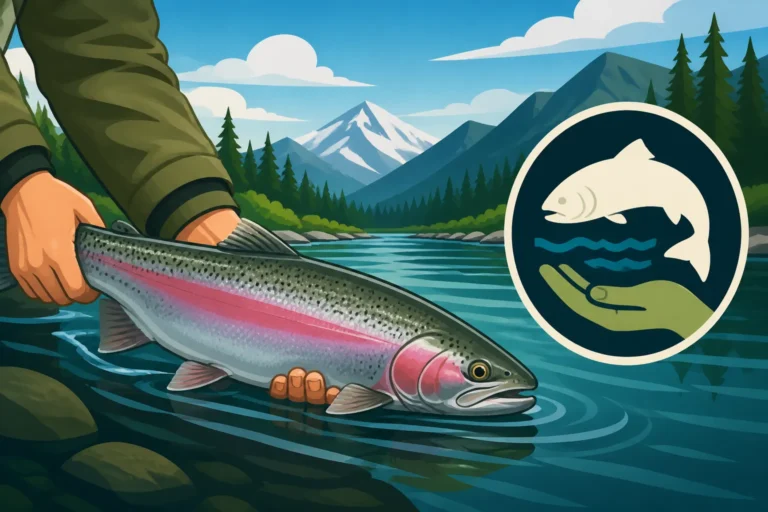
It's a common misconception that a river is completely shut down. In many cases, it's a species-specific restriction. This means if you accidentally hook a steelhead, you must release it immediately and unharmed. This is where your fishing skill and ethical considerations truly come into play. You might be targeting rainbow trout, but if a steelhead takes your lure, you're responsible for its safe release. This is also why gear restrictions, like mandatory Barbless Hook Requirements on Washington Rivers, are often implemented alongside steelhead closures, to aid in safe releases.
Species That Might Remain Open
During a steelhead closure, many rivers still offer opportunities to target other fish species. Depending on the river and the time of year, you might still be able to fish for resident rainbow trout, cutthroat trout, or even species like mountain whitefish. In some sections of larger rivers, like the Columbia River tributaries, bass or other warmwater species might also be open.
It’s crucial to refer to the WDFW regulations pamphlet or their online resources to confirm what species are open in your specific river and marine area. For example, a river section that is closed for steelhead might still be open for Rainbow Trout Fishing in Washington during its regular season. You'll need to be absolutely certain of the identity of your catch. If you're targeting trout, but consistently hooking steelhead, it might be a sign to change locations or tactics to avoid disturbing the protected species. This often means adjusting your lure size, bait, or fishing depth to minimize interactions with steelhead.
Permitted Gear and Techniques
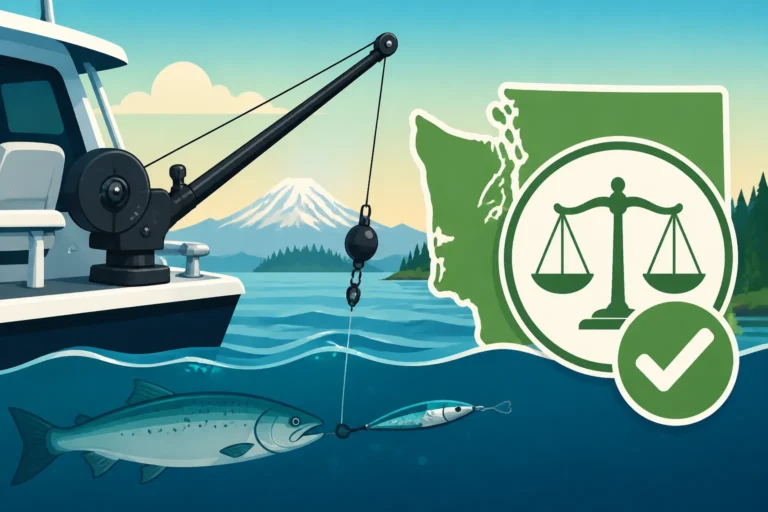
Even if other species are open, steelhead closures almost always come with strict gear and technique restrictions. These are put in place to reduce the chances of inadvertently catching steelhead or to minimize harm if they are caught and released. The most common restrictions include:
- Bait Bans: Many steelhead closures include Washington Bait Bans and When They Apply. This means no natural bait like worms, roe, or shrimp. The logic is that steelhead are less likely to strike artificial lures deeply, making for easier and safer release.
- Single-Point Barbless Hooks: This is a nearly universal requirement during sensitive periods. Barbless hooks greatly reduce injury to fish that are to be released, allowing for quick and clean removal. You can easily convert most barbed hooks to barbless by simply crimping down the barb with a pair of pliers.
- Lure Type/Size Restrictions: Sometimes, specific types of lures, like large plugs or drift gear, might be prohibited because they are highly effective for steelhead. You might be limited to smaller flies, jigs, or spinners more typically associated with trout.
It’s your responsibility to understand and comply with these detailed rules. Fishing with bait when it's prohibited, or using barbed hooks, can lead to significant fines, even if you're not intentionally targeting steelhead. Always double-check the "Remarks" section for the specific river and species in the WDFW regulations pamphlet, as this is where these nuanced rules are often found. If you need new barbless hooks or tools to crimp barbs, a quick search on Amazon can get you what you need quickly before your next trip.
Essential Steps to Stay Legal and Informed
Staying legal during Washington's often complex and dynamic fishing seasons can feel like a full-time job. With emergency rule changes happening mid-season, it’s easy to get caught off guard. However, ignorance is no excuse when it comes to fishing regulations. Taking proactive steps to stay informed is not just about avoiding fines; it's about being a responsible steward of our fisheries.
One of the most common pitfalls is relying on outdated information or hearsay. What was legal last week, or even yesterday, might have changed. The WDFW makes a concerted effort to disseminate information, but it's up to each angler to seek it out. Think of it as part of your pre-fishing ritual, as important as checking your tackle and tying on fresh line. A few minutes of research can make all the difference between a successful, legal outing and a frustrating encounter with a fish and wildlife officer.
Checking Emergency Rules and Regulations
The absolute first thing you should do before heading out to any river in Washington, especially one known for steelhead, is to check the most current regulations. WDFW is diligent about publishing Emergency Rule Changes as they occur. Here's how to stay informed:
- WDFW Website: The official WDFW website is your primary source. They have a dedicated "Emergency Rules" section that lists all recent changes. This is typically updated in real-time.
- "Fishing Rule Changes" Hotline: WDFW maintains a phone hotline that provides recorded updates on emergency rules.
- WDFW Fish Washington App: This free app, available on both iOS and Android, is a fantastic resource. You can check regulations by location, species, or even search for specific rivers. It's designed to be your pocket guide to staying legal and up-to-date. If you don't have it, download it! It’s a literal game-changer for on-the-go checking of rules.
- Local Tackle Shops: These are often fantastic resources, as the owners and staff are usually avid anglers themselves and stay extremely current on local rules. However, always cross-reference with official WDFW sources.
Remember, a printed regulation pamphlet might be outdated the moment an emergency rule goes into effect. Always prioritize digital, real-time sources. The article Where to Find Current Washington Fishing Rules offers more in-depth guidance on navigating these resources.
Identifying Your Target Species Correctly
This is perhaps the most critical skill during a steelhead closure. If you're fishing a river where steelhead are catch-and-release only, or entirely off-limits, you must be able to differentiate them from other open species, like resident rainbow trout. While many assume Steelhead: Washington's Ocean-Run Rainbow Trout are simply big rainbows, there are often subtle differences, especially when they are fresh from the ocean.
Here’s a simplified breakdown, but always verify with official WDFW identification guides:
| Feature | Hatchery Steelhead (often allowed) | Wild Steelhead (usually closed/C&R) | Resident Rainbow Trout (often open) |
|---|---|---|---|
| Adipose Fin | Clipped (if hatchery program exists) | Intact | Intact |
| Appearance | Often duller, less vibrant colors | Bright, chrome, vibrant, strong | Varying, often less chrome than steelhead |
| Size | Can be large | Can be very large (ocean-run) | Generally smaller, but can grow large |
| Body Shape | More football-shaped | Sleeker, powerful, built for ocean | More typical trout shape |
| Jaw/Gums | Similar to wild | Similar to hatchery | Similar to steelhead, check for teeth |
Always remember: if you're not 100% sure, assume it's a wild steelhead and release it immediately and unharmed. Proper fish handling is paramount. Keep the fish in the water as much as possible, use wet hands, and use a de-hooking tool if necessary. A good quality, rubberized net can also minimize stress on the fish during landing and release. You can find excellent, fish-friendly nets on Amazon.
Practical Advice for Anglers During Closures
A steelhead closure doesn't have to spell the end of your fishing day, or even your fishing trip. While it certainly shifts your plans, it also presents an opportunity to explore new techniques, target different species, or discover new waters. Embrace the challenge as a chance to expand your angling horizons. The most successful anglers are those who are adaptable and can pivot when conditions or regulations change.
It's also a chance to practice ethical angling, understanding that our actions directly impact the health of the fisheries we love. By consciously adhering to regulations and making responsible choices, we contribute to the recovery and sustainability of these precious resources for future generations.
Adapting Your Approach
If your chosen river has a steelhead closure, but other species are open, it's time to adapt.
- Change Target Species: Instead of steelhead, focus on resident trout. This might mean downsizing your gear, using smaller lures, flies, or jigs. For instance, if you were using large plugs for steelhead, switch to small spinners or nymphs for trout. Many rivers that host steelhead also have healthy populations of Cutthroat Trout in Washington's Rivers and Lakes.
- Modify Your Gear: Ensure all your hooks are barbless. If bait is banned, switch to artificials. If you typically fish with heavy gear, consider lighter tackle that is more appropriate for smaller trout and less likely to deeply hook a steelhead.
- Explore Different Waters: If the closure is for a specific river or stretch, consider moving to another river or lake that is open and has different target species. Washington offers an incredible diversity of fishing opportunities, from alpine lakes to Puget Sound saltwater. Perhaps a local lake stocked with rainbow trout could provide a fun alternative. An article like What to Target When Steelhead Season Is Closed can give you some excellent ideas.
- Focus on Skill Development: Use the opportunity to hone your casting, drift control, or fish-spotting skills without the pressure of needing to land a specific species. Practice your knot tying or learn a new fly pattern.
Being flexible is the hallmark of a true Washington angler. Our seasons and regulations are dynamic, and learning to roll with the punches is part of the experience.
Ethical Angling During Sensitive Times
The integrity of our fisheries relies on the ethical behavior of every angler. During steelhead closures, this responsibility is magnified. Even if you're allowed to fish for other species, the presence of vulnerable steelhead means you need to be extra cautious and mindful.
- Minimize Stress on Released Fish: If you accidentally hook a steelhead, release it quickly and gently. Keep the fish in the water as much as possible. Avoid dragging it onto rocks or sandy banks. Use a de-hooking tool to remove the hook efficiently. This is particularly important for Wild Steelhead Release Rules on Washington's Olympic Peninsula Rivers, which are very strict.
- Don't Intentionally Target Closed Species: Even if you intend to release them, intentionally targeting steelhead when they are closed is illegal and unethical. The regulations are there to protect them, and repeated hooking can cause stress and injury.
- Report Violations: If you witness someone intentionally violating closure rules, report it to WDFW enforcement. This is a difficult thing to do for many, but it's essential for the health of the fishery.
- Educate Others: Share your knowledge with fellow anglers. Many might be unaware of the specific nuances of a closure, and a friendly, informative conversation can go a long way in promoting responsible fishing practices.
By understanding the rules, adapting your techniques, and committing to ethical angling, you can still enjoy Washington's beautiful rivers even when steelhead are temporarily off-limits. It's about respecting the fish, the regulations, and the future of our incredible fishing heritage.
| Aspect | Typically Closed During Steelhead Closure | Potentially Open During Steelhead Closure |
|---|---|---|
| Target Species | Steelhead (retention and/or targeting) | Resident Trout (Rainbow, Cutthroat, etc.) |
| Certain salmon species (if also closed) | Mountain Whitefish | |
| Bass or other warmwater species (in season) | ||
| Gear Restrictions | Bait (roe, worms, shrimp) | Artificial lures |
| Barbed hooks | Single-point barbless hooks | |
| Multiple hooks per line (check specific rules) | Single hook per line | |
| Technique Limitations | Gear highly effective for steelhead | Fly fishing with appropriate patterns |
| Light spin fishing for trout | ||
| River Sections | Specific spawning grounds | Other sections of the river/tributaries |
| Full river closure (rare) | Nearby lakes or alternative rivers |
Remember, this table is a general guide. Always consult the most current WDFW regulations for the specific river and dates you plan to fish, including the Washington Sport Fishing Seasons and Emergency Closures document.
Disclaimer
Please be aware that fishing regulations in Washington State can change rapidly due to emergency closures or in-season adjustments by the Washington Department of Fish and Wildlife (WDFW). The information provided in this article is intended for general guidance only and may not reflect the most current rules. It is every angler's responsibility to check the official WDFW regulations, emergency rule changes, and any local advisories immediately before fishing. Failure to comply with current regulations can result in fines and penalties.