Is Priest Rapids in Washington Good for Fall Chinook?
The question of whether Priest Rapids is a prime spot for Fall Chinook is one that crosses many Washington angler's minds, especially when those crisp autumn days start hinting at salmon season. It’s frustrating to hear whispers of great fishing only to show up unprepared or at the wrong time, feeling like you’ve missed the boat – literally. This comprehensive guide is here to cut through the confusion, detailing exactly what makes Priest Rapids a fantastic destination for targeting those magnificent Fall Chinook, when to go, how to fish for them, and what you need to know before you cast your line.
Priest Rapids Dam: A Magnet for Migrating Chinook
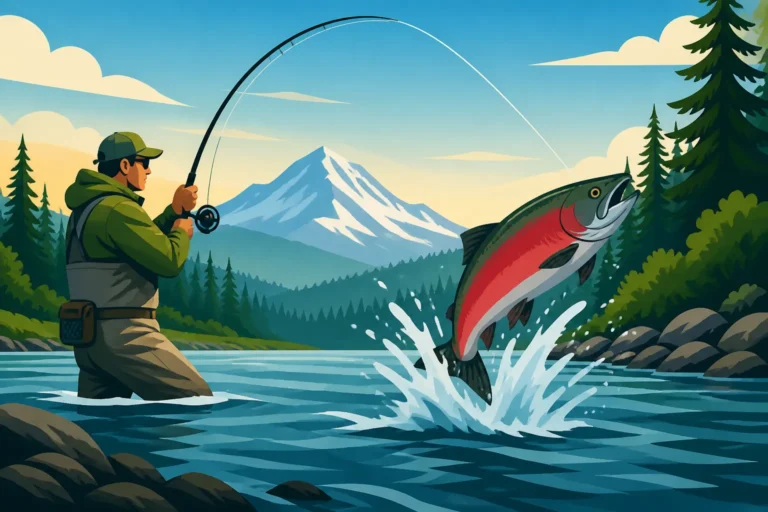
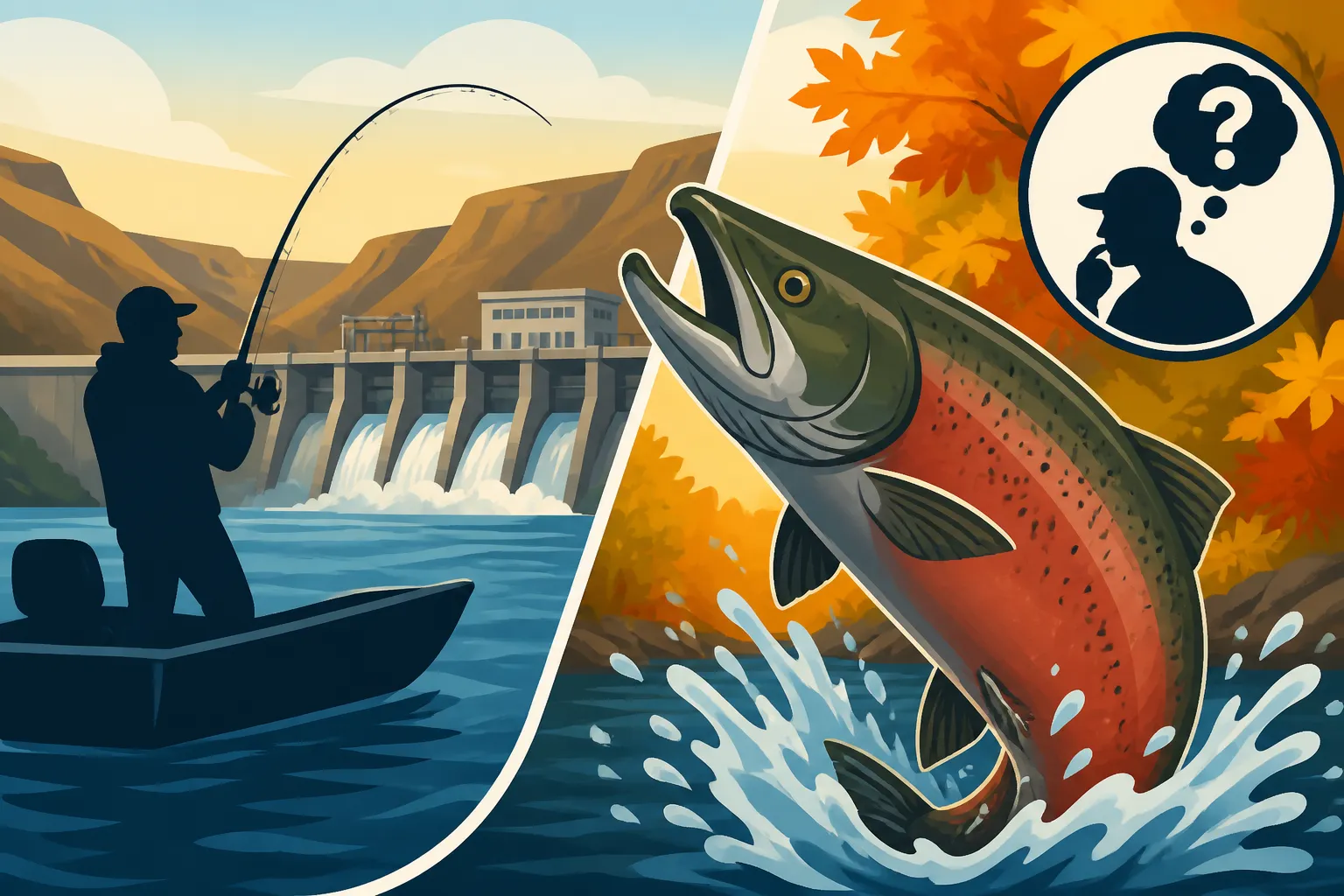
The Priest Rapids Dam is a significant feature on the Columbia River, acting as a natural migration barrier and concentration point for an incredible number of anadromous fish, including the highly sought-after Fall Chinook salmon. These powerful fish, often referred to as "kings," undertake an epic journey from the Pacific Ocean, up the mighty Columbia, to their natal spawning grounds or hatcheries. The area immediately below and sometimes above the dam creates a unique fishing environment where these fish stage and hold, making it a hotspot for anglers when the timing is right.
For many years, the fall Chinook runs here have been robust, thanks to a combination of natural production and extensive hatchery programs. These programs often release millions of juvenile Chinook into the Columbia River system, bolstering the numbers that return as adults. As these fish approach the dam, their biological clock tells them it's time to gather, providing consistent opportunities for anglers looking to intercept them before they move on to their final destinations like the Hanford Reach, which is just upstream.
The sheer volume of water flowing through the dam, coupled with its structure, creates varied currents and holding lies that Chinook absolutely love. You’ll find everything from deep scour holes and eddy lines to swift current seams, all of which can concentrate fish. This isn't just a random spot; it's a critical migration corridor and a proven producer of big, bright Chinook when the conditions align. Understanding the dam's role in the fish's life cycle is key to appreciating why this area can be so good.
Peak Season and Proven Tactics for Priest Rapids Fall Chinook
Timing is everything when it comes to intercepting Fall Chinook at Priest Rapids. While the exact dates can shift slightly year to year based on water conditions and fish returns, the general window for prime action is quite consistent. Knowing when to go and what techniques to employ will drastically increase your chances of success.
When to Hit the Water for Fall Kings
The Fall Chinook run at Priest Rapids typically begins to pick up in late August, reaches its peak in September, and often continues strong well into October. Sometimes, depending on the year's specific run timing and regulations, good fishing can even extend into early November. However, if you're aiming for the absolute sweet spot, mark your calendar for the middle of September through the first half of October. This is when the largest concentrations of fish are usually present, actively moving and staging.
It's crucial to remember that this fishery is heavily managed by the Washington Department of Fish and Wildlife (WDFW), and seasons can be adjusted or even closed with little notice through emergency rule changes. Always check the latest WDFW regulations before heading out. A quick visit to the WDFW website or a call to their regional office can save you a lot of disappointment. If you're planning a trip from out of town, especially if you're considering hiring a guide, confirm with them directly about current conditions and open seasons.
Factors like water temperature and river flows can influence when the fish arrive and how actively they bite. Cooler water temperatures generally signal that more fish are entering the system and becoming more aggressive. Conversely, unusually warm water can slow things down. Keeping an eye on the long-range weather forecasts and current flow rates for the Columbia River can give you an edge in predicting the best fishing days.
Top Techniques for Landing Fall Chinook
When it comes to fishing for Fall Chinook at Priest Rapids, most successful anglers employ methods that allow them to present baits or lures effectively in the river's strong currents, often targeting fish holding near the bottom.
Trolling with Kwikfish or Super Baits: This is arguably one of the most popular and effective methods, especially from a boat. Anglers typically back-troll or forward-troll various plugs like Brads Kwikfish or Mag Lip 4.0/5.0, often wrapped with a fillet of sardine or an anchovy to add scent and flash. Super Baits, which are hollow and can be packed with a scent wad or tuna belly, are also incredibly effective. The idea is to get these lures down to the fish, which often means using heavy lead sinkers (10-20 ounces or more, depending on current) or downriggers, especially if fishing further from the dam. You want your lure to be just ticking the bottom or slightly above it, mimicking an injured baitfish or a salmon naturally feeding. Anglers meticulously work specific current seams and depth contours, often making repeated passes over known holding areas.
Back-Bouncing Roe: Another highly effective technique, particularly in the deeper, slower seams or holes, is back-bouncing cured salmon roe. This involves using a heavy lead cannonball or pyramid sinker to "bounce" a gob of roe along the river bottom, allowing the current to carry it naturally. The key is to maintain bottom contact without snagging excessively. This is a very hands-on technique, requiring constant attention to your line and feel for the riverbed. A common setup involves a three-way swivel, with your mainline tied to one eye, a dropper line with your weight to another, and a leader with your roe presentation to the third. The leader length can vary, but typically 18-36 inches is a good starting point. Many experienced anglers prefer a powerful baitcasting setup for this, allowing for better line control and the ability to detect subtle bites in heavy current. Using good quality, fresh cured roe, perhaps enhanced with a scent like Pro-Cure, can make a huge difference. You'll often feel a light "thump" or sudden weight when a Chinook inhales your offering.
Drift Fishing with Spin-N-Glos or Beads: While perhaps less common for the largest Fall Chinook directly below the dam, drift fishing can be productive in specific areas with moderate current, particularly for bright, active fish. This involves using a float (often a large bobber) or simply enough weight to keep your presentation drifting naturally with the current. Spin-N-Glos, Corkies, or plastic beads often tipped with a piece of bait (like prawn, sand shrimp, or cured roe) are popular choices. The idea is to present a small, enticing offering directly to fish that might be holding in a current break or just off the main flow. This can be a great option for anglers fishing from the bank in accessible areas, or from a boat in shallower, less turbulent water. Knowing how to read water for bank-fishing salmon is a skill that will serve you well here.
It's also worth noting that the strength and size of these Fall Chinook demand stout tackle. A medium-heavy to heavy action rod, rated for 15-30 lb line, paired with a reliable baitcasting or large spinning reel spooled with 30-50 lb braided mainline (and a strong fluorocarbon leader) is standard. These fish pull hard, and you'll need the gear to turn their heads in the heavy current.
Accessing Priest Rapids and Understanding Local Regulations
Getting to and fishing Priest Rapids effectively requires some logistical planning, particularly concerning boat access and adherence to local fishing regulations. It's not a place to show up unprepared.
Boat Launches and Bank Access
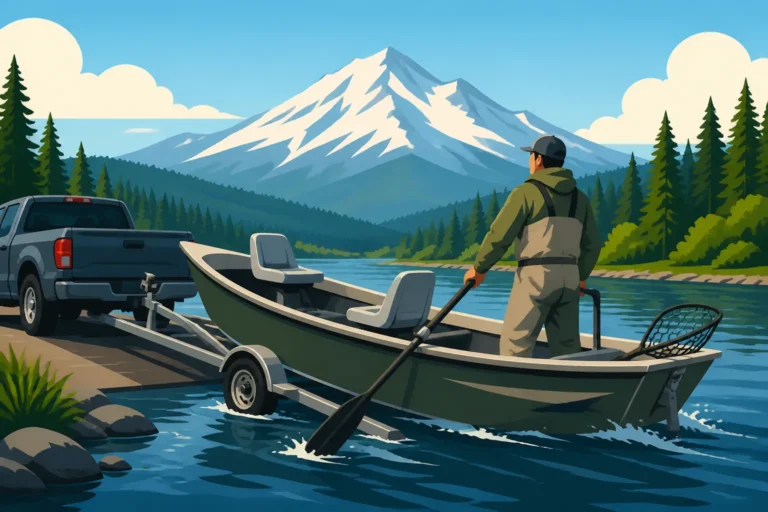
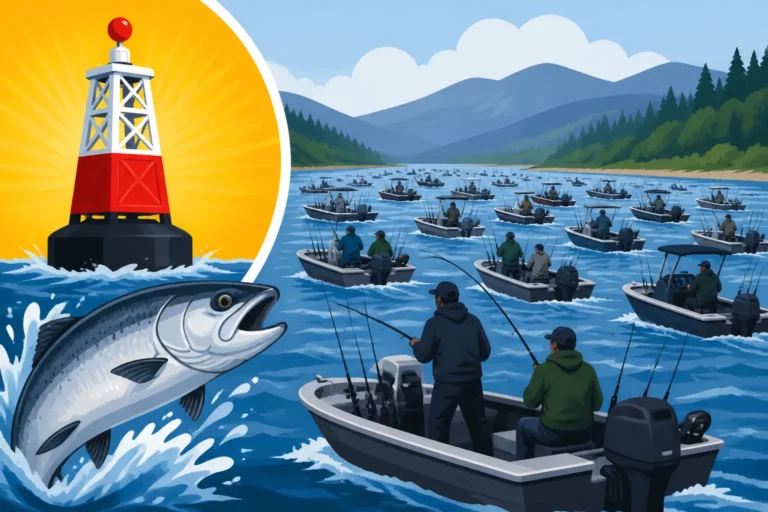
For boat anglers, several public boat launches serve the Priest Rapids area. On the east side of the river, you'll find the Priest Rapids Recreation Area boat launch, which offers good access. On the west side, Crescent Bar Park also provides boat launch facilities and amenities. These launches are generally well-maintained and capable of handling a variety of fishing boats, from smaller jet sleds to larger prop boats. During peak season, especially on weekends, these ramps can get incredibly busy, so arriving early is always a good strategy.
For bank anglers, access is more limited, but certain areas offer opportunities, particularly immediately below the dam. There are often designated fishing areas, but these can also become crowded. Always respect private property and access restrictions. The Washington State Parks system maintains some public lands around the area, but specific fishing spots for bank anglers often require local knowledge or observation. Some anglers might hike into more secluded spots, but caution is advised due to the powerful currents and potentially steep, uneven terrain.
When planning your trip, consider the facilities available at each access point. Are there restrooms? Is there ample parking for your truck and trailer? These small details can make a big difference in the comfort and enjoyment of your fishing day. If you're coming from afar, you might even consider local lodging options in nearby towns like Quincy or Moses Lake.
Navigating Washington's Fishing Regulations
Fishing the Columbia River, especially for salmon, comes with a specific set of rules and regulations, and Priest Rapids is no exception. These rules are designed to manage harvest, protect wild stocks, and ensure sustainable fishing opportunities.
First and foremost, you absolutely need a valid Washington fishing license. If you're a nonresident, you'll need to purchase a Washington Fishing License Guide for Nonresidents or a short-term license that covers your trip. Even resident anglers need to make sure their annual license is up to date.
Beyond the general license, Fall Chinook fishing in this part of the Columbia River often requires a Columbia River Salmon and Steelhead Endorsement. This endorsement is an additional fee that helps fund the management and recovery efforts for these anadromous species in the Columbia River Basin. Double-check if you need the Columbia River Salmon and Steelhead Endorsement, Explained.
Perhaps the most critical piece of equipment you'll need, besides your rod and reel, is a Washington Catch Record Card. For salmon and steelhead, every fish you keep must be immediately recorded on this card. Failure to do so can result in significant penalties. You'll need to know exactly how to fill out a Washington Catch Record Card, including species, date, location (often specific WDFW marine or river areas), and whether the fish was hatchery-marked (adipose fin-clipped) or wild. Many Columbia River fisheries, especially for Chinook, have specific rules about whether you can retain wild (unclipped) fish, so careful identification is key. Always carry a pen or pencil and make sure your card is protected from the elements.
Summary of Key Regulations for Priest Rapids Fall Chinook:
| Regulation Aspect | Detail | Importance |
|---|---|---|
| Fishing License | Required for all anglers 15 and older. Annual or short-term options available. | Legal requirement for all fishing activities. |
| Columbia River Endorsement | Mandatory for salmon/steelhead fishing in most Columbia River sections, including Priest Rapids. | Supports conservation efforts, specific to this fishery. |
| Catch Record Card | Required for recording all kept salmon/steelhead. Must be filled out immediately. | Essential for WDFW harvest monitoring and regulatory enforcement. |
| Daily Bag Limits | Varies by season, species, and whether fish are hatchery or wild. Check current WDFW rules. | Strict limits on how many fish you can keep per day. Fines for exceeding. |
| Possession Limits | Typically 2-3 times the daily limit, for fish kept in your possession. | Limits total fish you can have, including those at home. |
| Gear Restrictions | Specific rules on hooks (e.g., barbless), bait use, and number of rods. | Ensures fair chase and minimizes harm to released fish. |
| Adipose Fin Clip | Crucial for distinguishing hatchery (clipped) from wild (unclipped) fish. | Determines legality of retention in many fisheries. |
Always consult the current WDFW Sport Fishing Regulations pamphlet for the most up-to-date and specific rules for the Priest Rapids area (often found under the Columbia River section, specific to river mileages around the dam). This document is your bible on the water.
Beyond Chinook: Other Opportunities and Guided Trips
While Fall Chinook are undoubtedly the main draw at Priest Rapids during autumn, the area offers other fishing opportunities, and for those less familiar with the river, considering a guided trip can be a game-changer.
Other Fish Species at Priest Rapids
Beyond the mighty Chinook, you might encounter other species while fishing the Priest Rapids section of the Columbia River. Occasionally, you could hook into Coho salmon, though they are less prevalent here than in some other parts of the Columbia system or Puget Sound. Still, it's always a possibility, and they're a fun fight.
Another popular target in the wider Columbia River system, including around Priest Rapids, is walleye. These delicious freshwater fish thrive in the river's deep, often turbid waters. While walleye fishing typically involves different techniques (like jigging or trolling crankbaits), it's a good alternative if salmon fishing is slow or if you're looking to diversify your catch. Smallmouth bass are also present and can provide some exciting action, particularly in areas with rocky structure.
The Columbia River is a diverse ecosystem, and while salmon fishing takes center stage, don't overlook the potential for other game fish. Knowing what to target when salmon season is closed can extend your fishing year and broaden your horizons as an angler.
The Value of a Guided Fishing Trip
If you're new to fishing the Columbia River, don't own a boat, or simply want to maximize your chances of success and learn from an expert, booking a guided trip is an excellent option. Local guides spend countless hours on the water, tracking fish movements, understanding the complex currents, and knowing which techniques are producing on any given day.
A reputable guide will provide all the necessary gear, bait, and local expertise. They'll also ensure you're fishing legally and help with things like proper fish handling and filling out your catch card. This can be particularly valuable in a dynamic fishery like Priest Rapids, where conditions and fish behavior can change rapidly. If you're looking to book a guided trip for Priest Rapids, platforms like FishingBooker can connect you with experienced local captains who specialize in Columbia River salmon. They often provide detailed descriptions of their trips, what's included, and customer reviews, giving you a good sense of what to expect.
When choosing a guide, ask about their experience specifically in the Priest Rapids area, what's included in the trip cost, and their cancellation policy in case of bad weather or emergency closures. Remember that a guide doesn't guarantee fish, but they significantly increase your odds and provide a valuable learning experience. Many guides operate under specific permits and possess in-depth knowledge of local nuances that are difficult for an uninitiated angler to grasp quickly. Whether you're considering a short visit or planning a multi-day Washington fishing trip, leveraging local expertise can be incredibly rewarding.
Ultimately, Priest Rapids offers a fantastic opportunity for Fall Chinook, but it's a fishery that rewards preparation, knowledge, and adherence to regulations. With the right approach, those hard-fighting Columbia River kings can provide an unforgettable fishing experience.
Disclaimer
Please remember that fishing regulations, seasons, and fish populations are subject to change. Always consult the official Washington Department of Fish and Wildlife (WDFW) regulations before planning any fishing trip to ensure you are compliant with the most current rules. This guide is for informational purposes only and should not replace official WDFW publications.