Where the Spokane River Holds Trout
Oh, the Spokane River! It's a waterway that truly encapsulates the diverse spirit of Washington, from bustling urban stretches right through to serene, wilder sections. But let's be honest, trying to pinpoint exactly "where the Spokane River holds trout" can feel like a bit of a treasure hunt, especially with its unique character and varied regulations. Many anglers, myself included, have spent frustrating hours trying to figure out the best approach. That's precisely why I've put together this comprehensive guide: to cut through the confusion and lead you straight to the best trout fishing spots and techniques on this fascinating river.
The Diverse Waters of the Spokane River: A Trout Angler's Overview
The Spokane River is a creature of many moods, heavily influenced by its journey from Lake Coeur d'Alene in Idaho, through the city of Spokane, and eventually to the Columbia River. This unique hydrology and geography mean that "fishing the Spokane River" isn't a one-size-fits-all endeavor. You're not just dealing with a single, uniform stretch of water; you're exploring a series of distinct fisheries, each with its own quirks and charm. Understanding these fundamental characteristics is your first step to unlocking its trout potential.
A River Shaped by Dams and Urban Flow
Flowing roughly 111 miles, the Spokane River is dotted with several dams, particularly within and just outside the city limits. These dams, while generating power, significantly alter the river's flow, temperature, and habitat. They create slower, deeper pools in some areas and faster, more turbulent stretches below their spillways. This creates a patchwork of environments that different trout species might prefer. For example, some stretches might resemble a classic freestone river, while others feel more like a large tailwater fishery. The urban sprawl, too, plays a role, with some sections offering easy access from city parks, while others require a bit more effort to reach. Navigating these varied conditions is part of the challenge and reward of fishing the Spokane.
What Trout Species Call the Spokane Home?
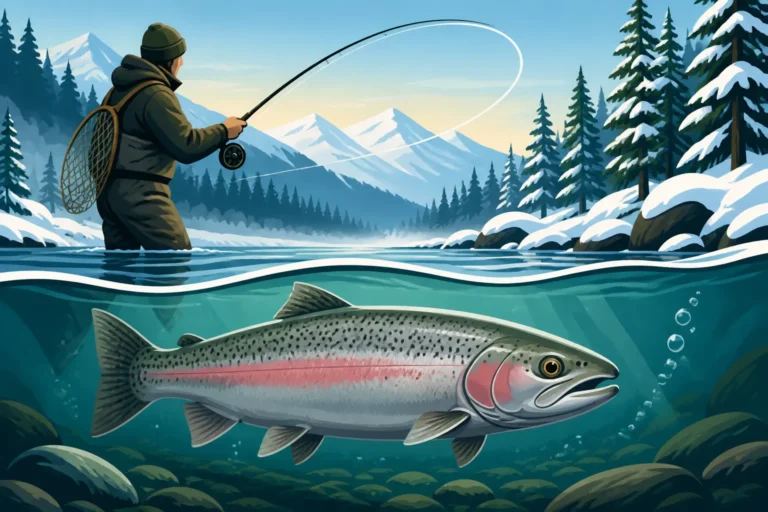
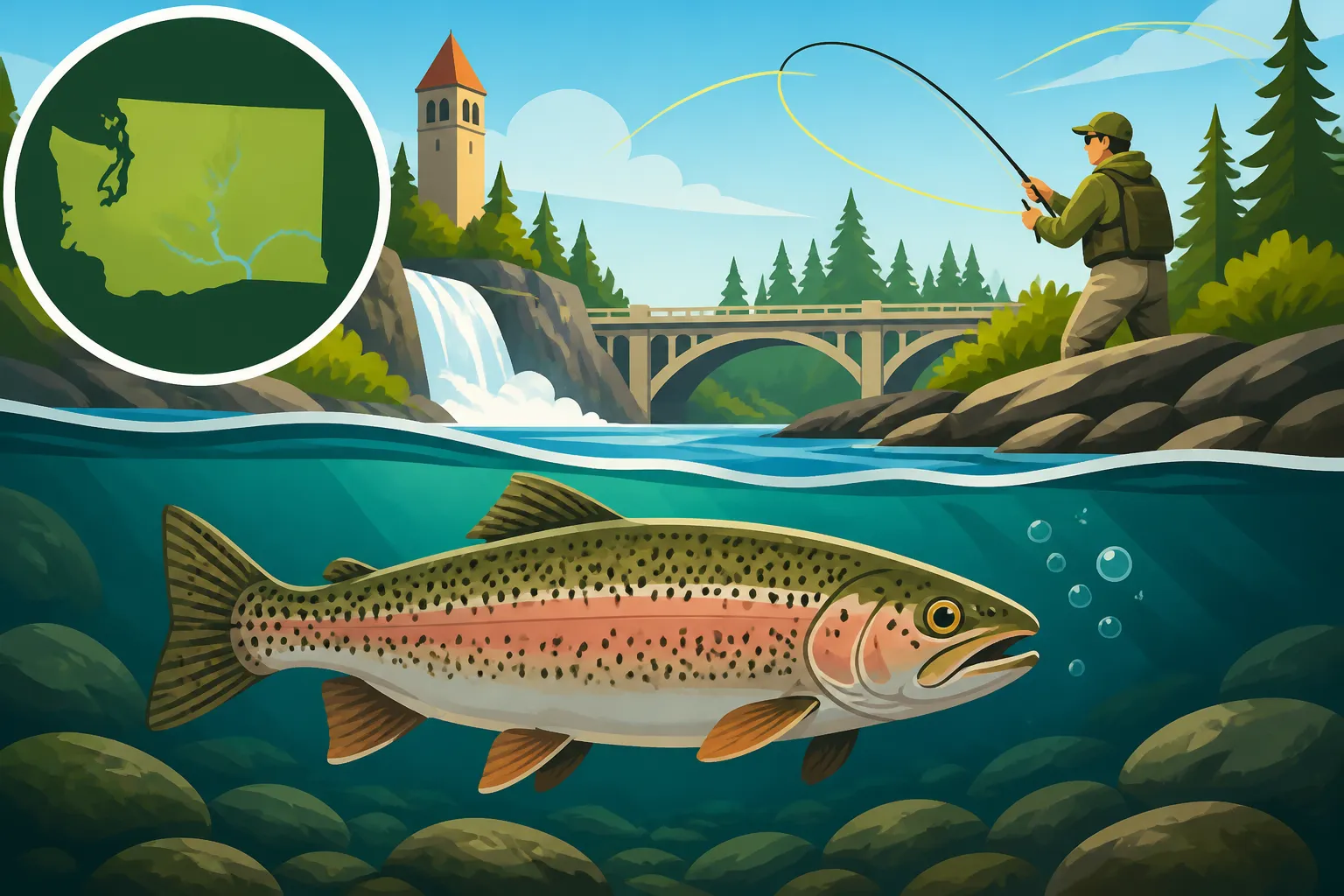
When we talk about trout in the Spokane River, we're primarily focused on the native Redband Rainbow Trout. These are beautiful, resilient fish, perfectly adapted to the river's conditions. They're often smaller than their hatchery-reared cousins but fight with incredible vigor, making them a prized catch. You might also encounter Brown Trout in some sections, though they are less common than the redbands. Occasionally, especially in calmer backwaters or areas influenced by stocking, you could hook into a planter Rainbow Trout. The sheer joy of catching a wild redband from the Spokane is something truly special, a testament to the river's enduring health despite its urban journey. Understanding the differences between wild and hatchery fish is crucial, as some regulations might vary depending on whether you're targeting one or the other, often requiring you to identify a Redband from a hatchery rainbow.
Water Quality and Seasonal Changes
The Spokane River's water quality has been a topic of much discussion and conservation effort over the years. Improvements have certainly been made, which benefits the trout populations immensely. However, anglers should be aware that water levels and clarity can fluctuate significantly throughout the year. Spring runoff from snowmelt can make the river high and off-color, while late summer often sees lower, clearer flows. These changes directly impact where trout hold and what techniques will be most effective. Pay close attention to current conditions, which you can often check through local fishing reports or by looking at USGS river gauges. A cloudy, high river demands different tactics than a low, gin-clear one, and adaptability is key to consistent success.
Unlocking the Best Trout Spots on the Spokane River
Now, let's get down to brass tacks: where exactly do these elusive trout hang out? The Spokane River, as mentioned, is a patchwork, and knowing which patch to target can make all the difference between a productive day and a frustrating one. From the lively urban stretches to the more serene downstream areas, each section offers something a little different for the trout angler.
Urban Stretches: Downtown Spokane and Riverfront Park
Don't let the city backdrop fool you; the Spokane River right through downtown and around Riverfront Park can be surprisingly productive for trout. These sections, characterized by bedrock bottoms, numerous riffles, and deep pools formed by the river's drop, provide excellent holding water. Access is generally good, with plenty of public parks and walkways.
- Riverfront Park Area: Below the Upper Spokane Falls and around the gondola ride, you'll find impressive rapids and deeper runs. This can be fantastic for targeting redbands, especially with nymphing rigs or streamers swung through the currents. The fish here are accustomed to some human activity, but they're still wild and wary.
- Peaceful Valley to Browne's Addition: As the river calms slightly after the main falls, it flows through sections with more defined banks and slower pools. This area can be excellent for dry fly fishing during hatches, or for indicator nymphing. Bank access is readily available in many spots, making it a popular choice for local anglers looking for a quick after-work session. Remember, while it's urban, these fish are still wild, so a stealthy approach often pays off.
Upstream Sections: Toward the Idaho Border
As you move upstream from the city, particularly closer to the Washington-Idaho border, the river takes on a slightly different character. While still influenced by dams, these areas can offer a more natural feel. The Post Falls Dam in Idaho significantly impacts flow further upstream, but within Washington, you'll find some rewarding stretches.
- Upriver Drive Area: Just east of the city, near the Upriver Dam, you'll find sections with good riffle-to-pool transitions. These areas are excellent for fly fishing and spin fishing. The presence of some submerged structure and varying depths makes it ideal habitat for trout to ambush prey. You'll often find anglers wading in these sections, carefully picking their way through the currents. Access can be found off Upriver Drive and in various smaller parks.
- Towards Plantes Ferry Park: This stretch offers a mix of faster water and deeper bends. It's less crowded than the immediate downtown areas and can reward persistence. The trout here tend to be a bit less pressured and can be more aggressive. Fly anglers often do well with larger stonefly or caddis imitations, while spin anglers can have success with small spinners.
Downstream Areas: Riverside State Park and Beyond
Heading west of Spokane, the river begins to truly open up and take on a more rugged, natural appearance as it flows through Riverside State Park. This is where many serious trout anglers prefer to spend their time, as the environment offers more solitude and potentially larger, less pressured fish.
- Riverside State Park (Bowl and Pitcher to Nine Mile Falls): This expansive park offers numerous access points and miles of fishable water. The "Bowl and Pitcher" area is famous for its unique rock formations and offers deep pools and challenging currents. Further downstream, the river mellows in spots, creating ideal nymphing and dry fly water. This section is known for its strong redband population. It's also a fantastic place for hiking and combining a fishing trip with a broader outdoor adventure.
- Below Nine Mile Dam: Downstream of Nine Mile Dam, the river starts its journey toward Lake Roosevelt. This area can offer excellent fishing, particularly for those willing to explore. The water here is generally colder and clearer, and the habitat is prime for trout. Drift boat access becomes more viable in these lower stretches, allowing anglers to cover more water and access areas that are difficult to reach by foot. This is where you might encounter larger specimens of redband rainbow trout.
| Section of Spokane River | Primary Trout Species | Common Fishing Methods | Access & Vibe | Notes |
|---|---|---|---|---|
| Downtown (Riverfront Park) | Redband Rainbow, some Brown | Nymphing, Streamers, Dry Fly (during hatches) | Easy, urban, public parks | Can be crowded, but surprisingly good fishing. Falls create good holding water. |
| Upriver Drive to Plantes Ferry | Redband Rainbow | Nymphing, Spinners, Dry Fly | Moderate, mix of urban/suburban, park access | Less crowded than downtown, good wading opportunities. |
| Riverside State Park | Redband Rainbow | Nymphing, Dry Fly, Streamers | Good, scenic, trails and designated access points | More natural setting, potential for larger fish. |
| Below Nine Mile Dam | Redband Rainbow | Nymphing, Streamers, Spinners, Dry Fly | Moderate, less developed, best with drift boat/kayak | Fewer anglers, wilder feel, excellent habitat. |
Proven Strategies for Catching Spokane River Trout
Knowing where the trout are is one thing; getting them to bite is another! The Spokane River, with its unique characteristics, often requires a thoughtful approach. What works one day might not work the next, but by understanding some core techniques and seasonal patterns, you can significantly increase your chances of success.
Fly Fishing: The Art of Imitation
For many Spokane River anglers, fly fishing is the preferred method, particularly for the wary redband rainbow trout. The river offers diverse conditions that lend themselves well to various fly fishing techniques.
- Nymphing: This is arguably the most consistent method for Spokane River trout. Trout spend a significant portion of their lives feeding on aquatic insects drifting along the riverbed. A well-presented nymph rig, often with an indicator, can be incredibly effective. Focus on seams, current breaks, and the slower water on the inside of bends. Popular patterns include Prince Nymphs, Pheasant Tails, Hare's Ears, and various caddis larva imitations. Remember, the depth of your presentation is crucial; you want your flies to be tumbling along near the bottom where the trout are feeding. If you're looking to refine your subsurface game, you might find some useful insights on Nymphing for Trout on Washington's Yakima River – many principles apply!
- Dry Fly Fishing: When conditions are right, dry fly fishing on the Spokane can be absolutely exhilarating. Hatches of caddis, mayflies, and even stoneflies occur throughout the warmer months. Keep an eye on the water for rising fish and match the hatch as closely as possible. Even without an obvious hatch, skating a stimulator or drifting a Parachute Adams can often entice a curious redband. The calmer pools and slower runs in the urban stretches and Riverside State Park are prime dry fly water. For general tips on surface presentations, check out our guide on Dry Fly Fishing Washington's Rivers.
- Streamer Fishing: Don't overlook streamers, especially for larger trout. During periods of higher, off-color water or when trout are aggressively feeding on baitfish, a swung or stripped streamer can provoke a powerful strike. Patterns like Woolly Buggers, Sculpzillas, and various baitfish imitations in olive, black, or brown can be very effective. Concentrate on deep pools, undercut banks, and around any submerged structure where a predator might be lurking.
Spin Fishing: Versatility and Accessibility
Spin fishing is a highly effective and accessible way to target Spokane River trout, perfect for beginners and seasoned anglers alike. The versatility of spin gear allows you to adapt to different river conditions and trout behaviors.
- Lures: Small spinners (such as Mepps or Rooster Tails) in sizes #0 to #2 are often deadly, especially in nickel, brass, or bright colors like chartreuse. Spoons (like Kastmasters or Dardevles) can also work well, particularly in deeper pools where you need to get your offering down quickly. The key is to retrieve them at a speed that allows the lure to flash and wobble enticingly without spinning unnaturally. In areas with current, casting upstream and retrieving just faster than the current can be incredibly effective.
- Bait Fishing (Check Regulations Carefully!): While fly fishing and artificial lures are highly popular, bait fishing can be permitted in certain areas and for specific species, so always consult the latest Washington Sport Fishing Regulations Pamphlet before heading out. When allowed, baits like worms, PowerBait, or even cured salmon eggs can be very effective, especially for stocked trout. Use a light leader and small hooks for a more natural presentation.
Seasonal Considerations for Spokane River Trout
The best time to fish the Spokane River for trout depends heavily on the season and the specific section you're targeting.
- Spring (March-May): As runoff subsides and water temperatures begin to rise, trout become more active. This is often a prime time for nymphing, and you'll start to see early-season hatches. The river can be high, so focus on eddies, slower seams, and bankside cover.
- Summer (June-August): Lower, clearer water often defines summer fishing. Early mornings and late evenings are usually best as trout seek cooler water and are more active during hatches. Dry fly fishing can be fantastic, but be prepared to switch to nymphs or small streamers if the surface action isn't happening. Wading can be easier in many sections.
- Fall (September-November): Many consider fall to be one of the best times for trout fishing on the Spokane. Water temperatures are ideal, and trout are actively feeding before winter. Streamer fishing can be excellent, and you'll often find strong nymphing opportunities. The vibrant fall colors along the riverbanks also make for a truly picturesque fishing experience.
- Winter (December-February): Winter fishing is a game for the dedicated. Trout are still present but tend to be less active and hold in deeper, slower pools. Nymphing with smaller, subtle patterns is typically the most productive method. Focus on the warmest parts of the day.
Regulations, Conservation, and a Healthy Future for Spokane River Trout
Fishing the Spokane River is not just about catching fish; it's about being a responsible steward of this incredible resource. The river's proximity to a major urban area means that regulations are in place to protect its fragile ecosystem and ensure sustainable fishing opportunities for generations to come. Understanding and adhering to these rules is paramount.
Navigating Washington's Fishing Regulations
Before you even tie on a fly or lure, your first and most important step is to consult the current Washington Department of Fish and Wildlife (WDFW) fishing regulations. These rules can be complex and are subject to change, sometimes even in-season. For the Spokane River, you'll need to pay particular attention to:
- Special Rules for Specific River Sections: The Spokane River often has unique regulations for different stretches. For instance, some areas might be catch-and-release only, while others have specific gear restrictions (e.g., artificial flies and lures only, or barbless hooks required). Never assume the rules are the same throughout the entire river. Our comprehensive guide, Washington Fishing Regulations Every Angler Should Know, is a great starting point, but always double-check the Spokane River specific entries.
- Catch Limits and Size Restrictions: While the focus for redband trout is often catch-and-release, there might be specific limits for other trout species or in certain areas. Knowing your Washington River Trout Limit is crucial to staying legal.
- License Requirements: Absolutely everyone needs a valid Washington fishing license, unless specifically exempted (e.g., very young children, though even then, a Catch Record Card might be required for certain species). Make sure you understand the difference between resident and nonresident licenses by checking our article on Resident vs Nonresident Fishing Licenses in Washington, and know about your Washington's Annual, Short-Term and Combination License Options. You can easily purchase your license online or at a local tackle shop.
- Emergency Rule Changes: The WDFW frequently implements emergency rule changes, especially concerning salmon and steelhead, but sometimes for trout as well, based on run forecasts or in-season monitoring. These can happen fast! Always check the WDFW website for the latest updates before heading out. Our guide on How to Check for Emergency Rule Changes in Washington can show you exactly where to look.
Practicing Responsible Angling and Conservation
Beyond just following the rules, ethical angling practices are vital for protecting the Spokane River's trout population, especially the wild redbands.
- Catch and Release Best Practices: Many anglers choose to practice catch and release for wild redbands, even where retention is allowed. If you do, handle fish gently. Keep them in the water as much as possible, use a net with rubber mesh, and release them quickly. Avoid excessive handling or dragging them onto dry land. Using barbless hooks, or crimping down barbs, makes releasing fish much easier and less harmful.
- Leave No Trace: Pack out everything you pack in. This means all trash, fishing line, and any other debris. Let's keep the Spokane River pristine for everyone to enjoy.
- Respect Private Property and Other Users: While much of the river offers public access, some sections run through private land. Always be mindful of property boundaries. Additionally, the Spokane River is popular for many recreational activities, including kayaking, rafting, and swimming. Be courteous and share the water responsibly.
Looking Beyond Trout: Other Spokane River Inhabitants
While trout are the stars of this show, the Spokane River is home to a diverse array of fish species. You might encounter smallmouth bass, particularly in the warmer, slower sections downstream of the city. Northern pikeminnow are also common, and you might even stumble upon the occasional carp. For those interested in pursuing other species or trying different fishing experiences in Washington, exploring options like FishingBooker can connect you with guides and charters across the state, even beyond the Spokane, allowing you to broaden your angling horizons. However, for dedicated trout anglers on the Spokane, understanding the specific characteristics of this river and its unique trout population will lead to the most rewarding experiences.
By understanding the diverse nature of the Spokane River, knowing where to focus your efforts, employing effective techniques, and always adhering to regulations and conservation principles, you'll be well on your way to enjoying some truly memorable trout fishing in the heart of Eastern Washington.
Disclaimer
Always check the Washington Department of Fish and Wildlife (WDFW) website for the most current regulations and emergency rule changes before planning any fishing trip. Fishing conditions, seasons, and limits can change frequently.