Fishing the Lewis River for Salmon in Washington
Navigating the myriad of incredible fishing opportunities in Washington State can sometimes feel overwhelming, especially when you hear whispers of legendary salmon runs in rivers like the Lewis. It's easy to get excited, but also a little confused about where to start, what regulations apply, and how to actually hook into one of those prized fish. This comprehensive guide will peel back the layers on fishing the Lewis River for salmon, giving you the insider knowledge you need to plan a successful and enjoyable trip, from understanding its unique ecosystem to mastering the techniques that get results.
Understanding the Unique Character of the Lewis River System
The Lewis River isn't just any river; it's a complex, dynamic system shaped by nature and human intervention. Before you even cast a line, it's really helpful to understand its unique hydrology and how hatchery programs play a crucial role. This isn't just academic; it directly impacts where and when you'll find fish.
The Lewis River's Hydrology and Dam Influence
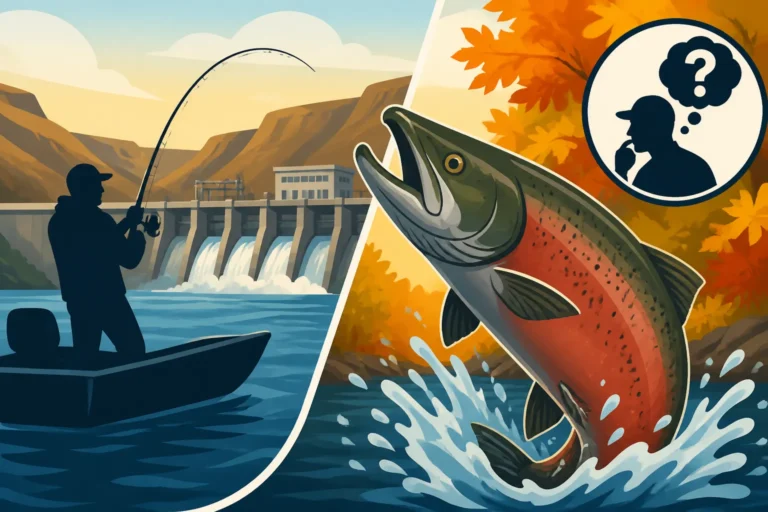
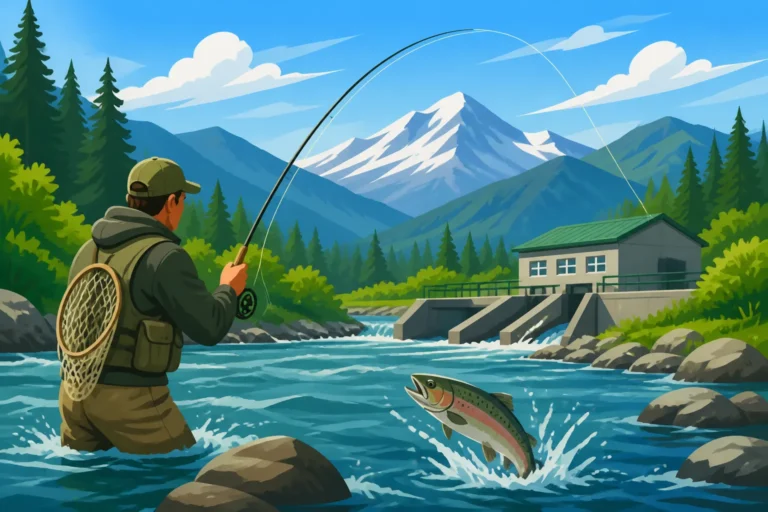
Flowing westward from the Cascade Mountains and eventually emptying into the mighty Columbia River, the Lewis River carves its path through southwestern Washington. But what truly defines much of its character are the three major hydroelectric dams: Swift, Yale, and Merwin. These dams don't just generate power; they significantly alter the river's natural flow, temperature, and, most importantly for us anglers, fish passage.
The presence of these dams creates distinct fishing zones. The lower Lewis, downstream from Merwin Dam, behaves more like a traditional river with open stretches, varying depths, and confluence points. This is where most of the salmon fishing action happens, as fish migrating from the Columbia encounter the first major barrier at Merwin Dam. Above Merwin, you enter a different world of reservoirs – Lake Merwin, Lake Yale, and Swift Reservoir – which offer unique fisheries themselves, though not typically for anadromous salmon runs in the same way the lower river does. The controlled releases from Merwin Dam mean water levels can fluctuate, sometimes rapidly. This can be a blessing or a curse; consistent flows can concentrate fish, while sudden changes can scatter them or make fishing conditions difficult. Knowing the dam's release schedule (often available from PacifiCorp, the operator) can be a real game-changer for planning your trip.
Hatchery Programs and Their Role in Lewis River Salmon Runs
When we talk about salmon fishing on the Lewis River, we're largely talking about hatchery-supported fisheries. The dams, while providing power, also block salmon from reaching much of their historic spawning grounds. To mitigate this impact and ensure healthy fishing opportunities, extensive hatchery programs are in place. The Merwin Fish Hatchery and Speelyai Hatchery are key players in this system, raising and releasing millions of Chinook and Coho salmon smolts annually.
These hatcheries are absolutely vital for sustaining the robust salmon returns that anglers chase each year. Without them, the Lewis River would simply not have the numbers of fish needed for a viable sport fishery. The focus is primarily on fall Chinook and Coho salmon, providing consistent (though always fluctuating with natural cycles) returns. What this means for you, the angler, is that many of the fish you'll encounter will be "hatchery fish," typically identified by a missing adipose fin, clipped before release. This distinction is critical because many regulations differentiate between hatchery and wild fish, often requiring the release of unclipped, wild salmon to protect naturally spawning populations. Understanding the hatchery system helps you appreciate the effort that goes into maintaining these fisheries and ensures you comply with specific regulations, such as those often seen with wild steelhead release rules on Washington's Olympic Peninsula rivers.
Decoding the Lewis River Salmon Seasons
Timing is everything when it comes to salmon fishing, and the Lewis River is no exception. While salmon are often present throughout the year in varying numbers, specific seasons offer prime opportunities for different species. Let's break down when to target the Lewis River's most sought-after salmon.
Fall Chinook: The Lewis River's Prized Catch
For many anglers, the highlight of the Lewis River salmon calendar is the Fall Chinook run. These are the giants, the "kings" that give anglers a true test of strength and tackle. Typically, the Fall Chinook begin to show up in the lower Lewis River in late August, with the run building through September and peaking in October. Some fish might even linger into early November, depending on water conditions and the size of the run.
Targeting these powerful fish often requires heavier gear and a solid understanding of their migratory patterns. They tend to hold in deeper pools and runs, often staging before attempting to navigate the fish ladder at Merwin Dam. Popular techniques include drift fishing with cured salmon eggs or large beads, often combined with a Spin-N-Glo, and back-bouncing. Trolling can also be effective in wider sections, especially from a boat. The sheer size and fighting power of a Lewis River Fall Chinook make for an unforgettable experience. It's important to remember that Washington's fishing rules are dynamic; you should always consult the current regulations before heading out, as they can differ from the daily limit for Chinook in Puget Sound.
Coho Salmon: A Feisty Fall Alternative
While Chinook might be the kings, Coho salmon, also known as silvers, offer an incredibly exciting and often more acrobatic fight. The Lewis River sees a strong return of Coho, often overlapping with the Fall Chinook run but typically extending later into the fall, usually from September through November. In some years, a strong Coho run can provide excellent fishing well into December, particularly after the Chinook have thinned out.
Coho are generally smaller than Chinook, but what they lack in size, they make up for in aggression and aerial displays. They are notorious for their acrobatic jumps and powerful runs, making them a favorite among light-tackle anglers. Techniques for Coho differ slightly from Chinook; while eggs and beads still work, Coho are often more responsive to brighter, flashier presentations. Casting spinners and spoons, particularly in silver or chartreuse, can be incredibly effective. Bobber and jig fishing is another popular method, especially when Coho are actively biting closer to the surface or holding in specific ambush points. Don't be surprised to encounter "jack" Coho – immature males that return a year early. While smaller, they're still great fun to catch and contribute to your bag limit, which is important to consider alongside salmon possession limit in Washington.
Other Salmon Species and Seasonal Considerations
While Fall Chinook and Coho are the main attractions, other salmon species can occasionally be found in the Lewis River. Chum salmon sometimes make an appearance in late fall, though typically not in the same robust numbers as Chinook and Coho. Pink salmon, known for their biennial "odd-year" runs, are less common in the Lewis, but it's always wise to check current regulations for any surprises.
One of the most critical aspects of fishing in Washington is understanding that seasons are rarely static. The Washington Department of Fish and Wildlife (WDFW) constantly monitors fish returns, environmental conditions, and catch rates. This means that Emergency Rule Changes: Why Washington's Rules Shift Mid-Season are a regular occurrence. A season that looked promising in August might be adjusted by September due to unforeseen circumstances, or new opportunities might arise. Always, and I mean always, check the WDFW website or the Fish Washington app for the most up-to-date regulations, especially before you leave home. This vigilance is key to staying legal and making the most of your trip.
Prime Fishing Spots and Access Points on the Lewis River
Knowing when to fish is only half the battle; knowing where to fish is equally important. The Lewis River offers a variety of access points and fishing zones, each with its own characteristics and best practices.
Lower Lewis River: Drifting, Trolling, and Bank Access
The stretch of the Lewis River from its confluence with the Columbia upstream to the barrier at Merwin Dam is where the majority of the salmon fishing occurs. This area is easily accessible and offers diverse opportunities for both boat and bank anglers.
Boat Access: For boat anglers, several public launches provide excellent access. The Woodland Boat Launch, located right near the town of Woodland, is a popular starting point. From here, you can motor upstream or down, depending on the current conditions and where fish are holding. Another excellent option is the launch at Johnson Creek, further upstream but still below Merwin Dam. These launches give you the flexibility to troll larger areas, cover more water with drift fishing, or target specific holding lies that are inaccessible from shore. Many anglers focus on the deeper holes and current seams that form along the river bends, especially where tributaries enter, creating natural ambush points for salmon. Consider checking out our guide on Can You Fish Two Lines From a Boat in Washington? for regulations on rod use.
Bank Access: If you prefer to fish from shore, the lower Lewis River also provides several good opportunities. The area around the Woodland Boat Launch itself has some bank access. Further upstream, places like the mouth of Johnson Creek or along various public access easements can be productive. Bank fishing for salmon often involves finding current breaks, deeper runs close to shore, or casting into the main channel where fish are migrating. Techniques like plunking (where you cast a heavy weight and bait into the current and let it sit) can be very effective from the bank, especially during strong current flows. Don't forget to review our general tips for Bank Fishing Techniques for Washington Salmon to maximize your chances. While the Lewis River is generally open, some areas might have restricted access, so always respect private property signs.
Middle and Upper River Challenges and Opportunities
As you move upstream towards the dams, the fishing opportunities for migratory salmon change considerably. The waters immediately below Merwin Dam can sometimes hold concentrated numbers of fish, especially Chinook, as they queue up to enter the fish ladder. This area often has special regulations due to the sensitive nature of the fish passage operations, so always pay extra close attention to WDFW signs and the rule pamphlet for this specific zone.
Above Merwin Dam, you enter the realm of the reservoirs: Lake Merwin, Lake Yale, and Swift Reservoir. While these large bodies of water are part of the Lewis River system, they are not typically known for traditional salmon fishing in the same way the lower river is. Instead, they offer excellent fisheries for other species like kokanee, trout, and bass. For instance, Lake Merwin is known for its kokanee. Anglers seeking salmon will almost exclusively focus on the free-flowing lower river. Access to the upper river and reservoirs is generally good, with various parks and boat launches (like Speelyai Park on Lake Merwin) available, but they cater to different types of fishing adventures.
| Lewis River Salmon Run Summary | Typical Peak Season | Primary Target Species | Common Techniques | Best Access (General) | Notes |
|---|---|---|---|---|---|
| Early Fall Run | Late August – Sept. | Chinook (Kings) | Drift, Back-Bounce, Troll | Lower River (Woodland, Johnson Creek) | First push of larger fish, often strong fighters. Look for fresh, aggressive biters. |
| Main Fall Run | Sept. – October | Chinook, Coho (Silvers) | Drift, Back-Bounce, Bobber/Jig, Spinners | Lower River (Woodland, Johnson Creek) | Peak season for both species. High angler pressure. Check for mixed bag limits. |
| Late Fall Run | Oct. – November | Coho (Silvers) | Bobber/Jig, Spinners, Drift | Lower River | Coho can be numerous and aggressive. "Jack" Coho common. Chinook numbers decline. |
Effective Techniques for Lewis River Salmon
Fishing for salmon on the Lewis River isn't about one magic technique; it's about understanding the fish, the water, and being adaptable. Here’s a rundown of the most effective methods you’ll encounter.
Popular Gear and Bait Setups
The Lewis River presents varied conditions, from deeper holes to swift currents, requiring a versatile approach to tackle.
Drift Fishing and Back-Bouncing: These are arguably the most popular and effective methods, especially for Fall Chinook. Drift fishing involves using a lead or slinky weight to present your bait just above the riverbed, tumbling naturally with the current. Cured salmon eggs (roe) are a perennial favorite, often presented in a "roe bag" or as a cluster. Adding a buoyant float like a Corky or a Spin-N-Glo directly above your bait helps keep it off the bottom and adds attraction. For a more aggressive presentation, back-bouncing utilizes a heavier weight to literally "bounce" your bait along the bottom, making it appear to a salmon as if a juicy morsel is trying to escape. Many anglers pair this with a large bead rig, imitating salmon eggs. This technique is similar to Drift Fishing for Steelhead in Washington Rivers but often scaled up for the larger, more powerful salmon. Always remember that Barbless Hook Requirements on Washington Rivers are common, especially for salmon and steelhead, so ensure your hooks comply.
Bobber and Jig: This method shines when salmon are actively migrating or holding in specific areas, particularly for Coho. A float (bobber) suspends a jig at a predetermined depth, allowing it to dance enticingly in the current. Marabou jigs in vibrant colors like chartreuse, pink, or orange are highly effective. Sometimes, tipping the jig with a small piece of prawn or cured salmon roe can increase its appeal. This is a very visual and active way to fish, as you watch for the bobber to dip or disappear, signaling a bite. It's also a great way to target fish holding closer to structure or in slower seams.
Spinners and Spoons: When salmon are aggressive, especially Coho, artificial lures can be deadly. Casting spinners (like Blue Fox or Mepps) and spoons (such as Steelhead Spoons or Buzz Bombs) into runs and retrieving them with varying speeds can provoke savage strikes. Flashy colors, often with contrasting stripes or dots, imitate baitfish or attract attention in off-color water. These lures work well for both boat and bank anglers and can be particularly effective when fish are moving quickly through the system.
Mastering Boat and Bank Fishing Strategies
Whether you’re in a boat or on the bank, a strategic approach makes all the difference.
Boat Angling: From a boat, you have the advantage of mobility. This means you can actively seek out fish concentrations. When drift fishing from a boat, anglers often "pull plugs" (a type of diving lure) or back-troll with divers and baits. The key is to cover prime water efficiently. Look for current seams, drop-offs, and areas where the river flow changes speed. Using a fish finder is invaluable for identifying deeper holes and even spotting fish actively moving through. When trolling, experiment with different speeds and depths until you find where the fish are holding. Remember, knowing how to interpret your electronics and adjust your presentation accordingly will vastly improve your catch rate.
Bank Angling: Bank anglers need to be more strategic about their chosen locations. Focus on areas with good casting access to the main current, deeper slots, or bends where fish might congregate. Observation is key: look for jumpers, swirls, or areas where other anglers are having success. If drift fishing from the bank, you’ll want to make controlled casts upstream and let your presentation drift naturally downstream, reeling in slack as it comes towards you. For plunking, find a stable spot, cast your heavy weight and bait into a consistent current, and let it sit. This can be particularly effective when the river is high or off-color, as salmon will often hug the banks. Patience is paramount for bank anglers, but the rewards can be just as great.
Navigating Regulations and Enhancing Your Trip
Fishing in Washington means understanding and adhering to a comprehensive set of regulations. A little homework before your trip can prevent headaches later and enhance your overall experience.
Essential Licenses, Endorsements, and Catch Cards
Before you even think about putting a line in the water, you absolutely need to have the correct paperwork. Every angler 15 years or older needs a valid Washington fishing license. For most salmon fishing on the Lewis River, you'll need a Freshwater License or a Combination License. If you're visiting from out of state, be sure to check out our Washington Fishing License Guide for Nonresidents for specific requirements.
Beyond the basic license, the Lewis River flows into the Columbia, which means you'll also need the Washington's Columbia River Salmon and Steelhead Endorsement, Explained if you plan to target salmon or steelhead in the mainstem Columbia River or its tributaries, like the Lewis. This endorsement is a crucial extra step that many forget, leading to potential fines.
Finally, for salmon and steelhead, a Catch Record Card is mandatory. This card tracks your harvest and provides WDFW with vital data for managing fish populations. You must immediately record any salmon or steelhead you keep. Failure to do so, or improperly filling out your card, can lead to penalties. Our guide on The Washington Catch Record Card and What It Requires provides all the details you’ll need. Always ensure you are aware of Understanding Washington's Daily Bag Limits by Species for salmon, as these can vary by species, river section, and even time of year.
Hiring a Guide or Charter for Lewis River Salmon
For many, especially those new to the Lewis River or salmon fishing in general, hiring a professional guide can be an invaluable investment. A local guide brings years of experience, knowing exactly where the fish are likely to be, what techniques are working best on any given day, and how to navigate the ever-changing regulations.
Lewis River fishing guides typically operate drift boats or jet boats, giving you access to prime fishing waters efficiently and safely. They provide all the necessary gear, bait, and often even clean your catch at the end of the day. This is a fantastic way to accelerate your learning curve, improve your technique, and significantly increase your chances of success. If you're traveling a distance or just want to maximize your fishing time without the hassle of planning every detail, a guided trip is hard to beat. You can often find reputable Lewis River guides through online booking platforms like FishingBooker. They offer a convenient way to browse guides, compare prices, and read reviews from other anglers, making the process of How to Book a Fishing Charter in Washington much smoother. Even experienced anglers might hire a guide when visiting a new river or targeting a specific run they're less familiar with.
Preparing for a Successful Lewis River Salmon Adventure
A successful day on the Lewis River involves more than just knowing where and how to fish; it also requires proper preparation, a focus on safety, and a commitment to respecting the resource.
Essential Gear and Safety Considerations
When gearing up for Lewis River salmon, you'll want robust tackle. For Chinook, a medium-heavy to heavy action rod (8.5 to 10.5 feet) paired with a baitcasting reel spooled with 20-30 lb mainline and heavier leader material (25-40 lb) is a good starting point. For Coho, you can often scale down slightly to a medium-heavy rod with 15-20 lb mainline. Don't forget an assortment of weights (lead or slinkies), swivels, and a variety of lures and baits mentioned earlier.
Safety on the river is paramount. Water levels and currents can change quickly, especially with dam operations. If you're in a boat, ensure all safety equipment (PFDs, throw cushions, first-aid kit) is onboard and in good working order. If bank fishing, be mindful of slippery banks, swift currents, and wear appropriate footwear – waders are often a good idea for mobility and staying dry. Always tell someone your plans, including where you're going and when you expect to return. Being prepared for unexpected weather changes is also key in Washington; dressing in layers and having good rain gear is always a smart move.
Respecting the Resource and Other Anglers
The Lewis River is a shared resource, and preserving it for future generations is everyone's responsibility. Practice Leave No Trace principles: pack out everything you pack in, and leave the riverbank cleaner than you found it. If you're releasing fish (as is often required for wild salmon or steelhead), do so quickly and carefully, minimizing their time out of water. Understand the difference between wild and hatchery fish, and strictly adhere to release mandates.
Also, be courteous to your fellow anglers. Washington rivers can get crowded, especially during peak salmon runs. Give others space, avoid "hogging" prime spots, and be mindful of casting lines. A simple "hello" and a shared understanding of river etiquette go a long way in ensuring everyone has a positive experience. Before you head out, always double-check Where to Find Current Washington Fishing Rules to ensure you're compliant with the latest regulations, including any What a Bait Ban Actually Restricts in Washington or gear modifications. Your careful planning and responsible behavior contribute to the longevity and enjoyment of this incredible fishery for everyone.
Disclaimer
Please remember that fishing regulations in Washington State can change frequently, sometimes with very short notice due to in-season adjustments by the Washington Department of Fish and Wildlife (WDFW). Always consult the most current WDFW fishing regulations pamphlet or the WDFW website before heading out on any fishing trip to ensure you are compliant with all rules, seasons, and limits. This guide is for informational purposes only and should not be considered a substitute for official WDFW regulations.