Booking a Crabbing Charter in Washington’s Puget Sound
There’s nothing quite like pulling up a crab pot in Washington’s Puget Sound, the thrill of seeing it brimming with feisty Dungeness crabs. But for many folks, especially those who don't own a boat or a full arsenal of crabbing gear, the dream of fresh crab can feel out of reach. The rules can be daunting, finding the right spots challenging, and the sheer logistics of getting started can be a real headache. This guide is here to untangle all that, walking you through everything you need to know about booking and enjoying a crabbing charter in this beautiful corner of the Pacific Northwest.
Why a Crabbing Charter is the Smart Play
Crabbing in Puget Sound is a time-honored tradition, but it can be surprisingly complex. From understanding ever-changing regulations to having the right gear and knowing the best spots, it's a lot to navigate. That's where a crabbing charter truly shines, taking all the guesswork and heavy lifting out of your hands so you can focus on the fun.
The Headaches of DIY Crabbing
Let's be real: trying to go crabbing on your own can be an exercise in frustration if you're not fully equipped or experienced. First, there's the boat. Not everyone owns a vessel suitable for Puget Sound, and renting one adds another layer of cost and logistics. Then there's the gear itself – crab pots or rings, bait holders, proper ropes, buoys with your unique WDFW ID number, a pot puller, and a measuring gauge. This equipment represents a significant upfront investment, not to mention the storage space it demands when not in use. For most casual anglers or visitors, this alone is a non-starter.
Beyond the gear, there's the knowledge gap. Crabs aren't everywhere, and they certainly don't hang out in the same spots year-round. Understanding migratory patterns, preferred depths, and the best structure to set your pots takes local knowledge and experience. Without it, you could spend hours on the water, burning expensive fuel, only to come back empty-handed. Plus, let's not forget the ever-present challenge of navigating Puget Sound's currents, tides, and often unpredictable weather, which requires some genuine boating savvy.
The Unbeatable Benefits of a Guided Trip
Opting for a crabbing charter immediately eliminates almost all of these barriers. The most obvious benefit is access to a fully equipped boat and all the necessary crabbing gear. You don't need to buy, store, or maintain a single piece of equipment; the charter provides it all, often high-quality, well-maintained pots and bait. This means no scrambling for fresh bait, no tangles in your ropes, and no struggling with a rusty pot puller.
More importantly, you gain the expertise of a seasoned local guide. These captains live and breathe Puget Sound, intimately knowing the productive crabbing grounds, the tidal nuances, and where the crabs are most likely to be biting (or, in this case, walking into your pot). They stay on top of all the Washington Fishing Regulations Every Angler Should Know and any specific emergency rules that might be in effect for crabbing, ensuring your trip is legal and successful. They'll handle the boat, navigate the waters, and set the pots in the prime locations, maximizing your chances of a bountiful harvest. You're paying for their knowledge, their equipment, and their ability to make your crabbing adventure as seamless and enjoyable as possible.
What to Expect on a Puget Sound Crabbing Charter
So, you've decided a charter is the way to go. Fantastic! But what does a typical crabbing trip actually look like? It's often a blend of anticipation, effort, and pure enjoyment, all managed by your experienced captain.
The Journey Out and Setting the Pots
Your crabbing adventure usually begins at a local marina in a Puget Sound town like Everett, Edmonds, or Port Townsend. After a quick safety briefing and ensuring everyone has their Washington Fishing License Guide for Nonresidents or resident license squared away, you'll head out onto the water. The boat ride itself can be a scenic tour of the Sound, with stunning views of the Olympic or Cascade mountains, depending on your location. Your captain will motor to their chosen crabbing grounds – often a secret spot known only to locals, sometimes a deeper channel or an area with specific bottom structure that crabs love.
Once on location, the crew will prepare the crab pots. These heavy, usually round or square traps are baited, often with fish carcasses, chicken, or other scent-rich offerings to lure the crabs in. You might even get to help bait them, adding to the hands-on experience! The pots are then carefully lowered into the water, attached to a long rope and a buoy that floats on the surface, clearly marked with the charter's identification. Depending on the trip, several pots might be deployed across a promising area. The exact number of pots a charter can legally deploy varies by state regulations, but guides typically have plenty to ensure a good spread.
The Waiting Game and Pulling the Bounty
After the pots are set, comes the famous "waiting game." This isn't usually dead time, though. Many crabbing charters combine the experience with a bit of fishing, especially if salmon or bottomfish seasons are open and conditions are right. This is a fantastic way to maximize your time on the water and potentially bring home a diverse catch. If not fishing, it's a great opportunity to relax, take in the scenery, spot wildlife like seals or eagles, and chat with your fellow passengers or the crew. The pots need time to "soak" – typically an hour or more, allowing the scent to spread and the crabs to crawl in.
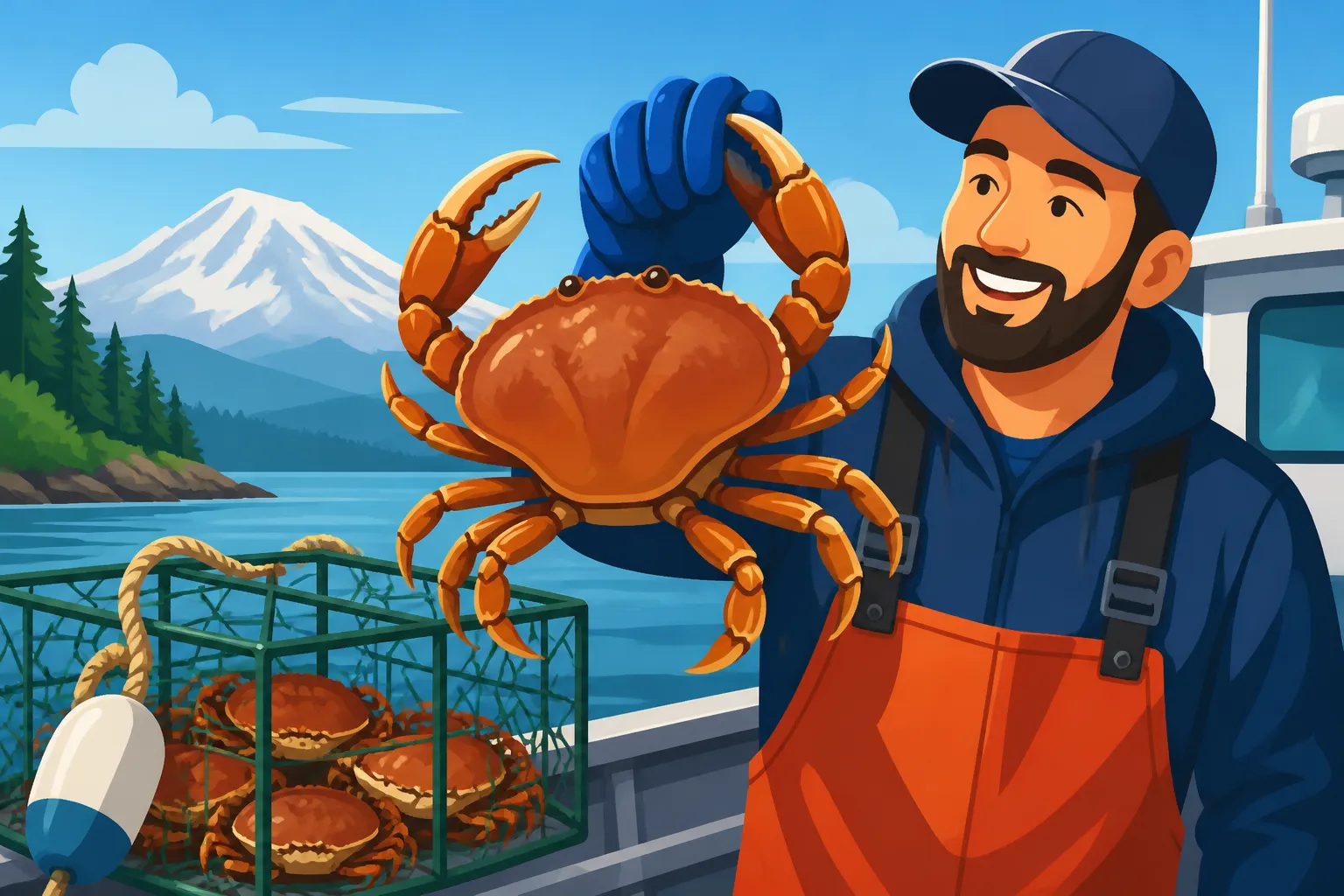
When it's time to check the pots, the excitement truly builds! The boat will return to the buoy marks, and the crew will use a motorized pot puller to haul the heavy traps from the depths. This is often where guests can get involved, helping guide the rope or simply watching with bated breath as the pot slowly breaks the surface. As the pot emerges, dripping and green with seaweed, you'll often hear cheers as the sight of a dozen or more Dungeness crabs scrambling inside is revealed. It’s a truly exhilarating moment, and one that makes the whole trip worthwhile.
Sorting, Measuring, and Releasing
Once the pots are on deck, the work of sorting begins, and this is where the specific Washington crabbing regulations come heavily into play. The crew will quickly and expertly empty the crabs onto a sorting table. Here's what they'll be looking for:
- Gender: Only male Dungeness crabs can be kept. Females must always be released, regardless of size. The guide will show you how to identify How to Tell a Male From a Female Dungeness Crab by checking their abdominal flap.
- Size: Legal male Dungeness crabs must meet a minimum size requirement, measured across the carapace (the widest part of their shell). The guide will have a precise gauge and demonstrate How to Measure a Legal Dungeness Crab to ensure every kept crab is legal.
- Condition: Crabs that are soft-shelled (recently molted) are usually released, as their meat quality is poor, and they need time to harden.
Any crabs that don't meet the legal requirements – females, undersized males, or soft-shells – are immediately and carefully returned to the water to grow and reproduce. This sustainable practice is crucial for maintaining healthy crab populations. Only the keepers make it into the holding tank, destined for your dinner table!
Choosing the Right Crabbing Charter
With a number of options available, selecting the right crabbing charter in Puget Sound can feel a bit overwhelming. It’s important to consider a few key factors to ensure your experience matches your expectations.
Researching Reputable Operators
The first step is always research. Look for charters that specialize in crabbing or offer it as a dedicated experience, rather than just an add-on to a fishing trip. Online search engines and dedicated booking platforms like FishingBooker are excellent resources for finding local operators. These platforms often feature detailed profiles of captains, photos of their boats, and most importantly, customer reviews. Pay close attention to feedback regarding the crew's friendliness, knowledge of crabbing spots, quality of equipment, and adherence to regulations. A charter with consistently positive reviews, especially those mentioning successful crabbing trips, is a good indicator of a reliable operator.
Don't hesitate to check the charter's own website or social media pages for more information. Look for details on their experience, their typical season for crabbing, and any special offerings. A good charter will be transparent about what they provide and what they expect you to bring. You want to feel confident that you're booking with someone who is passionate about crabbing and committed to providing a great experience.
Important Questions to Ask Before Booking
Before you commit, arm yourself with a few key questions. This helps clarify expectations and ensures there are no surprises on the day of your trip.
- What's included in the price? Does it cover bait, tackle (if combined with fishing), fuel, and the use of their crab pots? Are licenses included, or do you need to purchase your own beforehand? (Hint: you almost always need to buy your own Washington fishing license, but it's good to confirm).
- What is the duration of the trip? Crabbing trips can vary. Some might be 3-4 hours, while others are full-day adventures, especially if combined with fishing.
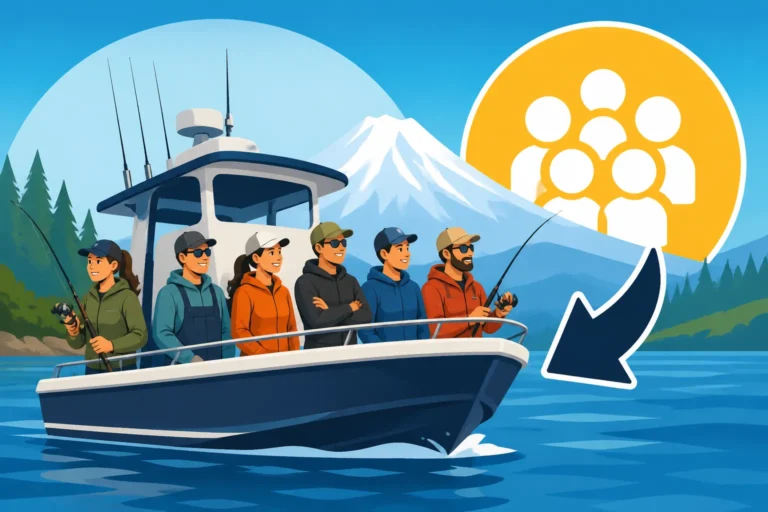
- What are the group sizes? Some charters offer private trips for your group, while others are "open boat" or "head boat" trips where you share the vessel with other paying individuals. For a more personalized experience, a smaller group might be preferable, but larger boats can be more economical.
- What is your cancellation policy? Especially in Washington, weather can be unpredictable. Understand their policy regarding bad weather, mechanical issues, or if you need to cancel for personal reasons.
- Do they clean and package your catch? Many charters will clean and ice your crabs for you, but it’s always good to confirm. Knowing this ahead of time helps you plan for transport home.
- What are the specific crabbing regulations they operate under? While you trust them to be experts, it doesn't hurt to ask about current season dates, daily limits, and any specific areas they are targeting. You can always cross-reference this with the official WDFW regulations yourself.
Comparing Charter Options: Price vs. Value
When looking at prices, remember that the cheapest option isn't always the best value. A slightly higher-priced charter might offer a more experienced captain, better equipment, a smaller group size for more personalized attention, or a longer trip duration. Think about what's important to you. If catching as many crabs as legally possible is your top priority, an experienced guide with a proven track record is worth the investment. If it's more about the experience and scenic boat ride, a slightly more budget-friendly option might suffice.
Consider the time of year as well. Crabbing seasons in Puget Sound are specific and often intense, usually limited to certain months (like July-September for Dungeness, with potential winter openings). Booking during peak season might command a higher price or require booking much further in advance. Platforms like FishingBooker allow you to filter by date and compare multiple options side-by-side, giving you a clear picture of what you're getting for your money across different operators.
Here’s a quick comparison of what different charter types might offer:
| Feature | Shared "Head Boat" Charter | Private Charter for Your Group |
|---|---|---|
| Cost | Generally lower per person | Higher total cost, but exclusive use |
| Group Size | Larger groups, shared experience | Smaller, intimate group (friends/family) |
| Flexibility | Less flexible itinerary, fixed schedule | More adaptable to your group's wishes |
| Personalization | Less one-on-one time with captain | Direct interaction, tailored experience |
| Catch Sharing | Catch is often pooled and divided | All legal catch belongs to your group |
| Best For | Solo travelers, couples, budget-conscious | Families, special occasions, maximum control |
Preparing for Your Crabbing Adventure
Even with a charter handling most of the heavy lifting, a little preparation on your part can make a big difference in ensuring you have a comfortable and enjoyable trip.
Essential Gear You'll Need
While the charter provides the crabbing equipment, there are a few personal items you absolutely need to bring:
- Fishing License: This is non-negotiable. Every individual 15 years or older needs a valid Washington fishing license that includes a shellfish endorsement. You can purchase these online through the WDFW website or from authorized license vendors like sporting goods stores. Make sure it’s printed or readily accessible on your phone via the MyWDFW app, as wardens do check. You might be interested in Washington's Annual, Short-Term and Combination License Options to decide what's best for your trip.
- Comfortable Clothing: Dress in layers! Washington weather, especially on the water, can change rapidly. Even on a sunny day, it can be cool on the open water, especially early in the morning. A waterproof outer layer is always a good idea, even if it's just a light jacket, as spray from waves or splashing crabs can get you wet.
- Rain Gear: If there's any chance of rain, a full set of waterproof rain gear (jacket and pants) will be your best friend. Being wet and cold is a surefire way to dampen the experience.
- Footwear: Wear comfortable, non-slip shoes or boots. The deck of a boat can get wet and slippery.
- Sun Protection: Even on cloudy days, UV rays can be intense on the water. Bring sunglasses, a hat, and sunscreen.
- Food and Drink: While some charters might offer light refreshments, it's always smart to bring your own snacks, lunch, and plenty of water or other beverages. Alcohol policies vary by charter, so check ahead of time.
- Cooler: Bring a cooler with ice to transport your freshly caught (and hopefully cleaned!) crabs home. This is vital for keeping your catch fresh until you can cook it.
- Camera: You'll want to capture those moments of pulling up a pot full of crabs and the beautiful Puget Sound scenery!
Physical and Mental Readiness
Crabbing, while not overly strenuous, does involve being on a boat for several hours. If you're prone to seasickness, take preventative measures before you board the boat. Over-the-counter medications, wristbands, or even ginger chews can make a big difference. Staying hydrated and avoiding heavy, greasy foods before the trip can also help. Most reputable charters operate stable boats, but choppy conditions can arise.
Mentally, come prepared for varying results. While guides are expert and aim for success, crabbing can sometimes be slower than expected. Enjoy the entire experience – the boat ride, the scenery, the camaraderie – rather than solely focusing on the quantity of your catch. The pursuit is often as rewarding as the harvest.
The Crabbing Experience Itself
You've done your research, booked your trip, and packed your gear. Now, let's dive into the actual experience of crabbing in Washington's Puget Sound.
Onboard Etiquette and Safety
Once you're onboard, listen carefully to your captain's safety briefing. They'll cover important information about life vests, emergency procedures, and how to move safely around the boat, especially when pots are being deployed or pulled. Always follow their instructions. Remember, the captain is in charge of your safety. If you have questions about specific crabbing methods, don't be shy to ask. Guides love to share their knowledge and teach you about the local marine life.
Respect your fellow anglers and the crew. On a shared charter, everyone is there to have a good time. Be mindful of personal space and share in the excitement. When crabs are being handled, observe from a safe distance unless invited to participate directly by the crew. Those Dungeness claws can pack a pinch!
Handling Your Catch: Measuring and Sexing Crabs
As pots come up, the crew will take charge of handling the crabs. This process is usually quick and efficient. They will show you how to properly hold a crab to avoid being pinched, then swiftly measure the carapace and check the abdominal flap to determine sex. This is a crucial step to ensure only legal male Dungeness crabs are retained. It’s also a fantastic learning opportunity, as the guide will often explain the nuances of Dungeness Crab Identification and Legal Size. You'll quickly learn to spot the difference between a broad male flap and a narrow female flap.
It’s important to understand the concept of "daily limit" and "possession limit" when crabbing. Your charter will operate within the legal Understanding Washington's Daily Bag Limits by Species for crab. This ensures sustainable harvesting and fair distribution among anglers. Don't be surprised if the crew reminds everyone of these limits to prevent accidental overharvesting.
Beyond the Catch: What Happens After the Trip
The charter isn't truly over until your crabs are ready for the journey home and eventually, your dinner plate.
Cleaning and Preparing Your Crabs
Most Washington crabbing charters will offer to clean your crabs for you right on the boat or back at the dock. This is a huge convenience, as cleaning Dungeness crabs can be a messy affair, especially for the uninitiated. The crew will usually dispatch the crab, remove the top shell and gills, and rinse out the internal organs, leaving you with clean, ready-to-cook crab sections. If you're interested in learning, don't hesitate to ask if you can watch or even try cleaning one under supervision. It's a skill worth knowing!
Once cleaned, your crabs should be immediately put on ice in your cooler. Proper cooling is essential for maintaining the quality and safety of your catch. If you're traveling a distance, ensure you have enough ice to keep them cold the entire way home.
Enjoying Your Hard-Earned Meal
There’s nothing quite like the taste of fresh Puget Sound Dungeness crab, especially when you’ve been part of the catching process. Whether you boil, steam, or grill them, the sweet, succulent meat is a true culinary delight. Pair them with melted butter, a squeeze of lemon, and maybe some fresh corn on the cob for a quintessential Pacific Northwest feast.
This experience, from the anticipation to the pulling of the pots and finally, to the delicious meal, is what makes booking a crabbing charter in Washington's Puget Sound such a memorable adventure. It's a fantastic way to connect with the marine environment, learn from local experts, and enjoy the bounty that our waters have to offer, all without the stress of managing all the gear and regulations yourself.
Disclaimer
This article is for general informational purposes only and does not constitute professional advice. Laws, prices and regulations vary by location and change over time. Consult a qualified professional for guidance on your specific situation.