Wild Steelhead Release Rules on Washington’s Olympic Peninsula Rivers
Few things are as frustrating for an angler in Washington State as heading out to a beautiful Olympic Peninsula river, hooking into a magnificent steelhead, and then realizing you’re not entirely sure if you’re allowed to keep it. The rules around wild steelhead can feel like a labyrinth, changing frequently and varying from river to river. This comprehensive guide is here to untangle that complexity, explaining exactly why wild steelhead must be released on the Olympic Peninsula and how to do it correctly and responsibly.
The Wild Card of Washington Steelhead Fishing: Why the Rules Are So Complex
When you're out on the river, casting your line into the cold, clear waters of the Olympic Peninsula, there's a certain magic to it. But that magic often comes with a layer of complexity, especially when it comes to steelhead. These aren't just any fish; they're a vital part of Washington's natural heritage, and their management is a delicate balancing act. Understanding the "why" behind the strict release rules is the first step in becoming a truly responsible angler.
Understanding the "Wild" Designation and Its Importance
So, what exactly makes a steelhead "wild," and why does it matter so much? In Washington, a wild steelhead is one that hatched and reared naturally in a stream, spending its entire early life in freshwater before heading out to the ocean. It's born of wild parents, shaped by the natural environment, and carries the genetic blueprint that has allowed these incredible fish to adapt and thrive for millennia. This is in stark contrast to hatchery steelhead, which are raised in a controlled environment, often for the specific purpose of supplementing fisheries or providing harvest opportunities.
The importance of preserving wild steelhead populations can't be overstated. They are the backbone of the species' long-term survival. Their genetic diversity allows them to adapt to changing environmental conditions, resist diseases, and maintain the resilience needed to overcome challenges like habitat degradation, climate change, and predation. When you're fishing rivers like the Sol Duc, Hoh, Bogachiel, or Quillayute, you're interacting with some of the most pristine and genetically robust wild steelhead populations left in the Lower 48. These fish represent a critical natural resource, and their protection is paramount for future generations of both fish and anglers.
The Role of Olympic Peninsula Rivers in Steelhead Conservation
The rivers flowing off the Olympic Peninsula aren't just scenic; they are critically important strongholds for wild steelhead. These river systems, largely fed by rain and snowmelt from the Olympic Mountains, offer relatively unblemished habitat compared to many other regions. They provide the cold, clean water, complex riverine structure, and nutrient cycling necessary for wild steelhead to complete their life cycle. Because of their relative isolation and the quality of their habitat, these rivers often support unique and distinct genetic stocks of steelhead.
Conservation efforts here are intense and often come with strict regulations to protect these fragile populations. The Washington Department of Fish and Wildlife (WDFW) works tirelessly, often in conjunction with tribal co-managers and conservation groups, to ensure these fish have the best chance at survival. This means carefully managing harvest, which often translates to mandatory catch-and-release rules for wild fish. When you cast your line into the Hoh River, for instance, you’re not just chasing a fish; you're participating in a legacy of conservation that recognizes the profound value of these natural wonders. The challenges are immense, from timber harvest impacts to the ever-present threat of climate change, making every responsible action on the part of anglers all the more vital.
Decoding the Mandatory Release Rules for Wild Steelhead
It can feel confusing when you're out there, trying to remember all the rules. But when it comes to wild steelhead on the Olympic Peninsula, there's one golden rule that simplifies things, even with all the nuances: if it's wild, it goes back. This isn't just a suggestion; it's a critical component of conservation.
The Core Principle: Zero Retention for Wild Fish
Let's be absolutely clear: on the vast majority of Olympic Peninsula rivers, if you catch a wild steelhead, it must be released immediately and unharmed. This is the bedrock of their management strategy. Unlike hatchery fish, which are often raised to provide harvest opportunities and whose removal doesn't significantly impact the wild gene pool, every wild steelhead that returns to spawn is a valuable contributor to the population's future. Removing even a small number of these fish can have disproportionately negative effects on the overall genetic health and abundance of the run.
The "why" behind this zero retention policy is deeply rooted in conservation science. Wild steelhead populations have faced significant declines over the decades due to habitat loss, hydropower development, and past overfishing. By mandating the release of wild fish, WDFW and tribal co-managers aim to ensure that as many of these fish as possible make it to the spawning grounds to reproduce, thereby contributing to the recovery and sustainability of the species. It's about protecting the genetic integrity and reproductive potential that only wild fish possess, guaranteeing that these iconic fish continue to swim in Washington's rivers for generations to come.
Identifying Wild vs. Hatchery Steelhead: The Adipose Fin Check
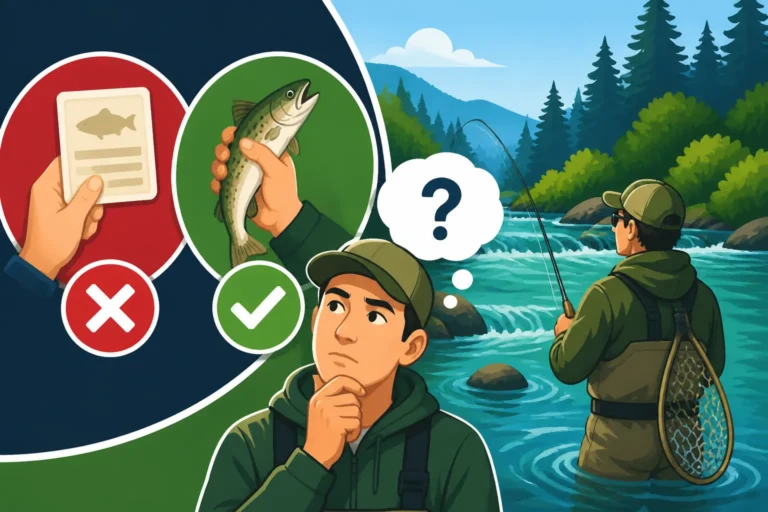
This is often where anglers get tripped up, and it’s arguably the most critical skill to master for responsible steelhead fishing on the Olympic Peninsula. The primary method for distinguishing a hatchery steelhead from a wild one is checking for the absence of an adipose fin. The adipose fin is a small, fleshy fin located on the back of the fish, between the dorsal fin and the tail. Hatchery-reared steelhead in Washington are almost universally "adipose-clipped," meaning this fin was removed when they were very small.
A clean, precise clip means it's a hatchery fish, usually destined for harvest if regulations allow. A fish with an intact adipose fin, even if it's small or slightly deformed, is considered wild and must be released. It's not uncommon for anglers to occasionally encounter a "naturally" damaged adipose fin on a wild fish, which can cause confusion. If there's any doubt, err on the side of caution and release the fish. Sometimes, especially with smaller fish or in low light, it can be tricky. Always handle the fish carefully when making this check. You can even find specific "How to Tell Wild Steelhead From Hatchery Steelhead" guides that walk you through the nuances.
Here's a quick reference table to help:
| Feature | Wild Steelhead | Hatchery Steelhead |
|---|---|---|
| Adipose Fin | Present and intact (small, fleshy fin near tail) | Absent (clipped off cleanly) |
| Nose/Snout | Often pointed, longer, and undamaged | Often rounded, shorter, sometimes worn from concrete ponds |
| Fins (other) | Usually perfect, well-formed, and round-edged | Can be frayed, stubby, or damaged from crowding |
| Scales | Smooth, unbroken, bright, and iridescent | Can be duller, more prone to scars or missing scales |
| Overall Condition | Often lean, powerful, and pristine | Sometimes appears more robust or with slight deformities |
When a Clipped Fin Doesn't Mean "Keep": Specific River Exceptions
Just when you thought you had it all figured out, there's another layer of complexity. While the adipose clip is the primary indicator, there are specific situations and river stretches on the Olympic Peninsula where even a hatchery-clipped steelhead must be released. These exceptions are often due to emergency rules, specific genetic concerns, or efforts to reduce overall angling pressure on stressed wild stocks, even when targeting hatchery fish. For example, a river might have a general "release all steelhead" rule, regardless of fin clip, during periods of extremely low wild returns or high water temperatures.
These types of regulations are often implemented to provide an additional layer of protection, particularly in certain critical river systems or during sensitive migration periods. For instance, specific tributaries or upper reaches of rivers might have wild-only status, where no steelhead, clipped or unclipped, can be retained. This is why reading the specific regulations for the river you're fishing, and the precise section of that river, is absolutely crucial. These kinds of details are usually spelled out in the annual Sport Fishing Regulations Pamphlet, but it's the frequent emergency rule changes that anglers really need to watch out for. These can pop up mid-season, making a section that was open yesterday closed today.
Best Practices for Catch-and-Release on the Olympic Peninsula
Catch-and-release isn't just about letting a fish go; it's about giving that fish the best possible chance of survival and successful spawning. On the Olympic Peninsula, where wild steelhead are so precious, proper handling is paramount. Every effort you make to minimize stress contributes directly to the conservation of these incredible fish.
Minimizing Stress: Proper Handling Techniques
The moment you hook a wild steelhead, your focus should immediately shift to its survival post-release. One of the most critical aspects is minimizing its time out of water. Steelhead, like all fish, need oxygen, and being out of water causes immense stress and can lead to irreversible damage to their gills and internal organs. When you land a fish, try to keep it submerged as much as possible. Unhook it gently while it's still in the water, or, if absolutely necessary, lift it momentarily for a quick release, but never let it flop around on the bank or in the boat.
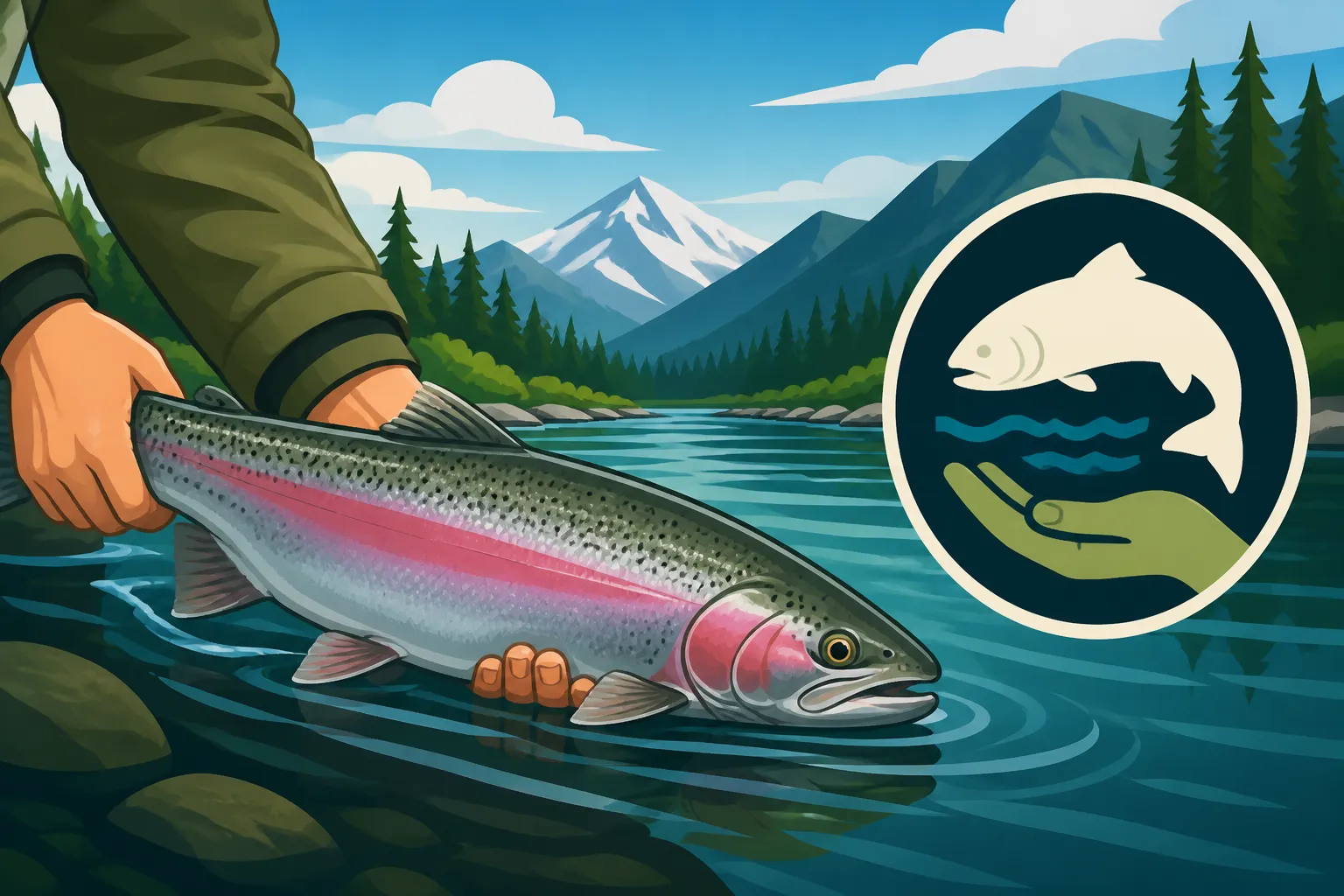
Furthermore, avoid squeezing or handling the fish by its gills or eyes. These are incredibly delicate areas. Instead, support the fish horizontally with wet hands—one hand gently gripping the tail and the other supporting its belly. If the fish is tired from the fight, hold it gently facing upstream in the current until it regains its strength and swims away on its own. Don't simply toss it back; ensure it's revived and ready to continue its journey. Using barbless hooks is another fundamental practice that significantly reduces damage and makes unhooking much easier and quicker, which is often a requirement on many rivers for good reason.
Essential Gear for Responsible Release
Having the right tools can make all the difference in ensuring a successful, low-stress release. First and foremost, a good quality net is invaluable. Look for nets with soft, knotless, rubberized mesh. These nets are far superior to traditional nylon nets, which can strip away a fish's protective slime layer, damage fins, and even remove scales, making them vulnerable to disease. The rubberized mesh cradles the fish, preventing injury and keeping it calm. You can find excellent options for these on Amazon, often with retractable handles for easy storage.
Beyond a net, a pair of long-nosed pliers or a de-hooking tool is essential. These allow you to remove hooks quickly and efficiently, often without even touching the fish. Barbless hooks, as mentioned earlier, are a must. They cause minimal damage and are much easier to remove. Some anglers even carry a small pair of cutters to snip the line as close to the hook as possible if a hook is deeply embedded, though this should be a last resort after attempting a gentle removal. Investing in this kind of gear isn't just about convenience; it's a direct investment in the health of the fishery and your commitment to responsible angling.
The Race Against Time: Quick Photography and Release
We all love a good photo of our catch, especially when it's a stunning Olympic Peninsula wild steelhead. However, that perfect shot should never come at the expense of the fish's well-being. The key here is speed and preparation. If you absolutely must take a photo, prepare your camera or phone beforehand. Make sure it's on, in photo mode, and ready to shoot. Have a friend ready to snap the picture as soon as the fish is briefly lifted.
The best practice for a photo is a "grip and grin" where the fish is supported horizontally, kept low over the water, and out of the water for no more than a few seconds. Do not hold the fish vertically by the tail, as this can severely damage internal organs. Never lay the fish on dry ground or rocks. After the quick photo, immediately return the fish to the water, ensuring it's revived before letting it swim off. Remember, the fish’s survival is the ultimate trophy. For more details on this, look up "Catch-and-Release Rules During Wild Steelhead Closures" which often emphasizes proper handling.
Navigating Emergency Rules and Local River Specifics
One of the biggest headaches for Washington anglers is the dynamic nature of fishing regulations. It’s not enough to just read the pamphlet at the start of the season; you have to stay vigilant. This is especially true for sensitive wild steelhead fisheries on the Olympic Peninsula, where conditions can change rapidly.
Why Rules Change: Factors Influencing In-Season Adjustments
You might plan a trip weeks in advance, only to find the rules have shifted the day before you head out. This isn't WDFW trying to be difficult; it's a necessary response to real-time biological and environmental factors. Steelhead runs are incredibly sensitive to things like water levels, water temperature, and overall run strength. A prolonged drought might lead to low, warm water conditions, stressing migrating fish and triggering an emergency closure to protect them. Conversely, a stronger-than-expected run might allow for a brief opening or less restrictive rules, though this is rare for wild steelhead.
WDFW, often in consultation with tribal co-managers, continuously monitors these factors using test fisheries, escapement counts, and environmental data. If, for example, the number of wild steelhead returning to the Sol Duc River is significantly below preseason forecasts, an emergency rule change might be issued to close the fishery entirely or further restrict gear to minimize any incidental mortality. This responsiveness, while sometimes inconvenient for anglers, is crucial for the long-term health of these precious fish populations. Understanding "Emergency Rule Changes: Why Washington's Rules Shift Mid-Season" can help manage expectations.
Staying Informed: Reliable Sources for Current Regulations
Given the fluid nature of regulations, knowing where to get up-to-the-minute information is paramount. Relying solely on the printed regulation pamphlet is a recipe for a violation. Your primary resource should always be the official WDFW website. They have a dedicated "Emergency Rules" page that is updated almost immediately when changes occur. Checking this page a day or two before your trip, and even the morning of, is a non-negotiable step.
Beyond the website, the Fish Washington App is an invaluable tool for any angler in the state. This app provides real-time access to regulations by location, allowing you to check rules specific to the river and section you're fishing, right from your phone. Many local tackle shops on the Olympic Peninsula, like those in Forks or Port Angeles, are also excellent sources of information. They often have printed copies of emergency rules and staff who are knowledgeable about local conditions. Finally, joining reputable online fishing forums or local angling groups can provide community insights, but always cross-reference any information with official WDFW sources. You can even find waterproof regulation books or rule summaries on Amazon, which can be handy on the river.
The Olympic Peninsula's Unique River Systems and Their Nuances
While the general rule for wild steelhead release applies broadly across the Olympic Peninsula, each river system has its own personality and, sometimes, subtle regulatory nuances. For instance, the Hoh River, known for its pristine wilderness and robust wild runs, often has very restrictive seasons and gear rules to protect its iconic steelhead. The Sol Duc River, another gem, might have specific sections or periods where only certain gear types are allowed, or where even hatchery fish are required to be released due to conservation concerns in that particular stretch.
The Bogachiel and Calawah rivers, part of the Quillayute system, are often fished in conjunction and also come with their own set of specific guidelines that can differ from their neighbors. These differences can extend to bait bans, specific hook requirements like barbless hooks, or even restrictions on fishing from boats versus the bank. It's not uncommon for sections of a river to open or close independently of other sections. This hyper-local focus in regulation is an attempt to tailor management to the specific needs and conditions of individual river segments, reflecting the unique challenges and conservation goals of each distinct wild steelhead population. Always double-check the precise marine area or river section you are targeting in the regulations.
Penalties and Ethical Considerations for Violating Release Rules
Beyond the strict legal ramifications, there's a deeper ethical responsibility that comes with fishing for wild steelhead on the Olympic Peninsula. These fish are a shared resource, and respecting the rules and the spirit of conservation is critical for everyone.
The Serious Consequences of Illegal Retention
Let's not mince words: keeping a wild steelhead when regulations mandate its release is a serious offense in Washington State. The penalties can be substantial and extend far beyond a simple slap on the wrist. First and foremost, you're looking at significant fines, which can easily run into hundreds or even thousands of dollars. The exact amount depends on the specific violation, the species involved, and whether it's a first offense. This is not pocket change.
In addition to financial penalties, you could face the suspension or complete loss of your Washington fishing license for a period of time, or even permanently. This means no fishing, anywhere in the state. Furthermore, game wardens have the authority to confiscate your fishing gear, including your rod, reel, and even your boat, if it was used in the commission of a serious violation. Imagine having your prized drift boat or custom rod seized – it's a harsh reality. These penalties are designed to be a strong deterrent, reflecting the immense value placed on Washington's natural resources and the critical need to protect vulnerable species like wild steelhead. Understanding the "Fines and Penalties for Common Fishing Violations" is crucial to avoid such situations.
The Ethical Angler's Code: Beyond the Regulations
While understanding and adhering to the letter of the law is crucial, the ethical angler recognizes that true conservation goes beyond mere compliance. It's about developing a profound respect for the fish, the habitat, and the entire ecosystem. For wild steelhead, this means internalizing the importance of every single fish. Even if you believe a fish might not survive after release, it’s still your ethical and legal obligation to release it according to the rules.
The ethical angler is also a steward of the environment. This means packing out all trash, avoiding disturbing sensitive spawning beds, and being considerate of other anglers and wildlife. It’s about leaving no trace and contributing positively to the fishing experience for everyone. It means understanding that these wild fish are a finite resource, and our actions today directly impact their availability for tomorrow. This code isn't written in a rule book, but it's essential for the long-term health of our fisheries and the sport we love.
Reporting Violations: Doing Your Part for Conservation
It’s an uncomfortable topic, but part of being a responsible angler is contributing to the enforcement of regulations, especially when it comes to protecting vulnerable wild stocks. If you witness someone illegally retaining a wild steelhead or engaging in any other serious fishing violation, you have a role to play in conservation by reporting it. This isn't "snitching" on a fellow angler; it's protecting a shared resource from those who would exploit it.
WDFW relies heavily on tips from the public to help enforce regulations. They can't be everywhere at once. You can report violations anonymously through the WDFW enforcement hotline (877-933-9847) or online. When reporting, try to provide as much detail as possible: the exact location, time, a description of the individuals involved, their boat or vehicle, and the nature of the violation. Your efforts help ensure that those who disregard the rules face appropriate consequences, thereby helping to preserve the integrity of the wild steelhead fishery for everyone who respects it.
Disclaimer
The information provided in this guide is for general informational purposes only and is not legal advice. Fishing regulations are subject to frequent change. Always consult the most current Washington Department of Fish and Wildlife (WDFW) official regulations, emergency rule updates, and local postings before engaging in any fishing activity. It is the angler's responsibility to know and follow all applicable laws and regulations.