How Big Baker Lake Sockeye Get
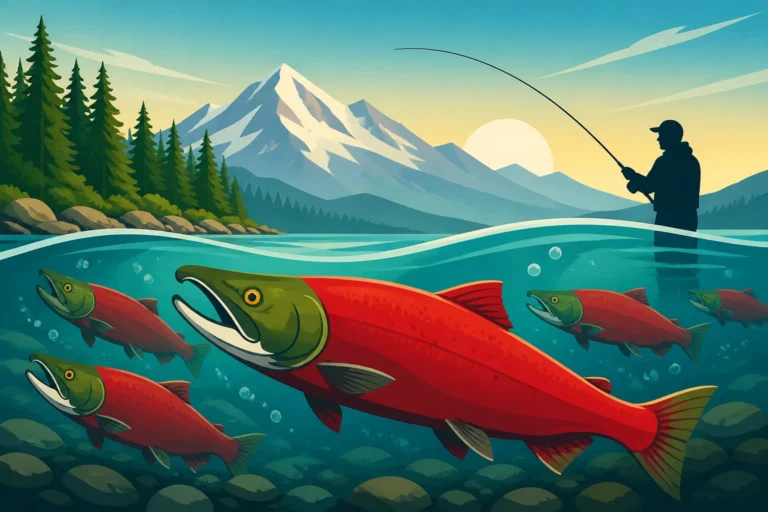
For anglers across Washington, the annual return of sockeye salmon to Baker Lake is more than just a fishery; it's a spectacle, a community event, and for many, a deeply personal tradition. When these vibrant, crimson-flushed fish begin their journey, one of the first questions that often sparks in an angler's mind, beyond "Are they biting?", is a very practical one: "Just how big are these Baker Lake sockeye going to be this year?" This guide will dive deep into the typical sizes, factors influencing their growth, and what you can expect when you hook into one of these prized fish.
The Allure of Baker Lake Sockeye: A Unique Washington Fishery
Before we talk about inches and pounds, it’s important to understand what makes the Baker Lake sockeye run so incredibly special. Unlike many other sockeye runs in the Pacific Northwest, the Baker Lake sockeye are part of a very successful and unique hatchery program that draws thousands of anglers each year to the Skagit River system. This isn't just another salmon run; it's a testament to conservation efforts and a fantastic opportunity to target one of the most beautiful and delicious salmon species.
Why Baker Lake Sockeye are Special
The Baker Lake sockeye salmon are primarily a hatchery-dependent stock. This means that a significant portion of the returning fish are collected, spawned, and reared in hatcheries before being released into the system. This unique approach ensures a robust return, allowing for a managed recreational fishery that might not otherwise exist. These fish spend their first year in the freshwater of Baker Lake, then migrate to the Pacific Ocean for a couple of years, packing on size and muscle before making their incredible journey back. The excitement surrounding their return is palpable, especially in years of strong forecasts. Anglers eagerly await the season opening, often planning entire vacations around the opportunity to participate in this fishery.
Their journey up the Skagit River, through the Baker River, and finally into the fish ladders and haul routes that get them past the dams and into Baker Lake is an amazing feat of nature and human engineering. It's a truly remarkable fishery that highlights how thoughtful management can create sustainable opportunities even with complex river systems and historical challenges. For many, landing a Baker Lake sockeye isn't just about the meal; it's about connecting with this unique story.
The Baker Lake Sockeye Fishery Experience
Fishing for Baker Lake sockeye is an experience all its own. While the fish themselves are the stars, the atmosphere on the water, whether you're boat fishing on the lake or angling from the banks of the Skagit, is part of the charm. It's often a social affair, with boats lining up, sharing tips, and enjoying the beautiful scenery that surrounds this North Cascades gem. The methods often involve specialized gear and techniques, like trolling with small dodgers and sockeye flies or kokanee gear, designed to entice these often finicky biters.
The fishery is typically managed with specific seasons and bag limits, which anglers must carefully follow. You'll need to know When Sockeye Salmon Run at Washington's Baker Lake and check for any emergency rule changes that might occur. The intense interest in this fishery often means that when the season is open, it's a bustling scene, full of passionate anglers hoping to fill their coolers. Success often comes down to paying attention to detail: depth, speed, and lure color can make all the difference on a given day. And of course, having a proper Washington Fishing License Guide for Nonresidents or resident license is paramount.
Unpacking the Size: How Big Do Baker Lake Sockeye Truly Get?
Now, let's get down to the brass tacks: the size of these magnificent fish. While sockeye aren't known for reaching the gargantuan sizes of some Chinook salmon, Baker Lake sockeye certainly hold their own, offering a robust and rewarding catch for those who pursue them.
Typical Size and Weight for Baker Lake Sockeye
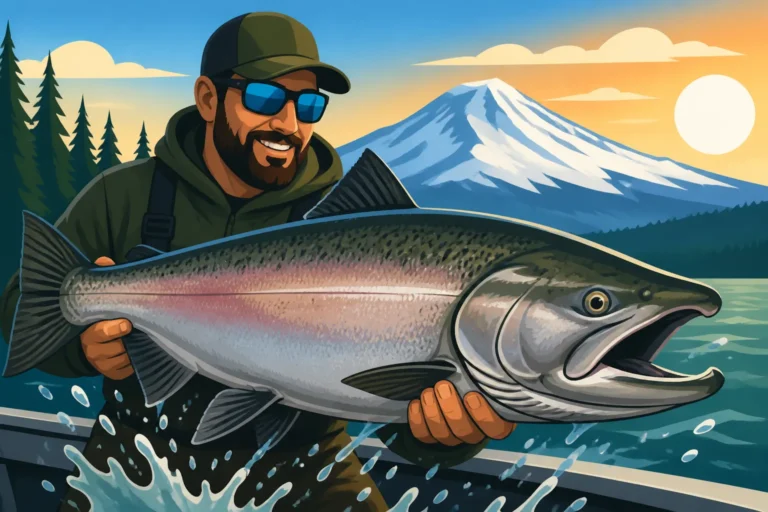
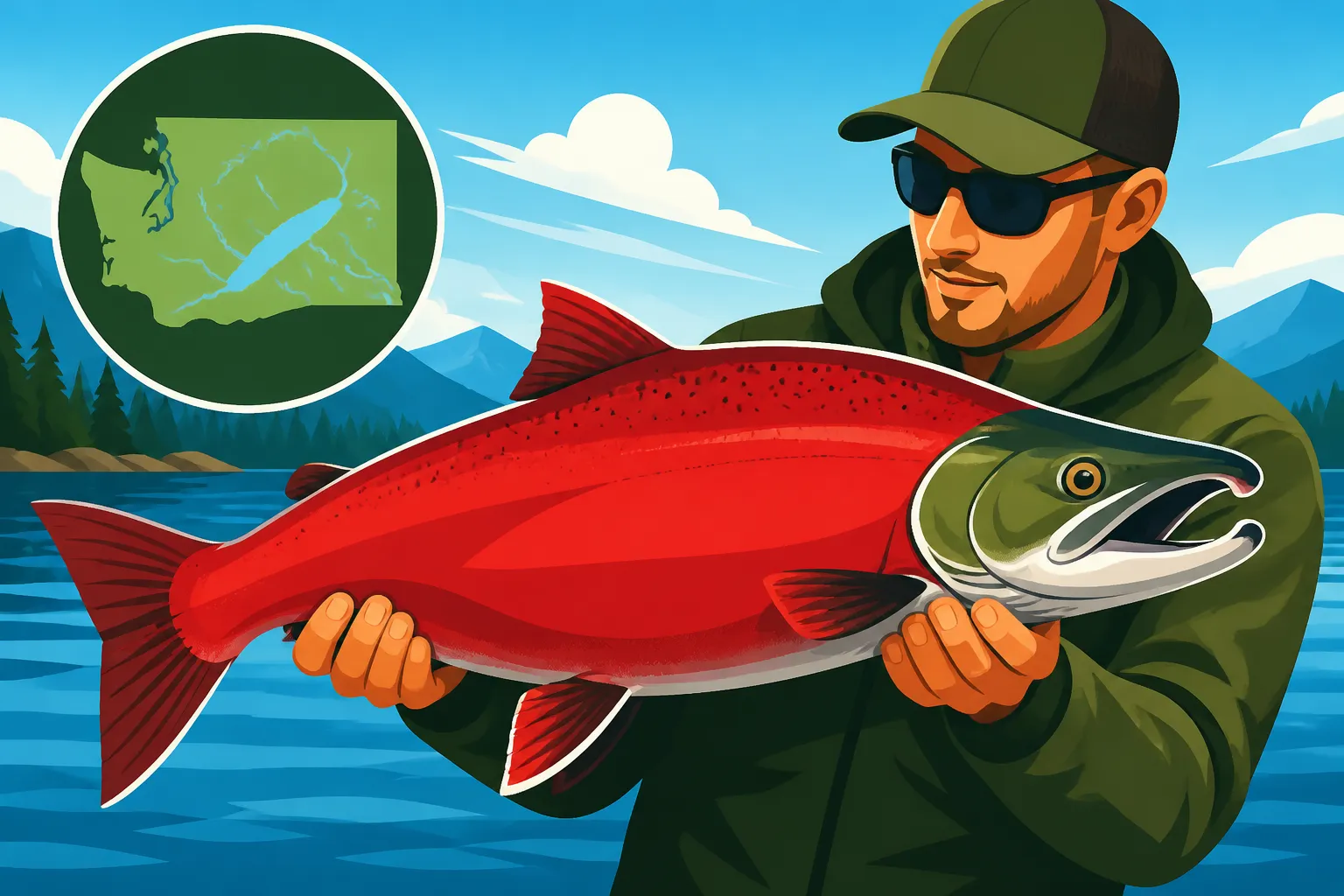
Generally speaking, Baker Lake sockeye salmon are a medium-sized salmon species, especially when compared to their larger Chinook cousins. Most anglers can expect to catch sockeye that average between 4 to 8 pounds. However, it's not uncommon to land fish that push into the 9 to 11-pound range, and occasionally, a true behemoth will surface, weighing upwards of 12 to 14 pounds. These larger fish are truly impressive specimens, often thicker and longer than the average.
Their length typically ranges from 20 to 28 inches, with the larger, heavier fish approaching or exceeding 30 inches. While a 14-pound sockeye might not sound like a "trophy" in the same way a 50-pound Chinook would, for sockeye, it's absolutely a fish to brag about. They are notoriously strong fighters, especially for their size, providing thrilling battles on lighter tackle. The firm, red flesh of these sockeye is also highly prized, making them a fantastic catch for the table. Knowing How Big Baker Lake Sockeye Get helps you prepare for the fight and the eventual meal!
Factors Influencing Sockeye Size
The size of sockeye salmon, like any wild fish, isn't a fixed measurement. Several factors contribute to how big these fish grow during their time in the ocean:
- Ocean Conditions and Food Availability: This is perhaps the most significant factor. The productivity of the North Pacific Ocean, including water temperature, upwelling, and the abundance of their primary food sources (like zooplankton), directly impacts how much sockeye can eat and how quickly they grow. Years with rich ocean pastures tend to produce larger, fatter fish. Conversely, poor ocean conditions can lead to smaller average sizes.
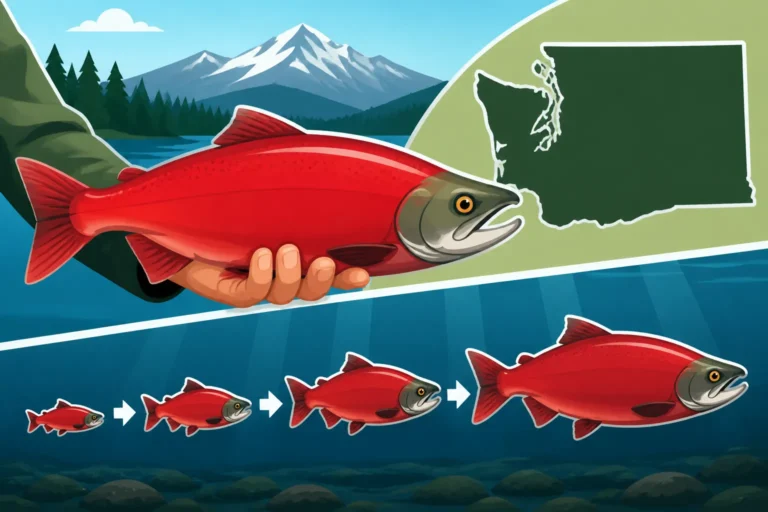
- Time Spent in the Ocean: Most Baker Lake sockeye spend two full years in the ocean before returning to spawn. However, some might spend three, and these "bonus year" fish are often the ones that achieve the larger, more impressive sizes. It's like an extra year of growth spurt!
- Genetics: While hatchery programs aim for consistency, natural genetic variation within the sockeye population can also play a role. Some fish are simply predisposed to growing larger than others, much like in any animal population.
- Run Timing: Sometimes, fish that return earlier or later in the run might exhibit slight differences in average size, though this is less pronounced than ocean conditions.
Understanding these variables helps manage expectations. One year might produce a run of generally smaller, lean fish, while the next could see a surge of impressive, portly sockeye. It's all part of the natural ebb and flow of the fishery.
Washington State Record and Notable Catches
While specific records for "Baker Lake Sockeye" aren't typically tracked separately from the broader "Sockeye Salmon" state record, it's worth noting that the Washington State record for sockeye salmon stands at an impressive 15 pounds, 5 ounces. This fish, caught in the late 1990s, serves as a benchmark for what sockeye can achieve in Washington waters. While it's a rare feat to catch a fish of that magnitude, it shows the potential.
The Baker Lake fishery consistently produces fish in the upper single digits and low double digits, making it one of the most reliable places in the state to target quality sockeye. Anglers who consistently follow the run, pay attention to fishery updates, and spend a lot of time on the water are often the ones who encounter these truly notable catches. It's a testament to patience, skill, and a bit of luck!
Preparing for Your Potential Trophy Sockeye
Landing a robust Baker Lake sockeye is a thrill, and once you do, you want to ensure you're ready to handle it properly, from the fight to the freezer. Having the right gear and knowledge is key.
Gear Considerations for Larger Fish
While sockeye are caught on relatively light tackle, especially when compared to Puget Sound Chinook, the potential for a larger fish means having reliable gear is a good idea. A medium-light to medium action rod paired with a reel spooled with 8-12 pound monofilament or braid (with a fluorocarbon leader) is standard. However, for those bigger sockeye, that extra bit of backbone in your rod and stronger line can make the difference between landing a fish and a heartbreaking break-off.
Consider investing in a quality net with rubberized mesh to protect the fish's slime coat if you're practicing catch and release, or to ensure a secure landing for a keeper. A decent pair of fish pliers or a hook remover is invaluable, and a fish bonker can humanely dispatch your catch. For keeping track of your impressive catch, a quality digital scale, easily found on Amazon, is a fantastic tool to have onboard. Don't forget your The Washington Catch Record Card and What It Requires and a waterproof pen to immediately record your catch.
| Aspect | Typical Baker Lake Sockeye (4-8 lbs) | Trophy Baker Lake Sockeye (9-14 lbs+) |
|---|---|---|
| Length | 20-26 inches | 26-30+ inches |
| Weight | 4-8 lbs | 9-14+ lbs |
| Fight | Strong, acrobatic, sustained runs | Even stronger, deeper runs, more power |
| Gear Req. | Medium-light rod, 8-10 lb line | Medium rod, 10-12 lb line (or braid) |
| Net Size | Standard salmon/trout net | Larger hoop salmon net recommended |
| Eating Quality | Excellent, firm, bright red flesh | Excellent, often fattier, richer |
Handling and Preserving Your Catch
Once you've landed that beautiful Baker Lake sockeye, especially one of the larger ones, proper handling is crucial to preserve its quality. If you intend to keep it, dispatch it quickly and humanely. Bleeding the fish immediately after catching, by cutting a gill arch, helps improve the flavor and flesh quality significantly. This process removes lactic acid and blood from the meat, resulting in a cleaner-tasting fillet.
Immediately place your bled sockeye on ice. A well-insulated cooler filled with a good ice-to-fish ratio is essential, especially on warm summer days. You want to cool the fish down as quickly as possible to prevent spoilage and maintain that vibrant red color and firm texture that sockeye are famous for. When you get home, process your fish promptly. Fillet, portion, vacuum-seal, and freeze for the best long-term preservation. You can also explore options like smoking or canning for a different culinary experience. Remember, you might need to carry Proof Your Fish Was Legally Caught when transporting your catch, so keep your license and catch record card handy!
The Baker Lake sockeye fishery is a vibrant and cherished tradition in Washington, offering not just a chance to catch salmon, but to connect with a unique conservation success story. While sizes vary, preparing for a potential double-digit sockeye can enhance your entire experience, from the moment you feel that powerful strike to the delicious meal you'll share with family and friends.
Disclaimer
This article is for general informational purposes only and does not constitute professional advice. Laws, prices and regulations vary by location and change over time. Consult a qualified professional for guidance on your specific situation.