When Sockeye Salmon Run at Washington’s Baker Lake
There's nothing quite like the anticipation of the annual sockeye salmon run at Baker Lake. It's a unique fishery in Washington, a jewel tucked away in the North Cascades, and it draws anglers from all over. But if you've ever tried to plan a trip, you know the timing can feel like a mystery wrapped in an enigma. When do they really show up? What influences their arrival? This guide is here to unravel those questions, helping you understand the rhythm of this remarkable run so you can plan your adventure with confidence.
Understanding the Unique Baker Lake Sockeye Run
The sockeye salmon run at Baker Lake isn't your typical ocean-to-river migration. It's a fascinating and somewhat engineered journey that makes these fish, and their timing, particularly special. You can't just expect them to show up on a calendar date; there's a whole system at play that impacts their arrival.
What Makes Baker Lake Sockeye So Special?
Unlike their ocean-bound cousins that might return to a variety of Washington rivers like the Columbia or Puget Sound tributaries, the Baker Lake sockeye are part of a very specific, managed fishery. These fish, while originating in the saltwater, return to the Baker River system, which has been significantly altered by hydroelectric dams. Their journey is one of perseverance and human intervention, making each successful run a testament to dedicated conservation efforts. They're often smaller than their ocean-rearing counterparts, but their vibrant red flesh and strong fight make them a prized catch. Understanding their unique life cycle, as detailed in articles like Sockeye Salmon at Washington's Baker Lake and Beyond, helps appreciate the effort behind this fishery.
Historically, sockeye have always returned to the Baker River system, but the construction of the Upper Baker and Lower Baker Dams by Puget Sound Energy (PSE) in the mid-20th century presented a massive challenge to their survival. Without intervention, these runs would have been decimated. The sockeye you fish for today are a result of decades of careful management, fish passage facilities, and a dedicated hatchery program. It's truly a collaborative effort that allows this unique opportunity to exist.
This distinct scenario means the timing of their return is influenced not just by natural factors like water temperature and river flow, but also by the operational schedule of the fish passage facilities. They aren't just swimming upstream uninterrupted; they're being actively collected and transported. This intricate dance between nature and engineering is what truly sets the Baker Lake sockeye apart and why their fishery is so closely monitored and regulated.
The Hydroelectric Connection and Fish Passage
The very existence of a fishable sockeye run at Baker Lake is thanks to an impressive fish passage system. When the adult sockeye return from the ocean, they swim up the Skagit River and then into the Baker River. Their journey hits a snag, quite literally, at the Lower Baker Dam near the town of Concrete. Here, a sophisticated trap system operated by Puget Sound Energy (PSE) with oversight from the Washington Department of Fish and Wildlife (WDFW) collects the returning sockeye.
Once trapped, these fish aren't released immediately into Baker Lake. Instead, they are transported via truck upstream, past both the Lower Baker and Upper Baker dams, directly into the serene waters of Baker Lake. This trucking operation is critical. It bypasses the impassable dams, allowing the sockeye to reach their spawning grounds in the lake's tributaries or to be utilized in the hatchery program for future generations. The timing of this trucking, and thus the availability of fish in the lake, is directly tied to when the fish are entering the traps at the lower dam.
This means that while the fish might be entering the Baker River system in good numbers, it takes time for them to be processed through the traps and then trucked to the lake. This creates a slight lag between when fish are counted at the trap and when they are actually available for anglers to target in the lake. It's a logistical ballet that makes predicting the exact "start" of the fishery in Baker Lake itself a little more complex than just watching river flows.
General Timing: A Broad Overview
Generally speaking, the Baker Lake sockeye run is considered a late summer, early fall fishery. You'll typically see the first whispers of activity in early July, with the main body of the run building throughout August. By September, the numbers usually start to taper off, although some fish can still be present. This broad window is a good starting point for planning, but it's crucial to remember that "general" doesn't mean "exact."
The run timing can shift year to year based on a variety of environmental factors. A cooler spring might delay the initial push, while warmer river temperatures could accelerate it. The run is highly dependent on river conditions in the Baker and Skagit systems, which dictate when the sockeye feel comfortable moving upstream. This variability is why relying solely on historical averages isn't enough; you need to keep an eye on real-time data, which we'll discuss later.
Think of it like this: the sockeye have an internal clock, but external factors act as snooze buttons or alarm bells. Their instinct tells them when to return, but river flows, water temperatures, and even ocean conditions influence the speed and timing of their actual arrival at the fish traps. This dynamic interplay makes the Baker Lake sockeye run one of the most exciting, yet challenging, fisheries to predict accurately.
Pinpointing Peak Season: The Prime Window
When you're trying to hit the Baker Lake sockeye run at its prime, you're looking for that sweet spot where fish numbers are high, and they're actively biting. This usually falls within a specific window, but it's not a rigid schedule.
Key Factors Influencing the Sockeye Arrival
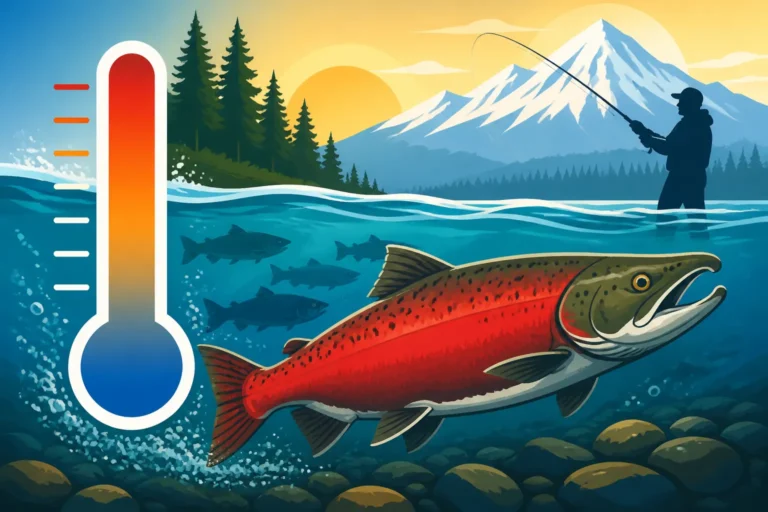
The arrival of sockeye at the Lower Baker Dam traps, and subsequently in Baker Lake, is influenced by several critical environmental and operational factors. Firstly, water temperature in the lower Skagit and Baker rivers plays a huge role. Sockeye prefer cooler water for their upstream migration. If river temperatures are too warm, they might "stage" in cooler sections of the lower river or even in Puget Sound, delaying their push. Conversely, a sustained period of cooler weather and river flows can encourage a stronger, earlier push.
Secondly, river flows in the Baker River are important. Higher flows, especially after summer rains, can help draw fish upstream and provide easier passage. However, extremely high or "blown out" conditions can also make fishing difficult or even unsafe. The WDFW closely monitors these conditions. Lastly, the WDFW's projections and the actual fish counts at the traps are the most direct indicators. WDFW biologists use historical data, ocean abundance forecasts, and in-season trap counts to estimate the total return and adjust fishing regulations accordingly. When those trap numbers start to climb, you know the main body of the run is arriving.
It's a delicate balance. Too much sun, and the rivers get warm. Too little rain, and flows drop. The ideal scenario is consistent, moderate temperatures with stable river flows that facilitate a steady migration. The state of the ocean also plays a part; years with strong upwelling and good forage often lead to healthier, more abundant returns. This combination of factors makes each season unique, which is why it's so important to monitor multiple sources of information as the season approaches.
The Typical Peak: Late July Through August
Based on historical data and the biological rhythm of these fish, the typical peak of the Baker Lake sockeye run usually occurs from late July through the entire month of August. This is the period when the highest numbers of sockeye are counted at the Lower Baker Dam traps and, subsequently, when they are being trucked into Baker Lake in the largest quantities. If you're planning a trip, aiming for this window gives you the best statistical chance of encountering robust numbers of fish.
During this peak period, the lake can get quite busy, especially on weekends. Anglers from all over Washington, and even beyond, converge on Baker Lake, eager to fill their coolers with these prized salmon. The early mornings and late evenings often see the most intense action, as sockeye can be light-sensitive and feed more aggressively during lower light conditions. This is when you'll see a flurry of activity from boats, with downriggers set and rods popping.
Ideal conditions during this peak usually involve stable, sunny weather, but not excessively hot, which keeps the lake water comfortable for the sockeye. Light winds are also a blessing, making it easier for anglers to maintain their trolling patterns and feel subtle bites. While August is generally considered the sweet spot, paying attention to the weekly WDFW updates during this month is crucial, as the exact week of peak abundance can still fluctuate slightly year to year. For those interested in the full scope of various Washington fisheries, checking Washington Fishing Seasons: A Month-by-Month Guide can provide broader context.
Early Arrivals and Late Stragglers
While late July and August represent the peak, the sockeye run isn't a single, sudden event. There are always early arrivals and late stragglers that extend the window of opportunity. You might find a few intrepid sockeye showing up at the Lower Baker Dam traps as early as the first or second week of July. These early birds are often fewer in number, but they can provide exciting opportunities for those who like to try their luck before the crowds descend.
Conversely, the run doesn't simply vanish on September 1st. You'll often find late stragglers lingering into the first couple of weeks of September, sometimes even later, depending on the strength of the overall run and environmental conditions. These fish might be a bit more lethargic or "colored up" (showing spawning colors), but they are still catchable. Fishing during these shoulder seasons can be a rewarding experience, often with fewer boats on the water, offering a more peaceful angling experience.
However, fishing later in the season requires even more diligence in checking regulations. As the run tapers off, WDFW might adjust bag limits or even close the fishery to ensure enough fish make it to the spawning grounds. This makes constant monitoring of official updates absolutely essential, even more so than during the peak. Don't assume the rules remain static throughout the entire run.
Monitoring the Run: Staying Ahead of the Curve
In a dynamic fishery like Baker Lake sockeye, staying informed isn't just helpful, it's essential for success and compliance. Relying on outdated information can lead to missed opportunities or, worse, unintended violations.
Official WDFW Resources and How to Use Them
When it comes to the Baker Lake sockeye run, your absolute best friend is the Washington Department of Fish and Wildlife (WDFW) website. They are the official source for all things related to fish passage, run forecasts, and most critically, in-season rule changes. You'll want to regularly check their "fishing rule changes" section, which often contains emergency rules specific to Baker Lake. These can dictate everything from daily bag limits to gear restrictions or even unexpected closures. Articles like Emergency Rule Changes: Why Washington's Rules Shift Mid-Season explain why these changes occur and how quickly they can happen.
Beyond emergency rules, the WDFW also publishes weekly or bi-weekly "fish counts" for the Baker River system. These reports detail the number of sockeye salmon that have entered the fish traps at the Lower Baker Dam and subsequently been trucked to Baker Lake. Watching these numbers trend upward is your best indication that the run is building. They might also provide forecasts for peak timing. Learning Where Washington Posts Fishing Rule Changes is invaluable for any angler in the state. Don't just skim these updates; read them thoroughly, as a small detail can have a big impact on your fishing plans.
Another key resource is the WDFW's annual Fishing Regulation Pamphlet. While the online updates are for real-time changes, the pamphlet provides the baseline regulations for the season. Always cross-reference the pamphlet with the most current online emergency rules. There's nothing worse than showing up excited to fish only to find the rules have changed since you last checked. It’s a responsibility every angler shares to stay informed.
Social Media and Local Forums
Beyond the official channels, many dedicated anglers turn to social media groups and online fishing forums for real-time, ground-level intelligence. Groups focused on Washington fishing, or specifically the Skagit/Baker Lake area, can be goldmines of information. You'll see reports of success (or lack thereof), discussions about water conditions, and even photos of recent catches. This peer-to-peer sharing can give you a feel for how the fishing is actually going, which sometimes lags behind official fish counts.
However, a word of caution: always take information from social media and forums with a grain of salt. While many anglers are honest and helpful, not all information is accurate, and it's easy for rumors or misinterpretations to spread. Always use these sources as a supplement to, never a replacement for, official WDFW updates. If something sounds too good to be true, it probably is, or it might be based on outdated information.
Think of it as crowdsourcing intel. It can provide a quick snapshot of current conditions and general sentiment, but for definitive legal and safety information, always revert to WDFW. Forums are also great for asking questions about specific techniques or access points, leveraging the collective experience of the angling community. Just remember the core rule: if WDFW hasn't said it, verify it.
Consulting Local Tackle Shops and Guides
For the most up-to-date, hyper-local information, nothing beats a visit or call to the tackle shops in towns like Concrete, Sedro-Woolley, or even further afield in Burlington. These shop owners and employees are often avid anglers themselves, and they hear reports from dozens of people every day. They know what's biting, what gear is working, and sometimes even have insights into upcoming rule changes before they're widely publicized. They're on the pulse of the local fishing scene.
Local fishing guides who specialize in the Baker Lake sockeye fishery are another excellent source. They spend countless hours on the water and often have direct communication with WDFW personnel regarding run status. While they won't give away all their secrets, a quick phone call or a visit to their website might offer current conditions and insights into booking availability, which often indicates how busy the fishery is. Guides are paid to put people on fish, so their knowledge is usually top-notch and current.
These local businesses thrive on providing accurate information and the right gear, so they have a vested interest in being helpful. When you stop by, be respectful, consider making a small purchase, and don't expect them to spoon-feed you every secret spot. They're a community resource, and supporting them helps keep the local fishing scene vibrant. Their perspective can often bridge the gap between official data and the reality of fishing on a given day.
Gear and Techniques for Baker Lake Sockeye Success
Once you have a handle on the timing, it’s time to think about what you’ll need and how you’ll catch these feisty red salmon. Sockeye are often described as having "paper mouths," meaning they can be a bit delicate, so proper gear and technique are key.
Essential Gear for Sockeye Fishing
Successfully targeting sockeye at Baker Lake requires a specific setup. For rods, a moderate-action rod in the 8.5 to 9.5-foot range, rated for 8-15 lb line, is generally ideal. This length helps with line management and cushion for those soft sockeye mouths. Pair this with a reliable baitcasting or level-wind reel spooled with 20-30 lb braided mainline. Braid has no stretch, offering excellent sensitivity for detecting subtle bites, which can be crucial for sockeye.
The business end of your line will require a good fluorocarbon leader, typically 10-15 lb test, known for its invisibility in water. As for terminal tackle, dodgers or flashers are absolutely essential to attract sockeye from a distance. These create vibration and flash that mimic fleeing baitfish. Behind the attractor, you'll attach your lure: small, brightly colored wedding ring spinners, typically in pink, red, or orange, or specialized sockeye flies/jigs are the go-to choices. These are often tipped with a piece of coon shrimp or a scented gulp worm for added attraction.
You might also consider downriggers if you're trolling from a boat, as sockeye often hold at specific depths. If you don't have downriggers, leaded line or banana weights can help you get your offering down. Many of these specialized items, from fluorocarbon leaders to a variety of dodgers and wedding rings, can be easily found and ordered online through retailers like Amazon, ensuring you have the right colors and sizes for the season. Remember, presentation is everything with sockeye, so having a selection of sizes and colors for your lures is always a good idea.
Popular Sockeye Techniques at Baker Lake
There are two primary techniques that dominate the Baker Lake sockeye fishery: trolling and jigging. Trolling is by far the most popular method from a boat. Anglers use downriggers, leaded line, or inline weights to get their dodger-and-lure combinations down to the desired depth. The key here is maintaining a very specific, slow trolling speed, often between 1.0 and 1.5 miles per hour. Sockeye are filter feeders and tend to strike when the lure is moving just fast enough to impart action to the dodger and spinner, but not so fast that it appears unnatural.
The motion of the dodger is crucial – it should wobble or kick, giving the trailing lure an enticing, erratic action. Many anglers run multiple rods with different dodger/lure combinations and depths until they find what the fish are keying in on. Communication with other boats can also be helpful; if one boat is consistently catching, they might be on the right depth or using a successful color.
Jigging can also be effective, particularly when fish are schooling or if you're targeting them from a stationary boat or even from certain bank access points (though boat fishing is predominant). Small, brightly colored jigs (often referred to as sockeye jigs) are dropped to the fish's depth and then "jigged" with a rhythmic lift-and-drop motion. This method requires a good fish finder to locate schools of sockeye. The key is to be right in their face and trigger a reaction strike. While the principles are similar, specific techniques for jigging in lakes for species like sockeye are discussed in detail in resources such as Jigging for Kokanee in Washington Lakes.
Important Considerations: Depth and Speed
When fishing for sockeye, especially when trolling, depth and speed are paramount. Sockeye often school at very specific depths within the water column, often related to water temperature, light penetration, and the presence of their preferred food source (plankton). A difference of just a few feet can be the difference between a hot bite and an empty boat. This is where a reliable fish finder becomes an invaluable tool, allowing you to mark schools of fish and then adjust your gear to present your lures at their exact depth. Without a fish finder, you're essentially guessing, which can be frustrating.
Trolling speed is equally critical. Sockeye are not typically aggressive predators chasing down fast-moving prey. Instead, they are more likely to strike a lure that moves slowly and rhythmically, appearing to be an easy meal. As mentioned, 1.0 to 1.5 mph is a good starting point, but you might need to adjust slightly up or down to find the "sweet spot" on any given day. Factors like current, wind, and even the specific lure you're using can influence the optimal speed. Pay attention to how your dodger and lure are performing in the water at different speeds; they should have a consistent, enticing action. If you're struggling to find the right depth or speed, articles like How Deep to Troll for Summer Kokanee offer general insights that can be adapted for sockeye.
Anglers often experiment with different depths and speeds until they start getting bites. Once you find that magic combination, try to replicate it across all your lines. It's not uncommon for a "hot" depth to shift throughout the day, so remain adaptable. Don't be afraid to make small adjustments; sometimes a slight increase or decrease in speed, or dropping your lure just a few feet deeper, can turn a slow day into a productive one.
Regulations and Responsible Fishing
Fishing for Baker Lake sockeye is a privilege, and it comes with responsibilities. Understanding and adhering to the specific regulations is non-negotiable, and practicing ethical angling ensures the sustainability of this unique fishery for years to come.
Understanding Baker Lake Specific Rules
The Baker Lake sockeye fishery often has specific regulations that differ from other salmon fisheries in Washington. These rules are designed to manage a finite return of fish and ensure adequate escapement for spawning. Common special rules can include specific daily bag limits (often fewer than for other salmon species), unique retention rules (e.g., only fin-clipped hatchery sockeye may be retained, though Baker Lake sockeye are typically not clipped due to the fish passage system), and sometimes even gear restrictions like a single-point hook rule. It is absolutely crucial to check the latest WDFW emergency rules specifically for Baker Lake before every trip.
The daily bag limit for sockeye can vary significantly year to year, depending on the forecasted return and the in-season counts. It’s imperative to know the precise number of sockeye you are legally allowed to keep each day. These limits are in place to ensure a healthy population, and exceeding them carries stiff penalties. For a more general understanding of how these limits work across different species, refer to How Bag and Possession Limits Work in Washington. Always remember that possession limits (the total number of fish you can have in your possession at home) may also apply, though daily limits are usually the most pressing concern for a single fishing trip.
Beyond daily limits, pay attention to any size restrictions or other specific rules for sockeye. While Baker Lake sockeye don't typically have minimum size limits, some salmon fisheries do. It's your responsibility as an angler to know these details. The WDFW regulations are comprehensive, but you need to read the sections pertaining directly to Baker Lake sockeye.
Catch Record Cards and Reporting
Every angler who keeps a salmon or steelhead in Washington, including sockeye from Baker Lake, is required to possess and correctly fill out a Catch Record Card (CRC). This isn't just a formality; it's a vital tool for WDFW biologists to monitor harvest rates, assess the health of fish runs, and make informed management decisions for future seasons. Without accurate data from CRCs, the department cannot effectively manage these precious resources.
When you retain a sockeye, you must immediately (before continuing to fish) record the date, species (sockeye), and area (usually Marine Area 7 for Baker Lake, though confirm this in the regulations) on your CRC. You also need to punch out the corresponding month and day. Failure to properly fill out your CRC can result in a fine, even if you are otherwise fishing legally. Many anglers purchase their fishing licenses and CRCs together, often online through the WDFW licensing system, or at authorized vendors like sporting goods stores. The intricacies of this system are well explained in The Washington Catch Record Card and What It Requires.
Remember, you must return your Catch Record Card to WDFW by the specified deadline, typically January 31st, even if you didn't catch any fish. This reporting is essential for conservation. Electronic Catch Record Cards are also available via the Fish Washington app, offering a convenient digital alternative. Whether paper or electronic, accurate and timely reporting is a crucial part of responsible angling that directly impacts the future of fisheries like the Baker Lake sockeye.
Conservation and Ethical Angling Practices
Beyond legal compliance, ethical angling practices are paramount when fishing for Baker Lake sockeye. This includes handling fish properly, minimizing waste, and respecting the environment and other anglers. If you're practicing catch-and-release (perhaps targeting other species or if you've hit your limit), make sure to release fish quickly and gently, minimizing their time out of water. Use barbless hooks, which are often required for salmon and steelhead in many Washington waters, as they reduce harm to released fish.
Conservation also extends to preventing waste. It is illegal in Washington to waste a legally caught fish. This means if you keep a sockeye, you should plan to utilize its meat for consumption. This aligns with the principle of ethical harvesting and appreciation for the resource. Be mindful of your impact on the lake environment. Pack out all your trash, including fishing line scraps, bait containers, and any other litter. Leaving no trace ensures that Baker Lake remains pristine for everyone to enjoy.
Finally, show courtesy and respect to your fellow anglers. Baker Lake can get crowded during the peak sockeye run, especially at popular launch sites and fishing areas. Maintain respectful distances from other boats, avoid cutting off other anglers' trolling paths, and keep noise levels down, particularly during early morning hours. A little courtesy goes a long way in ensuring everyone has an enjoyable and successful day on the water.
Planning Your Baker Lake Sockeye Adventure
A successful sockeye trip to Baker Lake involves more than just knowing when the fish are running and what gear to use. It's about planning the logistics of your journey to ensure a smooth and enjoyable experience.
Access Points and Facilities
Baker Lake, located in the Mt. Baker-Snoqualmie National Forest, offers several access points, primarily for boaters. The most popular boat launch is at Swift Creek Campground and Boat Launch, on the east side of the lake. It’s a well-maintained facility, but during the peak sockeye season, it can get incredibly busy, with long lines to launch and retrieve boats, especially on weekends. Arrive very early if you want to secure a good parking spot and avoid excessive waits.
Another option is the Horseshoe Cove Boat Launch, located further north on the lake. While it might offer a slightly different fishing experience due to its location, it can also provide an alternative during crowded periods. Both launches typically have restrooms, but amenities are otherwise fairly basic as you'd expect in a National Forest. Always check the Forest Service website or call ahead for current conditions, potential closures, or fees, as these can change season to season. There are also several campgrounds around the lake for those looking to make a multi-day trip out of their sockeye adventure.
Bank fishing opportunities on Baker Lake are much more limited due to the steep terrain and private property. While there might be a few small spots, the vast majority of successful sockeye fishing on Baker Lake is done from a boat. If you plan to fish from shore, research specific public access points beforehand, and be prepared for potentially challenging terrain.
Accommodations and Local Services
If you're coming from out of the area and planning to stay for more than a day, there are several accommodation options available in the nearby towns. Concrete, a small town on Highway 20, is the closest community to Baker Lake and offers a few motels, cabin rentals, and local eateries. It's a great base for anglers, providing easy access to the lake and local services. Further west on Highway 20, you'll find larger towns like Sedro-Woolley and Burlington, which offer a wider selection of hotels, restaurants, grocery stores, and sporting goods shops where you can pick up any last-minute gear or bait.
Booking accommodations well in advance, especially for the peak sockeye season in July and August, is highly recommended. These small towns can fill up quickly, and last-minute options might be scarce or more expensive. Beyond traditional lodging, consider checking vacation rental sites for private cabins or homes in the area, which can be great for groups or families.
For any specific needs, from fishing licenses to bait or even ice for your cooler, make sure you know where the local tackle shops and grocery stores are located. While you can purchase a variety of fishing supplies, including specialized sockeye gear, through retailers like Amazon before your trip, having access to local shops for fresh bait or emergency repairs can be a lifesaver.
Weather Preparedness
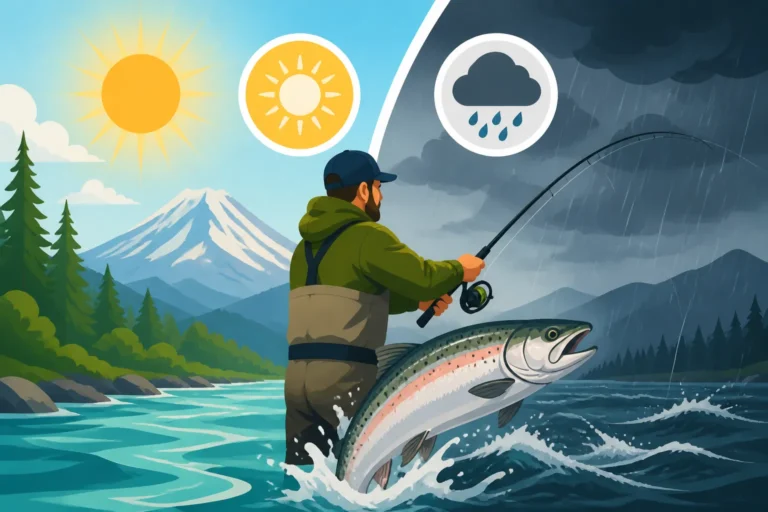
The weather in the North Cascades, even in summer, can be unpredictable. A beautiful sunny morning can quickly turn into a blustery, rainy afternoon. Being prepared for all conditions is crucial for a safe and comfortable trip. Layering is key. Start with moisture-wicking base layers, add insulating mid-layers, and top it off with waterproof and windproof outer shells. Good quality rain gear is non-negotiable – a sudden downpour on the lake can be miserable without it.
Don't forget sun protection, even on cloudy days. UV rays reflect off the water, so sunscreen, a wide-brimmed hat, and polarized sunglasses are essential. Sunglasses also help with spotting subtle bites and reading the water. On the flip side, bringing warm gloves and a beanie can be a godsend during chilly early morning boat rides. Packing extra changes of clothes is always a smart move, especially if you're prone to getting wet.
Check the marine weather forecast specifically for Baker Lake (if available) or the surrounding mountain areas before you head out, and continue to monitor it throughout your day. Wind can quickly make the lake choppy and uncomfortable, even dangerous for smaller boats. Being aware of changing conditions allows you to make informed decisions about when to head in or adjust your fishing plans. A little preparation goes a long way in ensuring your Baker Lake sockeye adventure is memorable for all the right reasons.
Disclaimer
Fishing conditions and regulations in Washington State can change rapidly due to emergency rule changes, in-season adjustments, and environmental factors. While this guide provides comprehensive information, it is not a substitute for checking the most current regulations directly from the Washington Department of Fish and Wildlife (WDFW) website or official pamphlet before embarking on any fishing trip. Always prioritize safety and legal compliance.