Why Did WDFW Close Steelhead Fishing on the Sol Duc?
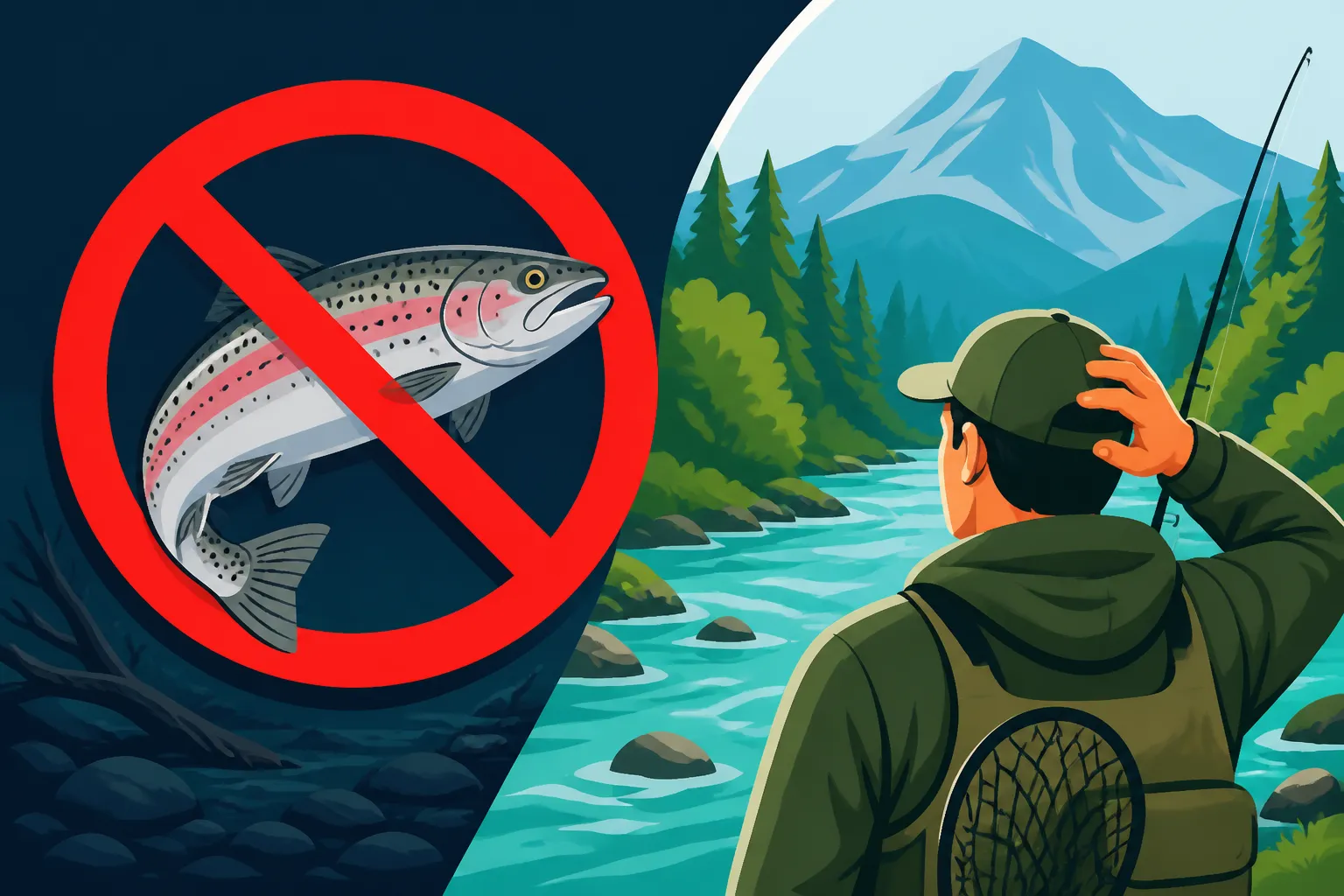
There's nothing quite as disheartening as planning a cherished fishing trip, perhaps even driving hours to your favorite river, only to discover that it's suddenly closed to fishing for your target species. Many anglers, especially those targeting the magnificent steelhead on the Olympic Peninsula, have felt this sting, particularly when the Washington Department of Fish and Wildlife (WDFW) announces unexpected closures, like those sometimes seen on the Sol Duc River. This guide will walk you through the complex reasons behind such decisions, helping you understand why WDFW might close steelhead fishing on a river like the Sol Duc, and what it means for you as an angler.
The Frustration of Sudden Closures and WDFW's Role
For many of us, fishing is more than just a hobby; it's a way of life, a connection to nature, and a treasured tradition. When WDFW announces an in-season closure, especially for a highly anticipated fishery like winter steelhead on a legendary river, it can feel like a punch to the gut. All that planning, the gear preparation, the anticipation – suddenly put on hold. It's frustrating, often confusing, and sometimes feels unfair. However, it's crucial to remember that these decisions, while impactful, are made with the long-term health of our fish populations, and thus our future fishing opportunities, in mind. The WDFW's primary mandate is to manage the state's fish and wildlife resources for their perpetuation and for the maximum public benefit, and sometimes, that means making tough calls to protect vulnerable species.
Why Emergency Rules Are Necessary
Imagine a situation where a river's fish population is facing unforeseen challenges – perhaps unusually warm water temperatures are stressing fish, or a devastating flood has impacted spawning grounds, or, most commonly, fewer fish are returning than expected. These are not things that can be predicted with 100% accuracy months in advance when annual regulations are set. That's where "Emergency Rule Changes: Why Washington's Rules Shift Mid-Season" come into play. WDFW's biologists and managers are constantly monitoring conditions and fish returns. If data indicates that a fishery is impacting a stock more severely than anticipated, or if a critical threshold for conservation is about to be breached, they must act swiftly.
These emergency rules are a vital tool in adaptive management, allowing the department to respond to real-time biological needs rather than being locked into outdated seasonal forecasts. While inconvenient for anglers, these rapid adjustments are often the only way to prevent severe, long-lasting damage to a fishery, which could result in even longer closures or irreversible decline. It’s a delicate balancing act, trying to provide fishing opportunities while ensuring the survival of future generations of fish.
The Weight of Steelhead Conservation
Steelhead, particularly the wild winter runs found on the Olympic Peninsula rivers like the Sol Duc, hold a special place in the hearts of many Washington anglers. These iconic fish, often described as "Steelhead: Washington's Ocean-Run Rainbow Trout", undertake incredible journeys from the ocean back to their natal streams to spawn. However, wild steelhead populations across the Pacific Northwest have faced significant declines due to a myriad of factors, including habitat loss, hydropower development, climate change, and past overfishing. Many populations are listed under the Endangered Species Act (ESA) or are considered at-risk.
Because of their vulnerable status, WDFW bears a heavy responsibility to protect these fish. This often means that wild steelhead are managed with extreme caution. When returns are low, even a small amount of fishing pressure can have a disproportionately large impact on the spawning population. Therefore, closures are not just about limiting catch; they are about ensuring enough fish make it to the spawning grounds to sustain the species for generations to come. This commitment to conservation is why you'll often see stringent "Wild Steelhead Release Rules on Washington's Olympic Peninsula Rivers" even when fisheries are open, and why closures become necessary when those rules aren't enough to meet escapement goals.
Deciphering the Sol Duc Steelhead Closure
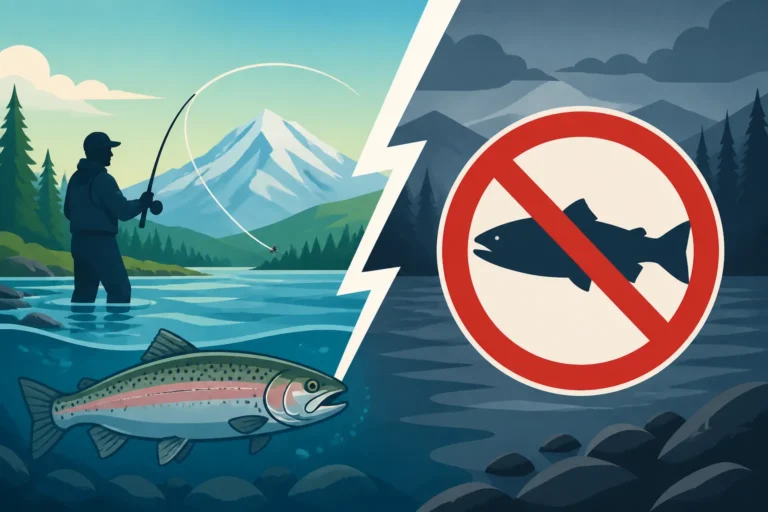
When WDFW makes the difficult decision to close a river like the Sol Duc to steelhead fishing, it's almost always a direct response to data indicating that the wild steelhead population is in peril. The Sol Duc, a magnificent river flowing through the Olympic National Forest, relies heavily on strong returns of wild winter steelhead to sustain its runs. When those returns falter, immediate action is required.
Low Run Forecasts and Returns
The most common reason for a steelhead closure on a river like the Sol Duc is critically low run forecasts and, subsequently, poor actual returns of fish to the river. Before each fishing season, WDFW biologists use a variety of data points – historical run sizes, ocean conditions, prior year's spawning success, and early season test fishery results – to forecast how many fish are expected to return. Based on these forecasts, seasons and bag limits are established, attempting to allow for fishing while ensuring that "escapement goals" (the number of fish needed to successfully spawn and perpetuate the run) are met.
However, nature is unpredictable. Sometimes, the actual number of fish that show up at the river mouth and move upstream is far less than what was forecast. This could be due to harsh ocean conditions, disease, predation, or a multitude of other environmental factors. When biologists see these actual returns falling significantly short of the escapement goals, and certainly when they drop below a critical conservation threshold, WDFW has no choice but to implement emergency closures. This prevents further harvest or even accidental mortality from catch-and-release fishing, giving every possible wild steelhead the chance to spawn. This is precisely how "How Washington's WDFW Sets In-Season Emergency Rules" plays out in real-time.
Protecting Wild Broodstock
Beyond simply meeting escapement goals, WDFW closures are often specifically aimed at protecting wild broodstock. These are the native, naturally spawning fish that carry the genetic diversity and adaptations crucial for the long-term survival of the population. Unlike hatchery-raised steelhead, which are bred in controlled environments and often clipped (adipose fin removed) for identification, wild steelhead are the backbone of the river's natural ecosystem. Protecting them is paramount.
When a river like the Sol Duc experiences an especially weak wild steelhead return, every single wild fish becomes incredibly valuable. Closures are put in place to ensure that these precious wild broodstock can complete their journey, spawn successfully, and contribute their genetics to the next generation without any human-induced interference. Even if a fishery is primarily catch-and-release, there is always a small percentage of post-release mortality, which can add up when numbers are critically low. Therefore, a full closure, even to catch-and-release, becomes a necessary measure to provide maximum protection for the most vulnerable fish. It’s a harsh reality, but one that underscores the WDFW’s dedication to sustaining these incredible natural resources.
What Anglers Can Do During a Sol Duc Closure
A closure on your favorite river can be disappointing, but it doesn't mean your fishing season is over. It's an opportunity to adapt, explore, and even contribute to conservation.
Checking for Current Regulations and Openings
The most important thing any angler can do is to stay informed. Regulations in Washington, especially for sensitive species like steelhead, can change quickly. Never assume that the rules you read last month are still in effect today. Always check the very latest information before heading out.
WDFW provides several resources for current regulations:
- WDFW Website: The official WDFW website has a dedicated emergency rule change page. This is usually updated daily, sometimes multiple times a day, during periods of flux.
- Fish Washington App: If you’re a tech-savvy angler, the Does Washington Have a Mobile Fishing License App? or the What the MyWDFW App Is Used For can provide real-time updates directly to your phone.
- Sport Fishing Regulations Pamphlet: While great for overall season structures, always cross-reference it with online emergency rules. You can also learn a lot by "Reading the Washington Sport Fishing Regulations Pamphlet".
- Local Tackle Shops: Often, the staff at local bait and tackle stores are the first to know about local closures and openings. They live and breathe fishing, and many shops post WDFW updates right on their doors.
Staying on top of these resources is not just good practice; it's a legal requirement. Fishing in a closed area, even unknowingly, can lead to significant fines and penalties.
Exploring Alternative Fisheries
Just because one river or one species is closed doesn't mean all fishing in Washington has ceased! This vast state offers an incredible diversity of angling opportunities. If the Sol Duc is closed for steelhead, consider turning your attention to other options:
- Trout Lakes: Many lakes across Washington are stocked year-round with rainbow trout, offering fantastic opportunities for anglers of all skill levels. This could be a perfect chance for a family outing.
- Other Steelhead Rivers: While the Sol Duc might be closed, other rivers, particularly those with strong hatchery programs or different run timing, might still be open. Check out "The Best Steelhead Rivers in Washington" or explore options like the Cowlitz River or Lewis River, which often have robust hatchery winter steelhead programs. Just be sure to verify their specific regulations.
- Saltwater Options: If you're on the Olympic Peninsula, you're not far from saltwater opportunities. Consider bottom fishing for lingcod or rockfish in Puget Sound or coastal areas, or target salmon if seasons are open. Make sure you understand the regulations for "Puget Sound Salmon Closures: What Washington Anglers Need to Know".
- Warmwater Fish: Eastern Washington offers phenomenal fishing for smallmouth bass, largemouth bass, walleye, and panfish in lakes like Banks Lake or Potholes Reservoir. This is a completely different style of fishing that can be incredibly rewarding.
This is also a good time to visit your local tackle shop or even browse online retailers like Amazon for different types of fishing gear you might need for these alternative species. You might find a new favorite rod or a different set of lures to broaden your angling horizons.
Supporting Conservation Efforts
While a closure is frustrating, it’s a stark reminder of the fragile nature of our wild fish populations. Anglers play a critical role in conservation, not just by adhering to regulations, but by actively supporting efforts to protect and restore fish habitats.
Here are a few ways you can contribute:
- Volunteer: Look for local conservation groups or watershed councils working on habitat restoration projects in areas like the Sol Duc. Planting trees, cleaning up riverbanks, or assisting with fish counts can make a real difference.
- Educate Yourself and Others: Understand the science behind the closures and share that knowledge responsibly. Misinformation can be as damaging as direct habitat destruction.
- Support WDFW: While we often criticize WDFW, they are the boots on the ground doing the science and management. Participating in public comment periods, understanding their rationale, and generally supporting their conservation efforts can be valuable.
- Responsible Angling: Even when a fishery is open, practice responsible angling. Use appropriate gear, handle fish gently for release, and be meticulous about recording your catch on your "The Washington Catch Record Card and What It Requires". Consider buying a quality catch-and-release net, often available on Amazon, to minimize harm to fish.
- Purchase Licenses and Endorsements: Your fishing license dollars directly fund WDFW's conservation and management programs. Every time you purchase a license, you're investing in the future of Washington's fisheries. Remember, even if you plan for "Do You Need a License for Catch-and-Release Only?", the answer is almost always yes.
By understanding the reasons behind closures and channeling your passion for fishing into productive actions, we can all contribute to healthier fish populations and, hopefully, more open seasons in the future.
Understanding WDFW Fishery Management Triggers
| Management Trigger | Description | Common Impact on Fisheries | Example Species/Context |
|---|---|---|---|
| Low Run Forecasts | Pre-season predictions indicate insufficient fish returns to meet escapement goals or allocation agreements. | Reduced seasons, lower bag limits, or pre-emptive closures. | Early season steelhead forecasts. |
| In-Season Actual Returns | Real-time monitoring (e.g., test fisheries, dam counts) shows actual returns are significantly below forecast. | Emergency in-season closures or drastic rule changes. | Sol Duc wild steelhead returns. |
| Habitat Conditions | Environmental factors like extreme low flows, high water temperatures, or pollution create stress on fish. | Hoot owl restrictions (morning-only fishing), full closures. | Drought conditions affecting salmon streams. |
| Conservation Concerns | Specific stocks are listed under ESA or identified as critically vulnerable, requiring maximum protection. | Wild fish release rules, barbless hook requirements, or full closures for wild fish. | Bull trout, specific wild steelhead runs. |
| Allocation Agreements | Need to ensure sufficient fish pass to upriver fisheries or to tribal allocations as agreed upon. | Specific time/area closures to manage catch distribution. | Columbia River salmon fisheries. |
| Escapement Goals | The number of fish needed to reach spawning grounds to ensure future generations. | Closures implemented if escapement is not projected to be met. | All salmon and steelhead runs. |
Disclaimer
Please note that fishing regulations in Washington are dynamic and subject to frequent change. Always consult the official Washington Department of Fish and Wildlife (WDFW) website or the current fishing regulations pamphlet before engaging in any fishing activity. This article provides general information and should not be considered a substitute for official WDFW regulations.