How to Check for Emergency Rule Changes in Washington
There's nothing quite like planning a long-awaited fishing trip to one of Washington's incredible rivers or Puget Sound, meticulously checking the regulations, buying your bait, and getting all your gear ready… only to show up and find out that an emergency rule change has completely altered your plans, or worse, closed the fishery you were targeting. It’s a frustrating reality for anglers in the Evergreen State. This comprehensive guide is here to cut through that confusion, showing you exactly how and where to check for those crucial, often sudden, emergency rule changes in Washington, ensuring your next outing isn't a bust.
Understanding the Necessity of Emergency Fishing Rules
Before we dive into how to check for changes, it’s helpful to understand why the Washington Department of Fish and Wildlife (WDFW) even implements these emergency rules. It’s easy to feel like they’re just trying to make our lives harder, but the truth is, these changes are almost always driven by critical conservation needs or unexpected environmental factors. Washington's fisheries are dynamic, and what looks good on paper at the beginning of the year can change rapidly due to a myriad of reasons.
Think about it: fish runs might come back much stronger or weaker than predicted. Water levels on rivers like the Cowlitz or the Skagit can fluctuate wildly with snowmelt and rain, affecting fish migration or making them vulnerable. Ocean conditions might shift, impacting salmon abundance. Sometimes, it’s about protecting vulnerable wild stocks, like the precious wild steelhead on the Olympic Peninsula rivers, by implementing Wild Steelhead Release Rules on Washington's Olympic Peninsula Rivers. Other times, it's about managing a strong run to ensure enough fish make it to the spawning grounds while still providing a recreational opportunity. The WDFW’s primary goal is to ensure sustainable fishing for future generations, and sometimes, that means making tough, last-minute decisions. This is precisely Why Washington's Rules Shift Mid-Season.
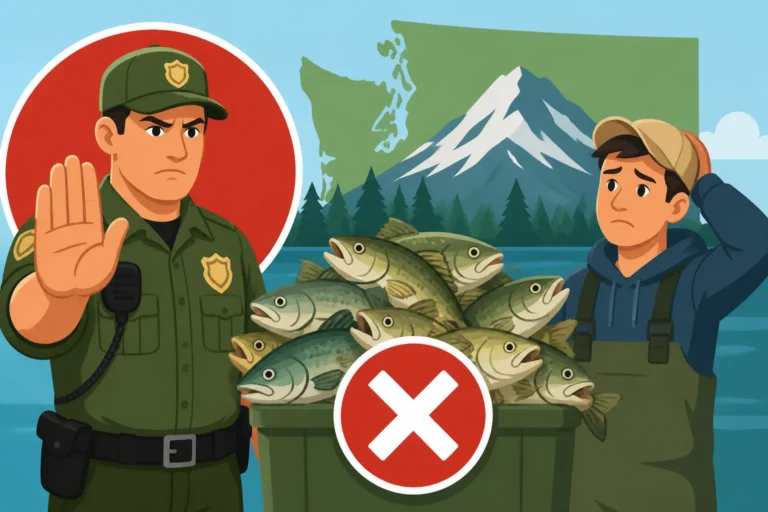
These rule changes can be anything from a full closure of a river or marine area to changes in daily limits, gear restrictions like Barbless Hook Requirements on Washington Rivers, or even shifting the hours you're allowed to fish. Ignoring them, even unintentionally, can lead to stiff fines or penalties, not to mention the disappointment of a wasted trip. So, staying informed isn't just a good idea; it's essential for responsible and legal angling in Washington.
Your Go-To Sources for Official WDFW Emergency Rules
When it comes to official and reliable information, you need to go straight to the source. The WDFW has several primary channels for disseminating emergency rule changes, and knowing how to navigate them is your best defense against unexpected closures.
The WDFW Official Website: Your Digital Lifeline
The Washington Department of Fish and Wildlife website is, without a doubt, your absolute first stop for checking regulations. While the annual Sport Fishing Rules pamphlet provides the season's baseline, it's the Emergency Rules section of the website that houses the most up-to-the-minute modifications.
To find it, you'll typically look for a prominent link on the WDFW homepage, often labeled "Emergency Rules," "Fishing Rule Changes," or similar. They are usually posted in chronological order, sometimes with filters for specific regions (Puget Sound, Columbia River, Coastal) or species. Each emergency rule will have a specific date it goes into effect and, sometimes, an end date, though many are "until further notice." It's critical to not just glance at the headlines but to read the full text of any relevant emergency rule. These documents explain exactly what's changing, where, and when. For example, if you're planning a trip to the Columbia River, you'll want to specifically look for any emergency rules that might impact Fishing the Columbia in Washington During an In-Season Closure.
The WDFW website is constantly updated, sometimes multiple times a day during peak seasons or critical events. You might find a notice about a change in bag limits for Coho salmon in Marine Area 9, or a temporary closure for steelhead on the Skykomish River. This is Where Washington Posts Fishing Rule Changes and What an Emergency Rule Change Actually Modifies become incredibly clear. Always refresh your browser to ensure you're seeing the very latest information.
WDFW Email Lists and News Releases
Another powerful tool for staying informed is to subscribe to WDFW's email notification lists. This is a passive yet incredibly effective way to get emergency rule changes delivered directly to your inbox. WDFW offers various subscription options, allowing you to tailor the alerts you receive. You can typically sign up for general fishing news releases, or more specific alerts related to marine areas, freshwater fisheries, or particular species.
These news releases often provide more context than a simple rule posting, explaining the biological or environmental reasons behind the change. They're usually sent out shortly after a decision is made and approved, giving you a heads-up before you even start packing your gear. I can’t stress enough how valuable this is, especially if you live a bit away from your preferred fishing grounds and don't want to drive an hour only to find a closure sign. This is a must for any serious angler in Washington.
The Fish Washington App and MyWDFW
In this digital age, WDFW has also stepped up its game with mobile solutions. The "Fish Washington" app, available for both iOS and Android devices, is a fantastic resource. It's designed to provide real-time information, including emergency rule changes, right on your smartphone. When you're out on the water, or even just heading to the boat launch, having the ability to quickly pull up the latest rules on your phone can be a lifesaver. This really helps answer the question, Does Washington Have a Mobile Fishing License App?.
Alongside the Fish Washington app, many anglers use the MyWDFW app (or access MyWDFW through their browser) to manage their licenses, endorsements, and even their catch record cards. While MyWDFW is more about personal account management, the Fish Washington app is specifically tailored for on-the-go regulation access. It consolidates information from various sources, making it a truly convenient tool for checking everything from seasons to limits to those ever-important emergency closures. Understanding What the MyWDFW App Is Used For is key, but the Fish Washington app is the true rule-checking champ.
Beyond Official Channels: Supplementary Information for Anglers
While the official WDFW sources are paramount, there are other valuable places where you can glean information or confirm what you’ve already read. These aren't primary sources for setting the rules, but they often act as excellent aggregators or community hubs.
Local Sporting Goods Stores and Tackle Shops
Don't underestimate the power of your local tackle shop or larger sporting goods stores like Cabela's or Sportco. These businesses thrive on angler traffic, and their staff are often incredibly knowledgeable about local fishing conditions and, crucially, emergency rule changes. Many shops will print out the latest WDFW emergency rules and post them prominently. Some even have dedicated whiteboards or bulletin boards with daily updates.
The folks working behind the counter usually have their ears to the ground, chatting with guides, WDFW enforcement officers, and other regulars. They can often provide insights into why a rule changed or what the general sentiment is. Just remember to always verify anything you hear verbally with an official WDFW source. These shops are great for picking up last-minute gear, too; you can often find unique local lures or even rain gear from popular brands. Sometimes, even basic items like a portable phone charger to keep your device powered up for checking WDFW alerts can be found on sites like Amazon if your local shop doesn't have it.
Online Fishing Forums and Social Media Groups
The internet is a vast place, and Washington is home to a passionate community of anglers who frequent online forums and social media groups. Websites like Washingtonlakes.com forums, Salmon Steelhead Journal forums, and various Facebook groups dedicated to Washington fishing can be buzzing with discussions about recent rule changes. Often, members will share screenshots of WDFW alerts or discuss what they've heard from guides.
These platforms can be a good early warning system, especially for rapidly unfolding situations. However, always approach information from these sources with a critical eye. While well-intentioned, rumors or misinterpretations can spread quickly. Use these forums as a heads-up to then go directly to the WDFW website or app to confirm the details. Never rely solely on forum chatter for legal fishing advice. It’s a great place to swap stories and get tips, but not to stake your fishing license on.
Fishing Guides and Charter Operators
Professional fishing guides and charter operators make their living by knowing the regulations inside and out. They are typically among the first to know about emergency rule changes because it directly impacts their business. Many guides subscribe to all WDFW alerts, are active in industry discussions, and often have direct communication channels with WDFW personnel.
If you've booked a trip with a guide, they will almost certainly inform you of any changes that affect your planned outing. Even if you're not booking a trip, many guides operate websites or social media pages where they might share updates or insights. They're an invaluable resource for hyper-local, timely information.
Best Practices for Staying Current and Avoiding Headaches
Now that you know where to look, let’s talk about how to integrate this into your fishing routine to minimize the chance of surprises. A little preparation goes a long way.
Develop a Routine for Checking Rules
The single best piece of advice is to make checking emergency rules a routine part of your pre-fishing ritual. I recommend checking at least twice for any trip:
- A few days before your trip: This gives you enough time to adjust plans if a major closure occurs. You don't want to find out the night before that your destination is closed.
- Immediately before you leave home: Rules can change overnight. A quick check of the WDFW website or the Fish Washington app while you're having your morning coffee can save you a ton of grief.
- Again, when you arrive at your fishing destination: Sometimes, extremely late-breaking news might only be hours old. A quick check at the boat launch or river access point is the ultimate last-ditch verification.
This might seem excessive, but it’s the only way to be truly confident you're fishing legally. For an excellent overview of what to consider, check out What to Check Before Every Washington Fishing Trip.
Subscribe to WDFW Alerts for Your Regions of Interest
This is a no-brainer. Go to the WDFW website and sign up for their email lists. Customize your subscriptions to receive alerts for the marine areas, freshwater districts, and species you care about most. This ensures you're passively receiving updates without having to constantly hunt for them.
Carry Your Smartphone (and a Charger!)
With the Fish Washington app, your smartphone is a powerful tool for on-the-spot rule checking. Ensure your phone is always charged, especially if you're heading to a remote area. Consider a portable power bank, which you can easily purchase from stores like Amazon, as part of your essential fishing gear. It’s not just for rules; it’s a safety tool too!
When in Doubt, Assume It's Closed or Restricted
If you hear conflicting information, or if you can't definitively confirm that a specific area is open or under certain rules, err on the side of caution. It's always better to skip a spot or fish under more restrictive rules than to risk a citation. Wildlife enforcement officers are professionals, and "I didn't know" is generally not a valid defense.
Stay Aware of Washington Sport Fishing Seasons and Emergency Closures
While the emergency rules address immediate changes, it's also vital to have a solid understanding of the broader Washington Fishing Seasons: A Month-by-Month Guide and planned closures. Knowing the general season structure helps you anticipate when emergency changes might be more likely to occur, particularly for sensitive species like salmon and steelhead during their respective runs.
Here's a quick reference table outlining your best sources:
| Source Type | Best For | Reliability | Recommended Frequency | Notes |
|---|---|---|---|---|
| WDFW Website | Official, real-time emergency rule text | High | Daily / Pre-trip | Essential. Read full text. Filter by region/species. |
| WDFW Email Alerts | Passive notification of changes | High | As changes occur | Must-have for proactive updates. Customize subscriptions. |
| Fish Washington App | Mobile, on-the-go rule checking | High | Daily / On-the-water | Convenient, combines info. Ensure phone is charged. |
| Local Tackle Shops | Community insight, printed updates | Medium-High | Pre-trip | Useful for local context. Always verify with official WDFW sources. |
| Online Forums/Social | Early warnings, community discussion | Low-Medium | Daily | Use with caution. Always verify info officially. Good for getting 'buzz'. |
| Guides/Charters | Professional insight, specific trip info | High | Pre-trip (if booked) | Excellent if you're fishing with one, or follow their public updates. |
By diligently utilizing these resources, especially the primary WDFW channels, you can dramatically reduce the chances of encountering unwelcome surprises on your next fishing adventure in Washington.
Disclaimer
The information provided in this guide is for general informational purposes only and is subject to change. While we strive to provide accurate and up-to-date content, fishing regulations, seasons, and emergency rules in Washington State are highly dynamic and can be modified at any time by the Washington Department of Fish and Wildlife (WDFW). Always consult the official WDFW website, their emergency rule updates, and the current Sport Fishing Regulations pamphlet before engaging in any fishing activity. It is the individual angler's responsibility to know and adhere to all applicable rules and regulations.