Does a Different Bag Limit Apply in the San Juans?
It’s a common scenario in Washington: you're planning an exciting fishing trip, maybe to the beautiful San Juan Islands, and you start looking at the regulations. That’s when the headaches begin. Trying to decipher the Washington Department of Fish and Wildlife (WDFW) rule pamphlet can feel like learning a new language, especially when you realize that what’s legal in one marine area might be entirely different just a few miles away. This guide is here to clarify whether different bag limits apply when you're fishing in the San Juan Islands, cutting through the confusion to help you plan your trip with confidence.
Understanding Washington's Marine Areas for Fishing
One of the first things you'll notice when you dive into Washington's fishing regulations is the concept of "marine areas." These aren't just arbitrary lines on a map; they are specific zones, each with its own set of rules designed to manage fish populations effectively. From the sprawling Puget Sound to the open Pacific coast, every marine area has a unique ecological profile and, consequently, unique fishing guidelines. The San Juan Islands, with their intricate network of islands, passages, and bays, are predominantly covered by Marine Areas 6, 7, and 7 East, though some adjacent waters might fall into others. This partitioning is critical because it directly impacts everything from season dates to, yes, bag limits.
These marine area distinctions exist for really important reasons. They allow fisheries managers to respond to localized conditions, protect vulnerable stocks, and ensure sustainable fishing opportunities. For example, a salmon run might be struggling in one part of Puget Sound but thriving elsewhere, necessitating different management strategies. Without these precise delineations, a blanket rule could either overharvest fish in sensitive areas or unnecessarily restrict fishing where populations are healthy. It's a complex balancing act, and these geographical boundaries are the primary tool for WDFW to achieve it.
Why Marine Areas Have Unique Rules
It can feel incredibly frustrating when you're just trying to enjoy a day on the water, only to find that the rules change every time you cross an invisible line. But there's a method to the madness. The unique rules for each marine area are typically driven by a combination of scientific data, conservation goals, and treaty obligations. Factors like the health of specific fish stocks, migratory patterns, habitat concerns, and even local human fishing pressure all contribute to the regulations. For instance, some areas might be critical spawning grounds for certain species, leading to stricter limits or outright closures during sensitive periods. Other areas might be designated as "selective fisheries" where only hatchery-marked fish can be retained, aiming to protect wild populations.
Imagine you're fishing for lingcod near a known spawning aggregation. WDFW might impose a lower daily limit or even a seasonal closure in that specific marine area to protect the breeding stock, ensuring there are plenty of lingcod for future generations. Meanwhile, a few miles away in an area where lingcod aren't spawning, the limits might be more generous. These rules are constantly being reviewed and updated based on scientific surveys and catch data. It’s why staying informed is so crucial, as what was legal last season might not be this season.
Navigating the Washington Department of Fish and Wildlife WDFW Regulations
So, how do you keep up with all these nuances? The Washington Department of Fish and Wildlife (WDFW) is the authority, and their website is your first stop. While the printed regulation pamphlets are fantastic resources, they are only current at the time of printing. Fish populations and management needs can change rapidly, leading to emergency rule changes mid-season. It’s easy to get caught off guard, especially if you rely solely on an older pamphlet.
The WDFW's online regulation pamphlet is regularly updated, and they also have an emergency rule change page that is absolutely essential to check before every trip. It's not uncommon for a popular fishing spot to suddenly be closed or have its bag limit reduced due to unforeseen circumstances, like a lower-than-expected salmon return. To make things a bit easier, many anglers also use the Fish Washington app on their smartphones, which provides a convenient way to access current regulations on the go. While helpful, it’s still wise to cross-reference with the WDFW website for the absolute latest emergency rules. If you're looking for a deeper dive into how to interpret these documents, check out our guide on Reading the Washington Sport Fishing Regulations Pamphlet. And for those of you who prefer digital convenience, our article on Does Washington Have a Mobile Fishing License App details how to use the Fish Washington app effectively.
Specific Bag Limits in the San Juan Islands
Now, to directly address the burning question: yes, absolutely, different bag limits do apply in the San Juan Islands compared to other parts of Washington state. This isn't just a minor tweak; it can be a significant difference. The San Juans are a unique ecological zone, and as such, they often have more conservative regulations due to factors like resident fish populations, localized pressures, and critical habitat for species like bottomfish. You can't assume that the daily salmon limit you enjoyed in the Strait of Juan de Fuca will be the same when you pull up to Rosario Strait, or that the lingcod limits are identical to those off the Washington coast.
These differences can manifest in several ways: varying daily possession limits for salmon and bottomfish, different size restrictions, specific times of year when certain areas are open or closed, and even unique gear restrictions like specific hook types or bait bans. It’s not just about salmon, either; bottomfish and shellfish regulations can also be highly localized. Always, always confirm the rules for the specific marine area you intend to fish.
Salmon Bag Limits in the San Juans Marine Areas 6, 7, and 7 East
When it comes to salmon, the San Juan Islands, primarily encompassing Marine Areas 6, 7, and 7 East, are a prime example of localized regulations. You'll find that the daily bag limits for species like Chinook (King) and Coho (Silver) salmon are frequently adjusted based on run forecasts and in-season updates. For instance, in a given year, Marine Area 7 (which covers much of the central San Juans) might have a daily limit of one salmon, with only hatchery Chinook allowed, and a minimum size restriction. Meanwhile, Marine Area 6 (Eastern Strait of Juan de Fuca, including some San Juan approach waters) might have a slightly different daily limit or a different combination of Chinook and Coho.
The regulations can get even more granular. Sometimes, specific portions of these marine areas, like those within proximity to a river mouth or a protected area, might have even tighter restrictions or be entirely closed to fishing for certain species. For example, during some periods, the daily limit for Chinook in Puget Sound might be one hatchery-marked fish, while in a specific San Juan area, it could be zero retention if the wild stock is particularly vulnerable. It's a stark contrast and highlights why checking the precise rules for your chosen spot is non-negotiable. If you're keen on understanding the intricacies of salmon limits, take a look at our articles on Daily Limit for Chinook in Puget Sound and Daily Limit for Coho in Puget Sound.
Bottomfish and Shellfish Regulations in the San Juans
It's not just the prized salmon that see different bag limits in the San Juans. Bottomfish species like lingcod and various rockfish, as well as popular shellfish such as Dungeness crab and spot shrimp, often have specific regulations tailored to these island waters. The San Juan Islands are home to incredibly diverse marine habitats, including kelp forests and rocky reefs that are vital for bottomfish. To protect these ecosystems and the fish that rely on them, WDFW implements targeted rules.
For example, the daily limit for lingcod might be lower in Marine Area 7 than it is for anglers fishing off Westport on the open coast. Similarly, certain rockfish species might be entirely catch-and-release in the San Juans, or a descending device might be mandatory to help released fish survive. This is particularly true for Puget Sound rockfish, many species of which are in serious decline. For specific information on lingcod limits, you can read our article on Lingcod Limit in Washington. If you're targeting rockfish, understanding the nuances of the Rockfish Bag Limit in Puget Sound is crucial, as some species are off-limits entirely or require very specific handling. Shellfish regulations also vary, with crab and shrimp seasons and daily limits often differing by marine area, reflecting the localized health of these populations. Always check for specific closures or permit requirements for recreational crabbing and shrimping in the San Juans.
Key Differences Between San Juan and Other Puget Sound Areas
The variations in bag limits and regulations between the San Juan Islands and other Puget Sound areas aren't just minor adjustments; they often represent fundamental differences in management approach. This can be a source of constant frustration for anglers who fish in multiple locations, as remembering all the distinct rules is a feat in itself. The underlying reasons for these differences are complex, involving everything from the unique geology and currents of the islands to the specific life cycles of the fish species inhabiting those waters.
One of the most common reasons for stricter rules in the San Juans is the presence of resident fish populations that don't migrate far, making them more susceptible to localized fishing pressure. Unlike highly migratory salmon that pass through many areas, some bottomfish or even specific salmon stocks might spend their entire lives within the San Juans. This requires a more cautious management strategy to prevent overfishing in these contained environments.
Comparing San Juan Rules to Central Puget Sound Marine Area 10
Let’s take a concrete example: comparing Marine Area 7 (San Juan Islands) with Marine Area 10 (Seattle/Bremerton area of Central Puget Sound). While they are both within Puget Sound, their regulations for Chinook salmon, for instance, can be quite different. In a year where Chinook returns are robust, Marine Area 10 might have a more open season with a daily limit of two hatchery Chinook, whereas Marine Area 7 might be restricted to one hatchery Chinook, or even be catch-and-release only for a significant portion of the season.
These differences stem from the fact that Marine Area 10 often sees a mix of salmon stocks migrating through, heading to various rivers like the Green River or Nisqually. The San Juans, however, might have more critical wild Chinook populations that require additional protection. This is why you can’t simply assume that if your buddy caught a limit of salmon off Edmonds, you’ll be able to do the same near Friday Harbor. The rules are distinct, and ignoring them can lead to serious fines and penalties.
Understanding Seasonal Closures and Emergency Rules
Another critical aspect that often leads to divergent bag limits in the San Juans is the dynamic nature of seasonal closures and emergency rule changes. Washington fishing seasons are not set in stone; they are living documents that can and do change rapidly. These changes are especially prevalent in areas like the San Juans, where numerous, often sensitive, fish stocks are present. Emergency rules can modify everything from the legal fishing days and times to minimum size limits and, of course, daily bag limits.
Imagine planning a weekend trip to Orcas Island hoping to target lingcod, only to find an emergency rule was enacted that week, reducing the daily limit or temporarily closing the fishery due to unforeseen low stock assessments. It happens more often than you might think. These changes are made by WDFW in response to real-time data from test fisheries, escapement counts, and other scientific monitoring. It's frustrating when your plans get upended, but these measures are essential for the long-term health of the fishery. To truly grasp the complexity of these sudden shifts, you might want to read our article on Emergency Rule Changes: Why Washington's Rules Shift Mid-Season, and for a deeper look into the process, check out How Washington's WDFW Sets In-Season Emergency Rules. These resources emphasize why constant vigilance is key when planning any fishing trip in Washington.
Practical Tips for Fishing the San Juan Islands Legally
Navigating the labyrinth of Washington’s fishing regulations for the San Juan Islands doesn’t have to ruin your trip. With a bit of preparation and diligence, you can enjoy these incredible waters without worrying about accidentally breaking the rules. The key is to approach every fishing trip with a proactive mindset, assuming that regulations might have changed since your last outing. This is particularly important for an area as dynamic and ecologically significant as the San Juans.
One of the most practical pieces of advice I can offer is to build a habit of checking the regulations right before you leave the dock, or even the night before your trip. Technology has made this easier than ever, but it still requires your active participation. Don't rely on hearsay or what your buddy told you last year. The health of our fisheries depends on every angler doing their part to understand and adhere to the rules, no matter how complex they seem.
Checking Regulations Before Every Trip
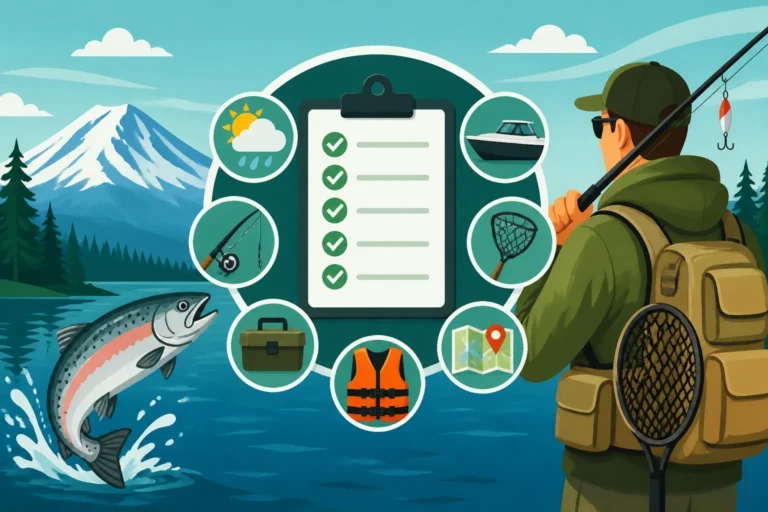
This cannot be stressed enough: always, always check the current regulations immediately before you head out. The WDFW website is your best friend here. Specifically, look for the current year's sport fishing regulations pamphlet for Puget Sound and any "emergency rule changes" that have been posted since the pamphlet was last printed. These emergency rules supersede anything in the published pamphlet and are often the culprit behind unexpected closures or changes in bag limits.
Even if you're a seasoned local, fish populations fluctuate, and management decisions are adapted accordingly. An example: you might have fished for Chinook in Marine Area 7 in July last year with a specific limit, but this year, due to lower returns, it might be catch-and-release only or a reduced bag limit. Trust me, spending five minutes checking online is far better than facing a WDFW enforcement officer with an illegal catch. You can find more comprehensive advice on this topic in our guide, What to Check Before Every Washington Fishing Trip. It's designed to walk you through the essential steps to ensure you're always fishing within the law.
Essential Gear and Practices for Compliance
Beyond knowing the bag limits, certain gear and practices are often mandated in areas like the San Juan Islands to promote conservation and ethical fishing. For many salmon and steelhead fisheries in Washington, including parts of Puget Sound, barbless hooks are a strict requirement. This helps minimize harm to fish that are released, increasing their chances of survival. It's a simple change to your tackle, but a crucial one for compliance. Check our detailed article on Barbless Hook Requirements on Washington Rivers for more information, as these rules can extend to saltwater areas too.
Another vital piece of gear, particularly when bottom fishing for rockfish, is a descending device. If you're catching and releasing rockfish from deeper waters, these devices are sometimes mandatory and always recommended to help fish recover from barotrauma. And, of course, you absolutely need your Washington fishing license and, for salmon and steelhead, a Catch Record Card. Make sure you fill out your Catch Record Card immediately upon retaining a salmon or steelhead. Not recording your catch properly is a common violation that's easily avoided. Our article, The Washington Catch Record Card and What It Requires, provides all the details you need to complete it correctly. Many anglers also find it useful to keep a small notepad and pen or even a laminated copy of the current rules accessible on their boat or in their tackle box, especially for those complex San Juan regulations. When ordering tackle online, sites like Amazon are great for stocking up on barbless hooks and descending devices to ensure you're always compliant.
San Juan Islands vs. General Puget Sound Bag Limit Comparison
To help illustrate the differences we've been discussing, here's a simplified comparison of hypothetical (but realistic) bag limits for a few popular species between the San Juan Islands (Marine Area 7) and a more generalized Central Puget Sound area (Marine Area 10). Please remember, these are illustrative and subject to real-time changes; always consult the current WDFW regulations.
| Species | Marine Area 7 (San Juan Islands) | Marine Area 10 (Central Puget Sound) | Notes |
|---|---|---|---|
| Chinook Salmon | 1 hatchery-marked Chinook; minimum 22 inches. Season often shorter/more restrictive. | 2 hatchery-marked Chinook; minimum 22 inches. Season generally longer. | San Juans often have stricter limits or closures to protect local wild stocks or during sensitive migration periods. |
| Coho Salmon | 2 hatchery-marked Coho; no minimum size. May have specific non-retention periods for wild. | 2 hatchery-marked Coho; no minimum size. Usually more consistent season. | Similar daily limits often apply, but San Juans may have more stringent wild Coho release rules or shorter overall seasons. |
| Lingcod | 1 lingcod; minimum 26 inches, maximum 36 inches. Season often shorter. | 1 lingcod; minimum 26 inches. May have different size slot or longer season. | San Juans might have a slot limit (upper size restriction) to protect larger, spawning females, and often have shorter seasons than outer Puget Sound or coastal areas. |
| Rockfish | Catch-and-release only for most species. Descending device required for release. | Catch-and-release only for most species. Descending device required for release. | Both areas are largely catch-and-release for rockfish in Puget Sound due to conservation concerns. Specific exceptions (like cabezon) may exist but are rare and highly regulated. |
| Dungeness Crab | Varying season dates, typically July-September. Daily limit 5 male crabs, minimum 6 1/4 inches. | Varying season dates, typically July-September. Daily limit 5 male crabs, minimum 6 1/4 inches. | Season dates and closures can vary significantly by marine area, even if the daily limit on paper is the same. Always check specific opening and closing dates for your area. |
This table clearly illustrates that while some rules can be similar, enough key differences exist, especially for primary target species like Chinook and Lingcod, that you can't afford to assume.
Disclaimer
The information provided in this guide is for general informational purposes only and is subject to change. Fishing regulations in Washington State are dynamic and frequently updated by the Washington Department of Fish and Wildlife (WDFW). Always consult the official WDFW website and the most current regulations pamphlet, including any emergency rule changes, before engaging in any fishing activity. Failure to do so may result in fines or penalties.