When the Skagit River Steelhead Closure Starts
It can be incredibly frustrating to plan a highly anticipated fishing trip, only to discover that your favorite river, especially for a prized species like steelhead, has suddenly closed. Anglers who dream of drifting a perfect bait or swinging a fly for a chrome bright steelhead on Washington's iconic Skagit River often grapple with the uncertainty of closures. This guide is here to cut through that confusion, explaining when and why the Skagit River's steelhead season might close, helping you stay informed and prepared.
Understanding the Skagit River's Unique Steelhead Situation
The Skagit River isn't just another waterway in Washington; it's a legendary system, steeped in history and reverence, particularly when it comes to its wild steelhead. Because of its incredible natural beauty and its crucial role as a spawning ground for some of the state's most genetically diverse wild fish, the Skagit is often subject to some of the most stringent fishing regulations. Understanding this delicate balance is key to grasping why closures happen.
Why the Skagit is So Special and Sensitive
For generations, the Skagit River has been synonymous with wild steelhead fishing. Unlike many rivers that rely heavily on hatchery supplementation, the Skagit boasts a significant population of wild steelhead, fish that are born and raised naturally in the river system. These wild fish are incredibly resilient, but their populations are also extremely sensitive to environmental changes, fishing pressure, and habitat degradation. The river itself, flowing from the North Cascades to Puget Sound, provides a vast and complex network of spawning and rearing grounds, making it a critical stronghold for these magnificent anadromous trout.
The Skagit's unique status means it's under intense scrutiny from conservation groups, state agencies like the Washington Department of Fish and Wildlife (WDFW), and tribal co-managers. Every decision, from harvest quotas to gear restrictions and, of course, closures, is made with the overarching goal of protecting and rebuilding these fragile wild runs. Anglers who fish the Skagit often do so with a deep respect for its heritage and the understanding that it's a privilege to pursue these wild creatures in such a pristine environment. This reverence, however, also comes with the responsibility of adhering to strict rules that can sometimes change rapidly.
The Role of Wild Steelhead and Conservation Efforts
The distinction between wild and hatchery steelhead is paramount on the Skagit. While hatchery fish are produced in facilities to supplement fishing opportunities and sometimes to aid in recovery efforts, wild steelhead are the backbone of the ecosystem. They possess the genetic diversity and adaptive traits necessary for long-term survival in an ever-changing environment. Because of their critical importance, wild steelhead in many Washington rivers, including the Skagit, are listed under the Endangered Species Act (ESA). This federal protection adds another layer of complexity to fishery management.
When a species is ESA-listed, any fishing activity that might impact that species must be carefully evaluated to ensure it doesn't jeopardize their recovery. This means that even if you're targeting other species, if there's a risk of incidentally hooking a wild steelhead, fishing opportunities can be curtailed or eliminated entirely. The goal of conservation efforts isn't just to keep a few fish alive; it's to ensure robust, self-sustaining populations for future generations. This often means making tough decisions that prioritize the fish over immediate recreational opportunities, leading directly to the need for closures.
Pinpointing the Start of the Skagit River Steelhead Closure
One of the biggest headaches for Skagit River anglers is that there's rarely a single, fixed date you can circle on your calendar for a steelhead closure. Instead, it's a dynamic process driven by real-time data and careful assessments. This variability is a necessary evil, stemming from the unpredictable nature of wild fish runs and environmental conditions.
The General Timeline and Its Variability
Historically, if closures for steelhead on the Skagit River occur, they often fall into the late winter and early spring timeframe. This generally aligns with the peak of the wild winter steelhead run and their subsequent spawning period. Anglers might enjoy some opportunity earlier in the winter, but as the calendar flips towards February, March, and April, the likelihood of closures increases significantly. This is when managers are most concerned about protecting spawning fish and ensuring enough wild steelhead make it to their spawning grounds undisturbed.
However, "general timeline" is the operative phrase here. A mild winter with good water conditions and strong early returns might push a closure later, or even lead to extended fishing opportunities if populations are robust enough. Conversely, a harsh winter with low water, or worse, a year with a critically low forecast for wild steelhead returns, can trigger closures much earlier. Sometimes, closures are put in place to protect all steelhead, while other times they might specifically target wild fish, allowing for very limited, highly restricted catch-and-release fishing for hatchery steelhead (which usually means a fin-clipped fish). The key takeaway here is to never assume; always check the current rules before heading out.
How WDFW Determines Closure Dates
The Washington Department of Fish and Wildlife (WDFW), in close consultation with tribal co-managers, employs a sophisticated, albeit often frustratingly complex, system to determine when and where closures are needed. It's not a decision made lightly, as they understand the impact on anglers and local businesses. Several critical factors come into play:
- Run Forecasts: Before the season even begins, biologists develop forecasts for expected steelhead returns. If these forecasts fall below critical escapement goals (the number of fish needed to successfully spawn and maintain the population), managers will proactively implement restrictive measures, which can include preemptive closures.
- In-Season Monitoring: This is where things get really dynamic. WDFW biologists are constantly monitoring the river system throughout the season. They rely on various data points:
- Test Fisheries: These are controlled fishing efforts conducted by WDFW or tribal biologists to sample fish populations and gauge run strength. The results from these test fishery counts can directly inform decisions about openings, restrictions, or closures. For example, if test fisheries show a much weaker return than anticipated, an emergency closure could be imminent. You can learn more about how "Test Fishery Counts and How They Drive Salmon Openings" impact management decisions.
- Angler Reports and Creel Surveys: WDFW staff often conduct angler surveys on the river to estimate catch rates and overall fishing pressure. High catch rates of wild fish, even if released, might indicate a need for more protection.
- Environmental Conditions: Water levels, temperatures, and clarity all play a role. Extremely low or high water can stress fish, making them more vulnerable, and leading to closures.
- Emergency Rule Changes: When conditions warrant immediate action, WDFW can implement emergency rule changes. These are swift modifications to existing regulations that override the printed pamphlet. These changes are vital for protecting dwindling runs or adapting to unforeseen circumstances, but they require anglers to stay constantly vigilant. Understanding "Emergency Rule Changes: Why Washington's Rules Shift Mid-Season" is crucial for any angler fishing sensitive rivers. These emergency actions often modify what was initially published in the yearly regulations pamphlet, highlighting "What an Emergency Rule Change Actually Modifies."
The cooperative management between WDFW and various tribal nations (such as the Upper Skagit Indian Tribe, Swinomish Indian Tribal Community, and Sauk-Suiattle Indian Tribe) also heavily influences these decisions. Treaty rights ensure tribal co-managers have an equal say in resource management, and conservation concerns are shared by all parties involved.
Navigating the Ramifications of a Skagit Steelhead Closure
Discovering the Skagit River is closed for steelhead can be disheartening, but understanding what that closure entails and how to find alternative opportunities can salvage your fishing plans. It’s not just about not keeping fish; it can mean not fishing for them at all.
What "Closed" Truly Means for Anglers
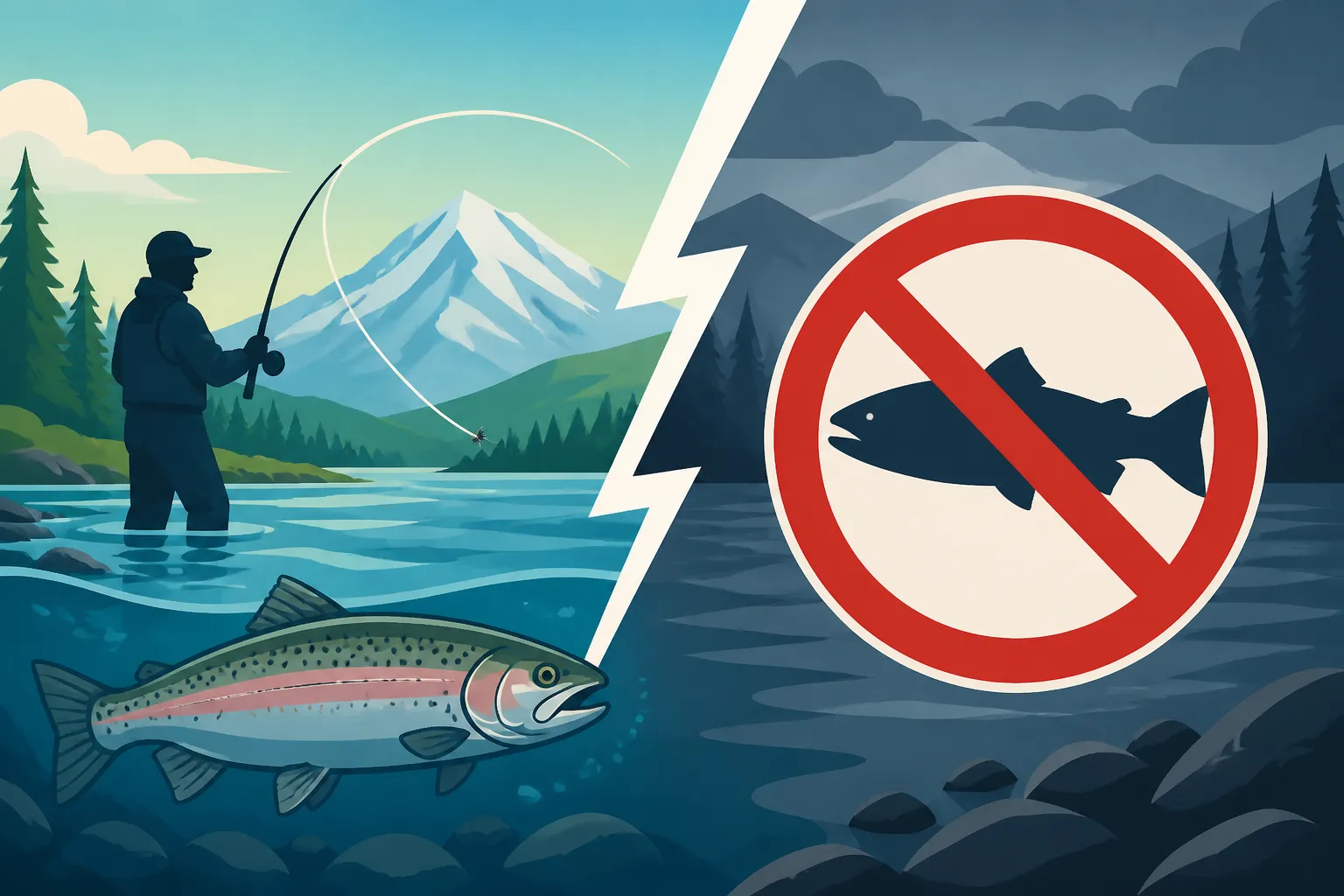
When WDFW declares the Skagit River, or a specific section of it, closed for steelhead, it generally means one of two things, and sometimes both:
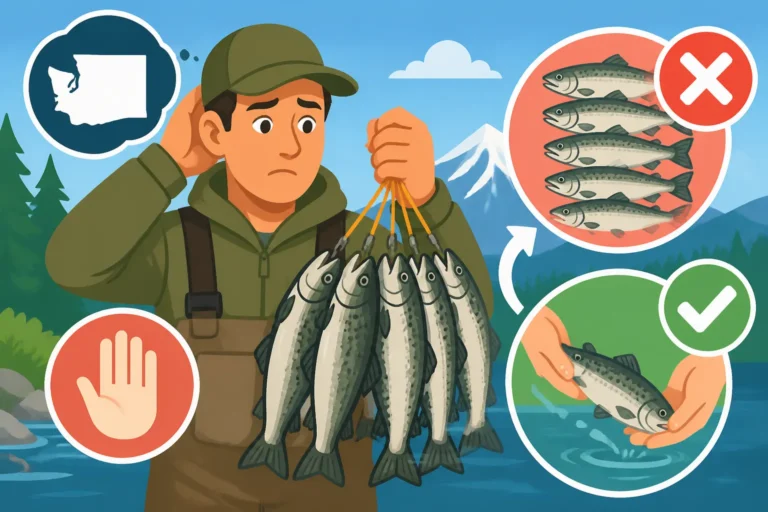
- Retention is Prohibited: This is the most common form of closure, meaning you cannot keep any steelhead you catch. All steelhead, wild or hatchery, must be immediately and carefully released. However, even during retention closures, there might be specific rules regarding "Catch-and-Release Rules During Wild Steelhead Closures" that dictate how you must handle the fish, what gear you can use, and even if you can fish at all.
- Fishing is Prohibited: In more severe conservation scenarios, or during critical spawning periods, WDFW may implement a complete closure, meaning no fishing for steelhead (or sometimes even any species) is allowed in the affected area. This is to minimize any interaction or disturbance with the vulnerable fish.
Beyond the basic closure, other restrictions often accompany these periods to further protect steelhead:
- Barbless Hooks: Most, if not all, steelhead fishing in Washington, especially during catch-and-release periods, requires the use of single-point, barbless hooks. This minimizes harm to released fish. It's always a good idea to ensure your hooks are barbless, and you can find more detail in "Barbless Hook Requirements on Washington Rivers." You can easily find barbless hooks or tools to crimp your barbs down on Amazon before your trip.
- Bait Bans: Often, when wild steelhead are present and vulnerable, bait is prohibited. Bait can be more easily swallowed, leading to higher mortality rates for released fish. "Washington Bait Bans and When They Apply" will give you the full scoop on when you can and cannot use bait.
- Gear Restrictions: Specific gear types, like certain types of lures or weights, may also be restricted to reduce the risk of snagging or foul-hooking fish.
Violating these rules, even unintentionally, can result in significant fines and penalties. It’s your responsibility as an angler to know the rules before you cast a line.
Alternative Opportunities and Staying Informed
A Skagit River steelhead closure doesn't mean your fishing season is over. Washington offers an incredible diversity of fisheries, and knowing where to look and how to stay informed can save your trip.
First and foremost, always check the latest regulations. This cannot be stressed enough. The WDFW website is your primary source for up-to-date information, including all permanent and emergency rule changes. You should regularly check the "Emergency Rules" section, as this is where time-sensitive closures are announced. Furthermore, you can subscribe to WDFW's email alerts, which will send notifications directly to your inbox when rules change.
Another invaluable tool is the Fish Washington mobile app. This app is fantastic for checking regulations on the go, making it easy to confirm what's open, what's closed, and what the daily limits are for specific areas. The article "Does Washington Have a Mobile Fishing License App?" explains how to use this app effectively, and it's a great companion to "Carrying Your Washington Fishing License: Paper, Phone or the MyWDFW App."
When the Skagit is closed for steelhead, consider these alternative approaches:
- Target Other Species on the Skagit (if permitted): Sometimes, only steelhead fishing is closed, meaning other species like trout, char, or even residual salmon (if in season and allowed) might still be open. Again, confirm this with current regulations.
- Explore Other Rivers: Washington has numerous other rivers that host steelhead runs or other prime fisheries. The Cowlitz River, Kalama River, or rivers on the Olympic Peninsula like the Hoh or Sol Duc might offer opportunities, though they too are often subject to similar conservation-driven closures. Knowing "What to Target When Steelhead Season Is Closed" can help you pivot your plans.
- Lakes and Ponds: Washington is dotted with thousands of lakes and ponds, many of which are stocked with rainbow trout, cutthroat, or offer warmwater species like bass and panfish. These often have more stable, year-round seasons.
- Saltwater Fishing: If you have access to a boat or can find a pier, Puget Sound offers salmon, bottomfish (like lingcod or rockfish), and crabbing opportunities, often with different seasonal restrictions.
To keep tabs on the latest, always prioritize sources like WDFW.gov. You'll find specific details in "Where to Find Current Washington Fishing Rules" and reading the yearly "Washington Sport Fishing Regulations Pamphlet" is essential, though remember it can be superseded by emergency rules. Always double-check before you go.
Here's a quick reference for understanding Skagit River steelhead closure indicators:
| Factor | Impact on Skagit Steelhead Season | Typical Outcome (if negative) |
|---|---|---|
| Pre-season Run Forecasts | Predicts the number of returning wild steelhead. Based on previous years' data, ocean conditions, and survival rates. | Earlier/Stricter closures likely. |
| In-Season Test Fishery Counts | Real-time sampling of fish returning to the river. Provides crucial mid-season data on actual run strength. | Immediate emergency closure possible. |
| Escapement Goals | The minimum number of spawning fish required to sustain the population for future generations. | Fishing restrictions/closures until met. |
| Environmental Conditions | Water temperature, flow (high/low), clarity. Extreme conditions can stress fish, making them more vulnerable. | Temporary or full closures. |
| Angler Effort & Catch Rates | How many people are fishing and how many fish are being caught (even if released). High pressure can stress sensitive wild stocks. | Increased restrictions or closure. |
| Tribal Co-management Agreements | Joint decisions with treaty tribes based on conservation needs and treaty rights. | Can influence any aspect of the season. |
Remember, staying informed is the best way to avoid disappointment and ensure you're fishing legally and ethically, contributing to the conservation of these magnificent fish for years to come.
Disclaimer
Fishing regulations are dynamic and subject to frequent change, especially concerning sensitive species and rivers like the Skagit. While this guide provides general information and common practices, it is not a substitute for checking the most current regulations directly from the Washington Department of Fish and Wildlife (WDFW) before engaging in any fishing activity. Always consult the official WDFW website, emergency rule updates, and the latest fishing pamphlet to ensure compliance. Ignorance of the law is not a defense for violations.