Rivers That Feed Puget Sound for Salmon
For many anglers, the vastness of Puget Sound feels like the main stage for salmon fishing. And while marine areas certainly offer incredible opportunities, the real magic, the culmination of an incredible journey, happens in the rivers that feed into this iconic body of water. Trying to figure out which rivers actually get significant salmon runs, let alone when and under what ever-shifting regulations, can be incredibly daunting. This guide is here to unravel those mysteries, helping you understand the key Washington rivers that feed Puget Sound for salmon and how to approach them.
The Major Salmon-Bearing Rivers of Puget Sound
When we talk about rivers feeding Puget Sound, we’re really looking at a collection of vital arteries that transport millions of salmon from their ocean-feeding grounds back to their natal spawning waters. Each river system has its own character, its own unique runs, and its own set of challenges and rewards for the dedicated angler. Understanding these distinct personalities is your first step to success.
North Sound Tributaries: Skagit, Stillaguamish, Snohomish
These rivers represent some of the largest and most historically significant salmon systems flowing into the northern reaches of Puget Sound. They are the backbone of many regional fisheries, though conservation efforts often dictate how and when we can fish them.
The Skagit River is a behemoth, a truly legendary river known for its size and its once-prolific salmon and steelhead runs. Anglers here traditionally target Chinook (Kings), Coho (Silvers), and during odd-numbered years, Pink Salmon (Humpies). Chum salmon also make a significant appearance in the fall. The Skagit system is vast, offering both tidewater and upper river opportunities. However, it's also a river with a strong emphasis on wild fish conservation, which often leads to very specific and sometimes restrictive regulations, so always be sure to consult the latest rules. Even with these complexities, the sheer wild beauty and the potential for a trophy Chinook make the Skagit a perennial favorite for many seasoned anglers.
Further south, we find the Stillaguamish River, often affectionately called the "Stilly." This river, while smaller than the Skagit, has historically been a strong producer of Coho and Chum salmon. In recent years, however, the Stilly has faced significant challenges with habitat and wild salmon returns, leading to very conservative fisheries or even full closures for some species. Fishing here often requires a careful eye on the emergency rule changes that can pop up mid-season. When opportunities do arise, success often comes to those who understand the river's subtle flows and fish with great respect for the precious resource.
Perhaps the most extensive system is the Snohomish River System, which includes its major tributaries, the Skykomish and Snoqualmie rivers. This massive watershed is incredibly popular due to its proximity to major population centers and its relatively robust hatchery programs. You can find Chinook, Coho, Chum, and Pink salmon here, with various sections of the river system offering different experiences. The Skykomish, for instance, particularly near Reiter Pond Hatchery in Washington, is a well-known spot that sees significant returns of hatchery-origin fish, providing more consistent angling opportunities. The Snoqualmie, while having some salmon, is more known for its spectacular waterfalls and trout fishing higher up. The lower Snohomish itself, especially the tidal influence zones, can be very productive for Chum and Coho in the fall, offering boat and bank access.
Central & South Sound Rivers: Puyallup, Green, Nisqually
Moving into the central and southern reaches of Puget Sound, we encounter rivers that, while often more urbanized, still offer fantastic salmon fishing, frequently bolstered by significant hatchery contributions that provide more predictable returns for anglers.
The Puyallup River is a prime example of an urban river that still delivers exceptional salmon fishing. Flowing through Tacoma, the Puyallup system benefits from a strong hatchery program, particularly for Coho and fall Chinook salmon. Access here can be a mix of public parks, boat launches, and some private access points. The lower river and its estuary can be incredibly productive, especially during the peak fall runs, as salmon stage before pushing upstream. It's a busy river, and sometimes navigating the crowds is part of the experience, but the consistent returns make it a worthwhile destination for many.
The Green River, particularly the lower stretch near Auburn and Kent, is another accessible option for South Sound anglers. This river sees good returns of Coho and Chinook, especially in the fall. Like the Puyallup, the Green is heavily influenced by hatchery plants, providing predictable fishing. Bank access can be found in various public parks, and drift boat fishing is also common in certain sections. The Green is a fantastic option for those living in the Puget Sound metropolitan area who want to chase salmon without traveling far, offering solid opportunities for a productive day on the water.
Finally, the Nisqually River is a true gem, flowing into the southernmost tip of Puget Sound. Known for its relatively pristine watershed and strong runs, the Nisqually offers excellent fall Chinook and Coho salmon fishing. This river has a unique character, with significant tribal fisheries and a strong emphasis on ecological health. Fishing here often feels a bit wilder than on the more urban rivers, offering a different kind of experience. The Nisqually delta is an important staging area, and the river itself provides both bank and boat opportunities, with many anglers specifically targeting the larger fall Chinook that return to this system.
Understanding Salmon Runs and Seasons in Puget Sound Rivers
One of the biggest frustrations for Washington anglers is trying to pin down exactly when the salmon will show up. It's not an exact science; nature doesn't adhere to a calendar perfectly. However, there are general patterns, and staying on top of the regulations, which are constantly updated, is paramount.
Prime Time for Each Species
Each salmon species has its own biological clock, dictating when it will leave the saltwater and enter the freshwater rivers to spawn. Knowing these general timelines is crucial for planning your river fishing adventures.
Chinook Salmon, often called King Salmon, are the largest and arguably most sought-after salmon species. In Puget Sound rivers, their runs typically occur in the late summer and fall. We often talk about "When Chinook Salmon Run in Washington's Puget Sound," and for the rivers, this usually means August through October, with some variations depending on the specific river system and hatchery return timing. Early fall can see strong pushes of Chinook into rivers like the Skykomish, Puyallup, and Nisqually. These powerful fish offer an incredible fight and are a true test of an angler's skill and tackle.
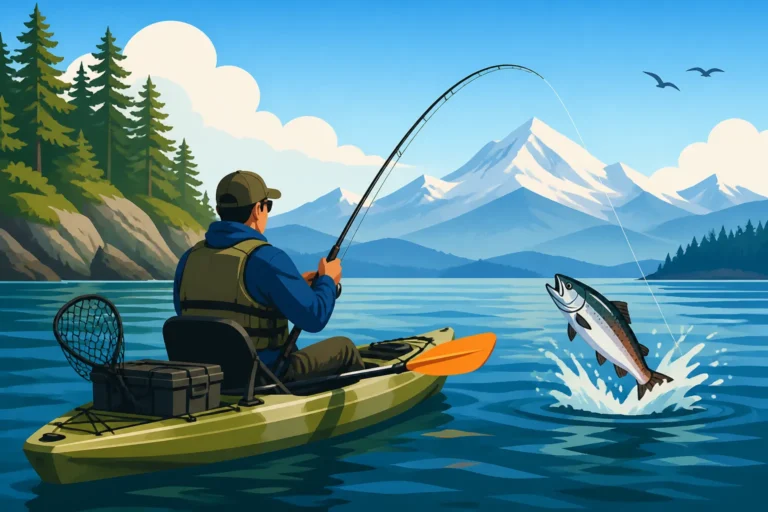
Coho Salmon, or Silvers, are known for their acrobatic fights and aggressive takes. Their runs generally kick off in late summer and continue well into the fall, overlapping nicely with Chinook in many systems. If you're wondering "When Coho Salmon Run in Washington," you'll find them starting to enter rivers like the Skagit, Snohomish, Green, and Puyallup in late August and peaking through September and October. Coho are a fantastic target for both boat and bank anglers, often willing to chase a variety of lures, flies, or baits.
Chum Salmon, sometimes called Dog Salmon, typically arrive later in the fall. While they don't always get the same fanfare as Chinook or Coho, Chum runs can be massive, providing incredible action. If you want to know about "Chum Salmon Identification and Where They Run in Washington," look for their distinctive large teeth and greenish-purple barring as they near spawning. Rivers like the Skagit, Snohomish, and Stillaguamish often see huge pushes of Chum in October and November. They are incredibly strong fish and can provide a memorable fight, especially on lighter tackle.
Pink Salmon, or Humpies, are unique because they only return to spawn in Puget Sound rivers every odd-numbered year. So, if it's an even year, don't expect to see them! When they do run, usually in mid-to-late summer (August-September), their numbers can be astronomical, offering fantastic light-tackle fishing opportunities. Rivers such as the Skagit and Snohomish systems are particularly known for their massive odd-year Pink runs.
Navigating Regulations and Emergency Closures
This is where things get tricky, and it's absolutely vital to be diligent. Washington's fishing regulations, especially for salmon in rivers, are notoriously complex and can change at a moment's notice. Relying on last year's knowledge or even last month's can lead to a costly violation or, worse, harm a fragile fish run.
You simply cannot overstate the importance of checking the absolute latest rules before every single trip. The Washington Department of Fish and Wildlife (WDFW) frequently issues "Washington Sport Fishing Seasons and Emergency Closures," which can modify seasons, gear restrictions, or even close entire rivers. Understanding "Emergency Rule Changes: Why Washington's Rules Shift Mid-Season" is crucial; these changes are often driven by real-time run assessments and conservation needs.
Always have the current "Washington Fishing Regulations Every Angler Should Know" at your fingertips, whether through the official WDFW app or a printed copy. Learning how to effectively navigate and interpret "Reading the Washington Sport Fishing Regulations Pamphlet" is a skill every Washington angler needs to master. Don't just skim it; dig into the details for your specific river and species.
Essential Considerations for River Salmon Fishing
Beyond knowing which rivers and when, there are practicalities and ethical considerations that define a responsible and successful river salmon angler. Getting these right will not only improve your chances but also ensure you’re contributing positively to the future of the fishery.
Licenses, Endorsements, and Catch Cards
Before you even think about putting a line in the water, you need to be properly licensed. This isn't just a formality; it's how fisheries management is funded. Everyone over the age of 15 needs a valid Washington fishing license. Whether you're a local or visiting, understanding the nuances of a "Washington Fishing License Guide for Nonresidents" or "Resident vs Nonresident Fishing Licenses in Washington" is important.
For salmon and steelhead, a crucial component is the Catch Record Card. This isn't just a suggestion; it's a legal requirement. Knowing "The Washington Catch Record Card and What It Requires" is vital. Every salmon, steelhead, or halibut you keep must be immediately recorded on this card. It's how WDFW gathers vital data to manage runs and set future seasons. Even if you're only planning to do catch-and-release, it's a good idea to have one, especially if you think you might change your mind and keep a legal fish. If you're wondering "Do Kids Need a Fishing License in Washington?", remember that while some age groups might not need a license, they often still need a Catch Record Card for specific species.
Access, Techniques, and Booking a Guide
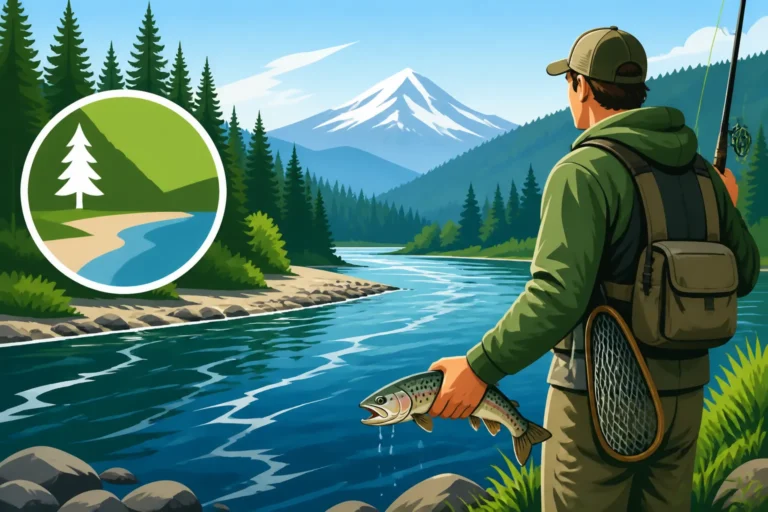
River fishing for salmon offers a variety of experiences. Access can range from easy bank fishing spots in urban parks to remote stretches requiring a drift boat or extensive hiking. Rivers like the Snohomish and Puyallup offer numerous public access points for bank anglers, while more pristine systems might require a boat.
As for techniques, you’ll see everything from drift fishing with eggs or beads, plunking heavy weights with Brad's Wigglers or Spin-N-Glos, to casting spoons and spinners. For those who prefer to fish from shore, mastering "Bank Fishing Techniques for Washington Salmon" can be incredibly rewarding. Each river and species might favor a slightly different approach, so observing other anglers and doing your homework can pay off.
For many, especially those new to Washington's complex river fisheries, the value of a local guide cannot be overstated. A good guide knows the river's secrets, the current hot spots, and, critically, the ever-changing regulations. If a river system seems too complex, platforms like FishingBooker offer a convenient way to find reputable guides who know the ins and outs of local salmon runs and current regulations. They can provide all the necessary gear and teach you the specific techniques that work best for that particular stretch of river. When planning your adventure, especially on unfamiliar waters, consider checking FishingBooker for available local guides. A quick search on FishingBooker can often yield results for guides operating on the Puyallup, Green, or Nisqually rivers, providing a tailored experience. For those considering a guided experience, looking at options through services like FishingBooker can make the booking process seamless, especially when thinking about a "Booking a Fishing Charter in Washington" type of trip. Even if you plan to go solo, browsing guide listings on FishingBooker can give you an idea of popular areas and target species for specific times of year.
Conservation and Responsible Angling
Ultimately, the future of salmon fishing in Puget Sound rivers rests on the shoulders of every angler. Practicing responsible angling is not just about following the rules; it's about being a steward of the resource. Always be acutely aware of "How Bag and Possession Limits Work in Washington." These limits are put in place for a reason – to ensure sustainable harvests and protect fragile runs.
If you're practicing catch-and-release, especially for wild salmon or steelhead, use proper techniques to minimize stress on the fish. Use barbless hooks, keep the fish in the water as much as possible, and handle them gently. Beyond the fish themselves, pack out everything you pack in, and leave the riverbank cleaner than you found it. Respect private property and other anglers. Our collective actions directly impact the health of these incredible rivers and the salmon that return to them.
Puget Sound Salmon Rivers at a Glance
To give you a quick overview of some of the major players, here's a helpful table summarizing key information:
| River System | Primary Salmon Species | Peak Season (General) | Typical Access | Notes |
|---|---|---|---|---|
| Skagit River | Chinook, Coho, Pink, Chum | Fall (Coho, Chum), Odd-year Summer (Pink), Fall (Chinook) | Bank, Boat | Wild fish focus, complex regulations, scenic |
| Stillaguamish River | Coho, Chum | Fall | Bank | Highly regulated due to conservation, challenging |
| Snohomish River | Chinook, Coho, Pink, Chum | Summer/Fall | Extensive Bank, Boat | Popular, good hatchery returns, urban access |
| Puyallup River | Chinook, Coho | Fall | Bank, Boat | Strong hatchery influence, urban fishing, busy |
| Green River | Chinook, Coho | Fall | Bank, Boat | Accessible, good for Coho, near population centers |
| Nisqually River | Chinook, Coho | Fall | Bank, Boat | Unique ecosystem, strong runs, scenic |
Disclaimer
Fishing regulations can change frequently. Always consult the latest Washington Department of Fish and Wildlife (WDFW) regulations before heading out. This guide provides general information and should not be used as a substitute for official WDFW resources.