Do You Need a Drift Boat for the Skykomish?
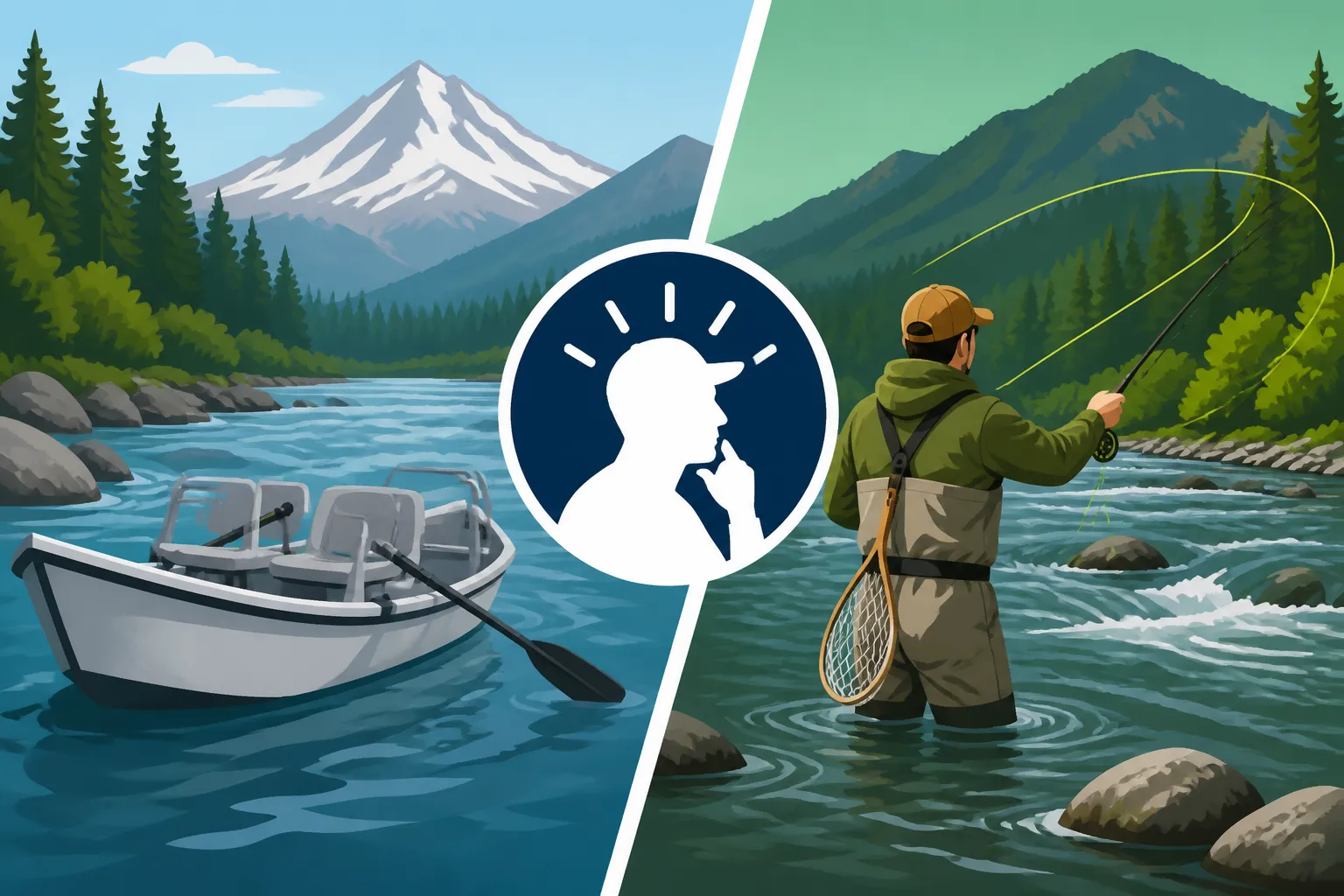
The thought of chasing Washington's legendary salmon and steelhead often conjures images of sleek drift boats gracefully navigating powerful rivers. For many anglers dreaming of a productive day on the Skykomish River, this can lead to a nagging question: do I absolutely need a drift boat to find success? It’s a common frustration, feeling like you’re missing out on prime water if you don’t have one. But let me tell you, that's not always the case! This guide is going to walk you through everything you need to know about fishing the Skykomish, whether you're floating in style or keeping your feet firmly on the bank.
The Allure of the Skykomish: Why Anglers Love It and Often Assume Boats Are Essential
The Skykomish River, affectionately known as "The Sky" by locals, holds a special place in the hearts of Washington anglers. It’s a beautiful, dynamic river that flows from the Cascade Mountains and eventually meets the Snohomish River, offering diverse habitats for a variety of sought-after fish species. This diversity is precisely why many assume a boat is necessary to unlock its full potential.
A Diverse Fishery for Salmon and Steelhead
The Skykomish is renowned for its vibrant runs of anadromous fish, those incredible species that spend part of their lives in the ocean before returning to freshwater to spawn. You'll find strong pushes of Chinook (King) salmon, often considered the prize jewel of Washington fisheries, alongside feisty Coho (Silver) salmon. But perhaps its biggest draw, especially through the colder months, is its reputation as a premier steelhead river. Whether you’re targeting a powerful chrome bright winter steelhead or a acrobatic summer steelhead, the Skykomish delivers.
The river itself is a tapestry of different water types. You'll encounter deep, slow-moving pools where salmon often stack up, perfect for soaking bait or back-trolling plugs. Then there are the swift, turbulent riffles, ideal for drift fishing for steelhead, and long, current-seamed runs that can hold fish from top to bottom. This varied topography means that fish aren't just in one type of water; they're spread out, which contributes to the perception that you need to cover a lot of ground to find them. Knowing the Washington Sport Fishing Seasons and Emergency Closures is crucial for timing your trip to these runs.
The "Traditional" Drift Boat Experience
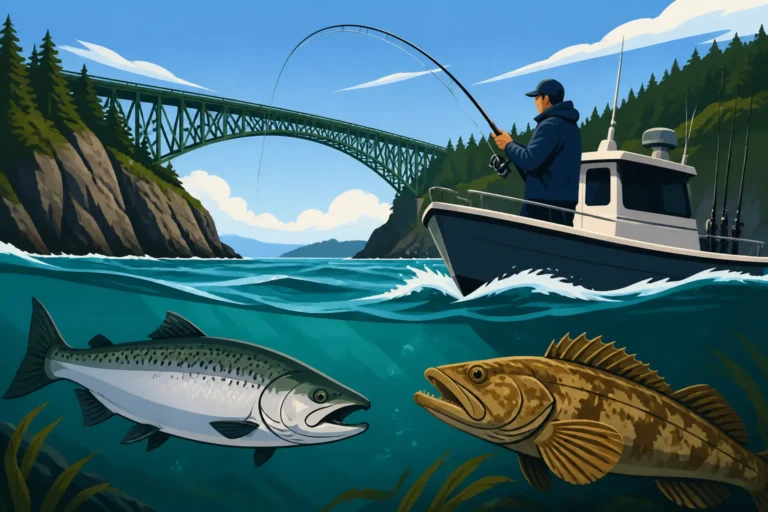
It’s no secret that drift boats have become synonymous with fishing the Skykomish. If you’ve ever driven along Highway 2 in the fall or winter, you’ve undoubtedly seen a steady procession of drift boats being trailered to and from the river. There’s a very good reason for this popularity: efficiency and access. A drift boat allows anglers to quietly and effectively cover miles of prime fishing water in a single day.
From a drift boat, you can present your gear to virtually every nook and cranny of the river. Guides and experienced private boaters expertly navigate seams, tail-outs, and deep holes that are simply unreachable from shore. They can stop and anchor in productive spots, or slowly "drift" through a long run, allowing multiple presentations over potential holding water. This ability to move freely, cover vast stretches, and present baits or lures in precise ways makes the drift boat a highly effective tool, leading many to believe it's the only way to consistently catch fish on this river. However, as we'll explore, that's not the whole story.
Breaking Free from the Boat: Successful Bank and Wade Fishing on the Skykomish
While drift boats certainly offer advantages, don't let the lack of a boat deter you from experiencing the Skykomish. Many fantastic fishing opportunities exist for the bank angler and the wade fisherman. With the right approach and knowledge of the river, you can absolutely have a productive and incredibly rewarding day on the water without ever stepping into a boat. It just takes a bit more strategic planning and a keen eye for accessible water.
Prime Public Access Points for Shore Anglers
The good news is that the Skykomish River offers numerous public access points where you can effectively fish from shore. You won't be able to cover as much water as a drift boat, of course, but by focusing on high-percentage areas, you can still intercept migrating salmon and steelhead. One of the most popular and productive spots is the WDFW access at Reiter Ponds Hatchery near Gold Bar. This area often has a high concentration of returning hatchery fish, especially during salmon and steelhead runs, thanks to the nearby hatchery operations. You'll find a mix of deeper holes and swift runs here that are very accessible.
Further downstream, areas around Sultan and Gold Bar along Highway 2 also provide various pull-offs and public access points. Look for designated public easements, parks, or areas under bridges where you can safely access the river. While some spots might require a bit of a hike, they can reward you with solitude and unpressured water. The trick is to observe the water, look for current breaks, deeper pockets, or areas where fish might rest as they move upstream. Remember to always be respectful of private property and adhere to Washington Fishing Regulations Every Angler Should Know. You can find more specific access points by checking local maps or WDFW resources, which often list public boat launches and bank access.
Effective Techniques for the Bank-Bound Angler
Since you're limited to a fixed position on the bank, your techniques need to be adapted to maximize your chances. One highly effective method for salmon, especially during periods of higher water or slower currents, is plunking. This involves rigging a heavy sinker to hold your bait (like cured roe or even a Brad's KillerFish plug) in the current, letting the fish come to you. It's a fantastic way to fish larger runs from a stationary position. You can learn more about this by checking out our guide on Plunking for Salmon on Washington Rivers.
For steelhead and even coho, bobber dogging or simply using a float and jig/bait setup can be incredibly productive. You're casting upstream and letting your float drift naturally through a promising run, keeping your presentation in the strike zone. This method requires some skill in mending your line and reading the current but is highly effective. Another excellent option is casting spoons and spinners. These can be retrieved through pools and runs, imitating baitfish or injured prey, and often provoke aggressive strikes from both salmon and steelhead. For tips on this, our article on Casting Spoons and Spinners for Washington Steelhead is a great resource. You'll want a medium-heavy rod for casting larger lures and fighting strong fish in heavy current, and consider getting a The Two-Pole Endorsement in Washington, Explained to maximize your opportunities if regulations allow.
The Art of Wade Fishing the Skykomish
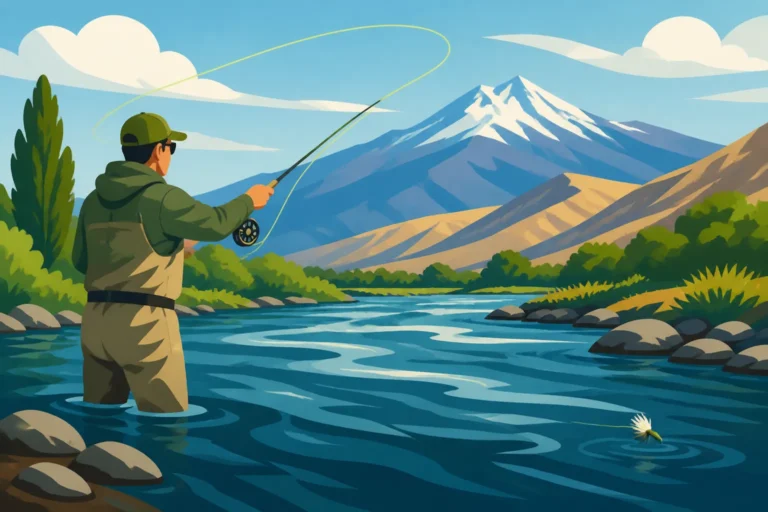
For many, wade fishing offers an even more intimate and immersive experience with the river. While it requires appropriate gear—good quality waders, studded wading boots for grip, and often a wading staff for stability—it allows you to get into positions that bank-only anglers can't reach. The Skykomish has many stretches with gravel bars and moderate currents that are perfect for wading, especially during lower flows.
When wade fishing, you're essentially becoming a part of the river. You can carefully move along the edges of runs, cast into prime seams, and present your offerings with greater precision than from a static bank position. The key is safety: always know the water conditions, never wade alone if possible, and always be aware of changing currents and slippery rocks. Look for deeper slots, current breaks behind large rocks, or the softer inside bends of runs where fish might be resting. Learning How to Read Water for Bank-Fishing Salmon is paramount here, as it translates directly to finding success while wading. This approach is particularly effective for targeting Steelhead: Washington's Ocean-Run Rainbow Trout with drift gear or fly patterns.
When a Drift Boat Truly Amplifies Your Skykomish Adventure
While bank and wade fishing are certainly viable and rewarding, there's no denying that a drift boat brings a different dimension to fishing the Skykomish. It's not about being "better" necessarily, but about offering distinct advantages that can significantly enhance the angling experience, especially for certain species or in particular conditions. Understanding these benefits can help you decide if a guided trip or investing in your own boat might be worth it for future adventures.
Reaching Untouched Waters and Maximizing Coverage
The most significant advantage of a drift boat on a river like the Skykomish is its ability to cover vast amounts of water and access spots that are simply unreachable from the bank. Imagine a beautiful, deep run on the opposite side of the river, far from any public access road. A drift boat can effortlessly place you there, giving you a shot at fish that might not have seen a lure or bait all day. This is particularly true in the middle sections of the river, between established access points, where private land often restricts shore access.
A typical drift boat trip might cover 5-10 miles of river in a day, allowing anglers to target dozens of different types of holding water – from long gravel bars to boulder-strewn pools and tight, brushy banks. This ability to continuously move and present your offering to fresh fish can dramatically increase your chances of finding a bite, especially during slower fishing periods or when fish are sparse. It transforms the fishing experience from waiting for fish to come to you to actively seeking them out in their preferred habitats.
Safety, Comfort, and Gear Management
Beyond just access, drift boats offer considerable benefits in terms of safety and comfort. Rivers like the Skykomish can be powerful, with swift currents and unpredictable conditions. A well-maintained drift boat, operated by an experienced rower, provides a stable platform, allowing anglers to focus on fishing rather than worrying about their footing or unexpected dips in the riverbed. This is particularly important during adverse weather conditions, like cold winter days when a quick slip could lead to a dangerous situation.
Furthermore, a drift boat provides ample space for gear. You can bring multiple rods rigged for different techniques, a cooler packed with snacks and drinks, extra layers of clothing, and even a portable heater on frigid days. This level of comfort and preparedness allows for longer, more enjoyable days on the water. It also ensures that all your tackle and precious electronics remain safe and dry, protected from the elements. No more awkwardly carrying your gear along muddy banks or constantly changing setups with cold, numb fingers.
The Guided Advantage: Leveraging Expert Knowledge (and Boats!)
For many, the drift boat experience on the Skykomish comes through booking a guided trip. Professional guides, like those you can find on platforms such as FishingBooker, spend hundreds of days a year on these rivers. They know every rock, every seam, and every holding lie. They also almost universally operate drift boats, combining their intimate knowledge of the river with the boat's practical advantages.
A guided trip means you not only get to experience the river from a drift boat, but you also benefit from an expert who knows exactly where the fish are, what they’re biting on, and how to present your gear effectively. They provide all the necessary fishing equipment, bait, and often even clean your catch at the end of the day. This is an unparalleled way for beginners to learn the ropes or for experienced anglers to gain insights into a new river. If you’re considering a guided trip, checking out How to Book a Fishing Charter in Washington can provide excellent guidance, and don't hesitate to use a service like FishingBooker to browse options and read reviews for local Skykomish guides. For those just starting out, Finding a Guide for Beginners in Washington can make a huge difference in your success and enjoyment.
Charting Your Course: Deciding What's Right for Your Trip
Ultimately, the decision of whether to fish the Skykomish with or without a drift boat comes down to your personal preferences, resources, and goals for the day. There's no single "right" answer, as both approaches offer unique benefits and challenges. By considering a few key factors, you can decide on the best strategy for your next Washington fishing adventure.
Evaluating Your Resources and Goals
Before you even leave the house, take a moment to honestly assess what you're looking for and what you have available.
- Budget: If you're on a tight budget, bank or wade fishing is clearly the more economical choice. A guided drift boat trip, while incredibly valuable, is an investment.
- Physical Capability: Wade fishing requires decent mobility and balance. If you have physical limitations, a drift boat (especially a guided one where you're seated) might offer a more comfortable and safer experience.
- Time: If you only have a few hours, focusing on a known productive bank access point might be more efficient than trying to arrange a full day's float.
- Desired Experience: Do you crave solitude and the challenge of finding fish from shore, or do you prefer the comfort and extensive coverage a boat offers?
- Target Species and Season: While you can catch Chinook Salmon: Washington's King of Fish or Steelhead: Washington's Ocean-Run Rainbow Trout from shore, certain times of year or specific water conditions might make a boat significantly more effective. For example, during high, murky water, a boat allows more precise bait presentations in heavy current. Our guide on Winter vs Summer Steelhead Runs in Washington, Explained delves into seasonal specifics.
Maximizing Success as a Bank Angler
If you decide to go the bank or wade fishing route (which is a fantastic choice!), here are a few tips to maximize your success on the Skykomish:
| Strategy / Item | Description |
|---|---|
| Scout Locations | Use online maps, WDFW resources, and local knowledge to identify public access points and observe river conditions. Look for current breaks, deep pockets, or log jams where fish might hold. |
| Time Your Trip | Go during peak runs for your target species. Pay attention to tides if you're fishing lower sections, and try to hit the river when it's not too high or too low, generally after a rain but not during a flood stage. |
| Travel Light | If you plan to wade, only bring essential gear. A small backpack or vest can hold extra tackle, water, and snacks. |
| Be Patient | Bank fishing often requires more patience. Find a good spot, work it thoroughly, and be prepared to move if it's not producing. |
| Adapt Techniques | Master Bank Fishing Techniques for Washington Salmon like plunking, bobber setups, or casting hardware. Be ready to switch tactics if fish aren't responding. |
| Observe Others | Watch what successful anglers are doing (respectfully, of course). What gear are they using? Where are they casting? |
Exploring Guided Options
If the idea of a drift boat still appeals but you're not ready to buy or own one, a guided trip is your absolute best bet. Not only will you get to fish from a comfortable and efficient platform, but you'll also benefit from the guide's years of experience on the Skykomish. They'll know the current regulations, the best holes, and the most effective baits and lures for the day. You don't have to worry about owning specific gear, learning the river, or even cleaning your fish – it's all part of the service.
When booking, consider using a reputable service like FishingBooker to compare guides, read reviews, and find a trip that fits your schedule and target species. Make sure to communicate your expectations with the guide beforehand, especially if you're a beginner or have specific fish you want to target. A good guide will tailor the trip to ensure you have the best possible experience, and many specialize in catching Chinook Salmon: Washington's King of Fish or Steelhead: Washington's Ocean-Run Rainbow Trout.
In the end, whether you choose to explore the Skykomish from the bank or from a drift boat, the most important thing is to get out there and enjoy the incredible fishing opportunities Washington has to offer. Both methods can lead to unforgettable catches and stories that will last a lifetime.
Disclaimer
Fishing regulations, seasons, and access points can change frequently. Always consult the latest Washington Department of Fish and Wildlife (WDFW) regulations pamphlet and emergency rule changes before heading out on any fishing trip. This guide is for informational purposes only and does not constitute legal or professional advice.