Is the Similkameen River in Washington Good for Smallmouth Bass?
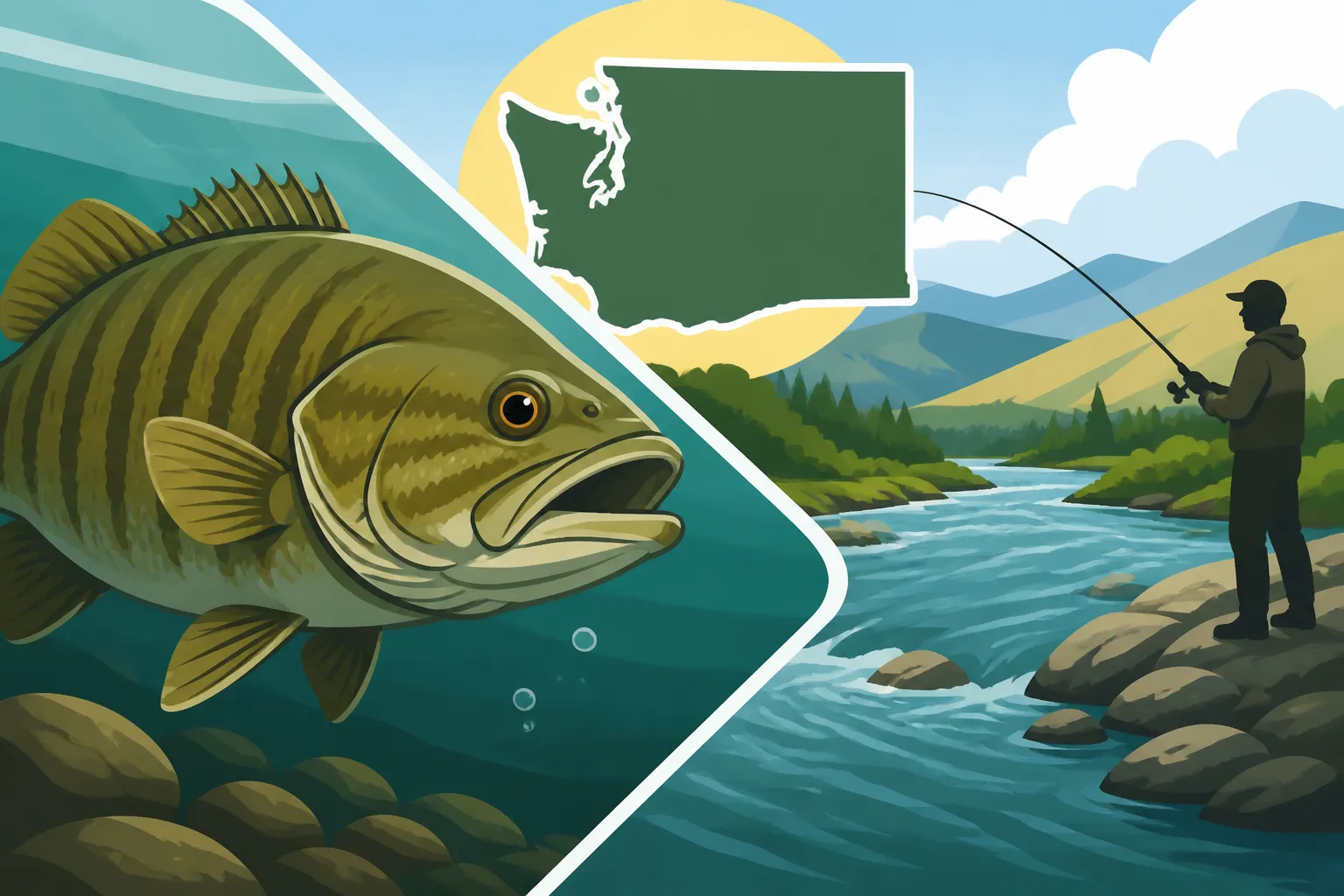
If you're an angler in Washington State, or even just visiting, and you've found yourself searching for that elusive, uncrowded smallmouth bass fishery, you're not alone. It can feel like all the prime spots are either heavily pressured or tough to access. But I'm here to tell you that nestled in the scenic North Central region of the state, the Similkameen River quietly offers some truly fantastic opportunities for chasing smallmouth bass, a feisty and rewarding sportfish that provides thrilling action. This guide will walk you through everything you need to know about targeting these bronze beauties in the Similkameen.
The Similkameen River: A Smallmouth Bass Haven in North Central Washington
When we talk about the Similkameen River, we're not just talking about any river. This isn't your typical Puget Sound salmon stream or a high-elevation trout creek. The Similkameen is a unique body of water that originates in British Columbia, Canada, before flowing south into Washington, eventually joining the Okanogan River. This journey through varied landscapes, from mountains to valleys, creates a diverse habitat that perfectly suits smallmouth bass. It’s a river that offers a different kind of fishing experience, one that’s often overlooked in favor of more famous Washington fisheries.
Understanding the River's Geography and Habitat
The Washington section of the Similkameen River, particularly downstream from Oroville, boasts characteristics that smallmouth absolutely adore. Picture this: a riverbed generously strewn with rocks, gravel, and boulders, creating countless ambush points. There are submerged logs, undercut banks, and current seams where these opportunistic predators love to hide. The water itself tends to be warmer than many other Washington rivers, especially in summer, which is ideal for smallmouth metabolism and growth.
As the river meanders, it offers a mix of faster riffles, moderate runs, and deeper pools. Each of these zones can hold bass, depending on the time of day and water conditions. The rock gardens and larger boulders create current breaks where bass can expend less energy while waiting for prey. These structural elements are key; smallmouth bass are masters of using their environment to their advantage, lurking behind a submerged rock or in the shadow of an undercut bank, ready to pounce on anything edible that drifts by. This diverse underwater landscape is precisely what makes the Similkameen such a productive smallmouth fishery, providing both shelter and ample feeding opportunities.
Why the Similkameen is Prime for Smallmouth
Compared to some of the larger, more well-known smallmouth fisheries in Washington, like the Columbia River, the Similkameen offers a more intimate and often less-pressured experience. While the Columbia can certainly produce trophy-sized smallmouth, its vastness can be intimidating, and some sections see significant angling pressure. The Similkameen, on the other hand, is a more manageable river, allowing anglers to thoroughly explore sections and develop a deeper understanding of its nuances.
The abundance of forage fish, crayfish, and aquatic insects in the Similkameen sustains a healthy population of bass. They grow well here, offering solid fights that will test your tackle and skill. What's more, the relatively lower fishing pressure means the bass are often less wary, making them a bit more aggressive and willing to strike a well-presented lure. It’s a fantastic place to hone your river smallmouth skills without the constant competition you might find elsewhere. For anyone interested in the broader regulatory framework governing such waters, it's always wise to consult the guide on Washington Fishing Regulations Every Angler Should Know to ensure you're compliant.
Essential Techniques and Lures for Similkameen Smallmouth
Targeting smallmouth bass in a river environment like the Similkameen requires a slightly different approach than fishing for them in a lake. The constant current, the varied bottom structure, and the transient nature of their feeding zones mean you need to be versatile and observant. Having the right tackle and knowing how to present your offerings effectively are critical for consistent success.
Go-To Lures and Baits for Success
Smallmouth bass are aggressive predators, and they respond well to a variety of artificial lures that mimic their natural prey. Here are some proven options for the Similkameen:
- Crankbaits: Medium-diving crankbaits that deflect off rocks are incredibly effective. Look for natural patterns like crayfish, perch, or shiner. Cast them upstream or across current and retrieve them quickly enough to get them diving, letting them bounce and deflect off the bottom. This erratic action often triggers reaction strikes. Brands like Rapala, Strike King, and Norman are popular choices.
- Jigs: Soft plastic jigs, especially those imitating crayfish or baitfish, are deadly when bounced along the bottom. Try a ¼ to ⅜ ounce jig head with a craw-style trailer or a grub body in green pumpkin, black, or brown. Work them slowly through deeper pools and around current breaks. The subtle action of a jig can entice strikes from even finicky bass.
- Soft Plastics: Wacky-rigged Senkos, drop-shotted worms, or tube baits are excellent for working specific pieces of structure. These offer a more finesse approach, often effective when the bite is tough. Let them drift naturally with the current or slowly twitch them along rocky edges. For more specific recommendations, checking out Best Lures for Washington Smallmouth Bass can provide additional insights.
- Topwater Lures: During low light conditions (early morning, late evening) or on cloudy days, topwater lures like poppers, walking baits, or buzzbaits can be explosive. Cast them near cover or slack water pockets and work them with a steady retrieve or intermittent pauses. Seeing a smallmouth erupt on a topwater lure is one of the most exciting experiences in bass fishing.
- Spinners and Spinnerbaits: These are great for covering water quickly and attracting aggressive bass. Inline spinners (like Mepps or Rooster Tail) or compact spinnerbaits in white, chartreuse, or natural baitfish colors can be retrieved through moderate current or cast into eddies. The flash and vibration can be irresistible.
For live bait enthusiasts, crayfish or small minnows, if legal and responsibly sourced, can also be highly effective, fished on a simple Carolina rig or under a bobber in slower sections. Always check local regulations regarding bait use.
Mastering Presentation and Retrieval
The key to success on the Similkameen is understanding where the bass are likely holding and how to present your lure to them. Smallmouth are often found near current breaks, which could be anything from a large boulder to a submerged log or a seam where faster water meets slower water. Cast your lure upstream of these features and allow it to drift naturally into the strike zone.
When retrieving, focus on maintaining contact with your lure and feeling for any subtle taps or changes in resistance. Smallmouth hits can sometimes be aggressive, but often they feel like a slight "tick" or simply a sudden heaviness. Vary your retrieve speed and incorporate pauses or twitches to make your lure appear injured or erratic. This often triggers a predatory response. Remember, river smallmouth are used to things flowing past them, so a natural, current-assisted presentation is usually best. If you're using a service like FishingBooker to scout local guides, they can provide invaluable real-time insights into the best presentations for current conditions.
Rod, Reel, and Line for River Bass
Your tackle setup needs to be versatile enough to handle both casting accurate presentations and fighting strong, current-fueled smallmouth.
- Rods: A medium-light to medium power spinning rod, 6'6" to 7' in length, with a fast action tip is a fantastic all-around choice. It provides the sensitivity for feeling subtle bites and the backbone to set the hook and steer fish away from snags. For heavier lures or if you prefer baitcasting, a medium power baitcasting rod of similar length works well.
- Reels: For spinning setups, a 2500 to 3000 series reel spooled with reliable line is perfect. For baitcasting, a reel with a good braking system and a medium gear ratio (around 6.4:1 to 7.1:1) is versatile.
- Line: Spool your reel with 8-10 pound test fluorocarbon or monofilament. Fluorocarbon offers excellent sensitivity and low visibility underwater, while monofilament has more stretch, which can be forgiving with aggressive strikes. Some anglers prefer braided line for its strength and sensitivity, typically using 15-20 pound test braid with a fluorocarbon leader (6-8 pound test) for stealth. The choice often comes down to personal preference and the specific technique you're employing. If you're a newcomer to river fishing, this combination of gear can greatly enhance your chances.
Timing Your Trip: Seasons, Water Conditions, and Peak Windows
Understanding when and under what conditions smallmouth bass are most active in the Similkameen River is just as important as knowing what lures to throw. The river's dynamics change throughout the year, and so does bass behavior. Planning your trip around optimal windows can significantly increase your success rate.
Seasonal Breakdown for Smallmouth Activity
Smallmouth bass fishing on the Similkameen can be productive for a good portion of the year, but some seasons definitely stand out.
- Spring (Late April – June): This is prime time! As water temperatures rise into the 50s and 60s Fahrenheit, smallmouth become highly active. The pre-spawn period sees them feeding aggressively to build energy for spawning. They'll move into shallower, rocky areas to spawn when water temps hit the mid-60s. After spawning, males guard the nests, and both sexes remain relatively shallow and hungry. This period offers some of the most consistent action.
- Summer (July – August): The river will be at its warmest, often reaching the high 60s or even low 70s. Bass will often hold in deeper pools, in shaded areas, or in oxygenated riffles during the heat of the day. Early mornings and late evenings can offer explosive topwater action as bass move into shallower feeding grounds. This is a great time to target them with a variety of lures, especially crankbaits and jigs worked through current breaks.
- Fall (September – October): As water temperatures begin to cool, smallmouth enter a "feeding frenzy" phase to pack on calories for winter. They can be found in a variety of depths, often moving into shallower feeding flats during the day and retreating to deeper holes at night. This is another fantastic time for aggressive strikes, particularly with crankbaits and spinnerbaits.
- Winter (November – March): Fishing becomes much tougher as water temperatures drop significantly. Smallmouth become lethargic and typically hold in deep, slow pools. It's not impossible to catch them, but it requires a very slow, finesse approach, often with jigs or soft plastics presented right on their noses. Most anglers focus on other species during these colder months.
Interpreting Water Levels and Clarity
River fishing is always highly dependent on water conditions. The Similkameen is no exception.
- Water Levels: During spring runoff (usually late May to early June, depending on snowpack), the river can become high and muddy, making fishing challenging and sometimes unsafe. Focus on periods after the peak runoff when the river is dropping and clearing. Lower, stable water levels generally offer the best smallmouth fishing, as fish are more predictable in their holding lies. If the river is too low, fish can become spooky and harder to approach, especially in clear sections.
- Water Clarity: Smallmouth bass are primarily sight feeders, so good water clarity is highly beneficial. When the water is clear, bass rely heavily on their eyesight, making natural-colored lures and a stealthy approach effective. If the water has a slight stain or "tea color" (common after a rain shower or minor runoff), brighter colored lures (chartreuse, orange) and lures with more vibration (spinnerbaits, rattling crankbaits) can be more visible and effective. Avoid fishing immediately after heavy rains when the river is blown out and muddy; the fishing will likely be poor. Understanding how conditions like How Water Clarity Affects Steelhead Fishing can translate well to bass.
Weather's Influence on Similkameen Bass
Weather plays a significant role in smallmouth behavior.
- Sunny vs. Cloudy: On bright, sunny days, bass often retreat to deeper, shadier areas or hold tight to cover. Focus your efforts on these spots. On cloudy or overcast days, bass tend to be more active and willing to roam shallower, making them more accessible.
- Temperature Swings: Stable weather patterns are usually best. Sudden cold fronts can shut down the bite, making bass lethargic and difficult to catch. Warm, stable periods generally stimulate feeding activity.
- Wind: A light chop on the water can actually improve fishing by breaking up the surface and making bass feel more secure to feed in open areas. However, strong winds can make casting difficult and reduce your ability to feel subtle bites. Adjust your fishing location or technique accordingly.
Accessing the Similkameen River for Smallmouth Fishing
Getting to and fishing the Similkameen River successfully involves understanding your access options, whether you prefer bank fishing or floating. While it's not as developed for recreation as some larger rivers, there are still good opportunities for anglers willing to explore.
Public Access Points and Bank Fishing Opportunities
Much of the Similkameen River flows through private land once it crosses into Washington, but there are still several key public access points.
- Highway 97 Bridges: Areas around the bridges where Highway 97 crosses the Similkameen, particularly near Oroville, often provide good bank access. Look for pull-offs or small parking areas. Always be mindful of private property signs and respect landowners.
- WDFW Access Sites: The Washington Department of Fish and Wildlife (WDFW) manages several access points along the Similkameen and its confluence with the Okanogan. These are often marked and provide dedicated parking. Check the WDFW website for the most up-to-date information on specific sites.
- Oroville Town Limits: Within and immediately surrounding Oroville, there may be some public parks or easements that offer bank fishing. This can be a great place to start, especially if you're exploring the area for the first time.
- General Areas: Explore roads that parallel the river. You might find informal access points, but again, always be vigilant for "No Trespassing" signs. A good map and satellite imagery can help you identify potential spots before you go. Remember, knowing your Washington Fishing Regulations Every Angler Should Know is paramount, especially when navigating public vs. private lands.
Bank fishing can be highly effective, allowing you to thoroughly work pools, riffles, and current breaks. Focus on areas with good cover like submerged rocks or overhanging vegetation. Stealth is your friend here; approach the bank quietly to avoid spooking fish in shallower water.
Floating the River: Drift Boats and Kayaks
For those who prefer to cover more water and access less-pressured areas, floating the Similkameen in a drift boat, raft, or kayak can be an excellent option.
- Drift Boats/Rafts: These are ideal for navigating the varied currents and shallow sections of the Similkameen. You can cover significant stretches of river, stopping to wade fish promising areas. Put-in and take-out points often coincide with WDFW access sites or public bridge crossings. Keep in mind that some sections can have rapids or swift current, so familiarity with river navigation and safety is crucial.
- Kayaks/Canoes: For a more minimalist approach, kayaks or canoes offer fantastic mobility and stealth. They allow you to slip into tight spots and quietly approach prime bass habitat. While not as robust as a drift boat for heavy gear, they are perfect for a solo angler or a pair. If you're wondering about using a similar craft on other waters, you might find useful information in Can You Fish From a Kayak on Lake Washington?, as many principles apply.
Before embarking on a float trip, always scout your put-in and take-out points, understand the river's character for the section you plan to float, and check current water levels. This will ensure a safe and productive day on the water. If you're traveling from out of state and need to understand permit requirements, reviewing the Washington Fishing License Guide for Nonresidents is essential.
Navigating Regulations and Conservation
Fishing responsibly is crucial to maintaining the health of the Similkameen's smallmouth bass population.
- Licenses: Always ensure you have a valid Washington freshwater fishing license. For specific details, you can find information on Do You Need a License for Catch-and-Release Only?.
- Bag and Possession Limits: Be aware of the daily bag and possession limits for smallmouth bass. These can vary by water body and species. You can usually find this information in the annual WDFW fishing regulations pamphlet or on their website. A general overview can be found at Understanding Washington's Daily Bag Limits by Species and How Bag and Possession Limits Work in Washington.
- Conservation: While smallmouth bass are not a native species in Washington, they provide an excellent sport fishery. Practicing catch-and-release for larger, breeding-size fish helps ensure future generations of strong bass. If you choose to keep fish, dispatch them quickly and humanely. Always pack out all your trash, and avoid disturbing spawning areas if you encounter them. If you're looking for a local expert to help you navigate these nuances, especially regarding specific river sections or current regulations, consider checking a platform like FishingBooker for guides operating in the Okanogan region.
Remember to respect private property, leave no trace, and prioritize safety on the river. The Similkameen, while perhaps not as famous as other rivers, holds fantastic smallmouth opportunities for those willing to seek them out.
Here's a quick look at the smallmouth bass season essentials for the Similkameen:
| Season | Water Temperature (Approx.) | Bass Behavior | Recommended Lures | Notes |
|---|---|---|---|---|
| Spring | 50-65°F | Pre-spawn, spawning, post-spawn aggression | Crankbaits, Jigs, Soft Plastics | Excellent time, look for rocky shallows. |
| Summer | 65-75°F | Active feeding, seek deeper/shaded areas | Topwater (AM/PM), Crankbaits, Jigs | Early/late good for surface, mid-day for deeper structure. |
| Fall | 65-50°F | Aggressive feeding for winter preparation | Crankbaits, Spinnerbaits, Jigs | Another peak season, fish can be found in various depths. |
| Winter | Below 50°F | Lethargic, holding in deep, slow pools | Finesse Jigs, Dropshot | Challenging, requires slow presentations. |
Disclaimer
Fishing regulations can change frequently. While this guide provides comprehensive information, it is always your responsibility to consult the latest Washington Department of Fish and Wildlife (WDFW) regulations before heading out. Pay close attention to emergency rule changes, specific area closures, and species-specific rules that may impact your trip. Be safe on the water and always prioritize ethical angling practices.