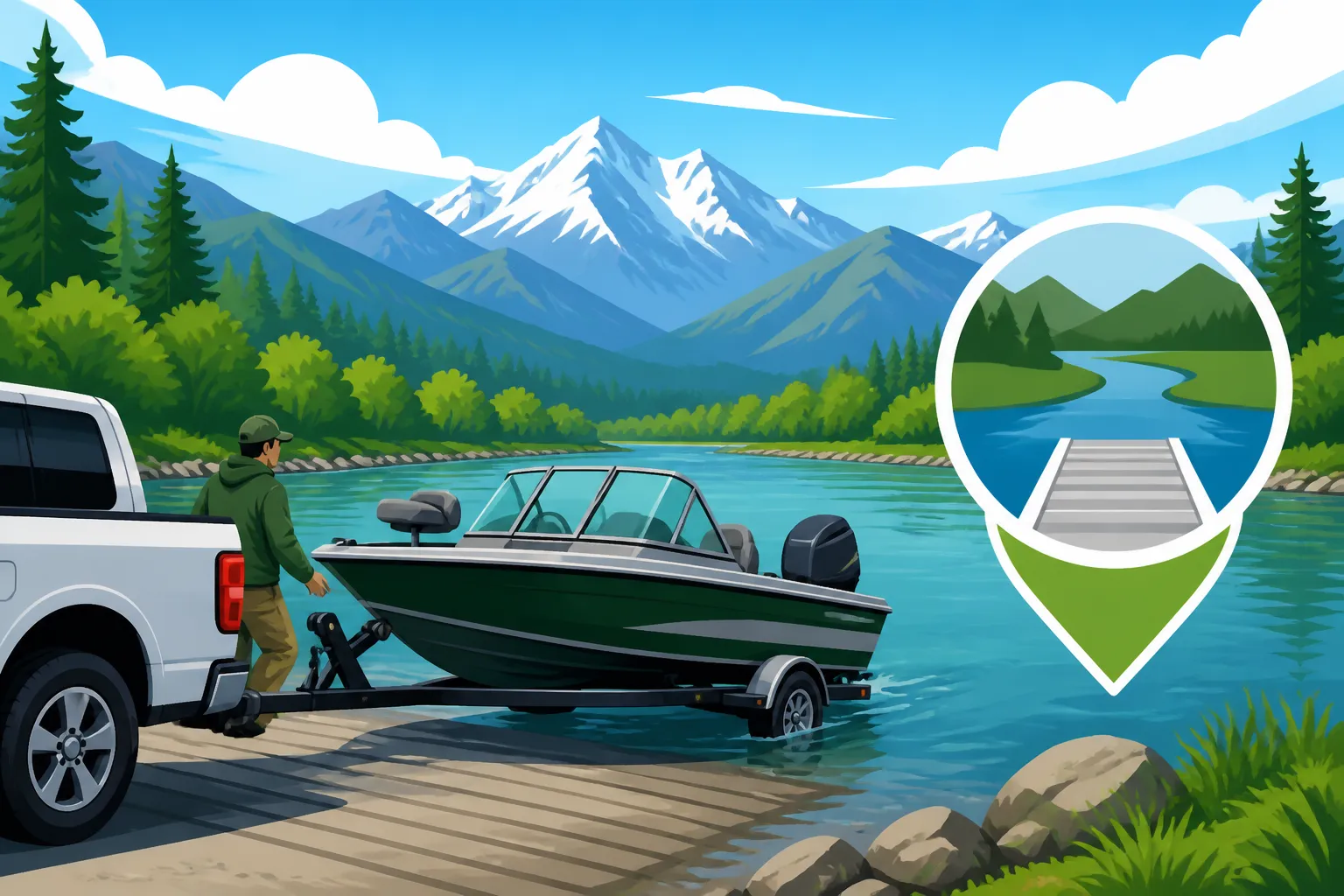
Boat Launch Access on the Skagit River in Washington
Trying to find reliable boat launch access on the Skagit River in Washington can feel like navigating a maze, especially with its dynamic waters and the varying regulations. Many anglers, myself included, have spent frustrating mornings driving up and down the river, searching for a suitable spot to put in their boat, only to find private property, tricky shallow spots, or launches that just aren't quite right for their setup. This comprehensive guide is here to cut through that confusion, detailing the primary boat launch options, what to expect at each, and crucial considerations for a safe and successful Skagit River boating adventure.
Understanding the Skagit River's Unique Challenges for Boaters
The Skagit River, a jewel in Washington's fishing crown, offers incredible opportunities for salmon and steelhead, but it's not always the easiest river to navigate, particularly when it comes to finding reliable boat access. Its character changes dramatically from its upper reaches down to its mouth, and so do the access challenges.
The Skagit River's Dynamic Nature
The Skagit is Washington's largest river by discharge volume, flowing from the North Cascades all the way to Puget Sound. This means it's a powerful, ever-changing waterway. Water levels can fluctuate rapidly due to snowmelt, rainfall, and dam operations, turning a seemingly easy launch into a muddy mess or a shallow hazard overnight. What was a perfect gravel bar access point one week might be submerged or completely washed out the next. This dynamic nature means you can't just assume a launch is in prime condition; local knowledge or recent reports are always your best friend. The river bottom is constantly shifting, creating new channels and sandbars, which can make navigation tricky even for experienced boaters.
Regulations and Conservation Efforts
The Skagit River is home to some of Washington's most iconic wild salmon and steelhead runs, making it a focal point for conservation efforts. This often translates into specific regulations that affect how and where you can fish, and even how you operate your boat. For example, certain areas might have horsepower restrictions or be entirely closed to motorized boats during sensitive spawning periods. You'll need to be particularly aware of "Washington Sport Fishing Seasons and Emergency Closures" which can impact your access. WDFW, in collaboration with tribal co-managers, frequently implements emergency rule changes to protect vulnerable runs, which can unexpectedly alter access or gear restrictions. Always check the latest WDFW regulations before heading out.
Why Access Can Be Tricky
Unlike some smaller, more predictable rivers, the sheer size and varied landscape of the Skagit mean access points aren't always evenly distributed or well-maintained. Many stretches of the river are bordered by private land, limiting public access. What public launches exist might be basic gravel ramps, better suited for drift boats or smaller sleds, rather than larger powerboats. The tidal influence near the mouth can also complicate launching and retrieval, as low tide might leave you high and dry or stuck in deep muck. For those unfamiliar with the river, finding a good, safe, and legal spot to put in can be a significant hurdle, often leading to frustration before you even wet a line.
Key Public Boat Launch Locations on the Skagit River
While challenges exist, the Skagit does offer several public boat launch options. Knowing these key locations and their characteristics will save you a lot of time and potential headaches.
Mouth of the Skagit: La Conner and Nearby
Near where the Skagit River meets Puget Sound, you'll find the most developed boat launch facilities, largely due to the town of La Conner being a popular marine hub.
- La Conner Public Boat Launch: This is arguably the most well-known and user-friendly public launch near the mouth of the Skagit. Located right in the charming town of La Conner, it offers paved ramps, ample parking, and usually good access even at lower tides, thanks to its proximity to the Swinomish Channel.
- Features: Multiple paved ramps, large parking lot suitable for trucks and trailers, restroom facilities, and easy access to the Swinomish Channel and the lower Skagit.
- Suitability: Excellent for larger powerboats, saltwater fishing vessels heading into the Sound, and those looking to fish the tidal reaches of the Skagit. It's generally a reliable launch for a variety of boat types.
- Considerations: While convenient, it can get very busy, especially during peak salmon seasons. Tides in the Swinomish Channel can create strong currents, so be mindful when launching and retrieving. You'll also be sharing the water with a lot of recreational and commercial traffic.
- Hampton Heritage Park (East Skagit Bay): While not directly on the Skagit River itself, this launch offers access to the Skagit Bay, which is directly influenced by the river. It's an alternative for those targeting fish in the bay or the outermost reaches of the river mouth.
- Features: Single paved ramp, limited parking, and a more remote feel.
- Suitability: Best for smaller boats or kayaks that are comfortable navigating open bay waters. It’s less ideal for larger powerboats.
- Considerations: Access to the main Skagit River channels requires a longer run. Wind and wave action in Skagit Bay can be significant, making it less suitable on rougher days.
Mid-River Access: Concrete and Rockport Area
Moving further upriver, the launches become a bit more rustic and cater more to drift boats, smaller jet sleds, and those looking to fish the freshwater sections of the Skagit for "Steelhead: Washington's Ocean-Run Rainbow Trout" or "Chinook Salmon: Washington's King of Fish".
- Concrete Boat Launch (WDFW Access): Located in the town of Concrete, this WDFW access site provides a concrete boat ramp suitable for launching various river craft. It's a popular spot for both powerboats and drift boats heading upriver or down.
- Features: Concrete ramp, decent parking, and generally good access to the mid-Skagit.
- Suitability: Good for jet sleds, drift boats, and smaller powerboats. It's a key access point for fishing the middle sections of the Skagit.
- Considerations: Water levels can significantly impact the usability of the ramp. During very low water, launching larger boats might be challenging. Always check current river conditions.
- Rockport State Park Boat Launch: While primarily a state park, it often offers basic access to the river. This area is more geared towards smaller boats and offers a more serene experience away from the bustling lower river.
- Features: Often a gravel or unimproved ramp, limited parking.
- Suitability: Best for drift boats, rafts, and smaller jet sleds. Larger, heavier boats might struggle here, especially during low water.
- Considerations: Services are minimal. Access may be dependent on river levels. This launch is typically used by those planning longer floats or targeting specific upriver sections.
- WDFW Marblemount Access: Further upriver, past Rockport, the Marblemount access point offers a basic launch, primarily for drift boats and rafts. This is deep into the upper Skagit, where the river narrows and currents can be stronger.
- Features: Gravel or unimproved ramp, limited parking.
- Suitability: Almost exclusively for drift boats, rafts, and very small, nimble jet sleds.
- Considerations: River conditions are paramount here. Strong currents and shallow sections are common. This is not a launch for novice river boaters or larger vessels.
Upriver Options and Limitations
As you head further up the Skagit, particularly beyond Marblemount towards Newhalem and Gorge Dam, public boat launch access becomes extremely limited or non-existent for typical fishing boats. The river transitions into a more remote, mountainous environment with numerous rapids and hydroelectric dams.
- Limited Public Launches: There are very few, if any, formal public launches suitable for trailered boats in these upper reaches. Most access might be through hiking trails for bank anglers or very basic hand launches for kayaks and pack rafts.
- Focus on Bank Fishing: This part of the Skagit is more often the domain of the "Washington Sport Fishing Regulations Every Angler Should Know" adherent, often targeting trout from the bank, especially where tributaries like the Sauk and Baker rivers enter.
- Safety Concerns: The strong currents, rapids, and dam operations make boating in the uppermost Skagit challenging and, in many areas, dangerous without specialized equipment and expertise. It's generally not recommended for the average recreational angler in a fishing boat.
Here's a quick comparison of some prominent public access points:
| Launch Name | Location (Approx.) | Ramp Type | Parking | Amenities | Suitable For (Boat Type) | Notes |
|---|---|---|---|---|---|---|
| La Conner Public Boat Launch | La Conner | Paved (Multi) | Large | Restrooms, Town proximity | Powerboats, Saltwater vessels, Larger river boats | Can be busy, strong tidal currents |
| Concrete Boat Launch (WDFW) | Concrete | Concrete | Moderate | Basic | Jet sleds, Drift boats, Smaller powerboats | Water level dependent, mid-river access |
| Rockport State Park Boat Launch | Rockport | Gravel/Dirt | Limited | Restrooms (seasonal) | Drift boats, Rafts, Small jet sleds | More rustic, slower currents, scenic |
| WDFW Marblemount Access | Marblemount | Gravel/Dirt | Very Limited | None | Drift boats, Rafts (expert only) | Upper river, strong currents, expert area |
Navigating Private and Informal Access Points
Beyond the official public launches, there are often private and informal access points along the Skagit River. While these can sometimes provide unique opportunities, they come with their own set of considerations and risks.
Resorts, RV Parks, and Private Marinas
Some private establishments along the Skagit River, especially in the lower and mid-river sections, offer boat launch facilities to their guests or for a fee. These can be excellent options, often providing more amenities than public WDFW sites.
- Marinas in La Conner: Beyond the public launch, several marinas in La Conner, like La Conner Marina, offer slips and sometimes transient launch options for a fee. These are generally well-maintained and provide excellent access to the tidal Skagit and Swinomish Channel. They might also offer services like fuel, bait, and tackle shops.
- Private Campgrounds and RV Parks: Some campgrounds along the mid-Skagit, such as those near Rockport or Concrete, may have their own private boat ramps for campers. These are usually unimproved gravel or dirt ramps, best suited for smaller boats like drift boats or jet sleds. Access often requires you to be a registered guest, though some might offer day-use launch fees. It's always best to call ahead and confirm their policies and ramp conditions.
- Guided Trip Launch Points: Many local fishing guides on the Skagit, often found through resources like FishingBooker, have established relationships with private landowners or utilize less-known access points. If you're "Booking a Guide for the Skagit River in Washington", they'll handle all the access logistics, often putting in and taking out at spots that aren't readily available to the public. This can be a huge advantage for maximizing fishing time and avoiding crowds.
The Reality of Unofficial Bank Access
It's common to see anglers trying to access the Skagit from various unofficial spots along its banks. This might be a pull-off along a road, a break in the trees, or a small gravel bar. For very small, hand-launched craft like kayaks, canoes, or rafts, these might seem like viable options.
- Pros: Can offer solitude and access to less-fished areas. No launch fees.
- Cons: These areas are rarely maintained, often have difficult terrain (steep banks, muddy shores, hidden obstacles), and are highly dependent on current river levels. What looks like a good spot one day can be impassable or even dangerous the next. Parking might be limited and illegal, leading to tickets or towing.
- Safety and Legality: Using unofficial access points carries inherent safety risks. There are no facilities, no designated safe launching areas, and no guarantee of safe retrieval. Furthermore, many seemingly "open" areas are private property.
Respecting Private Property
This is a critical point that cannot be overstated. Much of the land along the Skagit River is privately owned. Trespassing, even for a quick launch or to scout a fishing spot, can lead to fines, confrontations, and damage to the angler's reputation.
- Know Before You Go: Always confirm land ownership before attempting to access the river from an unknown spot. Maps and online resources can help identify public land.
- Look for Signs: "No Trespassing" signs are there for a reason. Respect them.
- Be a Good Steward: Even on public lands, always pack out what you pack in. Leave no trace. Parking illegally or blocking access points can sour local attitudes towards anglers and lead to further restrictions on public access. Remember that "Fishing From Boats vs Banks: Different Rules" often apply, and bank access can be more restricted than on-water activities.
Planning Your Skagit River Boat Trip
A successful and enjoyable Skagit River boating trip goes beyond just finding a launch. Proper planning, understanding regulations, and prioritizing safety are paramount.
Checking River Conditions and Forecasts
The Skagit is a powerful river, and its conditions can change quickly. Before you even hitch up your boat, do your homework.
- Water Levels and Flow: Crucial for safety and successful launching. High water can mean swift, dangerous currents and submerged obstacles. Low water can expose rocks, make launches inaccessible, and limit navigability. Check USGS streamflow gauges for the Skagit River (e.g., at Concrete or Marblemount) and local weather forecasts. WDFW also sometimes provides river condition updates during peak fishing seasons.
- Water Clarity: This is particularly important for fishing. "How Water Clarity Affects Steelhead Fishing" and salmon fishing is immense. Heavy rains or snowmelt can turn the river into a muddy torrent, making fishing difficult and potentially dangerous due to hidden debris. You can often get visual reports from local tackle shops or online fishing forums.
- Weather: Wind, rain, and temperature can all impact your trip. Strong winds can make boat control difficult, especially in wider sections of the river. Always prepare for changeable Pacific Northwest weather, meaning rain gear is a must, even on sunny forecasts.
Understanding Required Licenses and Endorsements
Before you launch, ensure you and all your passengers are properly licensed. Washington has specific requirements, and ignorance is no excuse when a WDFW enforcement officer checks your papers.
- Washington Fishing License: Everyone aged 15 and older needs a valid Washington fishing license. Depending on whether you're targeting freshwater species (like trout or steelhead) or anadromous species (like salmon), you might need specific endorsements.
- Annual, Short-Term, and Combination Options: "Washington's Annual, Short-Term and Combination License Options" provide flexibility. If you're just visiting for a short trip, a 1-day or 3-day license might be sufficient. If you plan multiple trips throughout the year, an annual freshwater or combination (freshwater/saltwater) license is usually more cost-effective.
- Catch Record Cards: If you're targeting salmon or steelhead, you'll need a Catch Record Card, which is issued with your license. You must record your catch immediately upon retention. Failure to do so is a common and easily avoidable violation.
- Columbia River Salmon and Steelhead Endorsement: While the Skagit isn't the Columbia, ensure you understand if any of your other fishing plans require this endorsement, as confusion can sometimes arise.
- Two-Pole Endorsement: If you plan to fish with two rods where allowed, you'll need a two-pole endorsement, which can be added to your license.
- Carrying Your License: Always have your license and Catch Record Card readily accessible. "Carrying Your Washington Fishing License: Paper, Phone or the MyWDFW App" outlines your options, but make sure whatever method you choose is reliable and visible.
Essential Gear and Safety Precautions
Boating on any river, especially a dynamic one like the Skagit, requires careful attention to safety.
- Personal Flotation Devices (PFDs): Everyone on board must have an easily accessible, Coast Guard-approved PFD. Children 12 and under must wear a PFD while the vessel is underway. No exceptions.
- Emergency Kit: This should include a first-aid kit, whistle or horn, spare rope, anchor, paddle, flashlight, bailing device, and a fully charged cell phone (though service can be spotty in some remote sections). Consider a satellite messenger for true emergencies.
- Navigation: While the Skagit might seem straightforward, a detailed river map or GPS with river charts can be invaluable for identifying hazards, channels, and landmarks.
- Waders and Layered Clothing: Even in summer, Washington weather can change quickly. Quality rain gear, warm layers, and waders are essential. Hypothermia is a real risk if you or your gear get wet.
- Tell Someone Your Plan: Always inform a trusted person of your float plan, including your launch point, expected take-out, and estimated return time. This is a critical safety measure, especially if you're exploring less-traveled areas or if you're not going with a guide (many of whom log their trips for safety purposes, particularly those listed on FishingBooker).
- Respect Other Users: The Skagit is used by many – other anglers, kayakers, tribal fishers, and wildlife watchers. Maintain a safe distance, reduce your wake, and always be courteous.
By understanding the various access options and meticulously planning your trip, you'll significantly increase your chances of a safe, enjoyable, and successful day fishing the incredible Skagit River.
Disclaimer
The information provided in this guide is for general informational purposes only and is subject to change. Washington fishing regulations, seasons, and access points can change frequently due to biological data, emergency rule changes, and other factors. Always consult the official Washington Department of Fish and Wildlife (WDFW) regulations pamphlet or website for the most current and accurate information before planning any fishing trip.