Does the Wind River in Washington Hold Summer Steelhead?
The call of Washington's wild rivers, especially those famed for powerful steelhead, is a siren song for many anglers. But it's easy to get confused about what's running when and where, especially with the ever-changing seasons and regulations. If you've been wondering if the Wind River in Washington is a spot to chase those elusive summer steelhead, you're not alone. This guide will dive deep into the Wind River's steelhead story, helping you understand its unique runs, what to expect, and how to stay informed before you wet a line.
Understanding the Wind River's Steelhead Dynamics
The Wind River, a beautiful tributary of the Columbia River in Skamania County, has a rich history in Washington fishing. It's renowned for its stunning scenery and, perhaps even more so, for its incredibly strong winter steelhead returns. However, when it comes to summer steelhead, the picture isn't quite as clear-cut as it might be for some other Washington rivers.
Distinguishing Summer from Winter Steelhead
Before we talk specifics about the Wind River, let's quickly touch on the fundamental difference between summer and winter steelhead. It's not just a matter of when they enter the river, but a distinction in their biological life history.
Winter steelhead typically enter freshwater in the fall and winter months, from late October through April, maturing and spawning relatively quickly. They're often heavier, deep-bodied fish, having spent more time feeding in the ocean before their spawning migration. They tend to be more responsive to traditional drift fishing or bait techniques in the colder, often higher water of winter.
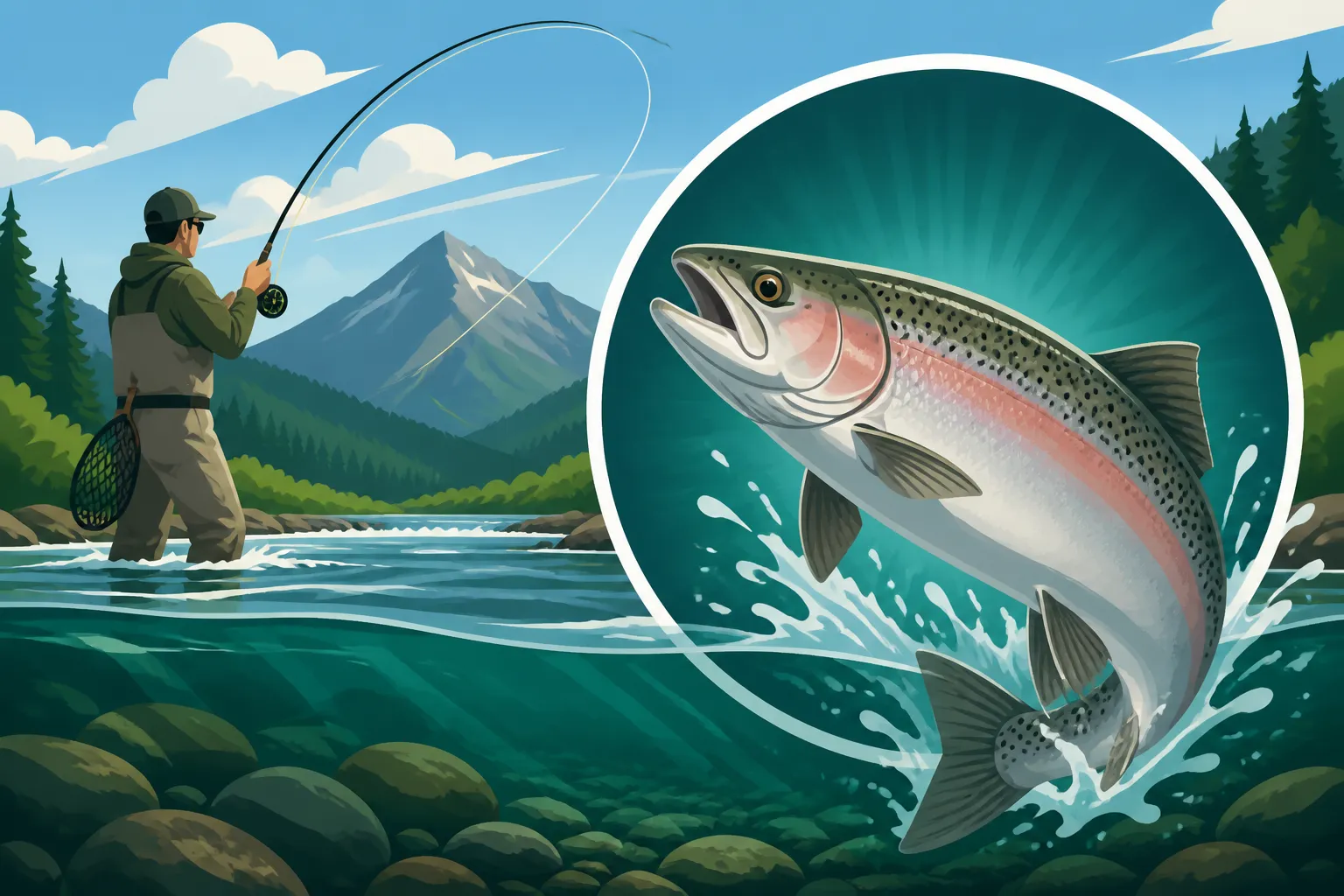
Summer steelhead, on the other hand, enter rivers much earlier in the year, usually from late spring through summer (May to September), often in an immature state. They hold in freshwater for an extended period, sometimes for many months, maturing as the season progresses before spawning the following spring. These fish are often brighter, smaller, and incredibly acrobatic, making them a favorite target for fly anglers. They're built for speed and endurance, holding in deep pools and swift runs during the warmer months. Understanding this difference is key, because rivers often have distinct habitat requirements and environmental conditions that favor one type of run over the other.
Historical and Current Runs on the Wind River
Historically, the Wind River has been primarily celebrated for its robust winter steelhead returns. These runs are a significant draw, often peaking from January through March, offering some incredible fishing opportunities when conditions are right. Anglers flock to its banks and drift boats ply its waters in pursuit of these powerful fish. The presence of a hatchery program on the Wind River further supports these strong winter returns, aiming to provide sustainable fishing opportunities.
However, when it comes to summer steelhead, the Wind River is generally not considered a significant destination. While the occasional summer-run fish might wander into the system from the Columbia River, there isn't a strong, sustained, or targeted summer steelhead fishery on the Wind River like you might find on other rivers such as the Cowlitz, Lewis, or some Olympic Peninsula rivers. The Washington Department of Fish and Wildlife (WDFW) regulations typically reflect this, with specific seasons and limits primarily geared towards the dominant winter runs. It's not uncommon for anglers to hope for a stray summer fish, but planning a dedicated trip for them on the Wind River would likely lead to disappointment due to their scarcity.
Fishing Opportunities and What to Expect
Even if the Wind River isn't a summer steelhead hotspot, it doesn't mean the river isn't worth visiting in the warmer months. Understanding what is available can still lead to a rewarding trip.
Prime Seasons and Regulations for the Wind River
The prime time for fishing the Wind River is undoubtedly for its winter steelhead. From December through March, you'll find the most action. However, fishing opportunities exist outside of the peak steelhead window. Spring Chinook salmon can also be a target in the lower river, usually in May and June, offering another exciting pursuit. For trout anglers, the upper river and its tributaries might hold resident cutthroat and rainbow trout during general trout seasons, which typically open in late spring.
It's absolutely critical to consult the most current "Washington Sport Fishing Seasons and Emergency Closures" before any trip. Steelhead fishing, in particular, is subject to frequent changes due to run strength, conservation concerns, and other factors. You might find specific gear restrictions, bait bans, or even closures. For example, some stretches of the river might have "Barbless Hook Requirements on Washington Rivers" or be restricted to certain fishing methods to protect wild fish. Remember that "Emergency Rule Changes: Why Washington's Rules Shift Mid-Season" can happen, so checking just before you leave home is always a good idea. You can find these updates on the WDFW website or through their hotline.
Here’s a quick overview of potential species and general timing on the Wind River, though always verify current regulations:
| Species | Primary Season (General) | Notes |
|---|---|---|
| Winter Steelhead | December – March | Strong hatchery runs, highly targeted. |
| Spring Chinook Salmon | May – June (Lower River) | Dependent on returns and specific regulations. |
| Summer Steelhead | Minimal/Rare | Not a targeted fishery; stray fish may be present but are uncommon. |
| Resident Trout | Late Spring – Fall | Upper river and tributaries, general statewide trout season rules apply. |
Techniques and Gear for Wind River Fish
If you're heading to the Wind River, your gear should primarily be set up for winter steelhead or salmon. For steelhead, "Drift Fishing for Steelhead in Washington Rivers" with various presentations like Corkies, yarn, or bait under a float is incredibly effective. Back-bouncing roe is another popular method. For those who enjoy fly fishing, "Fly Fishing Techniques for Winter Steelhead in Washington" can also yield success, often involving Spey or switch rods with heavy sink tips and large flies in the deeper pools.
When fishing for spring Chinook, similar heavy gear might be used, often involving Kwikfish or wobblers from a boat, or plunking from the bank in specific spots. If you plan to target resident trout in the upper reaches, lighter spinning gear with small spinners or spoons, or a 3-5 weight fly rod with dry flies, nymphs, or small streamers would be more appropriate. "How Water Clarity Affects Steelhead Fishing" is a huge factor on the Wind River, so always be prepared to adjust your gear and presentation based on conditions. If the river is running high and off-color, brighter, larger presentations might be key, while low, clear water demands finesse.
Navigating the Complexities of Washington Steelhead Fishing
Washington's steelhead fisheries are among the most dynamic and often complex in the nation. It's not just about knowing if a river holds summer steelhead, but understanding the bigger picture of conservation, hatchery programs, and ever-evolving rules.
The Importance of Checking WDFW Regulations
I cannot stress this enough: always, always check the current WDFW regulations. The information in the annual pamphlet is a starting point, but steelhead rules, especially on rivers connected to the Columbia, are prone to "Emergency Rule Changes: Why Washington's Rules Shift Mid-Season." These changes can be announced just days or even hours before they take effect, impacting everything from open dates, bag limits, and legal gear. The WDFW website has a dedicated emergency rules page, and signing up for their email alerts is a smart move. Understanding "Washington Fishing Regulations Every Angler Should Know" can save you from a costly and embarrassing citation.
Consider the intricacies of a "Washington Fishing License Guide for Nonresidents" if you're visiting, and always ensure you have the correct "Washington's Columbia River Salmon and Steelhead Endorsement, Explained" if you plan to fish salmon or steelhead in the mainstem Columbia or its tributaries like the Wind River. Don't forget your "The Washington Catch Record Card and What It Requires" too! Even if you don't keep fish, understanding these documents is part of being a responsible angler.
Working with Local Knowledge and Guides
For any river you're unfamiliar with, or even familiar ones whose conditions are changing, tapping into local knowledge is invaluable. This could mean chatting with staff at local tackle shops in places like Stevenson or Carson, who often have the most up-to-date information on river conditions and what's biting.
Hiring a local fishing guide, especially one specializing in the Wind River, can transform your experience. Guides are on the water constantly, adapting to conditions and regulations daily. They know the subtle nuances of where fish hold, what techniques are working, and most importantly, they are fully informed on all current rules and closures. A good guide isn't just about catching fish; they're about teaching you the river, its fish, and how to navigate its complexities safely and legally. Services like FishingBooker can help you find reputable local guides who specialize in the Columbia River system and its tributaries. While you might not find a guide specifically for summer steelhead on the Wind River, they can certainly show you the ropes for the more prevalent winter runs or other species. When looking for a guide, check out "How to Vet a Washington Fishing Guide" to ensure you pick a reputable professional. Even if you're just looking for general information on "Columbia River Guided Salmon and Steelhead Trips in Washington," a guide can provide insights that are hard to get anywhere else.
In summary, while the Wind River may not be your go-to for summer steelhead, its winter runs are legendary, and other species offer unique seasonal pursuits. Always fish smart, stay informed, and enjoy the stunning beauty of this Washington gem.
Disclaimer
Please remember that fishing regulations, seasons, and run forecasts are subject to change by the Washington Department of Fish and Wildlife (WDFW). Always consult the latest official WDFW regulations pamphlet, emergency rule changes, and local advisories before heading out on any fishing trip. This guide is for informational purposes only and does not supersede official regulations.