What Makes the San Juans Different From Puget Sound Proper
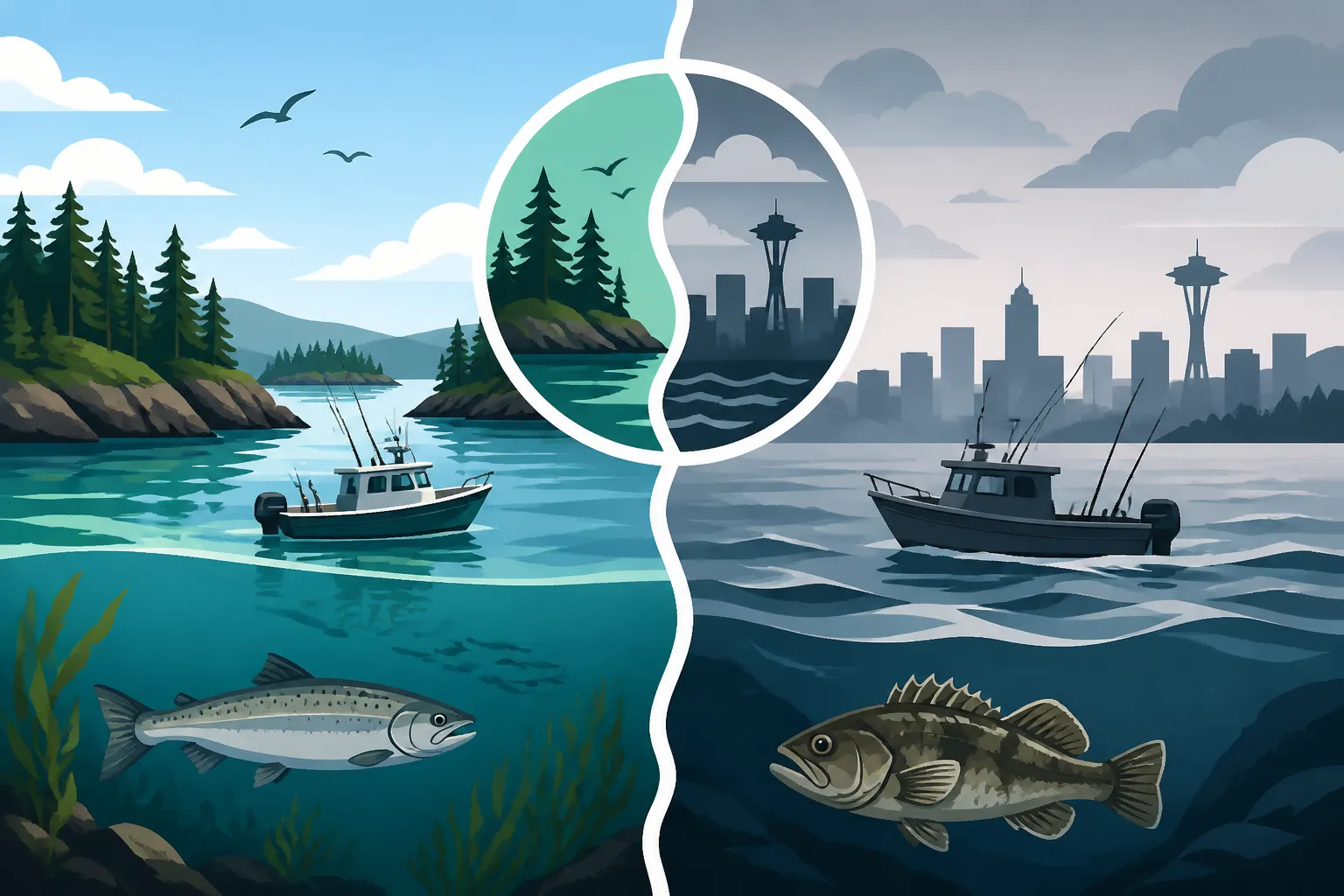
It’s easy to look at a map of Western Washington and think of "Puget Sound" as one big, monolithic fishing ground. But for those of us who've spent years chasing fish here, we know that the majestic San Juan Islands offer an entirely different experience than what we call "Puget Sound Proper." This guide will help you understand the crucial distinctions between these two incredible, yet remarkably diverse, fishing regions so you can plan your next angling adventure wisely.
Geographic and Environmental Distinctions
The fundamental differences between the San Juan Islands and Puget Sound Proper really boil down to their unique geography and how that shapes the marine environment. It’s not just about a few islands; it’s about a completely different underwater world.
Islands vs. Mainland Coastlines
When we talk about the San Juan Islands, we're referring to an archipelago of over 400 islands and islets, located roughly between the Washington mainland and Vancouver Island, British Columbia. This creates a labyrinthine network of channels, passages, bays, and coves. The coastline here is incredibly diverse, with steep rock walls dropping into deep water, kelp beds, rocky reefs, and occasional sandy stretches. Access is often via ferry or private boat, with many spots only reachable by water.
In contrast, Puget Sound Proper generally refers to the main basin of Puget Sound, extending south from the Whidbey Island area down past Seattle and Tacoma. Here, you're looking at a more expansive, open body of water bordered primarily by mainland coastlines. While there are islands like Whidbey and Vashon, they are fewer and larger, not part of a tight-knit archipelago. The shorelines tend to be less dramatic in terms of sheer drops, with more gradual slopes, expansive mudflats in certain areas, and larger urban centers directly on the water. This means easier road access to many shoreline fishing spots and more widespread boat launch facilities right off the highway.
Water Flow, Currents, and Protection
The intricate network of islands in the San Juans dramatically influences water flow. Tides rushing in and out are funneled through narrow passages, creating powerful currents, rips, and eddies that are much more pronounced and complex than in many parts of Puget Sound Proper. These dynamic waters churn up nutrients, making for a rich feeding ground. Additionally, the sheer number of islands provides countless sheltered bays and coves, offering refuge from strong winds and rough seas, even when conditions are sporty offshore. This makes it a fantastic area for smaller boats or for finding a calm spot to fish when the weather turns.
Puget Sound Proper, while still tidal, often experiences more consistent, less turbulent flows, especially in its wider, deeper channels like those off the Kitsap Peninsula or in the central basin. While certain areas like Deception Pass can have extreme currents, the overall complexity of current patterns is generally lower. When strong winds pick up, the more open nature of Puget Sound Proper can lead to much larger, less forgiving waves and chop, with fewer immediate refuges. This means anglers often need to pay closer attention to marine forecasts and plan their trips around predicted wind conditions, as escaping rough water can mean a long run back to a distant boat ramp.
Baitfish Dynamics and Food Sources
The rich and varied habitats of the San Juan Islands – from deep water rock formations to expansive kelp forests – support a truly incredible diversity of baitfish. You’ll find schools of herring, sand lance, candlefish, and juvenile salmon moving through these waters, attracting larger predators. The nutrient upwelling driven by strong currents further enriches this food web, making it a prime location for foraging salmon and bottomfish. This abundance often means that fish in the San Juans are actively feeding and can be found in a wider range of depths and locations, following the bait.
In Puget Sound Proper, baitfish populations are still strong, especially herring, but their distribution can be more localized and migratory, often influenced by the proximity of larger river systems and urban runoff. While specific areas like the waters around Possession Bar or Jeff Head are renowned for their bait concentrations, the broader Sound might see more transient schools. Understanding these local bait movements is crucial for success here, as salmon will often follow these predictable patterns. The health of the baitfish population directly impacts the success of the salmon runs.
Unique Fisheries and Target Species
While both regions offer fantastic fishing, the distinct environments mean that the prevalence, timing, and even the "personality" of certain fisheries can differ significantly.
Salmon Runs: Timing and Types
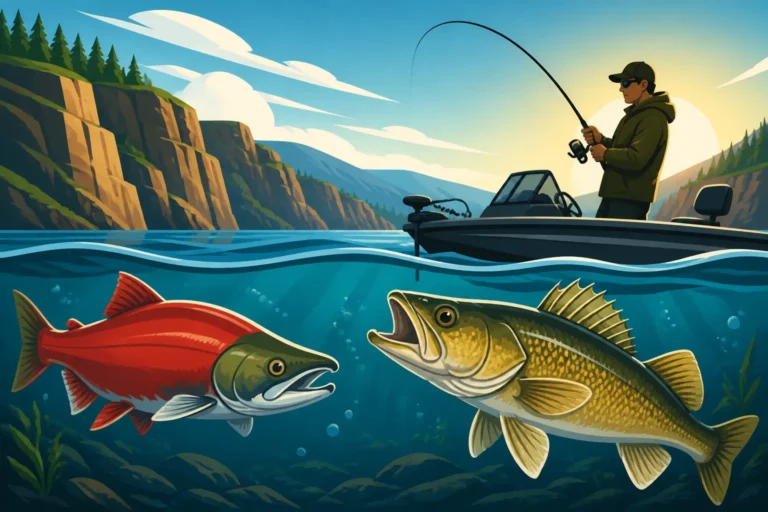
The San Juan Islands are renowned for their salmon fishing, particularly for Chinook (King) and Coho (Silver) salmon. Because of their proximity to the open ocean and the migration routes of fish heading to various rivers across the region (including British Columbia, Washington, and even some Oregon streams), the San Juans often see earlier runs of Chinook and Coho. Anglers fishing here might encounter "feeder kings" year-round, which are juvenile Chinook that are actively fattening up in the nutrient-rich waters before they make their final push to their spawning rivers. The fishing seasons here, often designated as Marine Area 6 for much of the islands, can open earlier and sometimes stay open longer for certain species compared to more southerly areas. If you're looking for When Chinook Salmon Run in Washington's Puget Sound, you'll find early opportunities here.
Puget Sound Proper, encompassing marine areas like 7, 8-1, 8-2, 9, 10, and 11, sees its major salmon runs slightly later as fish migrate further south and east towards their natal rivers like the Skagit, Snohomish, Nisqually, and Puyallup. The peak of the Chinook fishery in Central Puget Sound (Marine Area 9) often comes in mid-to-late summer, followed by a strong Coho run in late summer and early fall. While you can certainly catch salmon throughout Puget Sound Proper, the fishing can sometimes be more transient, with fish moving quickly through areas on their way to river mouths. Understanding Puget Sound Salmon Closures: What Washington Anglers Need to Know is paramount in these busy areas. Trolling is a very popular method for Trolling for Salmon in Washington's Puget Sound.
Bottomfish Diversity and Habitat
The San Juans boast an incredible diversity of bottomfish thanks to their rugged, rocky bottom structure, deep pinnacles, and extensive kelp beds. This is prime habitat for robust populations of Lingcod, a variety of Rockfish (including Black, Copper, and Quillback), Cabezon, and even some Pacific Halibut when seasons permit and you venture to specific deeper banks. The complex underwater terrain provides countless ambush points and hiding spots for these species, making for exciting jigging and bait fishing opportunities. Anglers often find themselves fishing steep drop-offs or humps, where the current is strong and the fish are actively feeding. You'll find a full guide on Washington's San Juan Islands for Salmon and Lingcod for more details.
Puget Sound Proper also offers bottomfishing, but with slightly different characteristics. While you can find Lingcod and Rockfish, particularly around the more defined rocky structures near islands like Whidbey or in certain passages, the overall habitat can be less complex than the San Juans. Many areas feature softer bottoms, which are more conducive to species like Pacific Cod, Flounder, and Sole. Conservation efforts have led to strict regulations and closures for certain rockfish species throughout Puget Sound Proper, making it critical to know the rules specific to your chosen marine area. Bottom Fishing for Lingcod and Rockfish off Washington offers more context.
Shellfish Opportunities
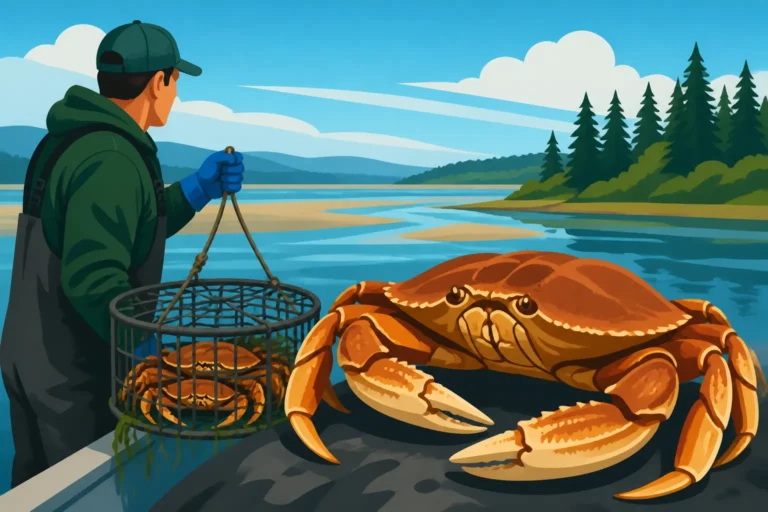
The San Juan Islands are a haven for various shellfish, including Dungeness crab, spot prawns, and various clam species. The numerous protected bays and nutrient-rich waters create ideal conditions for these invertebrates. Crabbing and shrimping can be incredibly rewarding here, with good populations often found in deeper channels and around specific drop-offs. The serene beauty of pulling up a pot in a secluded cove adds to the allure.
Puget Sound Proper also offers fantastic crabbing and shrimping, particularly in areas known for their mud and sand bottoms, which Dungeness crab prefer, and deeper fjords like Hood Canal for spot prawns. Areas like Everett's Possession Bar or the waters off Gig Harbor are well-known for their crab populations. The accessibility from larger population centers means these areas can sometimes experience more pressure, but good numbers of shellfish are consistently harvested when seasons are open. You can learn more about Crabbing and Shellfishing in Washington's Puget Sound.
Regulations, Access, and Angler Experience
Navigating the waters and rules of Washington fishing can be a challenge, and the San Juans and Puget Sound Proper have their own nuances that anglers need to be aware of.
Marine Area Designations and Rule Variations
This is one of the most critical differences. The Washington Department of Fish and Wildlife (WDFW) divides Puget Sound into multiple marine areas, each with its own specific regulations that can change annually, or even in-season. The San Juan Islands primarily fall under Marine Area 6, with parts of the northern islands extending into Marine Area 7. These areas often have distinct opening and closing dates, bag limits, and gear restrictions for salmon, halibut, and bottomfish compared to the central and southern parts of Puget Sound Proper, which are covered by Marine Areas 9, 10, 11, and others.
For example, the salmon seasons in Marine Area 6 often differ considerably from those in Marine Area 9 (Central Puget Sound). What's legal to keep in one area might be catch-and-release only in another. It's not uncommon for anglers to ask, "Does a Different Bag Limit Apply in the San Juans?" and the answer is often a resounding yes! Always, always check the current WDFW regulations pamphlet or website for the specific marine area you intend to fish before you drop a line. This diligence is crucial for avoiding costly fines and ensuring sustainable fishing practices. For a deeper dive into rules, check out Washington Fishing Regulations Every Angler Should Know.
Accessibility and Boating Considerations
Access to the San Juan Islands is primarily by ferry from Anacortes or by private boat. Once there, navigating between islands often requires a capable vessel and a good understanding of charts, tides, and currents. While there are public boat launches on the larger islands like San Juan, Orcas, and Lopez, they are not as numerous as along the mainland coast of Puget Sound Proper. The travel time and logistics for a trip to the San Juans can be more involved, often necessitating multi-day stays, which adds to the adventure.
Puget Sound Proper offers much more convenient access for many anglers, especially those living in or visiting major population centers like Seattle, Tacoma, or Everett. There are numerous public and private boat launches easily accessible by road. This makes day trips much more feasible for many anglers. Shore-based fishing is also more prevalent and accessible along the mainland coastlines of Puget Sound Proper, with many piers, parks, and beaches offering opportunities to cast a line without needing a boat. However, the trade-off can be more crowded waters, particularly during peak seasons and at popular spots.
Charter and Guide Services
Both regions host excellent charter and guide services, but the offerings and focus can vary. In the San Juans, you'll find many charters specializing in multi-species trips, often combining salmon fishing with opportunities for lingcod or crabbing, leveraging the area's rich diversity. Guides here are experts at navigating the complex island waterways and understanding the local fish movements. If you're considering a guided trip, platforms like FishingBooker can help you find reputable operators based out of Friday Harbor, Roche Harbor, or other island ports.
For Puget Sound Proper, charters often focus heavily on salmon, especially during the peak summer and fall runs. These operations typically run out of major ports like Edmonds, Everett, Seattle, and Tacoma, offering both half-day and full-day trips. They are adept at finding transient salmon schools as they move through the main channels. Many guides are also available for freshwater tributaries during steelhead and salmon runs. Regardless of the region, How to Book a Fishing Charter in Washington is a valuable resource, and FishingBooker lists many experienced guides for both areas, allowing you to filter by location and target species.
Planning Your Trip: San Juans vs. Puget Sound Proper
Deciding which area to fish depends on what kind of experience you're looking for. Both offer phenomenal opportunities, but understanding their unique attributes will help you maximize your enjoyment and success.
Gear Considerations
Given the different environments, your gear choices might shift slightly. In the San Juans, with its deep-water bottomfish opportunities and strong currents, having a good selection of heavy jigs (4-12 oz) for lingcod and rockfish, along with strong braided line and stout rods, is highly advisable. For salmon, the same trolling gear used in Puget Sound will work, but don't shy away from mooching or jigging setups when salmon are actively feeding in specific areas or when you're targeting resident blackmouth. Because of the strong currents, sometimes heavier downrigger balls or divers are needed to keep your gear in the strike zone.
For Puget Sound Proper, especially if you're primarily targeting salmon, your standard Puget Sound salmon trolling setup will be your bread and butter: downriggers, flasher-and-hoochie or flasher-and-spoon combos, and rigged herring. For bottomfishing, lighter jigs and bait rigs might suffice in shallower or less current-swept areas. If you're fishing from shore or on smaller boats, versatile spinning or casting setups capable of handling a range of lures and bait are excellent choices. Ultimately, for any trip, having a diverse tackle box is key, but understanding the dominant species and conditions will help you prioritize what to bring.
Best Times to Visit Each Region
The "best" time is subjective and depends heavily on your target species. However, generally speaking:
San Juan Islands:
- Spring (April-June): Excellent for resident Chinook (blackmouth) and developing Lingcod and Rockfish fisheries. Halibut seasons often occur in late spring/early summer.
- Summer (July-August): Peak for migrating Chinook and Coho salmon. The weather is typically calmer, making for pleasant cruising and fishing. This is also a fantastic time for crabbing and shrimping. For specific advice, look into Best Time of Year to Fish the San Juans for Salmon.
- Fall (September-October): Continues to offer good Coho action, with a chance at Chum and Pink salmon in odd-numbered years. Bottomfishing remains strong.
Puget Sound Proper:
- Spring (March-May): Good for resident Chinook (blackmouth) in areas like Marine Area 9. Trout lakes also open.
- Summer (June-August): Prime time for migrating Chinook and Coho salmon, especially from mid-July through August. Marine Area 9, 10, and 11 can be bustling with activity.
- Fall (September-November): Excellent Coho fishing continues, along with strong runs of Chum and Pink salmon (in odd years) heading to river systems. Steelhead seasons may begin in some river tributaries.
- Winter (December-February): Offers opportunities for winter steelhead in rivers and some resident blackmouth in sheltered Puget Sound areas.
| Feature | San Juan Islands (Marine Area 6/7) | Puget Sound Proper (Marine Areas 9, 10, 11, etc.) |
|---|---|---|
| Geography | Archipelago, numerous islands, deep rocky structure, kelp forests | Mainland coastlines, fewer large islands, broader channels, varied bottom |
| Currents | Strong, complex, many eddies & rips due to constricted passages | Generally less complex, wider flows, localized strong currents (e.g., Deception Pass) |
| Shelter from Wind | Numerous protected bays & coves | Fewer immediate refuges, can get rough quickly in open water |
| Salmon Runs | Often earlier Chinook/Coho, year-round "feeder" kings, diverse migration paths | Later Chinook/Coho peaks, fish follow distinct routes to river mouths |
| Bottomfish | Abundant Lingcod, diverse Rockfish, Cabezon due to rocky habitat | Present, but often less diverse/dense than San Juans; more flatfish options |
| Shellfish | Excellent Dungeness crab & spot prawns in varied habitats | Excellent Dungeness crab & spot prawns, often in more consistent, accessible areas |
| Accessibility | Primarily by ferry/private boat, more involved logistics | Numerous public boat launches, more shore access, easier day trips |
| Regulations | Specific to Marine Area 6/7; distinct seasons/limits | Specific to numerous marine areas (9, 10, 11 etc.); vary considerably |
| Angler Experience | More remote, adventurous, multi-species focus, scenic | More accessible, often salmon-focused, can be crowded, convenient |
Both the San Juan Islands and Puget Sound Proper offer world-class fishing, but they truly are different beasts. The San Juans offer a more remote, adventurous feel with diverse habitats and early-season opportunities, while Puget Sound Proper provides more accessible, often high-volume fishing closer to population centers. Understanding these differences isn't just about picking a spot; it's about appreciating the unique character of Washington's incredible waters.
Disclaimer
Fishing regulations, seasons, and access can change frequently in Washington. Always consult the latest Washington Department of Fish and Wildlife (WDFW) regulations pamphlet or their official website before any fishing trip. This guide provides general information and should not be used as a substitute for official WDFW rules.