Best Shellfish Beach Near Sequim, Washington
Oh, the craving for fresh, briny shellfish right from the beach – it's a quintessential Washington experience, isn't it? But trying to figure out where to go near Sequim, with all the shifting tides, private lands, and often confusing regulations, can feel like a real treasure hunt without a map. It’s enough to make you just want to buy clams from the grocery store! Well, fret not. This guide is going to cut through the confusion and point you directly to the best shellfish beach near Sequim, helping you understand how to plan your trip, what to bring, and how to harvest responsibly for a truly rewarding day.
Navigating the World of Shellfishing Near Sequim
The Olympic Peninsula, with Sequim nestled right in its rain shadow, boasts a coastline that's absolutely teeming with marine life. But for those of us eager to dig for clams or pluck oysters straight from the sand, finding a legitimate, productive, and accessible spot can feel like a secret society. Many areas are private, others are subject to tribal regulations, and some are simply closed to harvest for conservation or public health. It’s a lot to keep track of, and nobody wants to drive all the way to a beach only to find out it’s off-limits or barren.
The Unique Shellfish Habitat of the North Olympic Peninsula
What makes the waters around Sequim so fantastic for shellfish? It's a combination of factors. First, you have the protection offered by the Olympic Mountains, creating a unique "rain shadow" effect that leads to drier, sunnier weather than many other parts of Western Washington. This means more pleasant days for digging! More importantly, the intricate network of bays, inlets, and estuaries, particularly around the Dungeness Spit area, provides ideal conditions for various clam species, oysters, and Dungeness crab. These areas offer sheltered, nutrient-rich waters with a mix of sandy and muddy substrates – basically, perfect nurseries and dining grounds for shellfish. The tidal exchanges here are significant, exposing vast tracts of tidelands during low tides, revealing the bounty beneath.
However, this bounty isn't limitless, and the very productivity of these waters means they are highly managed. You'll find a different mix of species and opportunities depending on if you're targeting freshwater, saltwater, or specific shellfish. For instance, the regulations around shellfish are often distinct from those for finfish, and even within shellfish, rules can vary wildly between razor clams on the ocean coast, geoducks in deeper waters, and the various bay clams found closer to shore. It's a system designed to protect these precious resources, but it certainly adds layers of complexity for the enthusiastic but uninformed recreational harvester.
Essential First Steps: Licenses, Regulations, and Planning
Before you even think about putting a shovel in the sand or a pot in the water, you absolutely need to get your ducks in a row with your license and knowledge of the rules. This isn't just about legality; it's about ethical harvesting and ensuring the sustainability of the shellfish populations for years to come.
First things first, you'll need a Washington State shellfish license. This is distinct from a regular fishing license, though they are often purchased together as part of a combination license. If you're a nonresident, the process for obtaining your license will be similar to residents, but the costs can differ. You can find detailed information on how to obtain one in our guide on Washington Fishing License Guide for Nonresidents. This license is your permit to harvest, and you must have it with you while shellfishing, whether physically or digitally on the MyWDFW app.
Beyond the license, the single most critical piece of preparation is checking the current Washington Department of Fish and Wildlife (WDFW) regulations. These rules are not static; they change frequently based on season, species abundance, biotoxin levels (like paralytic shellfish poisoning, or PSP, and domoic acid), and even local environmental conditions. A beach that was open last week might be closed today due to a Red Tide warning, and ignoring these warnings isn't just illegal, it can be life-threatening. You should always consult the WDFW's shellfish regulation pamphlet and check their "Shellfish Safety" and "Recreational Shellfish & Seaweed Regulations" webpages immediately before heading out. Our article on Washington Fishing Regulations Every Angler Should Know provides a great overview of how these regulations work generally. Pay close attention to:
- Open Seasons and Areas: Not all areas are open year-round, or even every year. Some might be open for only specific species or during certain tides.
- Daily Bag and Possession Limits: These specify how many of each species you can take home. Exceeding these limits is a serious violation. For a deeper dive into limits, check out How Bag and Possession Limits Work in Washington.
- Size Restrictions: Many species have minimum size limits to ensure they've had a chance to reproduce. Always carry a measuring device!
- Harvesting Methods: There are rules about what tools you can use and how you can harvest. For instance, mechanical digging might be prohibited in certain areas.
It truly cannot be stressed enough: always double-check the rules. A quick phone call or a look at the WDFW website before you leave home can save you a lot of disappointment, or worse, a hefty fine from a WDFW enforcement officer who often patrols these popular spots.
Discovering the Premier Shellfish Beach: Jamestown S'Klallam Public Tidelands
When people ask about the "best" shellfish beach near Sequim, one name consistently rises to the top for its reliability, accessibility, and variety: the Jamestown S'Klallam Tribe's Public Use Shellfish Beach. This isn't just any stretch of sand; it's a managed tideland area that offers a fantastic opportunity for recreational shellfishing, providing a much-needed public access point in an area where many desirable beaches are private or reservation-only.
Why the Jamestown S'Klallam Tidelands Are a Must-Visit
The Jamestown S'Klallam Tribe has done an incredible job managing a designated area specifically for public recreational shellfish harvest, providing an invaluable resource for locals and visitors alike. This is a crucial distinction because many other highly productive tidelands in the region are either private property or under tribal management with no public access. The tribe's commitment to both resource management and public enjoyment makes this spot truly stand out. You won't find yourself wandering onto private property wondering if you're trespassing, which is a common stressor for new shellfishers.
What makes this particular beach so appealing? For starters, its location near Sequim is convenient, making it easily reachable for a day trip. More importantly, the specific environmental conditions here, including the influence of the Dungeness River and the currents within Sequim Bay, create an ideal habitat for a robust population of clams and oysters. The tidelands are extensive, revealing large areas of prime digging ground during low tides. This means less competition for space, especially on a busy weekend, and a better chance of finding a good haul. The variety of species available is also a major draw, allowing you to target several different types of clams and even oysters.
What You'll Find and How to Harvest Responsibly
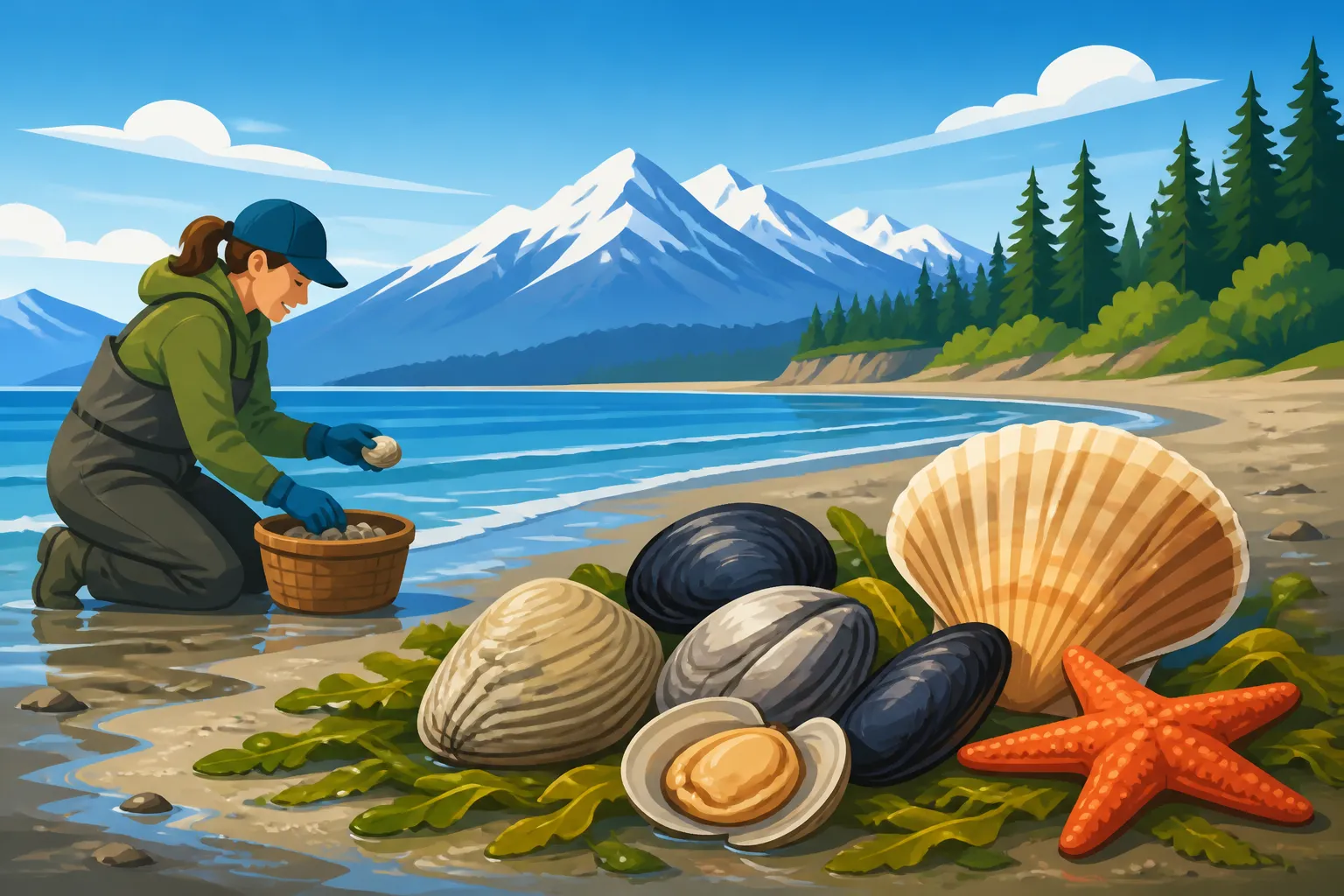
At the Jamestown S'Klallam Public Use Shellfish Beach, you can expect to find a good mix of desirable shellfish. The primary targets here are usually Manila clams, Butter clams, and Pacific oysters. You might also encounter some native littleneck clams, though Manilas tend to be more abundant and faster-growing. These species thrive in the mixed sand and gravel substrate, and a good low tide reveals vast areas where you can see their "shows" – the small holes or dimples on the surface that indicate a clam is hiding just beneath.
To harvest these, you’ll typically need a clam shovel or rake for clams, and perhaps a shucking knife for oysters. When digging for clams, look for the tell-tale signs. For Manila clams, these are often small, paired holes. Butter clams might leave a slightly larger single hole. Dig carefully but deliberately, keeping an eye out for the clam's siphon. Once you've found a few, continue to work the immediate area, as clams often live in beds.
For oysters, they are often found attached to rocks or other oysters, or simply lying on the surface of gravelly areas. They can be pried off with a sturdy knife or rock. Always remember to measure your clams and oysters immediately upon harvest and adhere strictly to the daily bag and possession limits. Any undersized shellfish or those over your limit must be immediately returned to the substrate in a manner that gives them the best chance of survival. This respect for the resource is paramount to keeping these areas productive for everyone.
Practical Tips for a Successful Day at Jamestown
To make your trip to the Jamestown S'Klallam tidelands as enjoyable and productive as possible, keep these practical tips in mind:
- Check Tides Religiously: This is arguably the most crucial tip for any clammer. You want to aim for the lowest possible tide, ideally a minus tide, to expose the most clamming ground. Arrive at least an hour before the lowest tide peak to give yourself ample time to walk out and start digging as the water recedes. You can often find tide charts online or through local bait shops.
- Wear Appropriate Footwear: The tidelands can be muddy, rocky, and slippery. Waterproof boots (knee-high rubber boots are ideal) are a must to keep your feet dry and provide good traction.
- Dress in Layers: Even on a sunny Sequim day, the wind coming off the water can be chilly, and you'll be bending and working, so layers are key to staying comfortable.
- Bring the Right Tools: A sturdy clam shovel or rake, a bucket or mesh bag for your catch, and a shellfish measuring device are essential. Gloves are highly recommended to protect your hands from sharp oyster shells or barnacles.
- Pack Snacks and Water: Shellfishing is surprisingly hard work! You'll appreciate having hydration and sustenance.
- Respect the Environment and Fellow Harvesters: This is a public resource. Fill in your holes, don't leave trash, and be mindful of other people's space. This communal respect ensures the area remains pleasant for everyone.
- Know Your Exit Strategy: The tide comes in quickly. Be aware of your surroundings and the incoming water, especially if you've ventured far out. It's easy to get absorbed in digging and lose track of the rising water.
Following these tips will not only ensure a more comfortable and productive outing but also contribute to the long-term health of this fantastic shellfishing spot.
Beyond Clams and Oysters: Crabbing and Other Opportunities
While the Jamestown S'Klallam Tidelands are excellent for clams and oysters, the world of Washington shellfish extends far beyond. The waters around Sequim and the wider Puget Sound offer other thrilling opportunities, especially for Dungeness crab and, for the truly dedicated, spot shrimp. However, these often require different gear, locations, and a more complex understanding of specific regulations.
Targeting Dungeness Crab in Sequim's Waters
Dungeness crab is a highly prized delicacy in Washington, and the waters of Puget Sound, including areas near Sequim, are prime territory. Unlike clams and oysters that you dig from the beach, crabbing typically involves setting pots or rings from a boat, pier, or even sometimes from shore in specific areas. The crab season is generally restricted to certain summer and fall months, and specific marine areas open and close at different times. This means the specific rules for crabbing can be even more dynamic than those for clamming.
If you're looking to target Dungeness crab, you'll need:
- A Shellfish License: This is required for crabbing, just as it is for clams and oysters.
- Crab Pots or Rings: These are specialized traps designed to catch crab. Pots are more effective for soaking for longer periods, while rings are often used for shorter, more active crabbing where you check them frequently.
- Buoys with Your WDFW ID: Each pot or ring must have a buoy clearly marked with your name and WDFW customer ID number.
- Bait: Fish carcasses (like salmon heads), chicken, or other stinky baits work wonders.
- Measuring Device: You must measure every crab you catch. Only male Dungeness crabs of a legal size (typically 6¼ inches across the widest part of the carapace) can be kept. Females must be released immediately and unharmed. Our article on Dungeness Crab and Washington Shellfish goes into more detail about how to identify legal crab.
While crabbing from public piers is possible in some areas, the most productive crabbing often happens from a boat in deeper waters within Sequim Bay or the broader Strait of Juan de Fuca. You'll need to know which Marine Areas are open and pay extremely close attention to the daily limits and other rules. For a comprehensive overview of how to get started, take a look at our guide on Crabbing and Shellfishing in Washington's Puget Sound. If you're without a boat, looking for a Best Washington Bay for Crabbing From Shore might lead you to other specific locations outside of Sequim, but some public docks may offer limited shore-based crabbing opportunities.
Exploring Other Clamming Spots (with Caveats)
Beyond the Jamestown S'Klallam tidelands, other public access points might offer clamming opportunities near Sequim, but they come with significant caveats. Many state park beaches in the area are often closed to shellfish harvest due to low populations, environmental concerns, or health advisories. Other beaches, while seemingly public, may be adjacent to private property, and trespassing is illegal.
Before exploring any alternative spots, it's absolutely crucial to:
- Check WDFW Regulations: Again, this cannot be stressed enough. The WDFW website lists specific rules for every public beach. If a beach isn't listed as open for shellfish, assume it's closed.
- Respect Private Property: If you're unsure, err on the side of caution. Look for clear public access points and stay within them.
For example, while the Dungeness Spit itself is a federal wildlife refuge, the tidelands immediately surrounding it, particularly those managed by the Jamestown S'Klallam Tribe, are where the public access opportunities for shellfish primarily lie. Exploring random stretches of beach without first confirming their status is a recipe for disappointment and potential legal trouble. Sticking to known, managed public access points like the Jamestown tidelands is generally the safest and most productive bet for recreational clamming.
The Elusive Spot Shrimp Fishery
Spot shrimp are another highly sought-after shellfish in Washington, known for their large size and sweet flavor. However, harvesting spot shrimp is an entirely different endeavor, typically occurring in very specific, deep-water locations during short, intense seasons. The fishery is almost exclusively boat-based, requiring specialized shrimp pots set in deep channels, often hundreds of feet down. The seasons are notoriously short, sometimes only lasting a few days, and specific areas may open on specific dates.
While spot shrimp can be found in deeper parts of the Strait of Juan de Fuca and Hood Canal (which is accessible not too far from Sequim), this isn't a casual beach activity. It requires a well-equipped boat, a depth sounder to locate prime habitat, specialized pots, and a thorough understanding of the specific rules for the marine area you're fishing. If you're interested in pursuing this exciting fishery, our guide on Shrimping Techniques in Hood Canal would be an excellent resource to start your research. Just like other regulated species, possession limits and seasons are strictly enforced. Our article on Spot Shrimp in Hood Canal might give you more hyper-local details about the opportunity.
Equipping Yourself and Ensuring a Safe, Ethical Experience
A successful shellfishing trip isn't just about finding the right beach; it's about being prepared and approaching the activity with respect for the environment and the resource. Bringing the right gear can make all the difference between a miserable, cold, and fruitless day and a comfortable, productive, and memorable one.
Must-Have Gear for Any Shellfishing Excursion
You don't need a boatload of expensive equipment to go shellfishing, but a few key items will significantly enhance your experience and effectiveness:
- Shellfish License: As mentioned, this is non-negotiable. Carry it on your person or have it readily available on your phone via the MyWDFW app.
- Shellfish Measuring Device: Whether it's a dedicated WDFW measuring device, a small ruler, or even a pre-marked piece of string, you must have a way to measure your catch. This ensures you're only keeping legal-sized shellfish.
- Clam Shovel or Rake: For clams, a sturdy, short-handled clam shovel is ideal. A specialized clam rake can also be very effective, especially for Manilas and littlenecks. A garden trowel can work in a pinch for very soft sand, but you'll appreciate a heavier-duty tool.
- Bucket or Mesh Bag: A 5-gallon bucket is perfect for holding your clams and oysters. A mesh bag (like an onion sack) allows water to drain, making it easier to carry your haul back.
- Gloves: Waterproof gloves are essential. They protect your hands from sharp oyster shells, barnacles, and the cold, wet conditions.
- Waterproof Boots: Knee-high rubber boots or waders are a lifesaver. The tidelands can be wet, muddy, and sometimes have hidden rocks or sharp debris.
- Dress in Layers: The weather in Washington can change rapidly. Layers allow you to adjust to temperature fluctuations and stay comfortable while working.
- Cooler with Ice: Once harvested, shellfish need to be kept cool to maintain their freshness and safety. Bring a cooler with plenty of ice for the ride home.
- Sunscreen and Hat: Even on overcast days, UV radiation can be strong, especially when reflected off the water.
- Water and Snacks: Shellfishing can be strenuous. Stay hydrated and fueled.
- Small First-Aid Kit: Minor cuts and scrapes are common when handling shells.
Having these items ready before you leave will ensure you're well-prepared for whatever the beach throws at you.
Prioritizing Safety and Respecting the Ecosystem
Beyond the right gear, adopting a mindset of safety and respect is fundamental to enjoying shellfishing responsibly.
Safety First:
- Check Tides and Weather: Always know when the tide is coming in and be aware of strong currents. Check weather forecasts for strong winds, rain, or storms.
- Biotoxin Warnings: Regularly check the WDFW Shellfish Safety Map. This map provides real-time updates on closures due to harmful algal blooms (like Red Tide, which causes PSP) or domoic acid. Consuming contaminated shellfish can lead to severe illness or even death.
- Know Your Limits: Shellfishing can be physically demanding. Don't overexert yourself.
- Inform Someone of Your Plans: Let a friend or family member know where you're going and when you expect to return.
- Watch Your Step: The beach can be uneven, rocky, and slippery.
Respecting the Ecosystem:
- Adhere to All Regulations: This includes bag limits, size limits, and open seasons. These rules are in place to ensure sustainable populations. You can learn more about finding and understanding these rules in Reading the Washington Sport Fishing Regulations Pamphlet.
- Careful Release: If you catch an undersized or illegal shellfish, return it to the substrate gently, ensuring it has the best chance to survive.
- Fill Your Holes: After digging for clams, always fill your holes to prevent injury to others and to maintain the integrity of the beach habitat.
- Leave No Trace: Pack out everything you pack in, including any discarded shells that aren't part of your catch. The goal is to leave the beach cleaner than you found it.
- Respect Private Property: As mentioned earlier, be absolutely certain you are on public access lands.
By following these guidelines, you're not just protecting yourself, but also preserving the incredible shellfishing opportunities that Washington's coast provides for future generations.
Considering Professional Guidance for Your Shellfish Adventure
While shellfishing for clams and oysters from a public beach like Jamestown S'Klallam can definitely be a DIY adventure, sometimes a little professional guidance can really elevate the experience, especially if you're new to the area or trying a more complex fishery like crabbing from a boat.
For dedicated clam and oyster harvesting on the beach, specific guides are less common than, say, a salmon fishing charter. However, local experts, perhaps from a bait and tackle shop or even experienced friends, can offer invaluable advice on current conditions, hot spots, and specific techniques. They can help clarify confusing regulations and teach you how to "read" the beach for the best digging.
If your interest expands to crabbing or shrimping, particularly from a boat, that's where charter services become more relevant. While you might not find a "shellfish-only" charter per se, many fishing charters that operate in Puget Sound or the Strait of Juan de Fuca might offer combination trips that include crabbing, especially if it's in season and aligns with their fishing schedule. These guides often have the necessary gear, expertise, and local knowledge to put you on productive crab grounds. You can research and book various fishing charters, some of which may offer crabbing as an add-on, through online platforms like FishingBooker. This can be an excellent way for beginners or those without a boat to experience the thrill of crabbing without having to invest in all the equipment. Our guide on How to Book a Fishing Charter in Washington provides general advice that can apply to finding these types of combined experiences. For those looking to combine a fishing trip with some shellfish action, mentioning your interest when booking through a site like FishingBooker can help them tailor an experience. While FishingBooker primarily focuses on guided fishing, inquiring about multi-species trips that include crabbing is always an option with many captains.
Comparing Shellfish Opportunities Near Sequim
To give you a clearer picture of what's available and when, here's a brief comparison of some popular shellfish species near Sequim:
| Shellfish Species | Primary Location Type | Best Harvest Time | Typical Method | Key Regulations to Check | Notes |
|---|---|---|---|---|---|
| Manila Clams | Intertidal Mud/Sand Flats (e.g., Jamestown) | Low Tides (Spring/Summer) | Digging/Raking | Daily Bag Limit, Size Limit, Open Season, Biotoxin | Prolific, often found in mixed gravel. |
| Butter Clams | Intertidal Gravel/Sand (e.g., Jamestown) | Low Tides (Spring/Summer) | Digging | Daily Bag Limit, Size Limit, Open Season, Biotoxin | Deeper dwellers, can be large. |
| Pacific Oysters | Intertidal Rocky/Gravelly Areas (e.g., Jamestown) | Low Tides (Spring/Summer) | Picking/Prying | Daily Bag Limit, Open Season, Biotoxin | Often attached to rocks, easy to spot. |
| Dungeness Crab | Deeper Bays/Strait of Juan de Fuca | Summer/Fall Seasons (specific dates) | Pots/Rings from boat/pier | Daily Bag Limit (Males Only), Size Limit, Open Areas | Requires boat for best results, complex rules. |
| Spot Shrimp | Deep Marine Channels (e.g., Hood Canal) | Short Spring/Summer Seasons | Pots from boat | Daily Bag Limit, Open Areas, Specific Dates | Highly sought after, boat-based, very short season. |
Remember, this table provides general guidance. Always, always check the WDFW website for the most current and specific regulations for your chosen location and species before you go!
Disclaimer
Please note that fishing and shellfishing regulations in Washington State can change frequently, sometimes on very short notice due to emergency rule changes, conservation efforts, or public health advisories. While this guide aims to provide accurate and up-to-date information, it is your responsibility as an angler to consult the latest regulations published by the Washington Department of Fish and Wildlife (WDFW) before engaging in any fishing or shellfishing activity. Always verify seasons, bag limits, size restrictions, and area closures directly through official WDFW sources.