Washington’s Puget Sound Fishing Spots for Salmon and Bottomfish
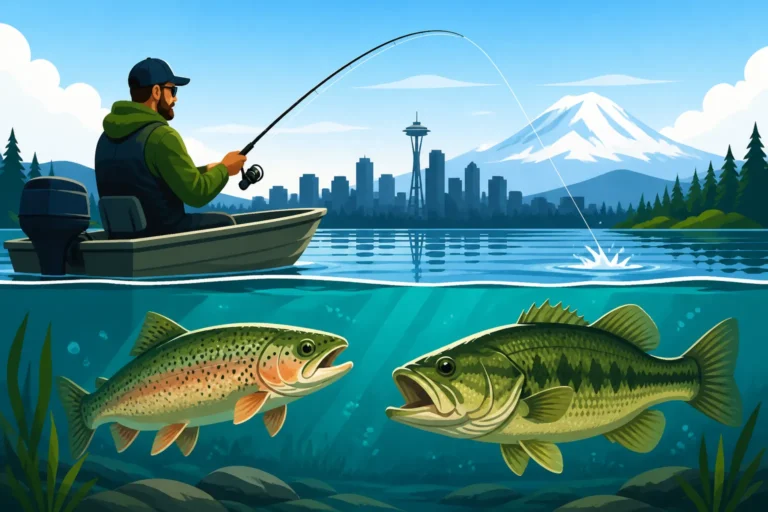
The vast, shimmering expanse of Puget Sound can be incredibly intimidating for any angler, whether you're a seasoned veteran or just starting out. With its intricate network of marine areas, ever-shifting salmon runs, and diverse bottomfish habitats, knowing where to even drop a line feels like deciphering a secret code. This comprehensive guide is here to demystify Puget Sound fishing, breaking down the best spots for both exhilarating salmon action and rewarding bottomfish encounters, ensuring your next Washington fishing adventure is a success.
Understanding Puget Sound's Unique Fisheries
Puget Sound isn't just one big body of water; it's a complex, interconnected system of inlets, bays, and passages, each with its own characteristics and unique fishing opportunities. What works in the South Sound might be completely different from strategies employed in the San Juan Islands, and understanding this diversity is the first step toward becoming a successful angler here. The sheer scale and intricate nature of this inland sea mean that flexibility and a willingness to adapt are key.
The Sheer Scale of Puget Sound and its Challenges
Imagine a sprawling aquatic labyrinth, stretching over 100 miles from the Strait of Juan de Fuca down to Olympia, dotted with islands and carved by countless rivers. That's Puget Sound. Its immense size means that fish populations move, seasons open and close, and conditions vary wildly from one marine area to the next. For someone new to the area, or even a local trying a different spot, this can feel like an overwhelming task. You might hear whispers of a hot bite off Possession Bar one day, only for it to vanish with the tides, leaving you wondering if you should have headed south to Point Defiance instead.
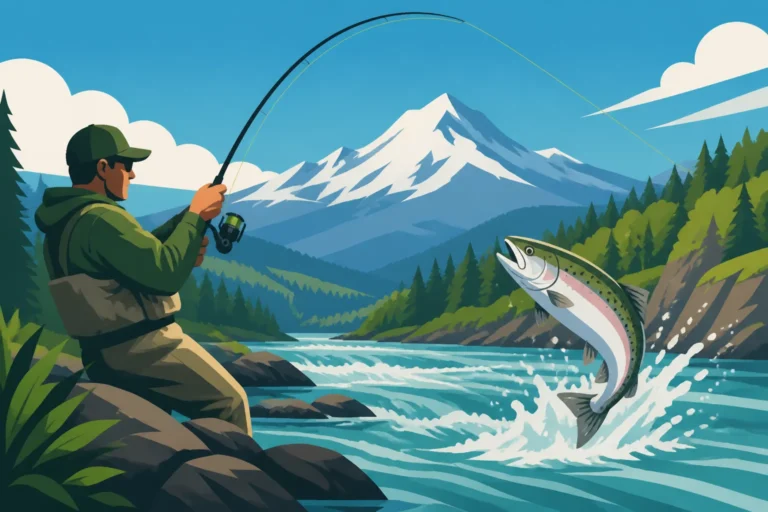
The ecosystem itself is incredibly dynamic, supporting everything from massive Chinook Salmon: Washington's King of Fish to elusive lingcod hiding in rocky reefs. However, this also means the fisheries are highly managed, with complex regulations designed to protect these precious resources. Anglers often face the frustration of needing to check multiple sources just to confirm what's open, what's closed, and what the daily limits are, especially when "emergency rule changes" seem to pop up without warning. It's not just about finding the fish; it's about knowing if you're even allowed to target them.
Navigating the Marine Area System
To manage its vast fisheries, the Washington Department of Fish and Wildlife (WDFW) has divided Puget Sound into distinct Marine Areas, numbered 4 through 13. Each of these areas has its own specific set of regulations, open seasons, and species targets, which can change not just annually, but even in-season due to management goals and fish returns. This system is designed to allow for precise management, but for the angler, it means a steep learning curve. You can't just assume that if salmon are open in Marine Area 9, they're open everywhere else.
For instance, Marine Area 9 for Salmon Fishing, Explained, often has different seasons and limits compared to, say, Marine Area 11 in the South Sound. These delineations are crucial because crossing into an unauthorized area, even accidentally, can lead to fines and penalties. It's like driving into a different state with different speed limits, except the lines are invisible and shift throughout the year. Knowing your boundaries and constantly checking the current WDFW Sport Fishing Regulations Pamphlet is not just good practice, it's absolutely essential to avoid costly mistakes. Many local anglers even keep a printout or the MyWDFW app handy to reference on the water, because rules can literally change overnight due to factors like salmon returns or conservation concerns.
Top Puget Sound Salmon Hotspots
When it comes to salmon fishing in Puget Sound, anglers generally focus on Chinook and Coho, with opportunities for Chum, Pink, and Sockeye depending on the year and location. Each species has its preferred habitats, feeding patterns, and migratory routes, which dictates where and when you'll find them. Understanding these nuances is key to consistent success.
Targeting Chinook Salmon "Blackmouth"
Chinook salmon, often referred to as "Kings" or "Blackmouth" when caught as residents in Puget Sound before their spawning migration, are the ultimate prize for many anglers. These powerful fish are known for their incredible fighting ability and delicious table fare. Unlike their migratory counterparts that pass through in the summer, these resident Chinook spend their entire lives feeding in the Sound, making them a year-round target, though seasons are carefully managed.
One of the most famous Blackmouth fisheries is in the area around Possession Bar, located at the mouth of Possession Sound between Whidbey Island and Everett. This underwater bar creates currents and eddies that concentrate baitfish, making it a prime feeding ground for hungry Chinook. Anglers often troll herring, spoons, or hootchies here, frequently employing downriggers to reach the depths where these fish feed. Another consistent producer for Blackmouth is Mid-Channel Bank, south of Port Townsend, particularly during the winter months. The deep waters and strong currents here create another perfect environment for resident salmon. Further south, spots like Point Defiance in Tacoma's Commencement Bay and Point Evans in Carr Inlet also hold good numbers of resident Chinook, offering excellent bank and boat fishing opportunities, especially for those in the South Sound. Remember that timing is crucial, and checking the Best Time to Fish for Chinook in Washington's Puget Sound will give you the most up-to-date insight into when these fish are most active.
Chasing Coho Salmon
Coho salmon, or "Silvers," are celebrated for their acrobatic fights and aggressive takes. They typically show up in good numbers during the late summer and fall, offering a fast-paced fishery that's often more accessible to a wider range of anglers due to their preference for shallower waters and more varied feeding habits. Unlike the deep-dwelling Blackmouth, Coho are often found higher in the water column, making them a great target for those without extensive downrigger setups.
Popular Coho hotspots include the waters off West Point and Alki Point near Seattle, especially during peak migration. Here, anglers often experience explosive surface bites as Coho slash through schools of baitfish. Trolling with small spoons, dodgers and hootchies, or even casting Buzz Bombs from shore or boat can be incredibly effective. The eastern side of Whidbey Island, particularly near Langley and the entrance to Saratoga Passage, is another fantastic area for Coho, offering productive fishing during tidal changes. The fishing can be fast and furious here, with multiple hookups not uncommon. For more on these vibrant fish, check out our guide on Coho Salmon Fishing in Washington. The Hood Canal, while regulated differently than the main Sound, also offers fantastic Coho opportunities in late summer and early fall, with anglers often finding success near river mouths as the fish stage for their upstream migration. The key to Coho is often finding the bait, so keep an eye out for diving birds or bait balls on your sonar.
Other Salmon Species Opportunities
While Chinook and Coho dominate the spotlight, Puget Sound also offers seasonal opportunities for other salmon species, each with its own unique characteristics and fishing methods. These runs are often highly anticipated and provide diverse angling experiences.
Chum salmon, known as "Dog Salmon" for their impressive canines during spawning, make strong runs in the late fall. While not typically sought after for their table quality (they're best smoked or canned), they are incredibly powerful fighters, offering a fantastic sporting experience. River mouths in the North Sound, such as the Snohomish and Skagit systems, become prime targets as Chum stage to enter freshwater. Anglers often target them with large, brightly colored jigs or flies, especially chartreuse and purple, fished on a short leader. Pink salmon, or "Humpies," are an "odd-year" phenomenon in Puget Sound, meaning they only return in significant numbers every other year (e.g., 2023, 2025, etc.). When they do show up, they arrive in staggering numbers, often providing incredible action for both boat and shore anglers. They are smaller than Chinook and Coho but offer a spirited fight, making them a popular choice for families and beginners. Trolling small pink hoochies or casting pink Buzz Bombs and spoons are highly effective. Finally, while less common for recreational anglers directly in Puget Sound, limited Sockeye salmon opportunities can arise, particularly in specific lake systems like Baker Lake, which has a highly managed fishery for this prized species. These fisheries are heavily regulated and often require special permits, so always consult the WDFW regulations for the most current information.
Prime Bottomfish Grounds in Puget Sound
Beyond the thrilling pursuit of salmon, Puget Sound offers an incredibly rich and diverse bottomfishing experience. From the hard-fighting lingcod to the array of colorful rockfish, there's always something to target lurking beneath the waves. This often provides a welcome alternative or complement to salmon fishing, especially when salmon seasons are closed or slow.
Hunting for Lingcod in Rocky Lairs
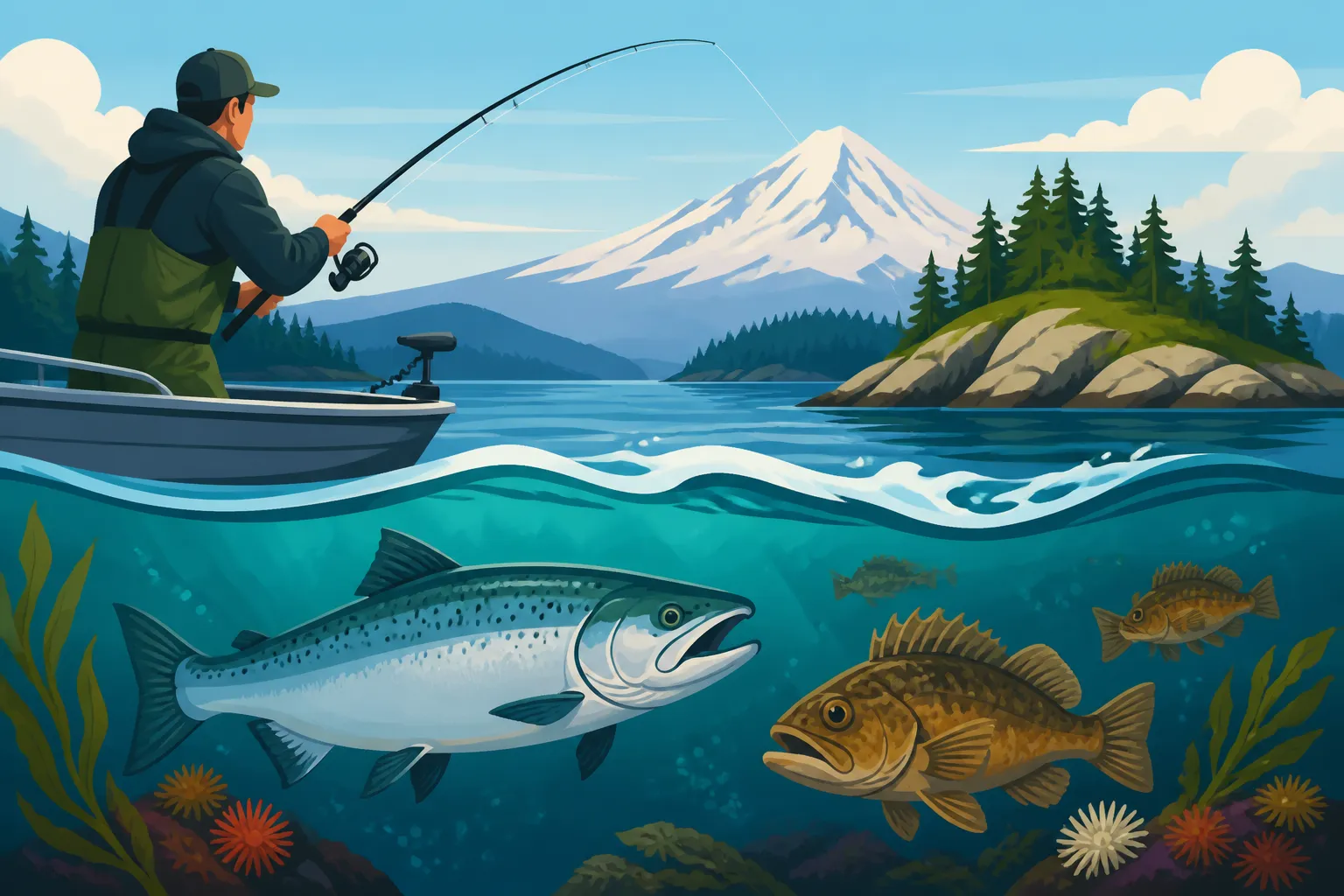
Lingcod are truly one of Puget Sound's most fascinating and aggressive predators. With their toothy grins and powerful bodies, they provide an exhilarating fight and are highly prized for their firm, white meat. These fish are ambush predators, preferring to hide in rocky reefs, kelp beds, and other structured habitats, waiting for unsuspecting prey to swim by. This means that successful lingcod fishing often involves finding these specific types of underwater terrain.
Productive lingcod spots are scattered throughout Puget Sound, wherever rocky outcrops and sudden depth changes create ideal ambush points. Areas like Deception Pass, with its strong currents and intricate underwater topography, are legendary for their lingcod fishing, though navigating the currents can be challenging. The rocky shores and submerged reefs around the San Juan Islands, particularly near Lopez and Orcas Islands, also offer fantastic opportunities. Further south, areas around Point Defiance, the Tacoma Narrows, and deeper ledges in the South Sound can hold impressive lingcod. Anglers typically target them using heavy jigs, large swimbaits, or bait like herring, whole squid, or even small live fish (where legal). It's a game of dropping your offering close to structure, feeling for that characteristic "thump," and then holding on tight. Remember to check regulations carefully, as lingcod seasons are typically shorter and have specific size limits, and always consider using a descending device to help release any unwanted fish responsibly.
Exploring Rockfish Habitats and Conservation
Puget Sound is home to numerous species of rockfish, from the common Black Rockfish and Copper Rockfish to the more elusive Yelloweye Rockfish and Canary Rockfish. These vibrant fish are often found near rocky structures, kelp forests, and along steep drop-offs, making them a popular target for bottomfishing enthusiasts. While they may not offer the same explosive fight as a lingcod, their abundance and good table quality make them a rewarding catch.
Unfortunately, many rockfish species in Puget Sound are experiencing conservation concerns, leading to strict regulations. Certain species, like Yelloweye and Canary rockfish, are protected and must be released immediately, often requiring the use of a descending device to ensure their survival. This makes identification crucial for anglers. Areas like the rocky shorelines of the Olympic Peninsula (within Puget Sound boundaries), the San Juan Islands, and deeper reefs in the central and north Sound often hold various rockfish species. When targeting rockfish, anglers typically use light-to-medium jigs tipped with bait, or smaller swimbaits fished near structure. The key is to fish vertically and minimize snagging, as you're often fishing in very rocky terrain. Our guide on Bottom Fishing for Lingcod and Rockfish off Washington provides more detail on techniques and responsible angling practices, emphasizing the importance of conservation. It's vital to respect these regulations to ensure these beautiful fish continue to thrive for future generations.
Other Bottomfish Delights
Beyond lingcod and rockfish, Puget Sound offers a variety of other interesting bottomfish species that can provide fun and tasty angling opportunities. These often require simpler gear and can be excellent targets for beginners or for diversifying your catch.
Flounder and sole are abundant throughout the sandy and muddy bottoms of Puget Sound. These flatfish are not known for their fighting prowess, but they are delicious to eat and can be caught in good numbers, making them a great target for a family outing. Areas like the sandy flats off Everett, the mud bottoms in Commencement Bay, or even shallower areas in the South Sound are productive. A simple two-hook spreader rig baited with clam necks, shrimp, or small pieces of herring fished on the bottom is usually all it takes. Greenling, another common bottomfish, are found in rocky and kelp-filled areas, often caught incidentally while targeting rockfish or lingcod. They are smaller but offer a spirited fight on light tackle and are decent eating. Cabezon, a large sculpin species, is another prized catch, known for its unique appearance and excellent flavor. They inhabit rocky areas, often in shallower water, and are frequently caught on jigs or bait intended for lingcod. Their season is usually shorter and more restrictive, so always check the latest WDFW regulations before heading out. The diversity of bottomfish means that even on a slow salmon day, you can often find something else to bend your rod.
Key Marine Areas and Their Specialties
Navigating Puget Sound's Marine Areas is like understanding different neighborhoods, each with its own character and special attractions for anglers. Knowing which areas excel for specific species at particular times of the year is fundamental to planning a successful trip.
Central Puget Sound (Areas 9 & 10) for Salmon
Central Puget Sound, encompassing Marine Area 9 (Admiralty Inlet) and Marine Area 10 (Seattle/Bremerton Area), is arguably the most heavily fished region of the Sound, largely due to its proximity to major population centers and its incredible salmon fishing potential. These areas are migratory highways for salmon heading to numerous rivers, making them prime intercept points.
Marine Area 9 is particularly famous for its Blackmouth Chinook fishery during the winter months. Spots like Possession Bar, Mid-Channel Bank, and the high-current waters around Point No Point are legendary. These areas concentrate baitfish, drawing in the resident kings, and require diligent trolling techniques, often with downriggers set deep. In summer and fall, Marine Area 9 also sees strong pushes of migratory Chinook and Coho salmon as they stage before entering freshwater. The challenges here include strong currents and unpredictable weather, but the rewards can be phenomenal. Heading south into Marine Area 10, areas like Jeff Head, Kingston, and the waters off West Point and Alki Point (near Seattle) are consistently good for Coho in late summer and fall. Anglers here often employ mooching techniques or troll with flasher and hootchie combinations. The area near Shilshole Bay and the shipping lanes also hold salmon at various times. With its diverse fishing opportunities, Marine Area 10 is a fantastic choice for anglers living in or visiting Seattle. Be sure to consult our detailed guide on Marine Area 9 for Salmon Fishing, Explained to truly understand its intricacies.
South Puget Sound (Areas 11 & 13) for Diverse Opportunities
South Puget Sound, comprised of Marine Area 11 (Tacoma/Vashon Island) and Marine Area 13 (South Puget Sound), offers a slightly different angling experience. While still productive for salmon, especially Chinook, it also provides excellent opportunities for resident Coho and a variety of bottomfish, often in calmer, more protected waters than the central or north Sound.
Marine Area 11 is well-known for its consistent Chinook fishing, particularly around Point Defiance, Point Evans, and the Tacoma Narrows. Point Defiance, with its accessible pier and boat launch, is a year-round favorite for both shore and boat anglers targeting resident Blackmouth. The strong currents of the Narrows can be challenging but also concentrate bait and fish. During migratory seasons, both Chinook and Coho pass through these waters, offering good trolling opportunities. Further south, Marine Area 13 is a network of smaller inlets and bays like Carr Inlet, Budd Inlet, and Eld Inlet. These waters are often shallower and more protected, providing excellent habitat for resident Coho and sea-run cutthroat trout. While it might not see the same massive migratory pushes as the central Sound, Area 13 offers reliable fishing, particularly for those seeking a quieter experience. It’s also a fantastic area for various bottomfish, including lingcod in rocky spots and flounder/sole in the shallower, muddy bays. This area is often overlooked but can yield some truly memorable catches, especially during slower periods in other parts of the Sound.
North Sound and San Juan Islands (Areas 7 & 8)
The North Sound (Marine Areas 8-1 and 8-2, between Everett and the San Juan Islands) and the San Juan Islands (Marine Area 7) represent the northernmost reaches of Puget Sound and offer some of the most spectacular scenery along with fantastic fishing. These areas are renowned for their robust salmon fisheries, particularly for Chinook and Coho, and also provide exceptional bottomfishing.
Marine Areas 8-1 (Deception Pass/Rosario Strait) and 8-2 (Port Susan/Port Gardner) are critical migratory routes for salmon heading to rivers like the Skagit and Snohomish. Deception Pass itself is legendary for its strong currents and holds lingcod and even salmon during tidal exchanges, though fishing here requires extreme caution and expertise due to the turbulent waters. The waters off Langley and around Hat Island in Area 8-2 are excellent for Coho in the late summer, and resident Blackmouth can be found in deeper holes. However, it's Marine Area 7, the San Juan Islands, that truly stands out. This archipelago is a prime destination for Chinook and Coho, with fish often holding in deeper waters around the numerous islands and reefs. Spots like Eagle Point on San Juan Island, President Channel, and the waters around Lopez and Orcas Islands are productive for trolling. The San Juans are also prime territory for lingcod, rockfish, and even halibut in specific, deeper spots. Booking a Washington's San Juan Islands Fishing Charters is often recommended here due to the complex navigation and deep-water fishing techniques often required. The remote nature and stunning beauty of the San Juans make it a truly world-class fishing destination, but anglers must be prepared for variable weather and follow specific regulations for protected areas.
| Marine Area | Primary Salmon Target(s) | Primary Bottomfish Target(s) | Best Seasons | Key Fishing Spots |
|---|---|---|---|---|
| Area 7 (San Juan Islands) | Chinook, Coho | Lingcod, Rockfish, Halibut | Summer, Fall, Winter (Chinook) | Eagle Pt., President Channel, Orcas/Lopez Reefs |
| Area 8-1 (Deception Pass) | Chinook, Coho | Lingcod, Rockfish | Summer, Fall, Winter (Chinook) | Deception Pass, Rosario Strait |
| Area 8-2 (Port Susan/Gardner) | Coho, Chinook | Lingcod, Rockfish | Summer, Fall | Hat Island, Langley, Gedney Island |
| Area 9 (Admiralty Inlet) | Chinook (Blackmouth), Coho | Lingcod, Rockfish | Winter (Chinook), Summer (Coho) | Possession Bar, Mid-Channel Bank, Pt. No Point |
| Area 10 (Seattle/Bremerton) | Coho, Chinook | Lingcod, Rockfish | Summer, Fall | West Point, Alki Point, Jeff Head, Kingston |
| Area 11 (Tacoma/Vashon) | Chinook (Blackmouth), Coho | Lingcod, Rockfish | Year-round (Chinook), Fall (Coho) | Pt. Defiance, Pt. Evans, Tacoma Narrows |
| Area 13 (South Puget Sound) | Coho, Chinook (resident) | Flounder, Lingcod, Cabezon | Summer, Fall | Carr Inlet, Budd Inlet, Eld Inlet |
Shore-Based Fishing Opportunities
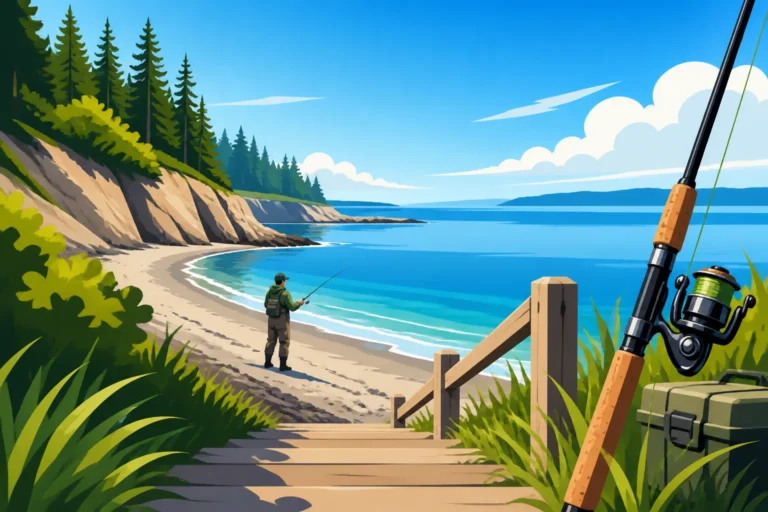
While many anglers envision Puget Sound fishing from a boat, there are countless accessible shore-based spots that offer fantastic opportunities for both salmon and bottomfish. These locations are perfect for those without a boat, looking for a quick outing, or who prefer the simplicity of land-based angling.
Piers and Public Access Points
Puget Sound is dotted with numerous public piers and docks that provide easy access to deeper water, often productive for a surprising variety of fish. These spots are fantastic for families, beginners, or anyone looking for a convenient fishing experience without the hassle of launching a boat.
Perhaps the most famous public pier is the one at Point Defiance Park in Tacoma, which provides access to the rich waters of Marine Area 11. Anglers here can catch resident Chinook salmon, especially during winter and spring, along with a mix of bottomfish like sole, flounder, and occasional lingcod. Using bait rigs on the bottom or casting Buzz Bombs for salmon are popular methods. The Edmonds Pier in Marine Area 9 is another excellent choice, offering deep water access and a chance at both salmon and various bottomfish. It's known for its Blackmouth Chinook opportunities in winter and Coho in summer/fall. Further north, the Mukilteo Lighthouse Park pier in Marine Area 8-2 offers similar prospects. These piers often have bait shops nearby and can be bustling with activity, offering a great community atmosphere. When fishing from a pier, be mindful of casting distances, current, and other anglers. Using heavier weights to hold bottom in strong currents is often necessary, and a stout rod can help handle larger fish. Many piers also offer excellent crabbing opportunities, especially for Dungeness crab, adding another dimension to your outing.
Beach Fishing for Sea-Run Cutthroat and Resident Coho
Beyond the piers, many of Puget Sound's beaches and river mouths offer excellent opportunities for fly fishing or light tackle casting, particularly for sea-run cutthroat trout and resident Coho salmon. This type of fishing is often a more intimate experience, connecting anglers directly with the coastal environment.
Sea-run cutthroat trout are a beloved target for many Puget Sound anglers. These beautiful, migratory trout move between freshwater rivers and the saltwater Sound, feeding on baitfish and insects. Productive beaches can be found all along the shoreline, particularly near river estuaries or areas with good current and structure. The beaches around Whidbey Island, Camano Island, and the numerous small inlets in the South Sound are excellent. Anglers typically "walk the beach," casting small spoons, spinners, or baitfish patterns on a fly rod. The fishing is often best during an incoming tide, especially around dawn or dusk. Resident Coho, also known as "resident silvers" or "shakers," can also be caught from beaches, particularly in late summer and fall when they cruise shallower waters. Look for areas where rivers meet the Sound, as these are natural staging points for salmon. Using small Kastmasters, Buzz Bombs, or even bobber and jig setups can be effective. This type of fishing requires stealth and observation, as the fish are often cruising just beyond the surf line. Always be mindful of private property boundaries and respect local access rules when exploring new beaches.
Essential Gear and Techniques for Puget Sound
Successfully fishing Puget Sound requires a thoughtful approach to gear and techniques, adapting to the specific species and conditions you encounter. Having the right tools and knowing how to use them effectively can make all the difference between a slow day and a memorable haul.
Trolling and Downrigging for Salmon
Trolling is by far the most popular and effective method for targeting salmon in Puget Sound from a boat, particularly for Chinook and Coho. This technique involves dragging lures or bait behind a moving boat, covering large areas of water and presenting your offering at the precise depth where fish are feeding.
For Chinook, especially the deep-dwelling Blackmouth, downriggers are almost essential. These devices allow you to precisely control the depth of your lure, getting it down to where the salmon are holding, often in 50 to 200 feet of water or more. A typical Puget Sound Chinook trolling setup involves a stout 9-10 foot rod, a levelwind or conventional reel spooled with 20-30 lb monofilament or braid, and a variety of lures. Popular choices include plugs like the Silver Horde Coho Killer or Tomic Plugs, spoons such as the Coyote or Kingfisher, and hootchies (squid imitations) pulled behind flashers or dodgers. The choice of lure and color can vary by time of year and water conditions, but experimenting is key. For Coho, while downriggers can be used, they are often found higher in the water column, making planer boards or simply long-lining lighter gear effective, especially in lower light conditions. Using herring, either whole or cut-plug, is also a highly productive method for both Chinook and Coho, often fished behind a flasher. Maintaining the right speed (typically 1.5 to 3 mph) and observing your fish finder for bait balls and fish marks are crucial for consistent success. Our detailed guide on Trolling for Salmon in Washington's Puget Sound offers even more in-depth techniques.
Jigging and Drifting for Bottomfish
When targeting bottomfish like lingcod and rockfish, jigging and drifting are the primary techniques. These methods allow anglers to present lures or bait directly on or near the bottom, where these demersal species reside, mimicking injured baitfish or tempting them with an easy meal.
Jigging involves vertically dropping a heavy lead or metal jig to the bottom and then rhythmically lifting and dropping it, creating a "jigging" action. For lingcod, heavy jigs ranging from 4-16 ounces are common, often tipped with a large plastic grub, a swim bait, or even a piece of bait like squid. Popular jig styles include point-and-shoot jigs, vertical jigs, or simple lead jigs. The key is to keep your offering close to the bottom, especially near rocky structures, and to be ready for an aggressive strike. For rockfish, lighter jigs and smaller swimbaits are often effective, as these fish tend to be less aggressive than lingcod. Colors like white, chartreuse, and various shades of green and blue are often productive. Drifting, on the other hand, involves allowing your boat to be carried by the current or wind over a productive area while your lure or bait is presented near the bottom. This allows you to cover more ground and present your offering in a natural way. For drifting, a simple bait rig with a heavy sinker, or a leadhead jig with bait, is effective. Both techniques require a sensitive rod to detect subtle bites and a robust reel to handle strong fish in challenging environments. Always be prepared for snags when fishing rocky bottom, and carry plenty of spare terminal tackle.
Important Regulations and Responsible Angling
Fishing in Puget Sound comes with a significant responsibility to understand and abide by the regulations, which are designed to protect the fragile marine ecosystem and ensure sustainable fisheries for the future. The rules are not just suggestions; they are legally binding requirements that can result in substantial fines and penalties if violated.
Every angler must have a valid Washington fishing license, and knowing the specific endorsements you might need, like the Columbia River Salmon and Steelhead Endorsement if you plan to fish those waters, is crucial. The most critical resource for any Puget Sound angler is the current Washington Sport Fishing Regulations Pamphlet, published annually by the WDFW. This document details seasons, bag limits, size restrictions, and gear restrictions for every marine area and species. It's not a light read, but understanding how to interpret it is non-negotiable. Furthermore, anglers must always be aware of Emergency Rule Changes: Why Washington's Rules Shift Mid-Season. These in-season changes can close seasons, modify limits, or impose new restrictions with very little notice, often due to unforeseen conservation needs or better-than-expected fish returns. Checking the WDFW website or hotline just before every trip is an absolute must. Adhering to possession limits, understanding barbless hook requirements in certain areas, and knowing how to properly identify your catch, especially rockfish species, are all part of being a responsible angler. Practicing catch-and-release effectively, particularly for wild fish or protected species, means minimizing handling time, keeping the fish in the water, and using proper release tools like descending devices for deep-caught fish.
Planning Your Puget Sound Fishing Trip
A successful fishing trip to Puget Sound isn't just about showing up with a rod and reel; it requires careful planning, from understanding seasonal patterns to deciding how you'll get out on the water. Taking the time to prepare will significantly increase your chances of a rewarding experience.
When to Go: Understanding Seasonal Runs
The timing of your trip is paramount in Puget Sound, as different species are available and abundant at various times of the year. The Sound truly offers year-round fishing, but knowing what to target when is key to avoiding frustration.
Winter (typically December-March) is prime time for resident Chinook salmon, often called "Blackmouth." These fish are actively feeding in deep water, making spots like Possession Bar and Mid-Channel Bank highly productive for dedicated trollers. While the weather can be challenging, the rewards of a chrome-bright Blackmouth make it worthwhile. Spring (April-June) sees the start of lingcod season, often a short but intense fishery. Bottomfishing for various rockfish species also picks up. As spring progresses, migratory salmon begin to appear, signaling the transition to summer. Summer (July-August) brings the peak of migratory Chinook and the early arrivals of Coho. This is when many of the major salmon fisheries open up in the central and northern Sound, offering exciting action. Fall (September-November) is synonymous with Coho salmon, as massive runs enter the Sound, often providing fast and furious fishing. Chum salmon also make their appearance in late fall, offering a strong fight. Additionally, if it's an odd-numbered year, Pink salmon will flood the Sound during late summer and early fall, providing incredible opportunities for anglers of all skill levels. To stay completely up-to-date, always check Washington Sport Fishing Seasons and Emergency Closures for the most current information, as these dates can shift annually.
Getting on the Water: Private Boats vs. Charters
Once you know when and where you want to fish, the next decision is how you'll get out on the water. Puget Sound offers options for private boat owners and those who prefer to go with a professional. Each has its advantages, depending on your experience, budget, and desired level of commitment.
For private boat owners, Puget Sound presents endless possibilities. Numerous public and private boat launches are available throughout the Sound, from Des Moines and Gig Harbor in the south to Everett and Anacortes in the north. Owning your own boat offers the ultimate flexibility, allowing you to fish on your schedule, explore new spots, and experiment with techniques. However, it also comes with the responsibilities of boat maintenance, navigation, safety, and understanding the complex marine environment. Having proper charts, a reliable marine radio, and up-to-date safety equipment are non-negotiable. For those without a boat or who prefer a hassle-free experience, booking a fishing charter is an excellent option. Puget Sound is home to many experienced guides and charter captains who specialize in targeting salmon and bottomfish. A charter provides all the necessary gear, expertise, and local knowledge, significantly increasing your chances of success, especially for species like deep-water Chinook or offshore halibut (though halibut are typically outside the main Sound). Companies like FishingBooker offer a convenient way to find and book reputable Washington fishing guides, many of whom operate out of popular ports like Edmonds, Seattle, or Gig Harbor. While charters can be an investment, they offer a stress-free way to experience world-class fishing, often yielding impressive results. Before booking, consider factors like the duration of the trip, what's included (license, cleaning, tackle), and the captain's experience. Our guide on How to Book a Fishing Charter in Washington provides a comprehensive overview to help you make an informed decision.
Navigating Regulations and Resources
Fishing in Puget Sound means navigating a complex web of regulations that can feel overwhelming, even for experienced anglers. However, understanding where to find information and how to interpret it is crucial for a legal and enjoyable trip. The rules are designed to protect the diverse and often fragile marine ecosystem, ensuring that fish populations remain healthy for future generations.
Decoding the WDFW Sport Fishing Rules Pamphlet
The Washington Department of Fish and Wildlife (WDFW) is the governing body for sport fishing regulations in the state, and their annual Sport Fishing Rules Pamphlet is your bible for Puget Sound. This physical booklet, also available as a PDF online, contains all the season dates, bag limits, size restrictions, and gear requirements for every species in every marine area. It's dense, often hundreds of pages long, and can be challenging to read at first glance.
The key to decoding the pamphlet is to break it down by marine area and target species. Start by identifying the specific Marine Area you plan to fish (e.g., Marine Area 9). Then, locate the section for that area and look for the species you intend to target (e.g., salmon, lingcod, rockfish). Pay close attention to the open dates, daily bag limits (how many fish you can keep per day), possession limits (how many you can have in your possession), and any minimum or maximum size restrictions. Don't forget to check the general rules section for statewide regulations, such as the requirement for a valid fishing license and any gear restrictions like barbless hooks. The pamphlet also provides crucial information on protected species, such as specific rockfish that must be released. It's not a document you can skim; it requires careful reading and understanding. Many anglers highlight relevant sections or use sticky notes to quickly find information. We have a dedicated resource to help you with Reading the Washington Sport Fishing Regulations Pamphlet to make this process less daunting.
Staying Up-to-Date with Emergency Rules
Perhaps the most challenging aspect of fishing in Puget Sound is the frequent occurrence of "emergency rule changes." These are in-season modifications to the regulations that can open or close fisheries, change bag limits, or alter gear restrictions, often with very little notice. These changes are implemented by WDFW based on real-time data, such as test fishery results indicating stronger or weaker than anticipated salmon returns, or concerns for specific wild stocks.
The frustrating part for anglers is that a fishery that was open yesterday might be closed today, or a bag limit might be reduced mid-week. This means that simply reading the annual pamphlet once is not enough. You must actively seek out the latest information immediately before every fishing trip. The primary source for these updates is the WDFW website, specifically their "Emergency Rules" page. Many experienced anglers subscribe to WDFW email alerts or check the WDFW Fishing Rule Change hotline (updated daily). Social media groups and local tackle shops can also be good sources for unofficial alerts, but always verify information with the official WDFW channels. Missing an emergency rule change can lead to inadvertent violations, which carry penalties from fines to license suspensions. This constant vigilance is a testament to the dynamic nature of Puget Sound's fisheries and the WDFW's commitment to adaptive management. Familiarize yourself with our guide on Puget Sound Salmon Closures: What Washington Anglers Need to Know and also understand Emergency Rule Changes: Why Washington's Rules Shift Mid-Season for a deeper dive into this critical topic.
Disclaimer
Fishing regulations, seasons, and openings in Washington State, particularly within Puget Sound, are subject to frequent changes by the Washington Department of Fish and Wildlife (WDFW). While every effort has been made to provide accurate and up-to-date information in this guide, it should be used for general informational purposes only. It is the sole responsibility of each angler to check and understand the most current WDFW regulations, emergency rule changes, and any other relevant local or federal laws before engaging in any fishing activity. Always refer to the official WDFW website or printed regulations pamphlet for the most reliable and current information.