When Washington’s Lake Trout Season Opens
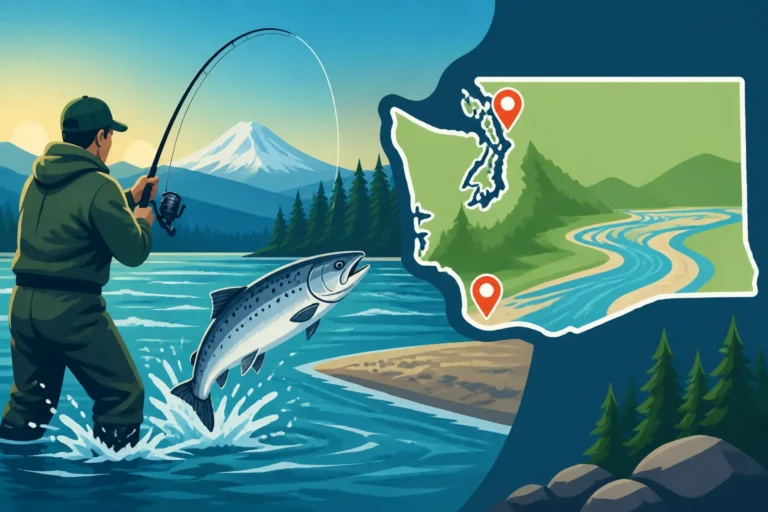
It can be incredibly frustrating trying to figure out the exact dates for fishing seasons in Washington, especially when you're targeting a specific species like lake trout, which might have different rules than other popular trout. This guide aims to clear up all that confusion, giving you a detailed breakdown of when and where you can pursue Washington's magnificent lake trout, often affectionately called Mackinaw, and what you need to know to make your trip a success.
Understanding Washington's General Lake Trout Season
Many anglers assume all trout seasons follow a similar spring opener and fall closer, but lake trout in Washington operate under a different set of rules, largely due to their unique biology and the specific waters they inhabit. Knowing these distinctions is key to planning your next fishing adventure without running afoul of regulations.
The Year-Round Open Season for Most Waters
The good news for lake trout enthusiasts is that in many of Washington's premier lake trout fisheries, the season is open year-round. Unlike streams and rivers that often have strict opening and closing dates for species like rainbow or cutthroat trout, the deep, cold waters where lake trout thrive are typically accessible throughout the year. This continuous access allows anglers to target these impressive fish in all four seasons, each presenting its own set of challenges and rewards. For instance, winter can offer unique opportunities through ice fishing in some eastern Washington lakes, while the warmer months see anglers trolling deep in vast bodies of water. This year-round access is a huge draw for those dedicated to pursuing these large, predatory char. Always consult the official Washington Sport Fishing Seasons and Emergency Closures to confirm before heading out, as rules can occasionally change.
Specific Waters with Unique Lake Trout Seasons
While a year-round season is common, it's absolutely crucial to remember that general rules always have exceptions. Certain lakes or specific areas within a lake might have slightly modified seasons or additional restrictions for lake trout, often to protect specific spawning aggregations or to manage specific fisheries. For example, while Lake Chelan, arguably Washington's most famous lake trout fishery, is generally open year-round, other, smaller lakes that might hold a population of lake trout could fall under broader regional trout regulations with defined open and closed periods. It's not just about when the season opens, but also any unexpected closures that might occur. This is why always checking the most current regulations, especially if you're exploring a less-known body of water, is non-negotiable. Don't just rely on what you remember from last year; always consult the latest edition of the Washington Sport Fishing Regulations Pamphlet.
Navigating Regulations Beyond Just Open Dates
Knowing the season dates is just one piece of the puzzle. Washington fishing regulations are comprehensive, and for a species like lake trout, there are often specific rules regarding how many you can keep, what size they need to be, and even what gear you can use. Ignoring these details can quickly turn a fantastic fishing day into a costly one.
Daily Bag and Possession Limits for Lake Trout
Even with an open season, there are strict limits on how many lake trout you can keep. These daily bag and possession limits are set to ensure sustainable fishing and healthy fish populations. For instance, on Lake Chelan, there’s typically a daily limit of two lake trout, and they often need to be within a specific slot limit or a maximum size. This means you can't just keep every fish you catch; you need to measure them carefully. The "possession limit" further complicates things, referring to the maximum number of fish you can have in your possession at any time, including those at home or in your cooler. This can be particularly important if you're on a multi-day trip. Understanding how Bag and Possession Limits Work in Washington is critical, as they can differ not only by species but also by specific body of water.
It's vital to have a reliable measuring tape on hand to ensure your catch meets the legal size requirements. Many anglers carry a foldable rule that can be found easily on Amazon, making it simple to quickly check a fish’s length before deciding whether to keep or release it. Always handle fish you intend to release with care, minimizing their time out of water to give them the best chance of survival. Releasing fish that don't meet the size requirements or are over your limit is not just good practice, it's the law.
Gear Restrictions and Methods for Targeting Lake Trout
Lake trout, due to their size and the depths they inhabit, are often targeted with specialized gear and techniques, and Washington has specific rules that govern these methods. While many general fishing techniques are allowed, some bodies of water might have specific gear restrictions to protect other species or ensure fair chase. For example, methods like trolling with downriggers are popular and effective for reaching deep-holding lake trout, but understanding bait bans and when they apply is essential, as some waters might restrict the use of live bait or specific types of lures.
Furthermore, anglers often use multiple rods when targeting lake trout, especially when trolling. If you plan on fishing with more than one rod, you'll need to understand Washington's Two-Pole Endorsement and Who Needs One. This endorsement is a separate purchase from your standard fishing license and permits you to use a second line in specific waters. Without it, you’re limited to one rod, and fishing with two could result in a fine. Always check the regulations for the specific lake you're fishing, as two-pole rules can vary.
Top Spots and Tactics for Washington Lake Trout (Mackinaw)
While lake trout can be found in a handful of deep, cold lakes across Washington, one location stands out as the undisputed king for these magnificent fish. Understanding where they are and how to effectively target them will greatly increase your chances of success.
Focusing on Lake Chelan: Washington's Mackinaw Mecca
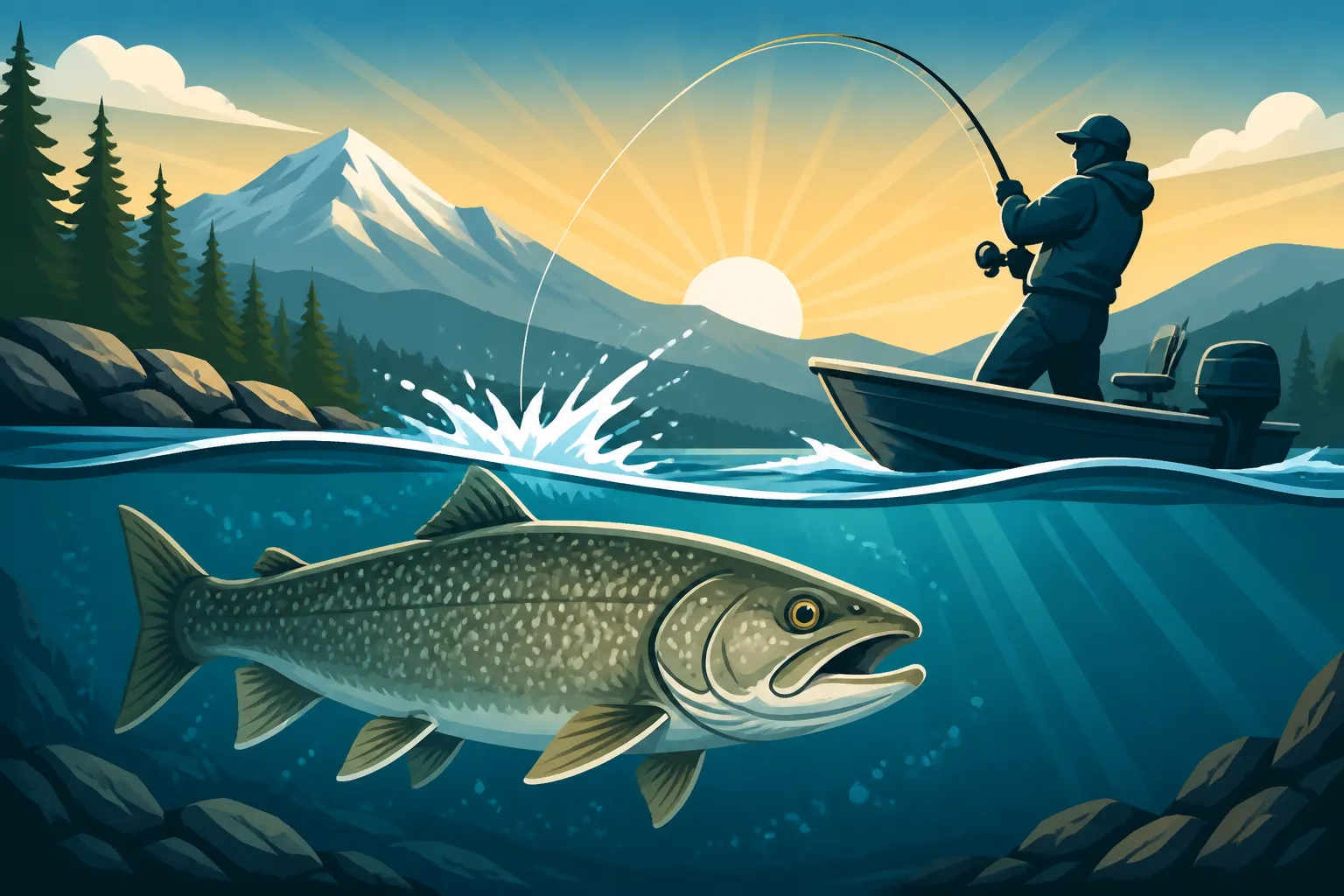
When anyone in Washington talks about lake trout, the conversation inevitably turns to Lake Chelan. This massive, deep, and pristine lake in North Central Washington is the absolute stronghold for Mackinaw in the state. The sheer size of the lake, stretching over 50 miles long and plunging to nearly 1,500 feet deep, provides the perfect cold-water habitat for these fish to grow to impressive sizes. It's not uncommon for anglers here to land Mackinaw weighing well into the double digits, with trophy-sized fish pushing 20, 30, or even 40 pounds being reported. For anyone serious about catching large lake trout, a trip to Lake Chelan, Washington for Mackinaw and Kokanee is an absolute must.
Fishing Chelan requires a specific approach due to the depths involved. Most successful anglers target Mackinaw by trolling deep, often utilizing downriggers to get their lures or baits down to where the fish are holding, which can be anywhere from 100 to 400 feet or more. Local guides on Lake Chelan are incredibly knowledgeable and can significantly shorten your learning curve, helping you understand the seasonal patterns and preferred depths. You'll find many specialized shops around Chelan offering the right gear, from heavy trolling rods to specific lure patterns, or you can stock up on essentials like specialized deep-diving plugs and heavy jigs from retailers like Amazon before your trip.
Effective Techniques for Deep-Water Lake Trout
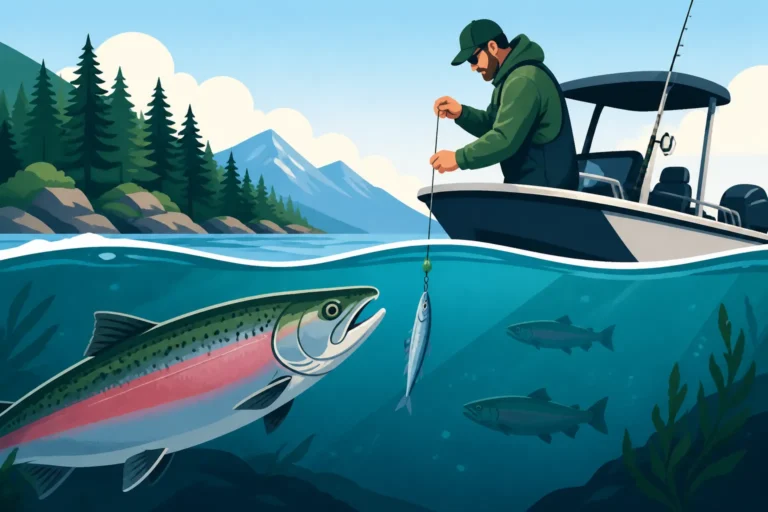
Targeting lake trout, especially the larger specimens, demands specific techniques tailored to their deep-water habits. Trolling is undoubtedly the most popular and effective method on big lakes like Chelan. Anglers use heavy gear, including stout rods and reels spooled with braided line, often employing downriggers to precisely control the depth of their lures. Popular offerings include large spoons, plugs, and even baitfish imitations, often tipped with a piece of bait like a herring or an anchovy. The key is to match the forage, which often consists of smaller kokanee salmon or whitefish.
Beyond trolling, jigging is another productive method, particularly when lake trout are concentrated around underwater structures like humps, ledges, or points. Heavy jigs, sometimes weighing several ounces, are dropped to the bottom and worked with an aggressive lift-and-drop motion to attract attention. Fish finders are absolutely invaluable tools for this kind of fishing, helping you locate schools of baitfish, identify underwater structure, and mark individual fish. A quality fish finder, often available for purchase on Amazon, can make a monumental difference in your success rate. Remember, these are deep-water fish, so understanding How Deep to Troll for Summer Kokanee (which are often what Mackinaw are feeding on) can give you a clue on target depths for the predators.
Essential Gear and Licenses for Your Lake Trout Adventure
Before you even think about hitting the water for lake trout, you need to ensure you have the right tools for the job and, most importantly, the legal authorization to fish. Being prepared not only enhances your experience but also keeps you compliant with Washington's fishing laws.
Must-Have Tackle for Deep-Water Angling
Fishing for lake trout often involves heavy-duty gear designed to handle deep water and powerful fish. You'll want a medium-heavy to heavy action trolling rod, capable of handling large lures and fighting fish from significant depths. Pair this with a robust baitcasting reel, ideally one with a line counter to help you track your depth accurately. Spool your reel with 30-50 lb braided line, which offers sensitivity and strength, and attach a fluorocarbon leader for abrasion resistance and stealth. Lures like large spoons (e.g., Mac's Hot Spot, Apex), deep-diving crankbaits, and heavy jigs are essential. Don't forget swivels, snaps, and split rings.
Beyond the rod and reel setup, a good quality sonar or fish finder is arguably the most critical piece of electronics you can have. It allows you to identify structure, locate bait balls, and spot individual fish in the deep water. Other useful items include a large net (to handle big Mackinaw), a good pair of pliers, and appropriate warm and waterproof clothing – even in summer, deep lake fishing can be chilly, and weather can change quickly. Many anglers also find a specialized tackle box for deep-diving lures and weights indispensable, and you can find a wide variety of these on Amazon to keep your gear organized.
Licensing Requirements for All Washington Anglers
Regardless of the species you're targeting or the time of year, having the proper fishing license is a fundamental requirement for anyone over the age of 15. For lake trout fishing, you'll typically need a freshwater fishing license. Washington offers various license options, including annual, short-term, and combination licenses. If you're planning just a single trip, a shorter-term option might be more economical, but for regular anglers, an annual license is usually the best value. Knowing Washington's Annual, Short-Term and Combination License Options can save you money and ensure you're covered for your specific needs.
Remember, a license isn't just a formality; it's how Washington State funds critical conservation efforts, fish stocking programs, and habitat restoration projects that benefit all anglers. Always carry your license with you when fishing, either in physical form or digitally on the MyWDFW app. Game wardens frequently check licenses on Washington rivers and lakes, and getting caught without one can result in significant fines. Also, remember to review the requirements for the Columbia River Salmon and Steelhead Endorsement, if you plan to fish those waters, even if only for other species.
Disclaimer
Fishing regulations can change frequently and without much prior notice, particularly due to in-season adjustments by the Washington Department of Fish and Wildlife (WDFW). Always consult the official WDFW website or the most current regulations pamphlet before heading out on any fishing trip to ensure you are compliant with all applicable laws and rules. This guide provides general information and should not be used as the sole source for regulatory decisions.