When Washington’s River Trout Season Closes
Figuring out when Washington's river trout season actually closes can feel like trying to solve a complicated puzzle, especially with all the different regulations for various waterways across the state. It's incredibly frustrating when you just want to get out and fish, only to worry if you're even legally allowed to drop a line. This guide is here to untangle that complexity, helping you understand the general rules, key exceptions, and how to stay informed so you can enjoy Washington's incredible river trout fishing without a hitch.
Understanding the General River Trout Season Closures
One of the biggest sources of confusion for trout anglers in Washington is that there isn't one universal closing date for all rivers and streams. Unlike the often straightforward opening dates for lowland lakes, river systems are a different beast entirely. They're often managed with complex rules designed to protect wild fish, manage hatchery returns, and balance the needs of various species like salmon and steelhead that share the same waters. This makes knowing when Washington's river trout season closes a bit of a moving target.
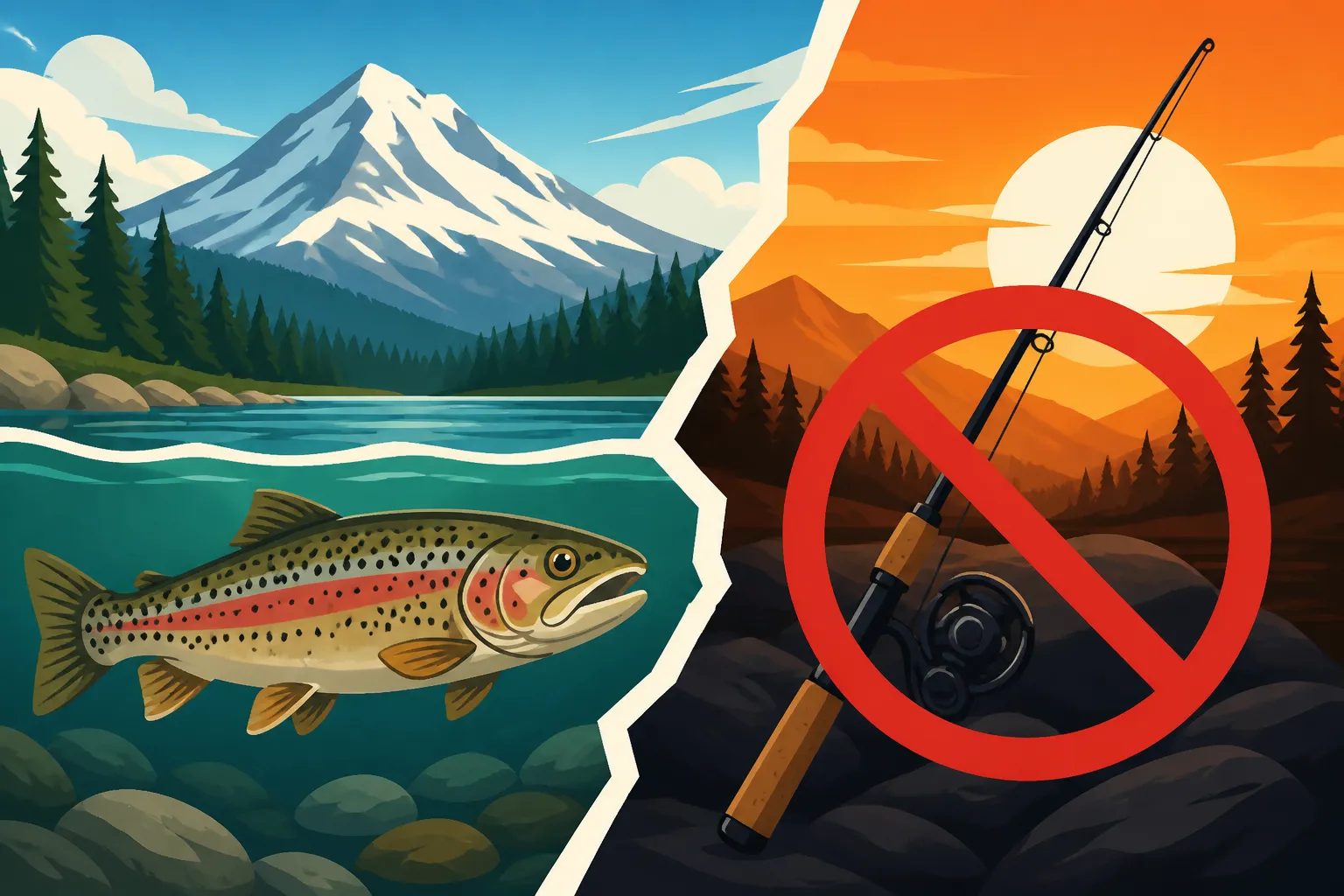
Generally speaking, many of Washington's rivers and streams that are open for trout fishing during the spring and summer will close to trout retention by October 31st. This blanket closure often applies to areas that don't have special year-round or selective gear regulations. The logic behind this common end date is primarily to protect spawning trout as they prepare for winter and to allow for the recovery of wild populations. During this time, many rivers also begin to see the return of fall-run salmon and winter steelhead, and managers often implement specific regulations, like bait bans or gear restrictions, to minimize impacts on these migrating fish.
However, even within this general framework, you'll find plenty of nuances. Some rivers might close earlier, particularly if they have sensitive wild trout populations or specific conservation concerns. Others might have sections that remain open for catch-and-release only, especially in designated selective gear rules areas where bait is prohibited and only artificial flies or lures with single barbless hooks are allowed. It's a system that truly requires you to dive into the specific regulations for the river you intend to fish, rather than relying on a general statewide calendar.
For instance, a smaller tributary to a major river might close completely on October 31st, while the main stem of that same river could remain open under selective gear rules until a later date, or even year-round for certain species with trout being catch-and-release. The key takeaway here is that while late October is a common closing period for retaining trout in many rivers, it's rarely the complete end of all fishing activity. This is why it's so important to understand the specific rules for the waters you plan to visit, which you can usually find in the official Washington Sport Fishing Regulations Pamphlet.
Exceptions to the Rule: Year-Round and Special Fisheries
Just when you think you've got a handle on the general October 31st closure, Washington's diverse fisheries throw in a few curveballs – wonderful ones, in fact! Many rivers and river sections operate under specific exceptions, allowing for extended or even year-round trout fishing opportunities. These exceptions are often implemented to provide angling opportunities while still protecting vulnerable fish populations, or to manage specific hatchery programs.
Year-Round Openings and Selective Gear Waters
One of the most significant exceptions you'll encounter are rivers or river sections designated as "year-round" fishing areas. While these areas might be open year-round for fishing, they often come with very specific restrictions on what you can actually keep. For trout, many of these year-round waters are managed under "selective gear rules." This means you're limited to artificial flies and lures, and you must use a single barbless hook. More often than not, trout fishing in these year-round selective gear waters is catch-and-release only. This strategy allows anglers to enjoy the sport all year long without putting undue pressure on wild trout populations, particularly during their sensitive spawning periods.
A great example of this might be a stretch of the Yakima River, known for its superb fly fishing, which often has extended or year-round catch-and-release seasons for trout. You might be out there in December, casting flies, but you're legally obligated to release any trout you catch. This is vastly different from a spring lowland lake fishery where you can keep your daily limit. Understanding Fly Fishing Washington's Rivers and Lakes can provide more insight into these specific regulations.
Another common scenario involves rivers that remain open year-round for other species, like resident salmon or whitefish, but specify that all trout must be immediately released. So, while you're technically fishing that river, if you hook a trout, it goes back into the water. It's crucial to check the species-specific rules for the body of water you're targeting.
High Lakes and Mountain Streams
Washington's high lakes and mountain streams also present a unique set of regulations. Due to their elevation and often remote location, these waters typically have a much shorter fishing season that is largely dictated by snowpack and ice melt. However, once accessible, many high lakes often remain open for trout fishing well into the fall, sometimes even until November 30th or December 31st, before winter snows completely close access.
These fisheries are often less impacted by the salmon and steelhead runs that influence lower river closures, and their trout populations (often stocked rainbow trout or native cutthroat) are managed differently. If you're planning a late-season backcountry trip, it's definitely worth checking the regulations for specific high-lake basins, as they can be fantastic options when other rivers are closing down. Just remember that weather can change rapidly in the mountains, and accessibility can become an issue as winter approaches. Packing appropriate gear for cold weather is essential, and you can find a good selection of durable, waterproof options on Amazon.
Here's a simplified overview of common season types, but remember, always verify with the current WDFW regulations for your specific water body:
| Fishery Type | Typical Opening | Typical Trout Retention Closure | Common Gear Restrictions | Notes |
|---|---|---|---|---|
| General Lowland Lakes | Last Saturday in April | October 31st | Few (check specific lake) | Often heavily stocked; some open year-round for different species. |
| General Rivers/Streams | Varies (often June 1st) | October 31st | Varies | Primary focus on protecting wild trout/spawners as fall/winter approach. |
| Selective Gear Rivers | Varies (often year-round) | Catch-and-Release Only | Artificial flies/lures, single barbless hooks | Designed for sustainable angling pressure, preserving wild populations. |
| High Lakes/Mountain Streams | When accessible (late spring/early summer) | Oct 31st / Nov 30th (access dependent) | Varies | Shorter seasons due to snow, less impact from salmon/steelhead migrations. |
| Specific River Sections | Highly Variable | Highly Variable | Highly Variable | Can have unique rules based on local fish management goals. |
Remember, this table is a generalization. The devil is truly in the details when it comes to Washington's fishing regulations.
How to Stay Up-to-Date on River Trout Closures
The number one frustration for anglers is showing up at a favorite river, only to find out it's closed, or worse, fishing illegally because the rules changed. Washington's fishing regulations, especially for rivers, can be incredibly dynamic. This isn't because the Washington Department of Fish and Wildlife (WDFW) wants to make your life difficult; it's often a response to real-time conservation needs, fluctuating fish returns, or environmental factors. Learning how to navigate these changes is crucial for a successful and legal fishing experience.
Consulting the Official WDFW Regulations
Your absolute best friend in understanding when Washington's river trout season closes (or any season, for that matter) is the official WDFW Sport Fishing Regulations Pamphlet. This isn't just a suggestion; it's a necessity. You can find this pamphlet online as a PDF, or pick up a physical copy at any sporting goods store or license vendor. I always keep a copy in my tackle box and a digital one on my phone, even if I've reviewed it a hundred times.
When you're looking at the pamphlet, pay close attention to the General Rules section first, then immediately jump to the Regional and Specific Waterbody Rules. Rivers are often listed by region (e.g., Puget Sound, Southwest, Eastern Washington), and then alphabetically. Each listing will specify the species allowed, open seasons, bag limits, and any special gear rules. Don't skim! Look for keywords like "Trout," "Rainbow Trout," "Cutthroat," and pay attention to retention limits versus catch-and-release rules. Some rivers might be open for retention of hatchery trout (marked with a clipped adipose fin) but require the release of all wild trout. Understanding Wild Steelhead vs Hatchery Steelhead in Washington can help clarify this common distinction.
Checking for Emergency Rule Changes
The WDFW frequently issues "Emergency Rule Changes" that can modify seasons, bag limits, or gear restrictions with little notice. These changes are typically in response to unexpected events, like a poorer-than-expected salmon run, low water conditions affecting fish migration, or a need to increase protection for a specific species. These emergency rules supersede what's printed in the annual pamphlet, which is often published months in advance.
The most reliable place to find these updates is the WDFW website. They have a dedicated "Emergency Rules" section that is updated constantly. Before every single fishing trip, especially to a river, make it a habit to check this page. It's a quick few minutes that can save you a citation or, more importantly, ensure you're fishing responsibly. You can also sign up for email alerts from WDFW to receive notifications directly when rules change for areas you're interested in. Knowing Where to Find Current Washington Fishing Rules is paramount.
Another excellent resource is the "Fish Washington" app. This mobile application, available for both iOS and Android, provides a convenient way to access regulations, emergency rules, and even report your catch using an Electronic Catch Record Cards and the Fish Washington App. It’s like having a digital copy of the regulations, updated in real-time, right in your pocket. This can be a lifesaver when you're on the go and suddenly realize you need to double-check a specific regulation.
Why Washington's Trout Seasons Are So Variable
It's easy to get frustrated with Washington's complex and often shifting fishing regulations. Many anglers, myself included, have muttered under their breath about how hard it is to just go fishing. But understanding why these seasons are so variable can help temper that frustration and foster a greater appreciation for the conservation efforts at play. The variability in river trout seasons, including their closure dates, isn't arbitrary; it's a reflection of a delicate balance between angler opportunity and the health of the ecosystem.
Protecting Spawning Fish
One of the primary drivers behind river trout season closures, especially the common October 31st date, is the protection of spawning fish. Many trout species, including resident rainbow and cutthroat trout, begin their spawning rituals in the fall and early winter. During this time, they become vulnerable as they move into shallower waters and focus on reproduction. Closing seasons during these critical periods minimizes disturbance, allowing fish to successfully spawn and ensure the next generation. It's a long-term investment in the fishery, ensuring there will be trout to catch for years to come.
Without these closures, overfishing during spawning periods could severely impact fish populations, leading to declining numbers and, eventually, a less vibrant fishery for everyone. It's about sustainability, pure and simple.
Co-Management of Mixed Species Fisheries
Washington rivers are rarely single-species environments. A river that holds rainbow trout might also be a critical migration corridor and spawning ground for Chinook, Coho, or Chum salmon, and of course, the famed steelhead. When multiple species share the same waters, especially those with different conservation statuses and harvest priorities, regulations become incredibly intricate.
For instance, a river might be closed to trout retention but open for specific salmon species during their run. The regulations in these "mixed species" fisheries are designed to allow for the harvest of abundant species while protecting others. This often means implementing selective gear rules, bait bans (as bait can be less selective and lead to higher mortality for incidentally caught fish), or catch-and-release mandates for certain species. The Washington's Columbia River Salmon and Steelhead Endorsement, Explained is a perfect example of how regulations are tailored to specific species and locations within a larger river system. Even something like Barbless Hook Requirements on Washington Rivers plays a role in reducing mortality for released fish.
Habitat Conditions and Environmental Factors
River conditions are highly susceptible to environmental factors, which can also influence season closures or adjustments. Low water levels due to drought, unusually warm water temperatures, or even large-scale events like wildfires or floods, can stress fish populations and make them more vulnerable. In such cases, WDFW might implement emergency closures to protect fish from further stress. For example, during periods of prolonged warm weather, rivers can become too warm for trout, leading to high mortality rates if they are caught and released. Closing a fishery during these times is a proactive measure to safeguard the fish.
Conversely, some closures are a response to improving conditions. If a fish run exceeds expectations, an emergency opening or extension might occur. The WDFW constantly monitors fish runs through methods like test fisheries and creel surveys, and this data directly informs management decisions. This dynamic approach, while sometimes unpredictable for anglers, is essential for responsive and effective fishery management.
It's a complex dance between biology, conservation goals, and providing recreational opportunities. While it demands extra effort from us as anglers to stay informed, it's all for the greater good of keeping Washington's rivers teeming with fish for generations to come. So, next time you're reviewing those regulations, remember the extensive thought and effort that goes into each decision, all aimed at protecting our incredible natural resources.
Disclaimer
Please remember that fishing regulations can change frequently. This guide provides general information and insights into Washington's river trout season closures. Always consult the official Washington Department of Fish and Wildlife (WDFW) regulations pamphlet and their emergency rules page before heading out on any fishing trip to ensure you are compliant with the most current rules and regulations.