How to Target Resident Coho in Lakes
It can be incredibly frustrating when you’re itching to chase coho salmon, but all the buzz is about the rivers or Puget Sound, leaving you wondering if there are any opportunities closer to home in Washington’s many beautiful lakes. Many anglers assume coho are solely ocean-going or river-spawning fish, but there’s a quiet fishery for "resident" coho living out their entire lives in freshwater. This guide will dive deep into how to find and effectively target these unique, often overlooked lake-dwelling coho, turning that frustration into a fantastic fishing adventure.
Understanding Washington's Resident Lake Coho
When we talk about resident coho in Washington lakes, we’re not always talking about a widespread, dedicated fishery like you'd find for rainbow trout or kokanee. These are often unique situations, sometimes the result of stray hatchery fish, past stocking efforts in landlocked systems, or populations that have become naturally isolated from the ocean. They present a fascinating challenge for anglers, requiring a slightly different approach than their anadromous cousins.
What Makes Them Different from Anadromous Coho
The vast majority of coho salmon in Washington are anadromous, meaning they hatch in freshwater, migrate to the ocean to feed and grow, and then return to their natal rivers to spawn and die. This lifecycle dictates their size, their diet, and their behavior. Resident coho, on the other hand, skip the ocean phase entirely. They remain in the lake system from hatching to spawning. Because they don't experience the rich, abundant feeding grounds of the Pacific Ocean, resident coho typically don't grow as large as their anadromous counterparts. They might be smaller, often in the 1 to 5-pound range, but they retain the same aggressive fighting spirit and delicious flavor.
Their diet shifts to what's available in the lake – often smaller baitfish like kokanee fry, juvenile trout, sculpins, and various aquatic insects. This difference in diet and size directly influences the tackle and techniques you'll use. Think of them as a blend between a large trout and a small ocean-run salmon, with all the cunning of a fish that has spent its life evading predators in a more confined environment. Their life cycle inside the lake means they are also more consistently available, rather than being tied to specific migratory windows.
Where to Find Them in Lakes
Locating resident coho in a large lake can feel like searching for a needle in a haystack, but understanding their preferences for structure, water temperature, and forage can narrow down your search dramatically. Unlike river coho that follow defined channels, lake coho will roam more widely, often in the upper water column or near thermoclines during warmer months.
They are predators, so they’ll often be found shadowing baitfish schools. Look for areas where smaller fish congregate: near drop-offs, underwater points, submerged islands, or around tributary mouths that bring in nutrients and smaller organisms. In the spring and fall, they might be shallower, actively feeding. During the summer, they'll seek cooler, oxygenated water, often suspending over deeper sections of the lake. A good fish finder is an invaluable tool for identifying bait balls and the depth at which coho might be holding. Some of the best places to look are in larger, deeper lakes that have a consistent food source and cool, clear water.
Essential Gear for Lake-Bound Coho
Targeting resident coho in lakes requires a blend of trout and salmon fishing tackle. You don't need the heavy-duty gear you'd use for ocean chinook, but you'll want something robust enough to handle their spirited runs. The key is versatility and presentation, as these fish can be finicky.
Rods and Reels for Lake Coho
For lake coho, you'll generally want a medium-light to medium-action rod. A rod in the 7 to 9-foot range with a fast or moderate-fast action is ideal for casting lighter lures and detecting subtle bites, while still having enough backbone to handle a fighting fish. A sensitive tip is crucial for noticing those tentative takes. If you're primarily trolling, a slightly shorter, softer rod around 6.5 to 7.5 feet with a moderate action can be forgiving when a fish hits the lure at speed, preventing hooks from tearing out.
Pair your rod with a reliable spinning reel in the 2000-3000 size range or a small baitcasting reel, especially if you plan on using downriggers or lead core line for controlled depth trolling. Spool up with 8-12 pound monofilament or fluorocarbon main line, or consider 15-20 pound braided line with a fluorocarbon leader of 8-10 pounds. The sensitivity of braid can be a huge advantage for detecting light bites, and the lack of stretch ensures solid hooksets, even when fishing deeper.
Lures and Baits for Aggressive Takes
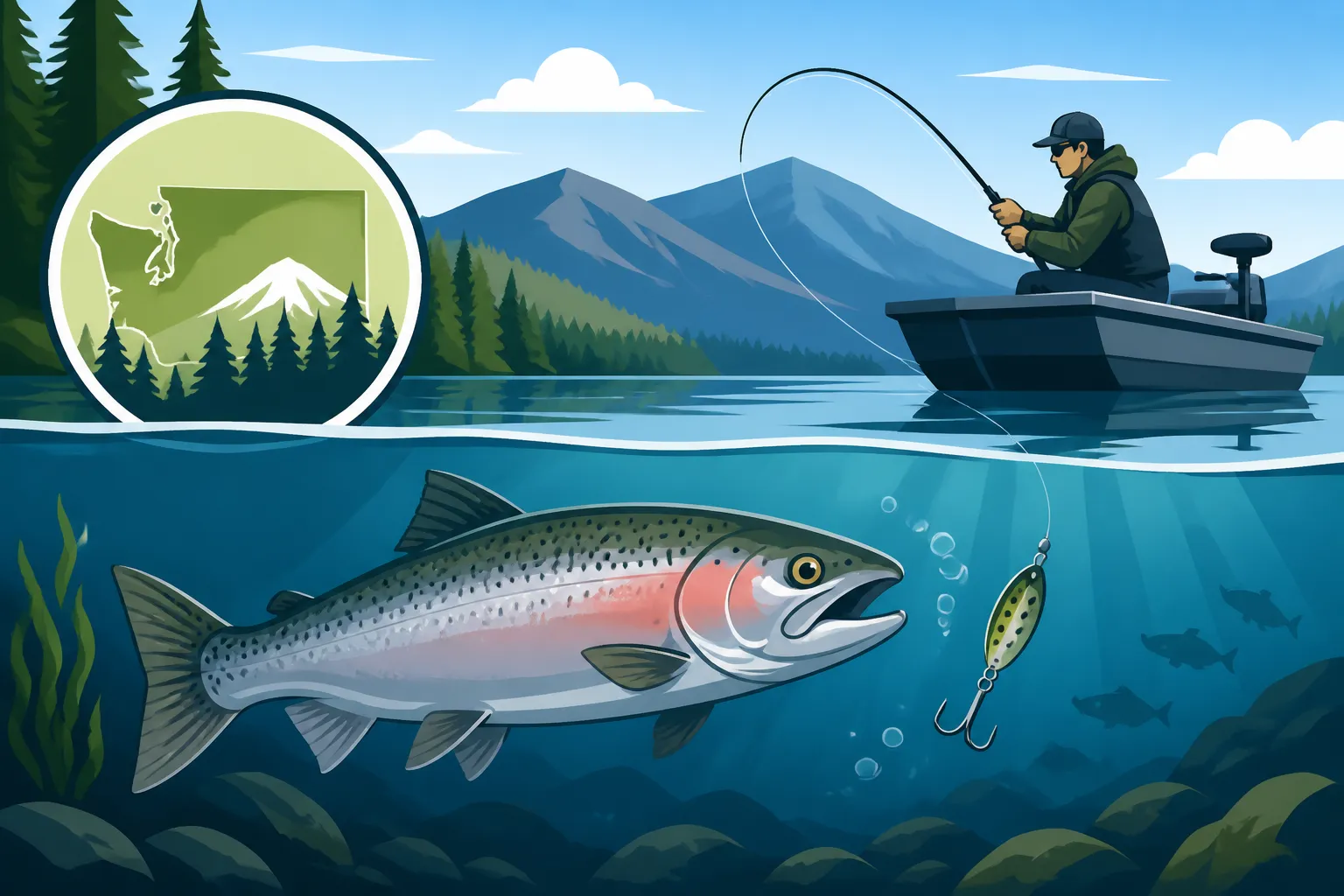
Resident coho are opportunistic feeders, often keying in on small baitfish. Therefore, presentations that mimic these forage species are highly effective. Small spoons like the familiar Dick Nite or the classic Daredevl in silver, gold, or bright fluorescent colors can be deadly, especially when trolled or cast around schooling bait. Sizes ranging from 1/8 oz to 1/2 oz are typically appropriate. Plugs and stickbaits, such as smaller Rapalas or Kwikfish, also work wonders when trolled, imitating a wounded baitfish.
Hoochies or squid skirts, particularly in pink, chartreuse, or white, fished behind a small dodger or flasher, are another excellent choice for trolling. The action of the dodger imparts an irresistible wiggle to the hoochie. Don't forget small spinnerbaits, inline spinners like Mepps or Blue Fox, which can be cast and retrieved effectively, especially in shallower water or when fish are actively busting on the surface. For bait, cured coho roe or a piece of herring or anchovy fished under a float or trolled slowly can also entice bites, especially if the fish are a bit more finicky. You can find a fantastic selection of these lures and baits on platforms like Amazon, often with competitive pricing and quick delivery, ensuring you’re ready for your next trip.
Essential Accessories for Lake Coho Anglers
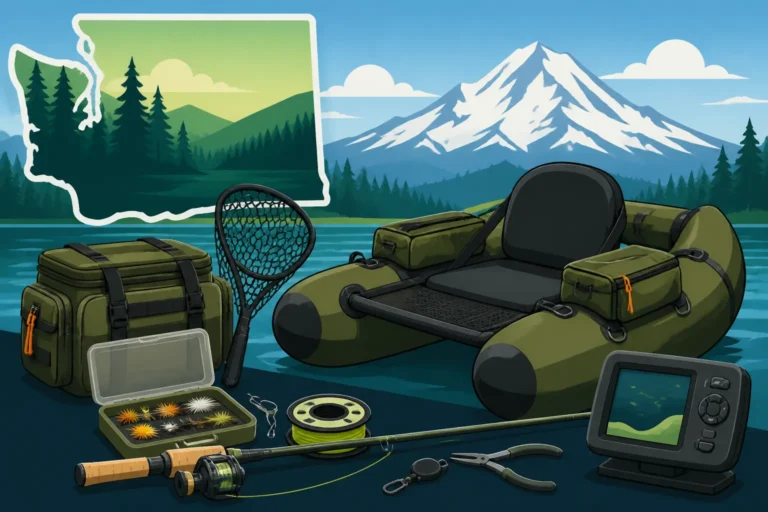
Beyond your basic rod and reel, a few key accessories will significantly improve your success rate for lake coho. A quality fish finder is almost non-negotiable. It allows you to mark bait balls, identify suspended fish, and understand the lake's bottom contours and thermoclines, which are critical for finding coho. Many anglers swear by portable fish finders for smaller boats or even bank fishing, which are readily available on Amazon and other sporting goods sites.
For precise depth control, particularly when trolling, a downrigger or a substantial amount of lead core line is essential. Coho often feed at specific depths, and being able to consistently present your lure there can be the difference between a slow day and a hot bite. A long-handled landing net with rubberized mesh is also vital; it protects the fish if you plan to release it and prevents hooks from getting tangled. Don’t forget a good pair of pliers or forceps for hook removal, a cooler with ice to preserve your catch, and a valid Washington fishing license and Catch Record Card, if required for your target species and location. Remember, rules can change, so always check the latest Washington Sport Fishing Seasons and Emergency Closures before heading out.
Top Techniques for Fooling Lake Coho
Resident lake coho can be tricky, but by employing a few proven techniques, you can significantly increase your chances of success. It's often about experimenting with speed, depth, and lure presentation until you crack the code for that particular day and lake.
Trolling Strategies for Depth Control
Trolling is arguably the most effective method for covering large areas of a lake and presenting lures at consistent depths, which is crucial for suspended coho. The ideal trolling speed typically ranges from 1.5 to 3.0 mph, but it’s essential to experiment. Sometimes a subtle slowdown or burst of speed can trigger a strike. Pay attention to your boat speed and adjust based on what the fish are reacting to.
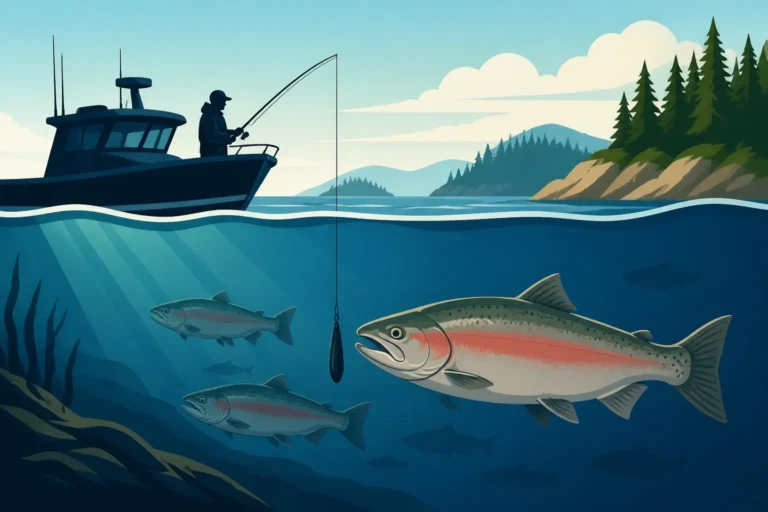
Depth control is paramount. During the warmer months, coho will often be found in the cooler, oxygenated water below the surface, but above the anoxic layer at the bottom. This usually means fishing anywhere from 15 to 60 feet down. Downriggers allow you to precisely control your depth, letting your lure run freely behind a release clip. If you don't have downriggers, lead core line or even simply adding enough weight to your line (e.g., a banana sinker or inline weights) can get your lure into the strike zone. Trolling patterns like S-curves or figure-eights can also be very effective, as the lure speeds up and slows down on the turns, often provoking a strike. This variation can be crucial, as fish often hit when the lure changes action.
Casting from Shore or Boat
While trolling covers water efficiently, casting offers a more active and versatile approach, especially when coho are visible, busting on the surface, or congregating in specific areas like points or drop-offs. From a boat, you can quietly approach these areas, cast your chosen lure, and retrieve it. This is particularly effective during low light conditions in the early morning or late evening, or on overcast days, when coho tend to be more active near the surface.
For shore anglers, casting can still yield great results, especially if you target areas with good access to deeper water, such as piers, jetties, or steep banks. Fan casting to cover a wide area is a smart strategy. Using spoons, spinners, or small swimbaits that imitate baitfish can be highly effective. Vary your retrieve speed and add pauses or jerks to mimic a struggling baitfish. Often, the strike will come on the pause. Remember to cast beyond where you think the fish are, allowing your lure to sink to their depth before beginning your retrieve.
Still Fishing or Jigging in Key Locations
Sometimes, resident coho will congregate in specific areas, making still fishing or jigging a viable and often productive tactic. If your fish finder marks a dense school of baitfish with larger arches nearby, or if you're fishing over an underwater structure that coho might use as an ambush point, these static methods can shine.
For still fishing, presenting a cured bait or a live minnow (if legal in that particular lake) under a float at the suspected depth can be incredibly effective. Anchor your boat upwind of the desired area and allow your bait to drift naturally into the strike zone. Jigging involves using a metal or lead jig that is dropped to the desired depth and then vertically "jigged" or bounced, simulating a wounded or fleeing baitfish. Pirk-style jigs or even heavy spoons can work. This technique is especially potent in deeper water when fish are holding tight to structure or in a compact school. The key is to watch your electronics closely and position your boat directly over the fish. This active method allows for quick adjustments to depth and presentation, which can be critical when fish are finicky.
Prime Washington Lakes for Resident Coho Opportunities
While resident coho aren't as prevalent as other salmonids in most Washington lakes, there are specific waters where they either persist or are occasionally caught as "bonus" fish. Often, these are larger lake systems connected to rivers or those that have historically received coho plants.
Notable Lakes and Their Characteristics
Some of Washington's larger, deeper lakes offer the best chances for encountering resident coho.
- Lake Washington: This massive urban lake is primarily known for its Lake Washington for Trout and Bass and occasional sockeye returns, but it also holds Chinook salmon (often called "blackmouth" when immature and resident) and coho that have either strayed or taken up permanent residence. These fish are typically found suspended in the deeper sections, particularly where schools of baitfish like kokanee and smelt gather.
- Lake Sammamish: Adjacent to Lake Washington, Lake Sammamish also has a population of resident salmonids, including coho. It's a popular lake for Lake Sammamish, Washington for Kokanee and Bass, and like Lake Washington, coho often intermingle with these other species. Trolling with small spoons or hoochies is a popular method here.
- Lake Wenatchee: While famous for its sockeye run, Lake Wenatchee can also hold resident coho, particularly those that might have dropped out of the anadromous migration. These fish would typically be found in the deeper, cooler parts of the lake.
- Lake Cushman: On the Olympic Peninsula, this deep, clear lake might also harbor some resident coho, especially near the dam or where tributaries flow in. It's another lake where targeting a variety of salmonids means you might encounter a coho.
It's important to understand that a dedicated "resident coho fishery" might not be officially managed by WDFW in the same way as, say, a rainbow trout plant. These are often opportunistic catches, but knowing these lakes increases your odds. Always check the current regulations for the specific lake you plan to fish, as rules can vary greatly and change suddenly.
Seasonal Considerations for Lake Coho
Resident coho, like most salmonids, are influenced by water temperature and food availability, meaning their activity levels and locations within a lake will shift throughout the year.
- Spring: As lake temperatures begin to rise but remain cool, coho will become more active and might be found shallower, chasing baitfish that are also moving into warmer waters. This can be an excellent time for casting spoons or small crankbaits from shore or boat, particularly in bays or near tributary mouths.
- Summer: During the heat of summer, coho will retreat to deeper, cooler waters, often suspending above the thermocline. This is prime time for trolling with downriggers or lead core line to get your lures down to the 30-60 foot range. Early mornings and late evenings can also see them rise higher in the water column to feed.
- Fall: As lake temperatures cool down again, coho will often move shallower, becoming more aggressive feeders in preparation for potential spawning (even if they are resident and don't migrate). This can be one of the best times for both trolling and casting, as the fish are actively feeding across various depths.
- Winter: In some of the deeper lakes, coho may remain active through the winter, though their metabolism slows down. They'll typically be found deeper, and a slower trolling speed or vertical jigging can be effective. Ice fishing for coho is rare but not impossible in specific lakes if ice conditions permit, though it's not a common target during winter.
Regardless of the season, understanding the behavior of baitfish in your chosen lake is key. Where the bait is, the coho will likely be. Paying attention to factors like water temperature and clarity, as detailed in guides like How Water Clarity Affects Steelhead Fishing, can also provide clues to where fish are holding and what presentations might work best.
| Technique | Best Season | Preferred Depth Range (feet) | Recommended Lure Types | Key Benefit |
|---|---|---|---|---|
| Trolling | Summer, Fall | 20-60+ | Spoons, Hoochies with Flashers, Plugs | Covers large areas, consistent depth presentation |
| Casting | Spring, Fall | 0-30 | Spoons, Spinners, Swimbaits | Active fishing, targets visible fish |
| Jigging | All Seasons | 30-80+ | Metal Jigs, Heavy Spoons | Effective on suspended fish, precise depth |
| Still Fishing | All Seasons | 10-50 | Cured Roe, Baitfish | Passive, effective on concentrated fish |
Always remember that fishing for resident coho is a game of patience and adaptability. What works one day might not the next, so be prepared to change your lures, depths, and speeds. Checking local fishing reports and chatting with other anglers can also provide invaluable, up-to-date insights for the specific lake you're visiting. For regulatory nuances, understanding documents like Washington Fishing Regulations Every Angler Should Know is always a good idea, as rules can impact gear choices like the number of rods you can fish at once, which is detailed in How Many Rods You Can Fish at Once in Washington.
Disclaimer
Fishing regulations in Washington State can change frequently, sometimes even mid-season, due to emergency rule changes issued by the Washington Department of Fish and Wildlife (WDFW). Always consult the most current WDFW regulations pamphlet, available online or at license vendors, before heading out on any fishing trip. This article provides general information and should not be considered a substitute for official regulations.