Fishing Lake Sammamish, Washington for Kokanee and Bass
The sun is glinting off the water, the breeze is gentle, and you're dreaming of bending a rod on a beautiful lake, but figuring out where to go and what to target can feel like navigating a maze. Lake Sammamish, nestled right here on the Eastside, offers some incredible opportunities for both the elusive kokanee salmon and the hard-fighting largemouth and smallmouth bass, if you know where to look and what approach to take. This guide will peel back the layers on fishing this local gem, helping you confidently cast your line for a rewarding day.
Lake Sammamish: An Angler's Introduction to the Eastside Jewel
Lake Sammamish isn't just a picturesque backdrop for lakeside homes; it's a vibrant ecosystem supporting a diverse fishery that can be incredibly rewarding for anglers willing to put in the effort. From its deep, cool waters holding schools of kokanee to its weed-lined shores bustling with bass, this lake presents a dynamic challenge that keeps many local fishermen coming back season after season. Understanding its unique characteristics is the first step to unlocking its angling potential.
Hydrology and Structure
Lake Sammamish is a relatively large, deep lake, stretching about 7 miles long and nearly 1.5 miles wide, with depths plunging over 100 feet in places. This depth is crucial, particularly for species like kokanee that prefer cooler, oxygen-rich waters. The lake’s bottom structure varies significantly. You'll find expansive flats, sharp drop-offs, underwater humps, and numerous submerged points, all of which act as crucial holding areas for fish. On the shallower ends and along much of its shoreline, dense weed beds and lily pads provide perfect ambush points for bass. The lake is fed primarily by Issaquah Creek and Tibbetts Creek, which bring in cool, fresh water, and it drains into Lake Washington via the Sammamish River. This constant flow, though subtle, influences water temperatures and nutrient distribution, impacting where fish choose to congregate throughout the year. Knowing these structural elements and water dynamics helps immensely in predicting where your target species might be hiding.
Access Points and Facilities
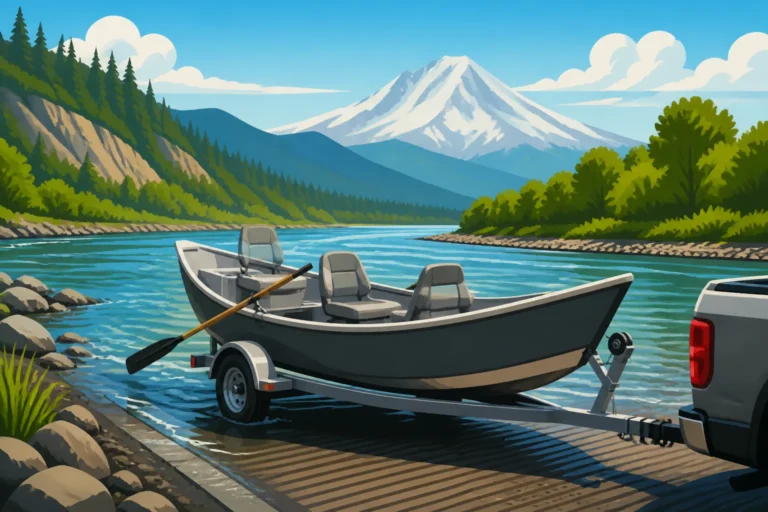
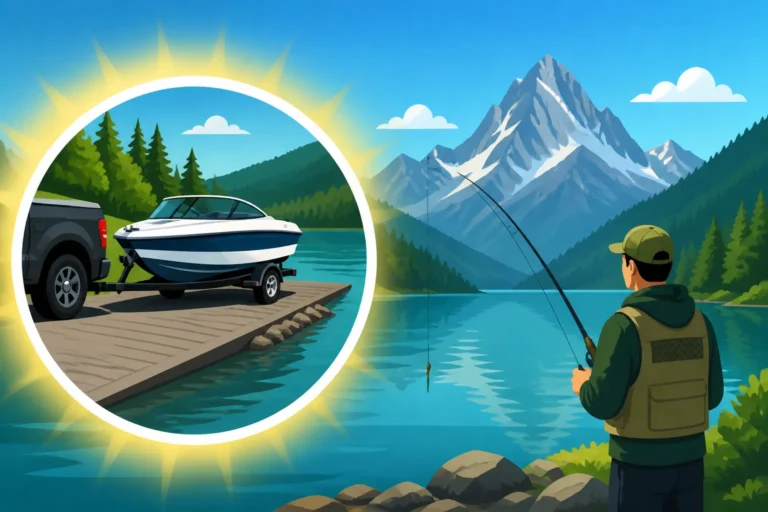
While much of Lake Sammamish is bordered by private residences, there are several key public access points that anglers rely on. Lake Sammamish State Park, located at the south end near Issaquah, is arguably the most popular. It offers a large boat launch with ample parking, making it a prime spot for launching anything from bass boats to dedicated kokanee rigs. The park also provides some limited shoreline fishing access, picnic areas, and restrooms, making it a great family-friendly option. On the north end, Marymoor Park in Redmond also offers boat launch facilities, though it's important to check their specific operating hours and fees, as they can sometimes differ from the State Park. For those without a boat, fishing opportunities from shore are more constrained but not impossible. Areas around Lake Sammamish State Park and a few other small public parks offer some casting room. However, to truly explore the lake's best fishing grounds, especially for kokanee, a boat is almost essential. Remember to always be mindful of private property boundaries, even when fishing from a boat, and ensure you're aware of designated swimming or protected areas.
Unlocking the Kokanee Code: Techniques for Washington's Landlocked Salmon
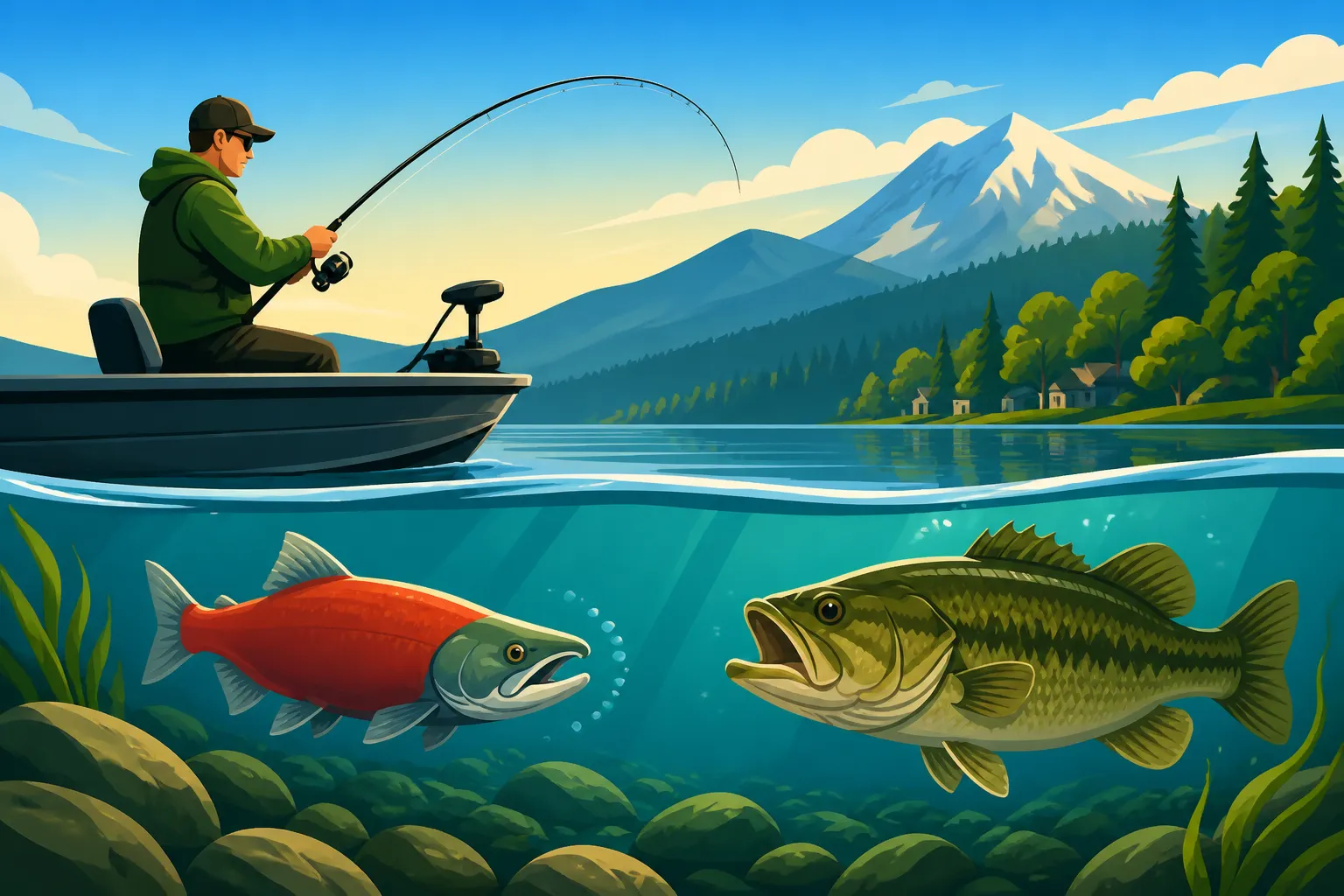
Kokanee salmon are truly a special target on Lake Sammamish. These landlocked sockeye are known for their vibrant fight and delicious, bright red flesh, making them a prized catch. However, they can be finicky, requiring a specific approach due to their preference for deep, cold water and their plankton-based diet. If you’re serious about catching them, you’ll need to embrace some specialized tactics.
Seasonal Kokanee Strategies
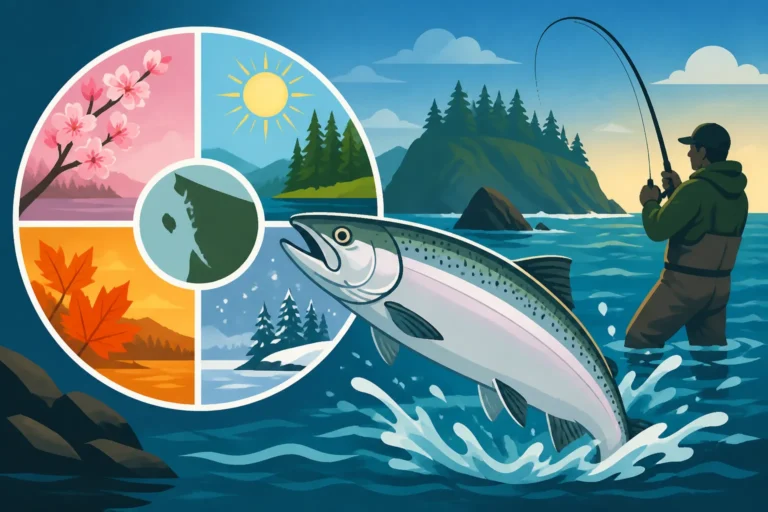
Kokanee fishing on Lake Sammamish really starts to heat up in late spring and early summer, typically from April through July. This is when the fish are actively feeding in the upper water column before retreating to deeper, cooler sanctuaries as the summer progresses and surface temperatures rise. In spring, you might find them shallower, maybe 20-40 feet down, but as summer deepens, they'll often hold at 40-70 feet, sometimes even deeper. The key is to match their depth, which can change daily with light conditions and thermocline shifts. Early mornings and late evenings are almost always the most productive times, as the reduced light encourages them to feed more actively. As we move into late summer and fall, the kokanee begin their spawning migration into the feeder creeks, primarily Issaquah Creek, and their biting can become less predictable as their focus shifts from feeding to reproduction. Understanding these seasonal movements is paramount to consistent success. Anglers often refer to "Kokanee: Washington's Landlocked Sockeye" to deepen their understanding of this unique species.
Key Gear and Setups for Success
For kokanee on Lake Sammamish, precision is everything. Most successful anglers employ downriggers to present their lures at exact depths where schools of fish are holding. Your setup will typically involve a light-action kokanee rod, around 7 to 8 feet long, paired with a small trolling reel spooled with 10-15 lb test monofilament or fluorocarbon. The terminal tackle is where the magic happens: a small dodger or flasher (like a "Kokanee Kicker" or a "Mini Mack") attached to your main line, followed by an 8-12 inch leader of lighter fluorocarbon (6-8 lb test) terminating in a small, colorful lure. Popular kokanee lures include small Wedding Ring spinners, Hoochie skirts, or tiny spoons, often tipped with a piece of scented corn. The corn, infused with scents like Anise or Krill, is believed to mimic zooplankton and entice hesitant biters. Your Best Wedding Ring Color for Washington Kokanee can make a huge difference depending on water clarity and light conditions. Speed is also critical; a slow troll, usually between 1.0 and 1.8 mph, is often the most effective. Experimenting with both speed and depth is key, as conditions on the lake can change quickly.
Prime Kokanee Hotspots
Finding kokanee on Lake Sammamish often boils down to locating baitfish schools and understanding the lake's contours. Some of the most consistent hotspots are typically found in the deeper, central basin of the lake, particularly off the various points and drop-offs. The areas near the south end, close to Lake Sammamish State Park, often hold fish, as do the depths off Inglewood Hill on the east side and points north towards Redmond. A good fish finder is an indispensable tool for kokanee fishing, allowing you to mark schools of fish and bait, as well as monitor your depth and the thermocline. Pay attention to suspended arches on your sonar; these are often kokanee. Without a quality fish finder, you’re essentially fishing blind. Understanding "Can a Fish Finder Help You Locate Kokanee?" is a game-changer for new anglers. Once you mark fish, adjust your downriggers immediately to put your lures right in their strike zone. Remember, kokanee often school tightly, so once you find one, there are usually more in the vicinity.
The Thrill of the Fight: Pursuing Largemouth and Smallmouth Bass
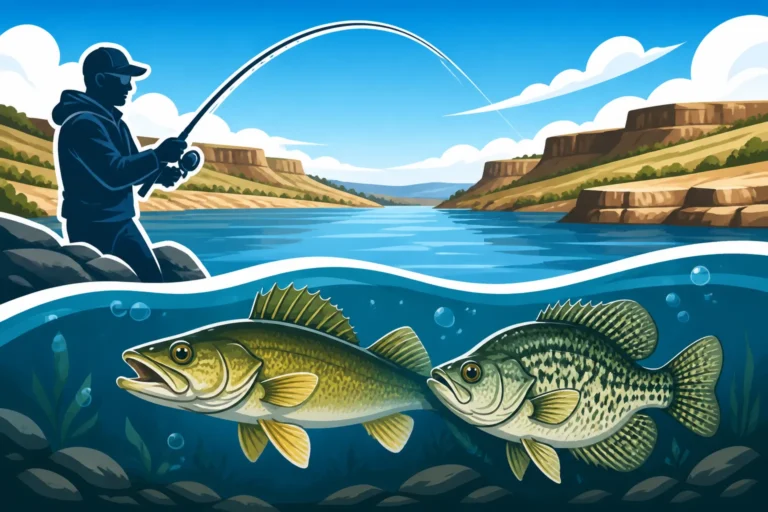
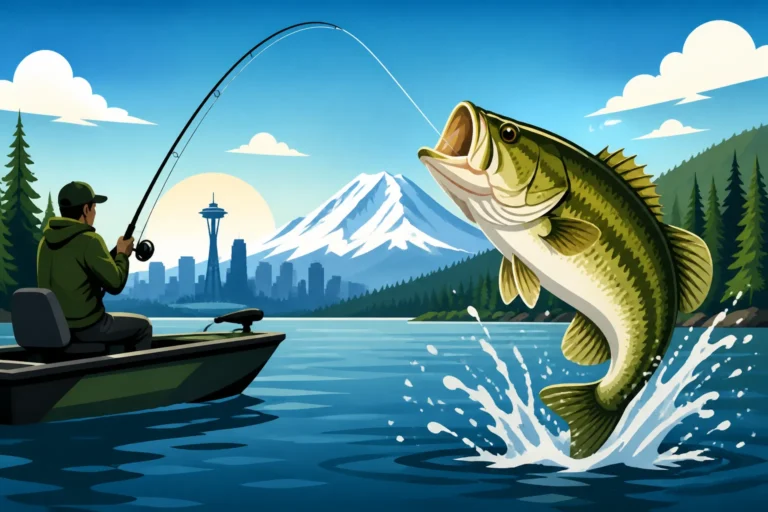
While kokanee capture the deep-water angler’s heart, Lake Sammamish is also a fantastic bass fishery, offering exciting opportunities for both largemouth and smallmouth. These aggressive predators provide a completely different kind of challenge, favoring different habitats and requiring distinct approaches. The thrill of a hard strike and a powerful fight against a chunky bass is something every angler should experience on this lake.
Seasonal Bass Patterns and Locales
Bass fishing on Lake Sammamish generally heats up in spring as water temperatures rise, peaks during the summer months, and remains strong into the early fall. In spring, as the water warms into the 50s and low 60s Fahrenheit, both largemouth and smallmouth move into shallower areas to spawn. You'll find largemouth seeking out protected, weedy bays and coves, often around docks and fallen timber, especially on the warmer, sunnier north and east sides of the lake. Smallmouth bass, true to their nature, prefer rocky points, gravel beds, and ledges, often just outside of the main lake basin. As summer progresses and water temperatures climb into the 70s, bass move deeper during the day but remain accessible around structure and weed lines in 5-20 feet of water, especially during low light conditions. "Largemouth Bass in Western Washington Lakes" often discusses these patterns in detail. Identifying these seasonal shifts is crucial for putting your bait in front of active fish.
Effective Bass Lures and Presentations
The variety of lures and presentations for bass on Lake Sammamish is vast, catering to different conditions and fish moods. For largemouth, target dense cover with weedless setups like Texas-rigged or Carolina-rigged soft plastic worms, creature baits, and jigs. Topwater lures like poppers, frogs, and buzzbaits can be absolutely explosive during early morning and late evening over weed beds or around docks. Crankbaits and spinnerbaits are excellent for covering water and triggering reaction strikes, especially around submerged logs and weed edges. For smallmouth, focus on rocky structure. Drop-shot rigs with small worms or tubes are deadly, allowing you to present bait precisely on ledges and humps. Jerkbaits, swimbaits, and small crankbaits are also highly effective for smallmouth, particularly when fished parallel to rocky shorelines or over gravel flats. Pay attention to color: natural tones like green pumpkin or brown often work well, but don't shy away from brighter colors on cloudy days or in stained water. Knowing the "Best Lures for Washington Smallmouth Bass" will give you a significant advantage.
Shoreline vs. Boat Fishing for Bass
While boat fishing certainly opens up the entire lake, offering access to prime offshore structure and deeper weed lines, Lake Sammamish does provide some decent shoreline bass fishing opportunities, particularly for largemouth. Areas within Lake Sammamish State Park, especially along the southern shoreline and around the various inlets and bays, can hold bass. Anglers can target the edges of weed beds, lily pads, and submerged timber visible from shore. Using jigs, Texas-rigged plastics, or even small topwater lures can be effective. However, to truly tap into the lake's bass potential, especially for smallmouth that often hold on deeper rocky structure, a boat or kayak is highly recommended. A boat allows you to reach those isolated points, offshore humps, and extensive weed flats that are inaccessible from shore. If you're considering a guided trip, companies featured on platforms like FishingBooker can help you find a local expert who knows the nuances of both boat and shore-based bass fishing on Sammamish.
Beyond the Rod: Essential Knowledge for Fishing Lake Sammamish
Beyond the techniques and gear, being a responsible and successful angler on Lake Sammamish means understanding the broader context of fishing in Washington State. This includes knowing the rules, practicing good conservation, and making smart choices that ensure the fishery thrives for years to come.
Understanding Washington's Fishing Regulations
Before you even think about dropping a line in Lake Sammamish, you absolutely need to be familiar with Washington's fishing regulations. This isn't just a suggestion; it's a legal requirement. First and foremost, you'll need a valid Washington State fishing license. Whether it's a freshwater, saltwater, or combination license, ensure it covers the species you intend to target. You can find detailed information on getting your license by looking up Washington Fishing License Guide for Nonresidents or Washington Freshwater License Cost. Lake Sammamish falls under statewide freshwater rules for many species, but it also has specific regulations that can change. Always consult the current Washington Department of Fish and Wildlife (WDFW) Sport Fishing Regulations pamphlet, either online or in print. Pay close attention to daily bag limits, possession limits, size restrictions for kokanee and bass, and any gear restrictions. For example, knowing "How Many Rods You Can Fish at Once in Washington" is important, as it might vary by location or target species. These rules are in place for a reason – to manage fish populations and ensure sustainable fishing for everyone.
Conservation and Responsible Angling Practices
As stewards of our natural resources, anglers have a crucial role to play in conservation. This means adhering to ethical fishing practices on Lake Sammamish. If you're practicing catch and release, especially for bass, handle fish minimally and with wet hands to protect their slime coat. Use appropriate gear that minimizes harm, such as single, barbless hooks when permitted, or promptly releasing fish caught on treble hooks. Be especially careful with spawning bass in the spring; disturbing their nests can significantly impact future populations. For kokanee, which are more fragile, if you plan to release them, do so quickly and carefully, ideally without removing them from the water. Always dispose of fishing line, bait containers, and other trash properly. Littering not only degrades the environment but also harms wildlife. Remember, the health of Lake Sammamish's fishery depends on all of us doing our part. Understanding Washington Fishing Regulations Every Angler Should Know goes hand-in-hand with conservation, helping you make informed, responsible decisions on the water.
Planning Your Perfect Lake Sammamish Fishing Adventure
A successful fishing trip is often made long before you even cast a line. Careful planning, from checking weather to considering professional help, can significantly enhance your experience on Lake Sammamish and increase your chances of a memorable day.
Choosing the Right Time and Conditions
Timing is everything in fishing, and Lake Sammamish is no exception. For kokanee, ideal conditions often involve calm mornings with stable weather patterns, allowing for precise trolling presentations. Overcast days can sometimes extend the active feeding windows for kokanee, as bright sunlight tends to push them deeper. For bass, slightly warmer, stable weather is generally preferred, especially in spring and fall. Wind can be a double-edged sword: a light chop can break up the water's surface, making bass less wary, but strong winds can make boat control difficult and create unsafe conditions. Always check the local weather forecast, including wind speeds and direction, before heading out. Water temperature is another critical factor, particularly for bass. Online resources or even some fish finders can give you real-time temperature readings, which can inform your strategy. Don't forget to consult the Washington Sport Fishing Seasons and Emergency Closures before planning your trip, as specific seasons and closures can impact your target species.
Considering a Guided Trip or Local Expertise
If you're new to Lake Sammamish, or perhaps new to a specific technique like kokanee trolling, investing in a guided trip can be an invaluable learning experience. A professional guide knows the lake intimately, understands seasonal patterns, and can put you on fish quickly. They'll also provide all the necessary gear, eliminating the need for you to invest heavily upfront. This can be especially helpful for nailing down those tricky kokanee depths or finding productive bass structure. You can often find reputable guides through local tackle shops or by searching online platforms like FishingBooker, which lists numerous local captains specializing in Lake Sammamish. A good guide will not only help you catch fish but will also teach you the nuances of the lake, speeding up your learning curve significantly. They can also clarify complex regulations like "Possession Limits vs Daily Limits in Washington," ensuring you stay compliant. Even for experienced anglers, a guide can reveal new techniques or spots.
Safety on the Water
Lake Sammamish, like any large body of water, demands respect and adherence to safety protocols. Always wear a life jacket, especially if you're in a smaller boat, kayak, or paddleboard. Even strong swimmers can be quickly overcome by cold water or unexpected falls. Inform someone of your float plan – where you're going and when you expect to return. Carry all required safety gear, including a whistle, throwable floatation device, and fire extinguisher if applicable. Be mindful of changing weather conditions; squalls can blow up quickly, making the lake choppy and dangerous. If you're operating a boat, ensure you have the necessary boating education and certification. It's also wise to carry a fully charged cell phone in a waterproof case, along with a first-aid kit. Remember, a fun day on the water is a safe day on the water.
Disclaimer
Fishing regulations and seasons in Washington can change frequently due to biological data and management decisions. Always consult the latest official Washington Department of Fish and Wildlife (WDFW) regulations pamphlet or their website before planning any fishing trip to ensure compliance with all current rules. This guide provides general information and should not be considered a substitute for official WDFW publications.