Best Washington River for a First-Timer
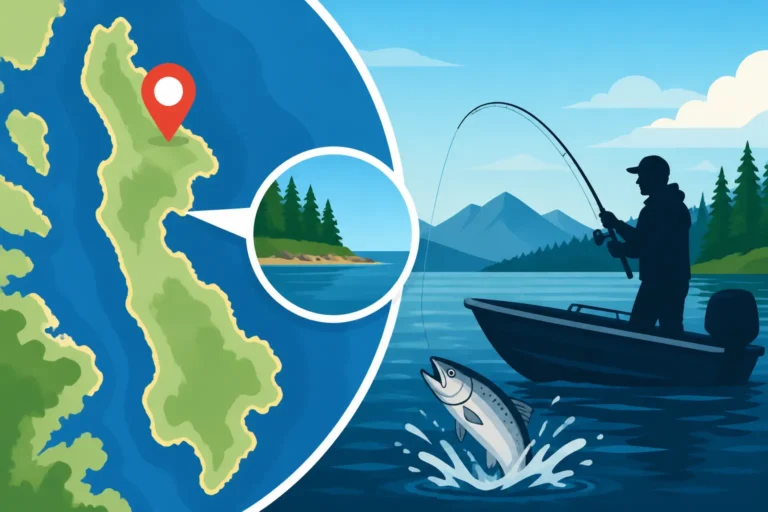
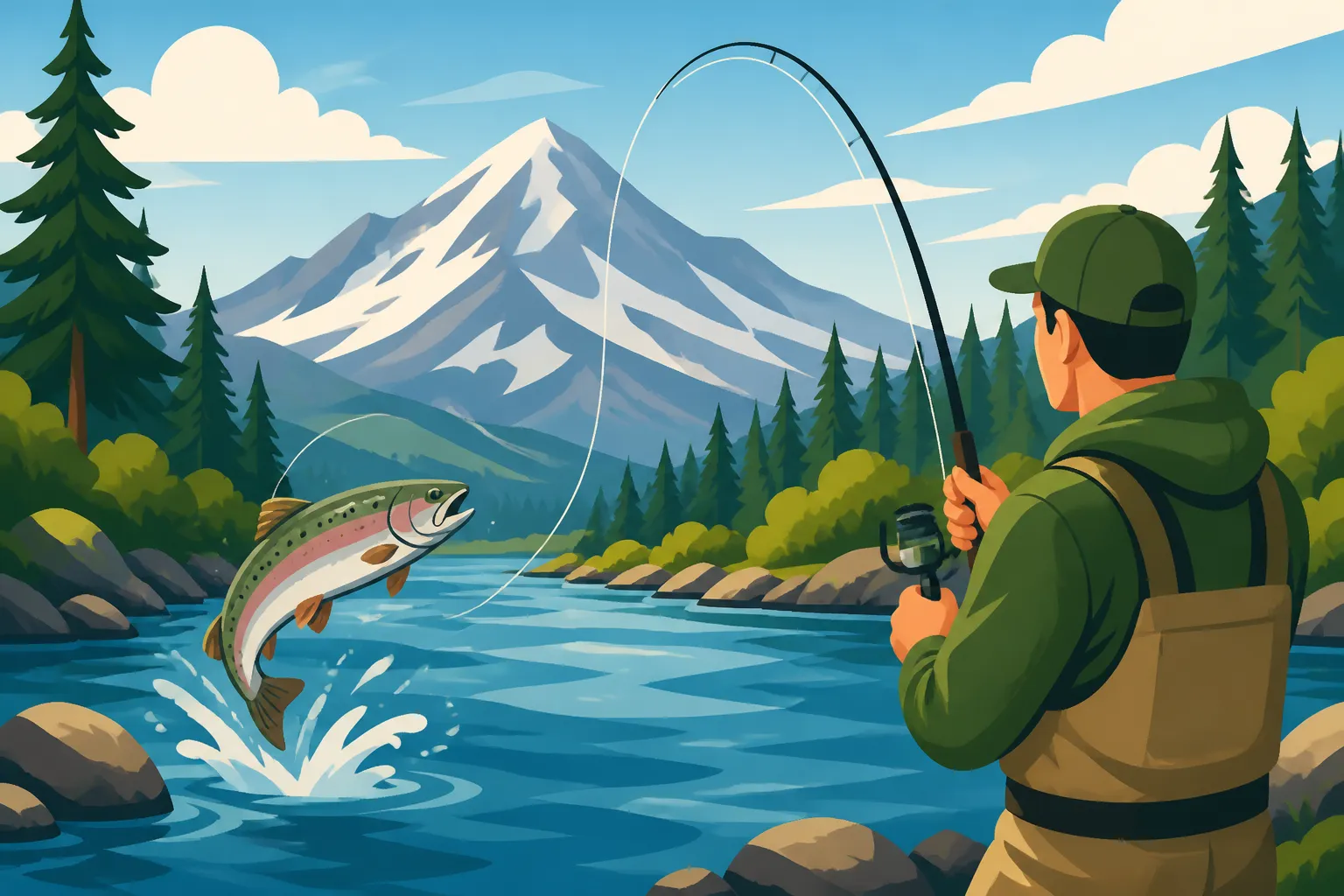
Feeling overwhelmed by Washington's vast fishing opportunities? Choosing your first river to fish in the Evergreen State can feel like navigating a maze, especially with so many incredible salmon, steelhead, and trout fisheries available. This guide is here to cut through the confusion and point you toward the absolute best river for a first-timer, focusing on places where success is more likely and the learning curve is gentler.
Why Finding the Right First River Matters for Anglers
Let's be honest, starting a new hobby can be intimidating, and fishing in Washington is no exception. You see experienced anglers with their specialized gear, navigating complex regulations, and pulling in impressive catches, and it's easy to feel like you're way out of your depth. The sheer number of rivers, species, and techniques can turn what should be a relaxing outing into a source of anxiety. But a positive first experience is crucial; it’s what hooks you (pun intended!) and keeps you coming back for more.
The Overwhelm of Options
Washington boasts an incredible diversity of fisheries, from the mighty Columbia River to countless smaller coastal streams and inland tributaries. Each one seems to have its own unique characteristics, target species, and, often, a dizzying array of specific rules about gear, bait, and seasons. Trying to decipher the Washington Sport Fishing Regulations Pamphlet can feel like studying for a final exam. For a beginner, simply picking a spot can be the hardest part, leading to analysis paralysis or, worse, a trip to a river that's too challenging, too crowded, or simply not holding many fish. You don't want your inaugural fishing adventure to be a frustrating blank slate.
Building Confidence and Skill
A successful first trip, even if it's just catching a small trout, can build immense confidence. It validates your effort and shows you that you can do this. A beginner-friendly river provides a forgiving environment to learn the basics – how to cast without snagging every tree, how to tie a simple knot that holds, and how to read the water just a little bit. It's about getting comfortable with the process, understanding the rhythm of the river, and feeling that exciting tug on your line. Without that initial boost, it’s easy to get discouraged and put the rod away for good.
Key Qualities of a Beginner-Friendly River
So, what makes a river ideal for someone just starting out? It's not just about the number of fish, though that certainly helps! It's about a combination of factors that reduce barriers to entry and enhance the learning experience.
Easy Access and Navigability
Imagine lugging all your gear through dense brush, scaling steep riverbanks, or navigating tricky currents just to find a spot to cast. That's a recipe for a bad time for a beginner. A truly friendly river offers readily available public access, often near parking lots or well-maintained pathways. Think about locations where you can walk right up to the water's edge on a relatively flat, open bank. Rivers with accessible boat launches are also a bonus if you're trying out a drift boat with an experienced friend or a guide, but for solo bank fishing, clear shorelines are paramount. The less effort required to simply get to the water, the more energy you'll have for fishing.
Consistent Fish Returns
Nothing is more disheartening than spending hours on the water without a single bite. For a first-timer, a higher likelihood of encountering fish is a huge motivator. This means looking for rivers with robust, consistent fish populations, often supported by hatchery programs. When you have a reliable return of species like hatchery steelhead or salmon, or a lake stocked with abundant trout, your chances of success skyrocket. These are the places where you can almost count on getting some action, even if it's just a smaller fish. It's about increasing the odds in your favor, especially while you're still mastering the fundamentals of casting and presentation. Knowing the Washington Sport Fishing Seasons and Emergency Closures can also help you target times of peak returns, further boosting your chances.
Manageable Current and Structure
Fast, turbulent currents and complex underwater structures like deep snags and massive boulders can be a nightmare for a new angler. Your line gets dragged downstream, your bait gets lost, and snagging your hook becomes a constant struggle. A beginner-friendly river typically has gentler flows and clearer stretches of water. This allows you to practice casting and retrieving without immediately losing your gear. It also makes it easier to understand how fish might hold in the water without having to decipher intricate currents or navigate treacherous wading conditions. You want a river that lets you focus on your technique, not on battling the elements.
Clear Regulations and Fewer Restrictions
Washington's fishing regulations can be incredibly nuanced, with different rules for different river sections, species, and even times of day. Some rivers have complex slot limits, bait bans, or specific gear restrictions that can be confusing even for seasoned pros. For a first-timer, it's best to start somewhere with straightforward rules. Look for general regulations that allow common baits and gear (like a simple spin rod and some PowerBait or worms) without requiring barbless hooks, specific leader lengths, or immediate catch-and-release protocols for certain species. While it's always essential to consult the latest WDFW regulations for any river, a simpler rule set means less chance of accidentally violating a rule and more time focused on fishing.
Our Top Recommendation: The Cowlitz River for Beginners
If you're asking me for the absolute best river in Washington for a first-timer, without a shadow of a doubt, I'm going to steer you towards the Cowlitz River. This river, flowing through southwestern Washington and easily accessible from I-5, is practically tailor-made for new anglers looking to catch salmon or steelhead.
Accessibility and Infrastructure
One of the biggest advantages of the Cowlitz is its sheer accessibility. It's a large, relatively slow-moving river with numerous well-maintained public access points, making it a dream for bank anglers. Areas like the Barrier Dam Campground or Blue Creek offer extensive bank access where you can spread out without feeling crowded, even during peak seasons. You don't need a drift boat or a complex hike to get to productive water. Many spots are just a short walk from parking, and the banks are generally clear of dense vegetation, making casting much easier. This ease of access significantly reduces the intimidation factor for anyone trying to figure out where to start. When you are ready to learn about Fishing the Cowlitz River for Steelhead and Salmon in Washington, you'll find plenty of resources due to its popularity.
Abundant Hatchery Fish
The Cowlitz River is home to one of Washington's most prolific hatchery programs, meaning a consistent and robust return of fish throughout the year. We're talking about spring Chinook, summer and winter steelhead, and a strong coho salmon run. This consistent stocking ensures that there are usually plenty of fish to be caught, dramatically increasing a beginner's chances of success. You're not relying on tiny wild populations; you're fishing in a system designed to provide opportunities. When you're just learning to fish, getting a bite (or even seeing other people get bites) is incredibly encouraging. This abundance also means you have a better chance of understanding Washington's Daily Bag Limits by Species, as you'll actually have fish to count!
Variety of Techniques and Gear
The Cowlitz is incredibly forgiving when it comes to fishing techniques. While experienced anglers might use advanced drift fishing setups, a beginner can find success with simpler methods. Bank fishing techniques for Washington salmon like plunking (where you cast a heavy weight and bait out and let it sit) or a basic bobber and jig setup are highly effective and easy to learn. You don't need expensive, specialized gear; a standard spinning rod and reel, some basic terminal tackle, and common baits like cured coho eggs, sand shrimp, or even a brightly colored spinner will often do the trick. This versatility allows you to experiment and find what feels comfortable without a huge investment in equipment.
Learning Environment
Because of its popularity and consistent fish runs, the Cowlitz attracts a lot of anglers – from seasoned veterans to other beginners. While some might find crowds daunting, I see it as a fantastic learning environment. You'll often find people willing to offer advice, share tips, or even just demonstrate a technique. If you're looking for a more hands-on learning experience, the Cowlitz is also a prime location for guides. Companies like those found on FishingBooker frequently run trips here, offering beginners a chance to learn from a pro. Booking a Columbia River Guided Salmon and Steelhead Trip in Washington is a great way to jumpstart your skills. Plus, watching others successfully catch fish provides valuable insights into what's working and where fish might be holding.
Other Great Options for New Anglers
While the Cowlitz is my top pick, Washington has other fantastic spots that offer a gentler introduction to river fishing, each with its own charm.
The Lower Yakima River for Trout
If your interest leans more towards trout and perhaps even the art of fly fishing, certain sections of the Lower Yakima River are incredibly beginner-friendly. While renowned for its incredible wild trout populations and often featured in discussions about Fishing the Yakima River Fly Fishing for Wild Trout in Washington, specific areas offer easy access and less demanding conditions suitable for learning. The stretches near towns like Ellensburg or Cle Elum often have good public access points and a more forgiving current than some of the more technical upper river sections.
Here, you can practice basic casting with a spin rod and lures or even try your hand at fly fishing for the first time. The trout population is healthy, offering consistent action, which is perfect for building confidence. While you'll still need to understand local regulations, the general approach to trout fishing tends to be simpler than targeting anadromous salmon or steelhead. It’s a beautiful, scenic river, providing a peaceful backdrop for learning the ropes.
Select Areas of the Wenatchee River
For those who dream of catching a spring Chinook salmon, certain accessible spots on the Wenatchee River can be surprisingly beginner-friendly, especially during the peak of the run. This river, known for its strong Chinook returns, offers a thrilling experience when the fish are in. While the river can have strong currents, specific slower-moving pockets and accessible bank areas, particularly below Tumwater Canyon, offer opportunities for new anglers.
The key here is timing and preparation. Knowing When Chinook Salmon Run in Washington's Puget Sound (and its tributaries like the Wenatchee) is crucial. While you might want to consider going with someone more experienced, or even booking a guide through a service like FishingBooker, the sheer excitement of landing a powerful Chinook can be an unforgettable first experience. The methods often involve casting heavy gear, which, while demanding, is relatively straightforward to learn. Always check current regulations, as this river can have specific rules regarding gear and bait.
Local Lakes and Stocked Ponds as a Stepping Stone
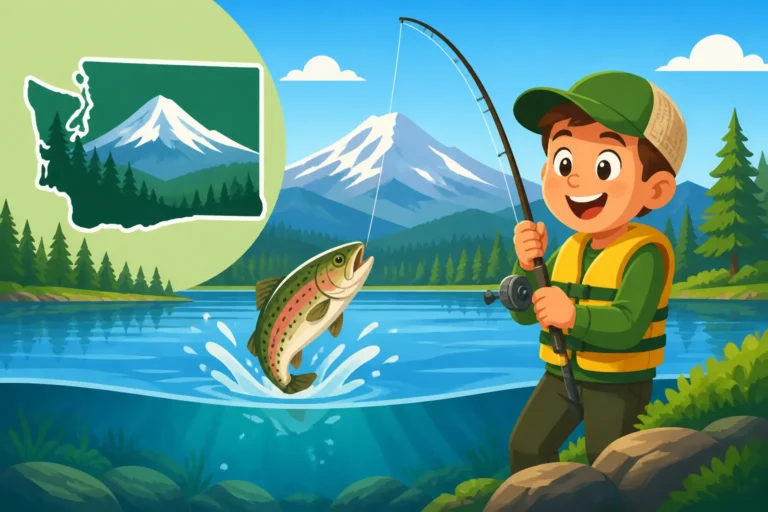
Okay, I know the prompt asked for a river, but it's essential to mention that for absolute, never-held-a-rod-before beginners, especially kids, local lakes and stocked ponds are truly unbeatable. Places like Green Lake in Seattle or countless small lakes in urban and suburban areas are regularly stocked with rainbow trout by the WDFW. They offer:
- Ultimate Accessibility: Often paved paths, docks, and easy access right off the parking lot.
- Guaranteed Success: High stocking rates mean you're almost guaranteed to catch something.
- Simple Techniques: A worm under a bobber or a small spinner is usually all you need.
- No Current: Zero worries about current or snags, allowing focus purely on casting and reeling.
These spots are fantastic for getting comfortable with the gear, feeling the tug of a fish, and understanding the basics of handling a catch before moving on to the complexities of river fishing. Consider it your fishing "training wheels" before hitting the flowing waters. Remember, you'll still need to pick up a Washington Fishing License Guide for Nonresidents (if applicable) or a resident license, and understand The Washington Catch Record Card and What It Requires if you plan to keep certain species. You can find out Where and How to Buy a Washington Fishing License quite easily online or at local tackle shops.
Comparing Beginner-Friendly Fishing Spots
Here's a quick comparison to help you choose your ideal first fishing adventure in Washington:
| Feature | Cowlitz River (Primary Rec) | Lower Yakima River (Trout/Fly) | Wenatchee River (Spring Chinook) | Local Stocked Lakes (Stepping Stone) |
|---|---|---|---|---|
| Ease of Access | Excellent (bank access, boat launches, near I-5) | Good (public access points, some wading) | Moderate (specific bank spots, stronger current) | Excellent (docks, easy shore access) |
| Primary Species | Steelhead, Chinook, Coho (hatchery) | Rainbow Trout (wild & stocked) | Spring Chinook (hatchery) | Rainbow Trout (stocked) |
| Recommended Technique | Bank fishing (plunking, bobber & jig), drift fishing | Spin fishing (lures), fly fishing (nymphing) | Heavy gear casting, plunking | Bobber & worm, small spinners |
| Best Season for Beginners | Year-round (different runs), Winter Steelhead, Spring Chinook | Spring, Summer, Fall | Late Spring, Early Summer (Chinook run) | Spring, Summer, Fall |
| Required License | Freshwater or Combination | Freshwater or Combination | Freshwater or Combination | Freshwater or Combination |
| Typical Gear | Medium-heavy spinning rod, 15-25lb line | Light spinning/fly rod, 4-8lb line | Heavy casting rod, 25-40lb line | Ultralight spinning rod, 4-6lb line |
No matter where you choose to start, the most important thing is to enjoy the process. Washington offers some of the most spectacular fishing experiences in the world, and starting on a forgiving river like the Cowlitz can set you up for a lifetime of angling adventures. Remember to check the regulations right before you head out, as rules for Washington Fishing Regulations Every Angler Should Know can change, even mid-season. Good luck, and tight lines!
Disclaimer
Fishing conditions and regulations in Washington State can change frequently and without notice. It is the angler's responsibility to consult the latest Washington Department of Fish and Wildlife (WDFW) regulations, emergency rules, and advisories before heading out on any fishing trip. This guide provides general information and recommendations but should not be considered a substitute for official WDFW publications. Always prioritize safety and practice responsible angling.