Sekiu and Neah Bay, Washington for Salmon and Halibut
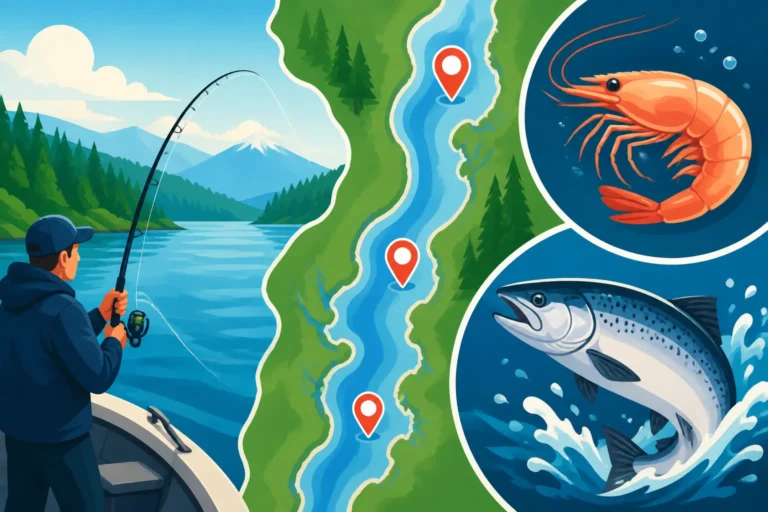
For many anglers, the lure of Washington's wild Olympic Peninsula coastline, particularly the remote stretches of Sekiu and Neah Bay, represents the pinnacle of Pacific Northwest fishing. However, getting out there and actually connecting with those elusive salmon and giant halibut can feel like navigating a maze of unfamiliar waters, ever-changing regulations, and the sheer challenge of weather. This comprehensive guide is designed to cut through that complexity, offering practical advice and deep insights to help you plan and execute a successful and memorable fishing adventure in these legendary Washington waters.
Welcome to Washington's Northwest Frontier: Sekiu and Neah Bay
Venturing to Sekiu and Neah Bay is more than just a fishing trip; it's an immersive experience into the wild, rugged beauty of Washington's Olympic Peninsula. These two distinct but closely related destinations offer some of the state's most sought-after salmon and halibut fisheries, attracting anglers from across the globe. However, their remote location and unique governing rules mean a bit more planning is required than your average lake outing.
The Unique Appeal of the Olympic Peninsula Coast
Sekiu, nestled on the northern shore of the Olympic Peninsula, sits right on the Strait of Juan de Fuca, offering relatively sheltered fishing opportunities within the strait itself. It's often seen as a slightly more accessible entry point for those looking to fish this region, with a relaxed, small-town vibe. The fishing here is primarily focused on salmon, with good opportunities for bottomfish, and even some crabbing within the protected waters. It's less exposed to the true ocean swells, making it a favorite for many seeking a more comfortable experience.
Neah Bay, on the other hand, is located just a bit further west, right at the mouth of the Strait of Juan de Fuca and the Pacific Ocean, within the boundaries of the Makah Indian Reservation. This proximity to the open ocean gives Neah Bay unparalleled access to prime offshore fishing grounds, particularly for halibut and robust ocean-run salmon. While it offers incredible fishing, it also demands greater respect for the elements and adherence to Makah tribal regulations, which are separate from and in addition to WDFW rules in certain areas. The journey to Neah Bay itself, driving through stunning but often winding roads, sets the tone for a truly wild adventure. Knowing the Distance From Port Angeles to Neah Bay can help you plan your travel time effectively.
Understanding the Marine Areas and Their Rules
Fishing in Sekiu and Neah Bay involves understanding specific Marine Areas, as defined by the Washington Department of Fish and Wildlife (WDFW), and in Neah Bay's case, also the Makah Nation. Sekiu falls predominantly into Marine Area 5 (Sekiu and Pillar Point) and Marine Area 6 (East Strait of Juan de Fuca), while Neah Bay offers direct access to Marine Area 4 (Neah Bay) and is the launching point for offshore adventures into the Pacific.
Each of these marine areas has its own set of regulations regarding seasons, daily limits, gear restrictions, and even specific times of day or days of the week when fishing is permitted for certain species. These rules can be incredibly complex and are subject to frequent emergency changes, especially for salmon and halibut, due to fishery managers reacting to actual fish returns. It’s absolutely critical to consult the latest WDFW regulations pamphlet and any emergency rule updates right before your trip, and even daily while you're there. Many anglers find the complexities of Washington Fishing Regulations Every Angler Should Know daunting, but adherence is paramount. For instance, in areas adjacent to the Makah Reservation, special tribal regulations may apply, and often a Makah Recreation Permit is required to fish, launch a boat, or even park in certain areas within the reservation, which must be purchased separately from your state license.
Chasing Salmon: The Heartbeat of Sekiu and Neah Bay Fishing
Salmon fishing is undoubtedly the main draw for many anglers heading to Sekiu and Neah Bay. These areas are renowned for their robust runs of Chinook (King) and Coho (Silver) salmon, offering exciting opportunities throughout the summer and early fall. The sheer size and fighting power of these fish make for an unforgettable experience, but success hinges on understanding their patterns and preferences.
Targeting Chinook King Salmon
Chinook salmon, often called Kings, are the largest and most prized of the Pacific salmon species, and these waters see some impressive specimens. In Sekiu, Marine Area 5 and 6 can offer good opportunities for "blackmouth" Chinook during the winter months, which are resident salmon that stay in Puget Sound and the Strait. However, the prime time for larger, ocean-migrating Chinook is typically late spring through summer, as they stage in the Strait before heading to their natal rivers.
When targeting these powerful fish, trolling is a highly effective method. Anglers often use downriggers to get their gear to the precise depths where Chinook are feeding, which can vary significantly depending on baitfish presence, water temperature, and time of day. Popular presentations include cut-plug herring, baitfish imitations like spoons (e.g., Silver Horde, Coyote), and large hootchies or squid skirts behind flashers. The deep, rich waters of the Strait provide ample holding areas, but locating bait balls on your sonar is often the key to finding concentrated salmon. For those looking for the ultimate experience, knowing the Best Time of Year to Fish Sekiu for Kings can drastically improve your chances.
The Thrill of Coho Silver Salmon Fishing
While Chinook offer brute strength, Coho salmon provide an acrobatic, fast-paced fight that many anglers adore. These smaller, but incredibly feisty, salmon typically arrive in large numbers from late summer into early fall, making for some incredibly action-packed days. Coho are often more aggressive and willing to chase down lures, making them a fantastic target for both seasoned anglers and those newer to salmon fishing.
Similar to Chinook, trolling is a common and productive method for Coho. They tend to feed higher in the water column than Chinook, often ranging from the surface down to 100 feet. Spoons, hoochies, and flies in brighter colors like green, blue, and chartreuse are highly effective. Many anglers also find success mooching for Coho, a technique where you drift with baited hooks (typically herring) at various depths, letting the natural currents and boat movement impart action. This can be especially effective when fish are concentrated or when they're a bit more finicky about aggressively chasing trolled gear. The sheer abundance of Coho during their peak runs means that even on a tough day for Kings, you can often fill your cooler with these energetic silvers.
Halibut Hunting: A Deepwater Adventure
For many, a trip to Neah Bay specifically revolves around the pursuit of Pacific Halibut. These massive, flatfish are true giants of the deep, offering incredible table fare and an unforgettable battle. However, halibut fishing in Washington is highly regulated and often comes with very short, specific seasons, making successful planning and execution all the more crucial.
Navigating Halibut Season and Limits
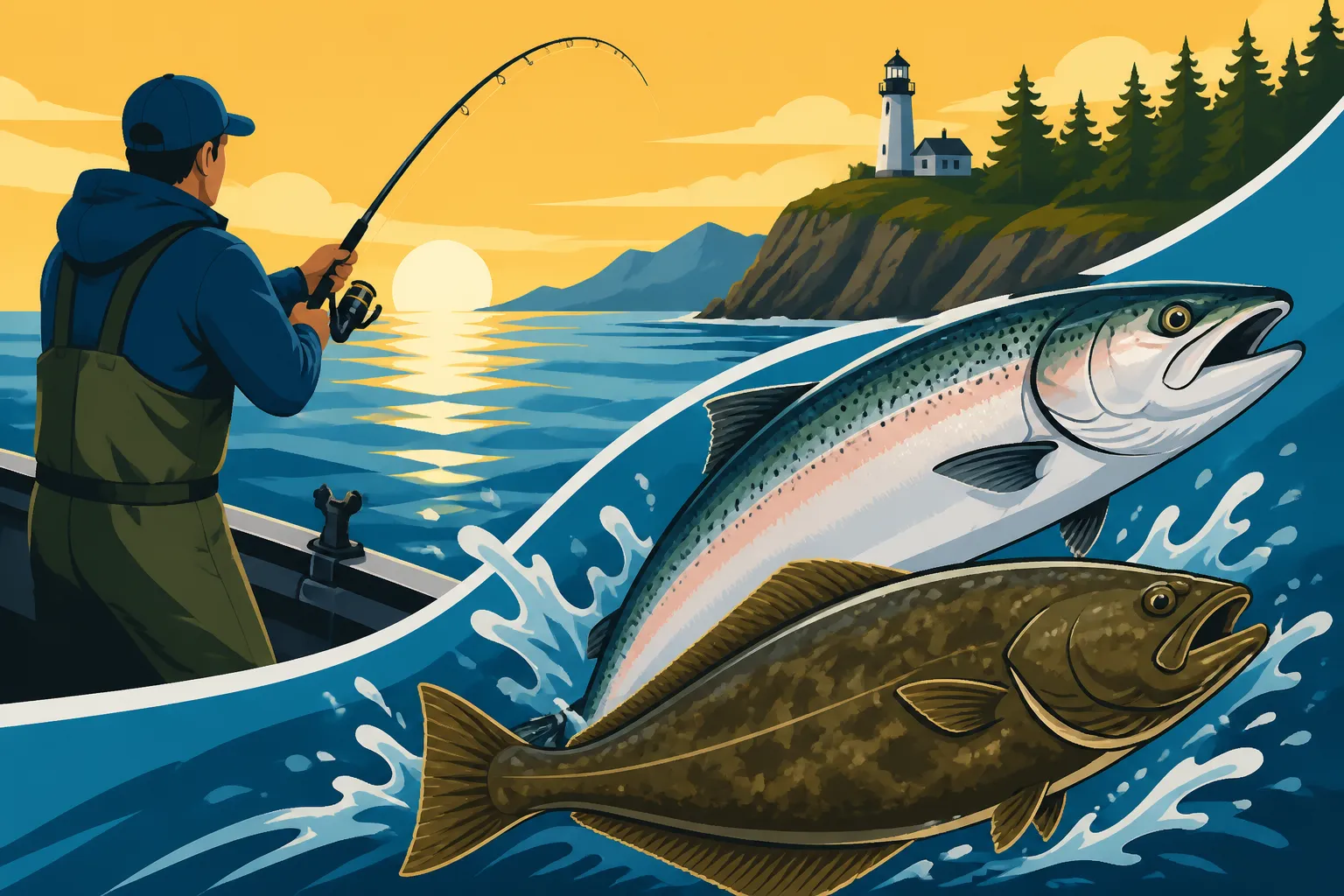
The halibut season in Washington, particularly in the open ocean waters accessible from Neah Bay (Marine Area 4 and beyond), is notoriously short and unpredictable. WDFW sets seasons based on catch quotas, which means fishing days are often limited to specific Thursdays, Fridays, and Saturdays in May and June, and sometimes into July, until the quota is met. These windows can be as short as a few days or weeks in total for the entire year, and they can close without much notice once the quota is approached. This requires anglers to be incredibly flexible and often book charters well in advance. Keep a close eye on the official WDFW announcements for precise season dates and any emergency closures.
When you do get out, the daily bag limit is typically one halibut per person, with specific size restrictions that may vary by year. Possession limits also apply, meaning you can't have more than a certain number of halibut in your possession at any given time, regardless of when they were caught. Given the limited season, many anglers consider this a trophy fishery, savoring every moment and every ounce of meat.
Essential Gear and Techniques for Halibut
Halibut are big, powerful fish that live in deep water, often from 100 to 600 feet or more. This means you need heavy-duty gear capable of handling large sinkers, strong currents, and a potential fish weighing well over 100 pounds. A robust boat rod paired with a large conventional reel spooled with 80-150 pound braided line is standard. The braid is essential for feeling bites in deep water and minimizing stretch.
When it comes to bait, fresh bait is king. Large chunks of octopus, salmon heads, herring, or even whole mackerel are excellent choices. These are typically fished on heavy-duty circle hooks (16/0 to 20/0) on a "spreader bar" rig, often weighted with 1-3 pounds of lead to get to the bottom and stay there. Many anglers also incorporate large plastic grubs or scented artificial baits in conjunction with natural bait. The technique is often to anchor over a promising piece of structure, like a rock pile or a drop-off, and let your bait sit on or near the bottom. Bites can range from a subtle tap to a rod-doubling strike. For a more detailed look, checking out Halibut Fishing Techniques for the Washington Coast will provide valuable insights.
Beyond Salmon and Halibut: Other Species to Target
While salmon and halibut often steal the spotlight in Sekiu and Neah Bay, these rich marine environments offer a plethora of other exciting fishing opportunities. Diversifying your targets can add variety to your trip and increase your chances of bringing home a full cooler, especially when primary fisheries are slow or closed.
Bottom Fishing for Lingcod and Rockfish
Once you've tried your hand at salmon and halibut, or if those seasons are closed, turning your attention to bottom fishing for lingcod and various rockfish species can be incredibly rewarding. These aggressive predators inhabit rocky reefs, ledges, and kelp beds, often in depths ranging from 50 to 300 feet. Sekiu and Neah Bay offer fantastic habitat for these fish, with plenty of underwater structure.
Lingcod are voracious, toothy creatures that provide a powerful fight and yield delicious, flaky white meat. They'll readily strike large lead-head jigs tipped with plastic swimbaits, large rubber worms, or even live bait (like herring or mackerel) fished near the bottom. Rockfish, which include species like Black Rockfish, Copper Rockfish, and Yelloweye Rockfish (many of which are protected and must be released), are also common catches. They respond well to jigs, bait (squid, herring), or shrimp flies fished in groups on a "sabiki" style rig. It’s crucial to know the specific regulations for each rockfish species, as some have very strict limits or are entirely catch-and-release, often requiring the use of a descending device to release them safely. Understanding Lingcod: Washington's Toothy Bottomfish and Bottom Fishing for Lingcod and Rockfish off Washington will greatly enhance your success and ensure you're compliant with regulations.
Crabbing and Shellfishing Opportunities
For a change of pace from rod-and-reel fishing, the waters around Sekiu, especially within the more sheltered bays and inlets of the Strait, offer excellent crabbing opportunities for Dungeness crab. These delectable crustaceans are a favorite among locals and visitors alike. Crabbing typically involves setting crab pots or rings, baited with fish carcasses (like salmon heads or rockfish frames) or chicken, and soaking them for several hours or overnight.
The seasons for Dungeness crab in Marine Areas 5 and 6 usually open in the summer and continue into the fall, though specific dates can vary annually and are announced by WDFW. Remember that only male Dungeness crab of a certain size can be kept, and they must be measured carefully. Recreational shellfish licenses are required, and specific rules apply to the number of pots you can deploy and the time limits for soaking. While Neah Bay is more focused on offshore fishing, Sekiu is a fantastic spot to drop a few pots and enjoy the bounty of the sea beyond just finfish.
Planning Your Trip: Logistics and Local Insights
A successful fishing trip to Sekiu and Neah Bay relies heavily on meticulous planning. Their remote nature means you can't just show up and expect everything to fall into place. From choosing your base to deciding on a guided trip, every detail matters.
Choosing Between Sekiu and Neah Bay
Deciding between Sekiu and Neah Bay often comes down to a few key factors:
- Access & Amenities: Sekiu is generally easier to get to and offers more conventional lodging, restaurants, and boat launches. It's less of a drive once you're on the Olympic Peninsula. Neah Bay, being on the Makah Reservation, requires respecting tribal regulations, including a Makah Recreation Permit for fishing, launching, or even parking. Amenities are more limited, and the focus is heavily on fishing.
- Target Species: If halibut is your absolute priority, Neah Bay's direct access to the ocean grounds is unbeatable. For a more diverse trip with good salmon, bottomfish, and crabbing in relatively calmer waters, Sekiu might be a better fit.
- Crowds & Atmosphere: Both can get busy during peak seasons, but Neah Bay often feels more rugged and remote, while Sekiu has a more traditional fishing village charm.
Consider what kind of experience you're looking for. Many anglers will spend time in both areas over separate trips to fully appreciate what each offers.
Chartering a Boat or Going DIY
Both Sekiu and Neah Bay have reputable fishing charters available, and for many, especially those unfamiliar with the area or lacking suitable boats, a guided trip is the best option. A good guide will provide all the necessary gear, expertise in navigating the complex regulations, and local knowledge of where the fish are biting. This is particularly true for halibut fishing, which requires specialized heavy-duty equipment and a vessel capable of handling offshore conditions.
When looking for a charter, resources like FishingBooker can be incredibly helpful. You can browse various captains operating out of Sekiu and Neah Bay, read reviews, compare prices, and check availability, often filtering by target species or boat type. Be sure to ask what's included in the price, such as tackle, bait, fish cleaning, and if licenses are required beforehand. Remember that you'll still need to purchase your Washington fishing license and a Washington Fishing License Guide for Nonresidents if you're coming from out of state, and a Makah Recreation Permit if you're fishing out of Neah Bay, before your trip. For those considering a guided trip, understanding What's Included in a Washington Puget Sound Salmon Charter can help set expectations.
If you have your own boat, remember that the Strait of Juan de Fuca and the open ocean can be unpredictable. Ensure your vessel is seaworthy, equipped with reliable electronics (GPS, depth sounder, marine radio), and that you have all required safety gear. Also, be mindful of fuel capacity, as services can be spread out.
Accommodation, Amenities, and Local Resources
Accommodation options range from small motels and lodges in Sekiu to campgrounds and a few limited options in Neah Bay. During peak season, lodging can fill up fast, so booking well in advance is essential. Towns like Forks, a bit inland, offer more choices for lodging and dining if you don't mind a drive to the launch ramp each morning.
Basic amenities like fuel, tackle shops, and groceries are available in both Sekiu and Neah Bay, though Neah Bay's options are more limited. It's always a good idea to bring most of your supplies with you, especially specialized tackle or food preferences. For up-to-date information on conditions, local tackle shops and marinas are invaluable resources; they often have the latest scoop on where the fish are biting and any recent regulation changes. Many anglers find themselves heading into Port Angeles for a broader range of supplies before making the final push to these remote fishing havens.
| Destination | Primary Fishing Focus | Best for | Key Considerations |
|---|---|---|---|
| Sekiu | Salmon (Chinook, Coho), Lingcod, Rockfish, Crabbing | More sheltered fishing, family trips, varied species | Easier access, more amenities, WDFW rules apply |
| Neah Bay | Halibut, Ocean Salmon (Chinook, Coho), Tuna (further offshore) | Offshore adventures, trophy halibut, serious anglers | Requires Makah Permit, exposed to ocean, limited amenities |
Navigating Regulations and Staying Safe
Fishing in these remote and dynamic waters requires a deep understanding of regulations and a strong commitment to safety. Disregarding either can quickly turn a dream trip into a nightmare.
Key Washington Fishing Regulations You Must Know
Washington's fishing regulations, particularly for salmon and halibut, are among the most complex in the country. Before you even cast a line, you need to ensure you have the correct Washington Fishing License Guide for Nonresidents for the waters you plan to fish (freshwater, saltwater, or a combination). You'll also need to be familiar with catch limits, size restrictions, and specific gear requirements like barbless hooks, which are often mandatory for salmon and steelhead in certain areas. Understanding The Washington Catch Record Card and What It Requires is also critical, as all retained salmon and steelhead must be immediately recorded.
Here's a quick checklist of regulatory considerations:
- Licenses & Endorsements: Ensure you have the right state license. If fishing for salmon or steelhead in the Columbia River system, you might also need a Washington's Columbia River Salmon and Steelhead Endorsement, Explained, though this is less relevant for the Strait.
- Catch Record Cards: Always carry a valid Catch Record Card if targeting salmon, steelhead, or halibut. Promptly and accurately recording your catch is a legal requirement.
- Makah Permit (Neah Bay): As mentioned, if you plan to fish, launch a boat, or even access certain recreational areas within the Makah Reservation at Neah Bay, you must purchase a Makah Recreation Permit. This is separate from your state fishing license. You can usually purchase these at local businesses within Neah Bay.
- Emergency Rules: Regularly check the WDFW website for emergency rule changes. These can occur at any time and affect seasons, limits, or even closures. You can't claim ignorance; it's your responsibility to know the current rules. Always ensure you have Carrying Your Washington Fishing License: Paper, Phone or the MyWDFW App on you.
Safety First: Preparing for Offshore Conditions
The Strait of Juan de Fuca and the Pacific Ocean are beautiful but can also be unforgiving. Weather conditions can change rapidly, and rough seas are common, especially further offshore from Neah Bay. Prioritizing safety is paramount.
- Weather Monitoring: Always check marine weather forecasts before and during your trip. Pay close attention to wind, swell height, and fog predictions. If in doubt, stay in port.
- Vessel Preparedness: If you're using your own boat, ensure it's in excellent working order. Carry all required safety gear, including properly sized life jackets for everyone on board, flares, a first-aid kit, a horn, and a reliable VHF marine radio. A personal locator beacon (PLB) or satellite messenger is also highly recommended for offshore trips.
- Communication: Let someone know your float plan – where you're going, who's with you, and when you expect to return. Mobile phone service can be spotty in these remote areas, so don't rely solely on it.
- Experience Level: If you're new to offshore fishing or unfamiliar with these waters, seriously consider booking a reputable charter. Experienced captains and guides, which can easily be found on platforms like FishingBooker, know the local hazards, weather patterns, and how to safely navigate these challenging environments. What to Bring on a Washington Fishing Charter also covers essential safety items.
By respecting the power of the ocean, diligently following regulations, and planning thoroughly, your fishing adventure in Sekiu and Neah Bay can be incredibly rewarding and safe, yielding not just impressive catches but also unforgettable memories of Washington's truly wild coast.
Disclaimer
Fishing regulations and seasons in Washington are subject to change by the Washington Department of Fish and Wildlife (WDFW) and, in certain areas, tribal nations. While we strive to provide accurate and up-to-date information, it is the angler's responsibility to consult the most current official regulations and emergency rule changes before engaging in any fishing activity. This guide is for informational purposes only and should not be considered a substitute for official WDFW or tribal regulatory documents.