Best Time of Year to Fish the San Juans for Salmon
Trying to figure out the absolute best time to fish the San Juan Islands for salmon can feel like solving a complex puzzle. With multiple salmon species, shifting regulations, and the unique marine environment, it’s easy to get overwhelmed. This guide is here to break down the salmon fishing seasons in the San Juans, helping you pinpoint the prime windows to target Chinook, Coho, and other species, so you can plan your trip with confidence.
Understanding the San Juan Islands Salmon Fishery
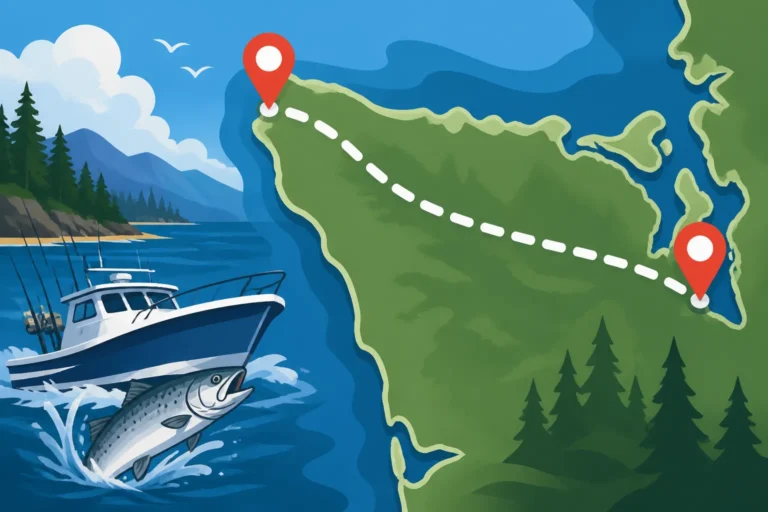
The San Juan Islands, nestled in the northern reaches of Puget Sound, offer some of Washington's most breathtaking scenery and, when conditions align, incredible salmon fishing. However, it’s not a one-size-fits-all fishery. The islands are a migratory pathway for salmon heading to various rivers, and they also hold resident populations. This means timing is everything, and understanding the nuances of each species' behavior and the ever-present regulatory landscape is crucial.
Primary Salmon Species and Their Runs
When you’re thinking about salmon fishing in the San Juans, you're primarily looking at four main species: Chinook, Coho, Pink, and Chum. Each has its own distinct life cycle and preferred timing in these waters.
- Chinook Salmon (Kings): These are the prized "King Salmon" of Washington, known for their size and powerful fights. In the San Juans, you encounter two types:
- Resident Chinook (Blackmouth): These fish spend their entire lives in Puget Sound, feeding and growing without migrating to the open ocean. They can be found year-round, though specific regulations often dictate when and where you can target them. You'll often hear about "blackmouth" fishing in the cooler months.
- Migratory Chinook: These are the larger, ocean-run fish that pass through the San Juans on their way to spawning grounds in rivers like the Fraser in British Columbia or local Washington rivers. Their presence creates significant fisheries during the summer months, offering some of the most exciting action.
- Coho Salmon (Silvers): Fast, acrobatic, and delicious, Coho salmon are a blast to catch. Like Chinook, they also have migratory patterns that bring them through the San Juans, usually peaking in late summer and early fall as they make their way to their natal rivers.
- Pink Salmon (Humpies): These smaller, feisty salmon are famous for their massive, predictable runs every odd-numbered year. If it's an odd year (like 2023 or 2025), you can expect a truly epic Pink salmon fishery in the San Juans and throughout Puget Sound, typically in mid-to-late summer. They're a fantastic species for beginners or those just looking for consistent action.
- Chum Salmon (Dog Salmon): While perhaps not as sought after for the table as Chinook or Coho, Chum salmon offer a strong, powerful fight and arrive in impressive numbers during the fall. They are a significant sport fish, especially for those who enjoy fly fishing or targeting them with heavy gear. You'll find a lot of people targeting them for subsistence or even just for the sport of battling a big fish.
Unique Challenges of Fishing the San Juans
Fishing in the San Juan Islands isn't like fishing a calm lake; it comes with its own set of challenges that can make timing and planning even more critical.
Firstly, regulations are complex and can change frequently. The Washington Department of Fish and Wildlife (WDFW) manages these fisheries with great care, often implementing specific openings and closures for various marine areas (like Marine Area 6 for Salmon Fishing, Explained or Marine Area 9 for Salmon Fishing, Explained) to protect wild salmon stocks. What's open in one area might be closed just a few miles away, and knowing the specific rules for your chosen spot on any given day is absolutely non-negotiable. Always check the latest Washington Fishing Regulations Every Angler Should Know and be prepared for potential Emergency Rule Changes: Why Washington's Rules Shift Mid-Season.
Secondly, the weather and tides play a massive role. The San Juans are exposed to the Strait of Juan de Fuca and Puget Sound, meaning winds can pick up quickly, making for rough conditions. Strong currents driven by the tides also dictate how fish move and where they hold. Understanding how Best Tides for Puget Sound Salmon Fishing in Washington affects salmon activity is a game-changer. You might have the perfect month, but if the weather is terrible or the tides aren't right, your fishing can suffer.
Finally, fish populations themselves can be unpredictable. While general run timings exist, the exact peak of a run can vary year to year based on ocean conditions, river flows, and other environmental factors. This means flexibility and being able to adapt your plans are important for consistent success in these stunning, yet dynamic, waters.
Seasonal Breakdown: Best Times for Each Species
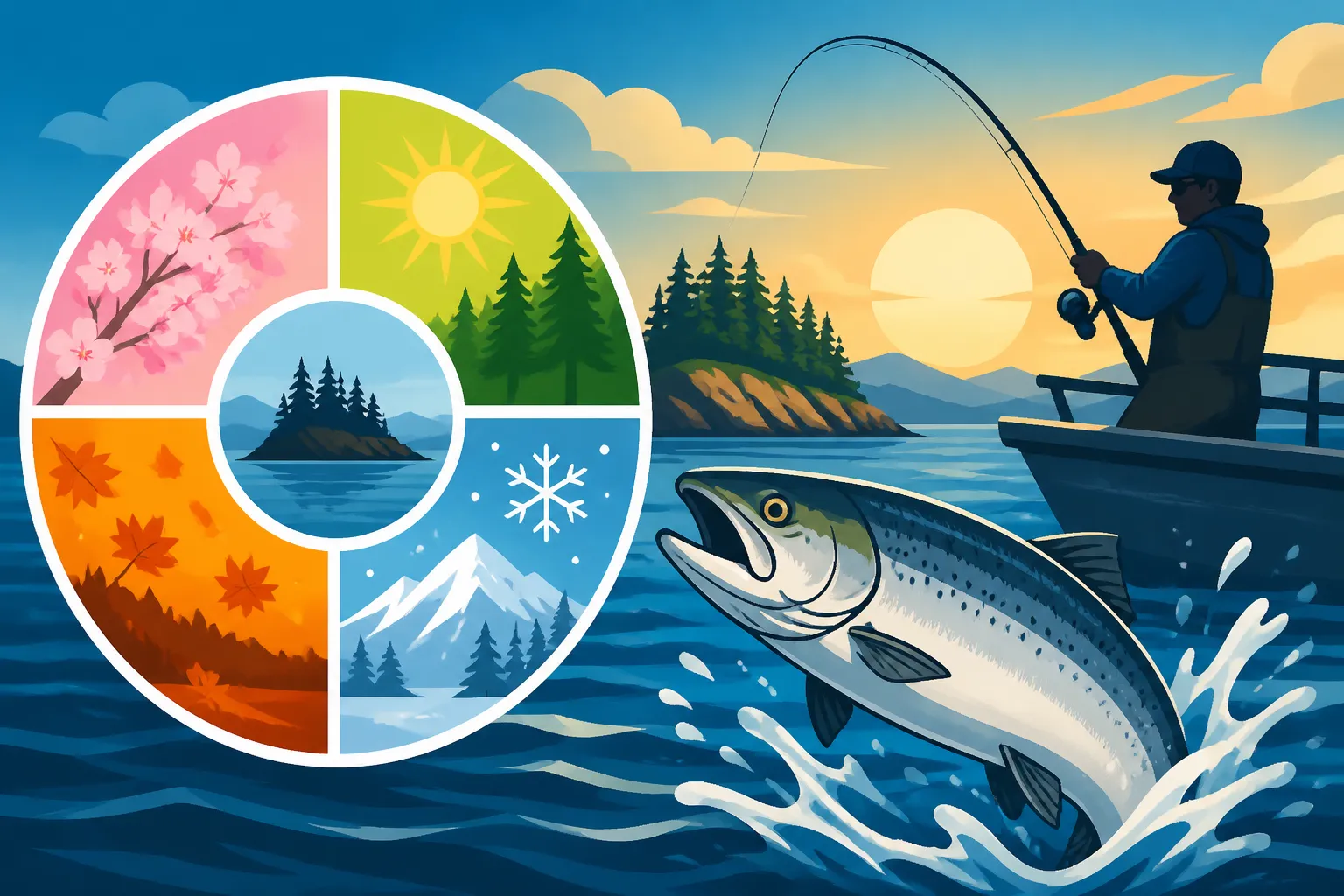
Let’s dive into the calendar and see when you’re most likely to hook into some salmon gold in the San Juans. Remember, these are general guidelines, and checking current WDFW regulations for the specific marine area you plan to fish is always the final step before heading out.
Spring and Early Summer: Targeting Chinook and Resident Coho
As the cold grip of winter loosens, the San Juan Islands begin to wake up, and with it, opportunities for early-season salmon action. This period, roughly from March through June, is primarily about targeting resident Chinook salmon, often called "blackmouth." These are the non-migratory Chinook that spend their entire lives in Puget Sound, feeding on herring and other baitfish.
Fishing for blackmouth in spring often involves trolling deep with downriggers, looking for schools of baitfish in depths ranging from 80 to 200 feet or more. Key areas can include deeper structure around islands, along current breaks, and near bait balls in places like Rosario Strait or the south end of Lopez Island. The fish caught during this time, while generally smaller than their migratory summer counterparts, are incredibly fat and delicious, having spent the winter gorging themselves. They offer a fantastic fight, and catching a beautiful chrome blackmouth in the spring is a truly rewarding experience.
Occasionally, you might also encounter resident Coho during this time, though they are less common and typically smaller than the larger migratory runs that come later. They often share similar feeding grounds with blackmouth, making them a welcome bonus if they decide to bite your gear.
The challenge during this period is the often-unpredictable spring weather, which can throw strong winds and rain your way. However, if you hit a calm, sunny day, the fishing can be superb, and you’ll often find fewer boats on the water compared to the busy summer months. If you're looking for an early season adventure, perhaps try Trolling for Salmon in Washington's Puget Sound techniques, as they are often very effective for these deeper-holding fish.
Mid-to-Late Summer: The Peak for Migratory Salmon
This is arguably the most popular and productive time to fish the San Juan Islands for salmon, typically running from July through early September. This is when the main event happens: the massive migrations of Chinook and Coho salmon move through the islands on their way to spawning rivers.
- Migratory Chinook: Starting in July and peaking in August, large migratory Chinook begin to make their appearance in significant numbers. These are often larger fish, sometimes reaching impressive sizes, and they are incredibly powerful. They’re actively feeding as they pass through, making them aggressive biters. Areas with strong currents, deep channels, and points where salmon tend to bottleneck are prime targets. Popular spots might include the Strait of Juan de Fuca approach to the San Juans, or passages like San Juan Channel or Haro Strait. You’ll be employing a variety of techniques, from Trolling Herring for Puget Sound Chinook in Washington to mooching.
- Coho Salmon: As August progresses and into September, the Coho fishery truly lights up. These energetic fish are often found closer to the surface, chasing baitfish with abandon. They provide non-stop action, making them a favorite for many anglers. Often, when the Chinook bite slows, the Coho are still going strong. Their aggressive nature and aerial acrobatics make for a memorable fight.
- Pink Salmon: If it's an odd-numbered year, mid-summer (late July through August) is also the time for the incredible Pink salmon run. These fish come in truly enormous schools, and while smaller than Chinook or Coho, they are incredibly numerous and eager to bite. They offer a fantastic opportunity for high-volume action and are perfect for families or new anglers. Catching dozens of Pinks in a day is not uncommon when the run is on. You can learn more about Pink Salmon: Washington's Odd-Year Run to prepare for the next big cycle.
During this peak summer season, you'll find a lot more activity on the water, with both private boats and numerous charters operating out of ports like Friday Harbor, Anacortes, or La Conner. Booking ahead, especially with services like FishingBooker, is highly recommended if you plan to use a guide. They can help you navigate the busy waters and put you on the fish.
Fall: Chum and Late Coho Opportunities
As summer fades and the days shorten, the San Juan Islands fishery shifts again, offering some fantastic opportunities, particularly for Chum salmon, from late September through November.
- Chum Salmon: This is the undisputed reign of the Chum. Huge numbers of these powerful fish flood into the inner Puget Sound and the passages around the San Juans on their way to spawning rivers. While their table quality can be debated (they're often best smoked or canned as they get closer to spawning), they offer an incredible sport fishing experience due to their sheer size and strength. Chum are fierce fighters, and hooking into one on light tackle can be quite the battle. They are often targeted by casting jigs, spoons, or even fly fishing. Understanding Chum Salmon Identification and Where They Run in Washington will help you target them effectively.
- Late Coho: Depending on the year and specific run timing, you might still encounter decent numbers of Coho salmon into early October. These are often the tail end of the summer runs, but they can still be in good condition and provide excellent fishing, particularly in the outer parts of the San Juans closer to the Strait of Juan de Fuca.
Fall fishing in the San Juans is beautiful, with cooler temperatures, stunning foliage, and often fewer crowds than the peak summer months. However, like spring, the weather can become a factor, with stronger winds and rain becoming more common. Be sure to dress warmly and check marine forecasts carefully.
Maximizing Your San Juan Salmon Experience
To truly make the most of your salmon fishing trip to the San Juan Islands, you need to think beyond just the calendar month. A few other critical elements come into play that can make or break your day on the water.
Key Factors Beyond Season: Tides, Weather, and Regulations
Fishing, especially in a dynamic marine environment like the San Juan Islands, is rarely just about "when." It's also about "where," "how," and "under what conditions."
Tides are paramount in the San Juans. The strong tidal exchanges create nutrient-rich upwellings and current lines that concentrate baitfish, which in turn attract salmon. Savvy anglers pay close attention to the tide charts, often looking for specific tidal stages (like an incoming or outgoing tide) that trigger feeding frenzies. For example, some spots fish best on a flooding tide, while others produce more bites on the ebb. If you can, try to time your fishing around a major tide change or strong current flows in areas known to hold fish. A local guide, especially one found through a platform like FishingBooker, will have this knowledge down pat.
Weather is another huge factor. While the San Juans can be idyllic on a calm summer day, they can also turn into a washing machine with unexpected winds and chop, particularly if you venture into more exposed areas. Always check the marine forecast before you head out. Comfort, safety, and fishing success are all heavily influenced by the weather. Nobody wants to be bouncing around in 4-foot swells trying to tie a knot! Packing appropriate gear, including good rain gear and warm layers, is always a wise decision.
And then there are the regulations. I can’t stress this enough: Washington's salmon regulations are complex, highly specific to marine areas, and subject to change mid-season based on fishery managers' in-season assessments of run strengths. You absolutely must consult the current WDFW sport fishing rules pamphlet, specifically for the marine area you plan to fish, right before your trip. Pay close attention to retention limits (e.g., Daily Limit for Chinook in Puget Sound or Daily Limit for Coho in Puget Sound), size restrictions, and specific gear rules like barbless hooks. Ignorance of the rules is not an excuse, and violations can lead to hefty fines and loss of fishing privileges. A quick check on the WDFW website or the Fish Washington app can prevent a lot of heartache. It’s important to understand the latest Washington Fishing Regulations Every Angler Should Know before every single trip.
Planning Your Trip and Finding a Guide
With all these variables, planning your San Juan salmon trip effectively is key to a successful and enjoyable experience.
First, decide on your target species and preferred season. Do you want the aggressive fight of a summer Chinook, the endless action of a Pink salmon, or the brute strength of a fall Chum? This will dictate your timing.
Next, consider whether you want to go it alone or hire a fishing guide. For many, especially those new to the San Juans or salmon fishing in general, hiring a guide is an invaluable investment. A good guide knows the local waters intimately, understands the nuances of the tides and currents, has up-to-the-minute information on regulations and where the fish are biting, and provides all the necessary gear. They essentially take all the guesswork out of the equation, maximizing your chances of success and teaching you a ton along the way. Services like FishingBooker are excellent resources for finding reputable, licensed Washington's San Juan Islands Fishing Charters. You can browse different captains, read reviews, and find a trip that matches your group size, budget, and target species. They can also help you understand What's Included in a Washington Puget Sound Salmon Charter and what to expect on your trip.
If you decide to go DIY, make sure your boat is properly equipped for saltwater fishing, including all required safety gear. Invest in good charts or a reliable GPS/fishfinder combo, and spend time studying the marine regulations. Don't forget your Washington Fishing License Guide for Nonresidents if you're visiting, and ensure you have a The Washington Catch Record Card and What It Requires for any salmon or steelhead you plan to keep.
| Salmon Species | Best Season(s) in San Juans | Key Characteristics & Notes |
|---|---|---|
| Chinook | Spring (March-June) | Resident "Blackmouth": Deeper fishing, cooler water, smaller but fat & delicious. Less crowded. Mid-Summer (July-August): Migratory Kings: Larger fish, powerful fights. Peak season, more crowded, often targets specific migratory routes through the islands. |
| Coho | Late Summer (Aug-Sept) | Energetic, acrobatic fish. Often found higher in the water column. Excellent eating. Offers fast action, especially as the migratory runs peak. |
| Pink | Mid-Summer (July-Aug) | Odd-numbered years only! Huge numbers, smaller fish but constant action. Great for beginners and families. Easily caught on small spoons, jigs, or flies. |
| Chum | Fall (Sept-Nov) | Extremely powerful fighters, large numbers. Excellent sport fish, often targeted with jigs or flies. Best table quality when caught earlier in the run, further from spawning grounds. Can be a great option for late-season action when other species are winding down. |
Ultimately, the best time of year to fish the San Juans for salmon is the time that aligns with your specific goals, whether that's targeting a trophy Chinook, enjoying non-stop Coho action, or battling a powerful Chum. With careful planning and respect for the regulations, you're set for an unforgettable experience in Washington's stunning San Juan Islands.
Disclaimer
Fishing regulations and seasons in Washington State are subject to change by the Washington Department of Fish and Wildlife (WDFW). Always consult the most current WDFW regulations pamphlet and emergency rule changes before heading out on the water. This guide is for informational purposes only and does not constitute legal advice or a definitive statement of current regulations.