Do You Need a License for Catch-and-Release Only?
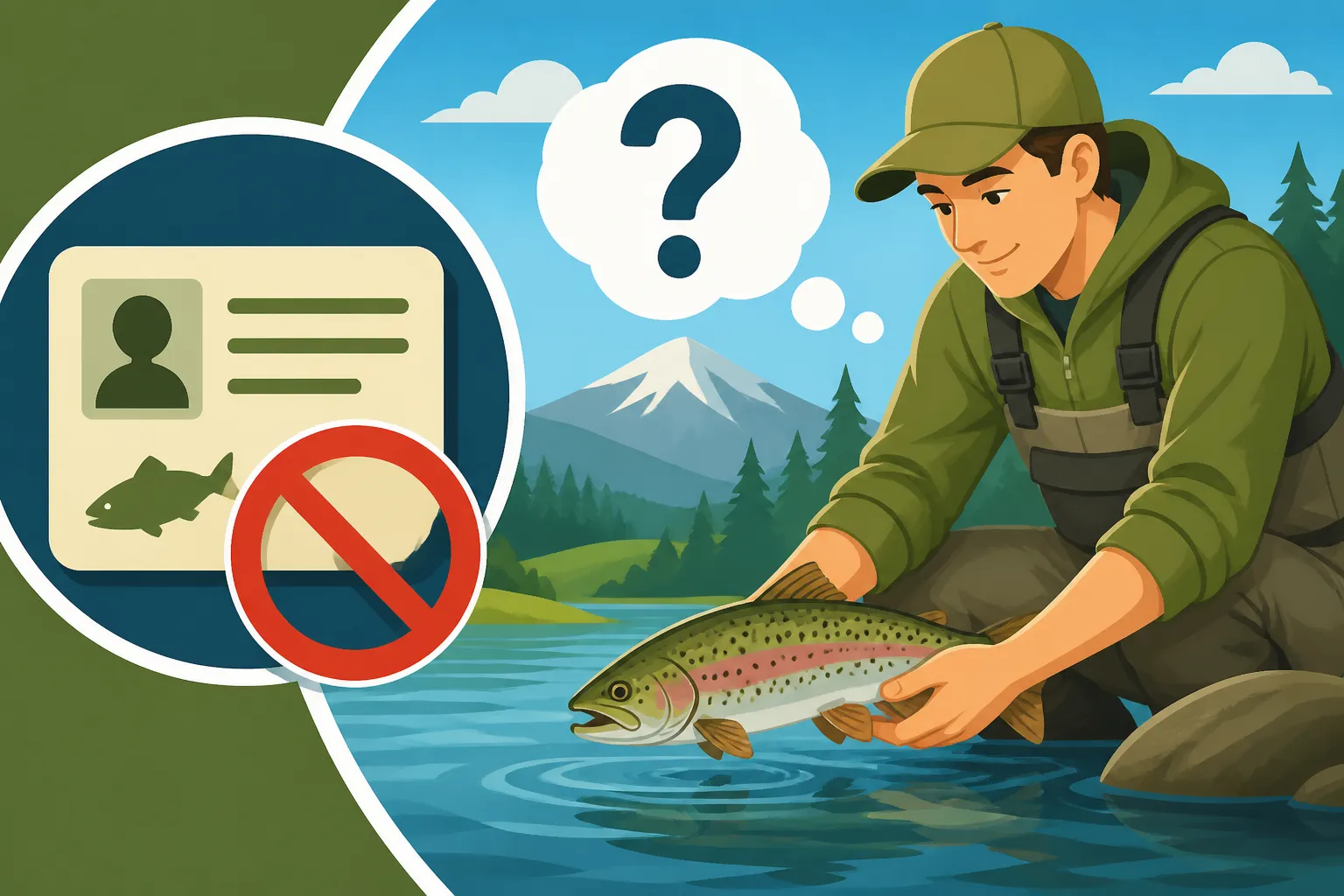
It’s a really common misconception, especially for those of us who prioritize conservation, that if you're only planning to catch a fish and then gently release it back into the water, you might not need a fishing license. We tell ourselves, "I'm not impacting the fish population, so what's the harm?" This guide is here to clear up that very understandable confusion and explain why, in Washington State, a fishing license is almost always required, even for catch-and-release fishing.
The Fundamental Rule: A License Is Required to Fish
Let's get straight to it: in Washington State, the act of fishing itself requires a license, regardless of your intention to keep or release your catch. The Washington Department of Fish and Wildlife (WDFW) regulations are clear on this point. It’s not about what you do with the fish once you catch it; it's about the act of attempting to catch it in the first place.
Think of it like this: if you're driving a car, you need a driver's license, even if you're just going for a joyride and not planning to run any errands. The license pertains to the activity, not the outcome of that activity. For anglers, this means anytime your line hits the water, or you're actively engaging in any method defined as "fishing," you need to be properly licensed. This applies whether you're fly fishing for wild steelhead on the Olympic Peninsula, jigging for kokanee in a high mountain lake, or casting spoons for salmon in Puget Sound. The rule is broad and inclusive to ensure fair play and proper management of our precious resources.
This isn't just a quirky Washington rule; it's standard practice across most states and provinces. The simple presence of fishing gear, a baited hook, or a lure in or near the water can be enough for a Fish and Wildlife Officer to determine that you are engaged in fishing. They're not going to wait to see if you actually land a fish, or if you plan to keep it, before asking to see your license. It's best to always be prepared before you even make that first cast.
Why Washington Requires a License for Catch-and-Release
Understanding why this rule exists helps solidify its importance, even for the most conservation-minded anglers. It’s not just about collecting fees; it’s about a comprehensive approach to managing and sustaining Washington's diverse fisheries. The WDFW relies heavily on license sales to fund the vast majority of its efforts, which ultimately benefit every angler, whether they keep fish or not.
These funds go into critical programs such as habitat restoration projects, which improve spawning grounds and rearing areas for salmon, steelhead, and trout. They support fish hatcheries that supplement wild populations, ensuring there are enough fish for everyone to enjoy. Without these efforts, many of our favorite fishing spots would simply not be able to sustain healthy fish runs. Even a purely catch-and-release fishery benefits from these management efforts, as healthy fish populations are essential for any successful fishing experience.
Furthermore, requiring a license helps the WDFW track angler participation and gather vital data. When you buy a license, you're registered in their system, which allows them to better estimate the total fishing pressure on various species and in different areas. This data is crucial for setting scientifically sound fishing seasons, bag limits, and other regulations, including specific rules like Washington Fishing Regulations Every Angler Should Know. It helps them understand how many people are fishing and what impact, if any, even catch-and-release methods might have on vulnerable fish stocks.
Even though you're releasing the fish, there's still an impact. Fish caught and released can experience stress, physical injury, and increased vulnerability to predators or disease, especially if not handled properly. These are factors that WDFW considers when setting rules, and the license system provides a framework for managing these cumulative impacts. It's about recognizing that every interaction with a fish, even a brief one, is part of the larger ecosystem.
Understanding Washington's License Options
Okay, so you know you need a license. Now, which one? Washington State offers a variety of options designed to fit different fishing plans, whether you're a local or just visiting. This can sometimes feel a bit overwhelming, but breaking it down makes it much simpler.
For residents, the most common choice is an annual license. You can pick a freshwater, saltwater, or a combination license, which covers both. These are valid for a full year from the date of purchase, or sometimes for a specific calendar year, depending on the type. If you're planning multiple trips throughout the year, an annual license usually offers the best value. For those who frequently fish both environments, the combination license is a no-brainer, saving you the hassle and cost of buying two separate licenses. You can find detailed information on Washington's Annual, Short-Term and Combination License Options to help make your decision.
Nonresidents have options too, which are especially useful if you're just coming for a weekend or a specific fishing trip. You can purchase annual nonresident licenses, but often a short-term license (like a 1-day or 3-day option) makes more financial sense if your visit is brief. These short-term licenses also come in freshwater, saltwater, or combination varieties. Remember that even nonresidents, including children, generally need a license to fish in Washington waters. For a comprehensive guide tailored to visitors, check out our Washington Fishing License Guide for Nonresidents.
| License Type | Covers | Best For | Cost (Approx. Resident) | Cost (Approx. Nonresident) |
|---|---|---|---|---|
| Annual Freshwater | Lakes, Rivers, Streams (non-tidal) | Frequent freshwater anglers | $30 | $84 |
| Annual Saltwater | Puget Sound, Pacific Ocean | Frequent saltwater anglers | $30 | $59 |
| Annual Combination | All WA freshwater & saltwater | Anglers who fish diverse areas year-round | $54 | $118 |
| 1-Day Freshwater | Lakes, Rivers, Streams (non-tidal) | Single freshwater outing | $11 | $11 |
| 1-Day Saltwater | Puget Sound, Pacific Ocean | Single saltwater outing | $11 | $11 |
| 3-Day Combination | All WA freshwater & saltwater | Short trips, visiting anglers | N/A (Resident) | $26 |
Note: Prices are approximate and subject to change. Endorsements like a Columbia River Salmon and Steelhead Endorsement or a Two-Pole Endorsement are separate and may be required in addition to your base license for certain fisheries or techniques.
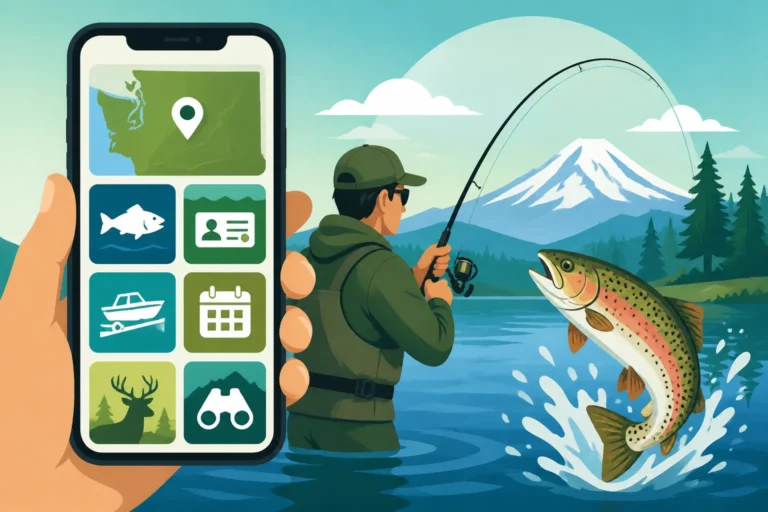
You can purchase your license online through the WDFW website, at authorized license dealers (like many sporting goods stores or tackle shops), or even over the phone. Make sure to have your identification ready, especially if you're seeking a resident license. Many anglers find it convenient to use the MyWDFW app, which allows you to store and display your license digitally, making it easy to comply with the rule to always have it with you. For more detailed instructions, our guide on Where and How to Buy a Washington Fishing License is a great resource. You might even want to pick up a waterproof license holder from a retailer like Amazon to protect your paper license or a physical copy of your digital license, just in case your phone battery dies.
What Happens If You're Caught Without a License?
So, what's the big deal? You're just catching and releasing, right? Unfortunately, the WDFW takes fishing without a license seriously, and the consequences can range from a minor inconvenience to significant fines and penalties. It’s definitely not worth the risk, even if you’re only planning a quick, casual trip.
If a Fish and Wildlife Officer observes you fishing without a valid license, you will likely receive a citation. The specific penalties can vary depending on whether it's a first offense, the type of fish you were targeting, and whether other violations were committed simultaneously (like using illegal gear or exceeding bag limits, even if accidentally). Generally, fishing without a license is a misdemeanor in Washington State.
A common penalty for a first offense is a fine, which can often be several hundred dollars. This fine alone is usually far more expensive than the cost of an annual license, making it a pretty clear economic choice to just buy the license. In addition to monetary fines, officers may also confiscate your fishing gear, including your rods, reels, and tackle. Imagine losing that expensive fly rod or your favorite saltwater setup, all because you skipped out on a $50 license. This can be a particularly frustrating outcome, as replacing gear can be a significant cost.
Beyond immediate fines and confiscation, repeat offenders can face even harsher penalties, including the suspension of fishing privileges. This means you could be legally barred from fishing in Washington for a set period, sometimes for years. It's a tough consequence, especially for those of us who love being out on the water. These penalties are designed to deter illegal fishing and reinforce the importance of adherence to regulations that protect our natural resources. You can learn more about these potential outcomes in our article on Fines and Penalties for Common Fishing Violations. It’s a sobering read but an important one for every angler.
Always carry your license with you when you're fishing. Whether it's the physical paper copy, or displayed on your phone via the MyWDFW App, having proof of your valid license is critical. An officer will ask to see it, and being unable to produce it can lead to delays, frustration, and potential citations, even if you actually have a license but left it at home. It’s a simple step that saves a lot of headaches, and you can pick up a sturdy wallet for carrying your documents on Amazon.
Disclaimer
The information provided in this guide is for informational purposes only and is subject to change. Always consult the most current Washington Department of Fish and Wildlife (WDFW) regulations pamphlet or their official website before heading out to fish, as rules and seasons can change unexpectedly.