Is There a Size Limit on Wild Steelhead in Washington?
Oh, the age-old question that keeps so many of us scratching our heads after a long day on the water! You’ve just hooked into a beautiful, chrome-bright steelhead, and your heart is pounding. Then the thought hits you: "Can I even keep this one? Is there a size limit on wild steelhead here?" It's a truly frustrating puzzle, especially in Washington State where the rules can feel like they change with the tide. This guide is here to untangle that knot of confusion, explaining exactly what "size limits" mean for wild steelhead in Washington and why it's not as straightforward as it seems.
The Intricate Dance of Washington's Steelhead Regulations
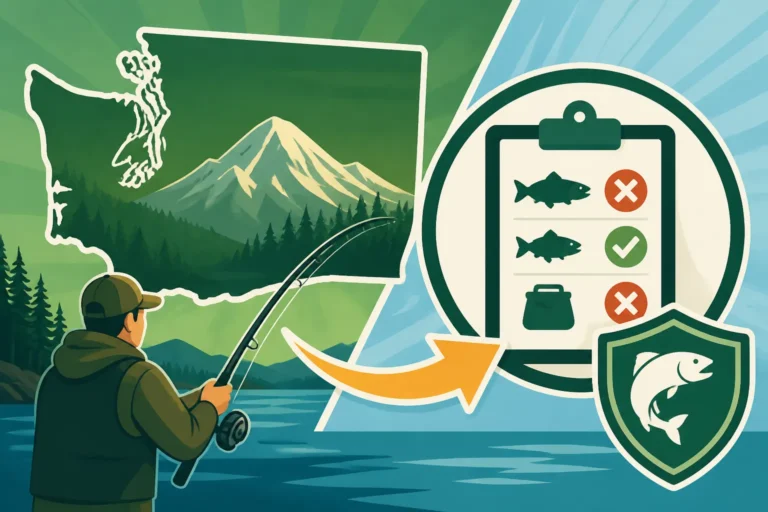
Let's be real, Washington's fishing regulations for steelhead are complex, to say the least. It’s not just a matter of knowing a simple length or weight. The rules are deeply rooted in conservation efforts, aiming to protect our vulnerable wild steelhead populations while still allowing for some fishing opportunities for hatchery-reared fish. This layered approach means that a blanket "size limit" doesn't quite capture the full picture, especially when it comes to the wild ones.
For most of us, the immediate assumption when we hear "size limit" is a minimum length a fish must be to keep, or perhaps a maximum. And yes, for many species of fish, that's exactly how it works. You glance at the rule book, measure your catch, and if it's within the slot, it's dinner! But with wild steelhead in Washington, the conversation quickly shifts from size to status: is it wild or hatchery? This distinction is absolutely critical because the legal status of the fish — whether you can even think about retaining it — almost always overrides any talk of specific size parameters. The Washington Department of Fish and Wildlife (WDFW) has a very clear focus on protecting these genetically vital wild fish.
Trying to keep up with these nuances can feel like a full-time job. You're out there, enjoying the peace of the river, only to be plagued by doubts about whether you're complying with the latest emergency rule change. It's a common frustration, but understanding the core principles behind these regulations can make navigating them a bit easier.
Is There a Size Limit on Wild Steelhead? The Short Answer and The Deep Dive
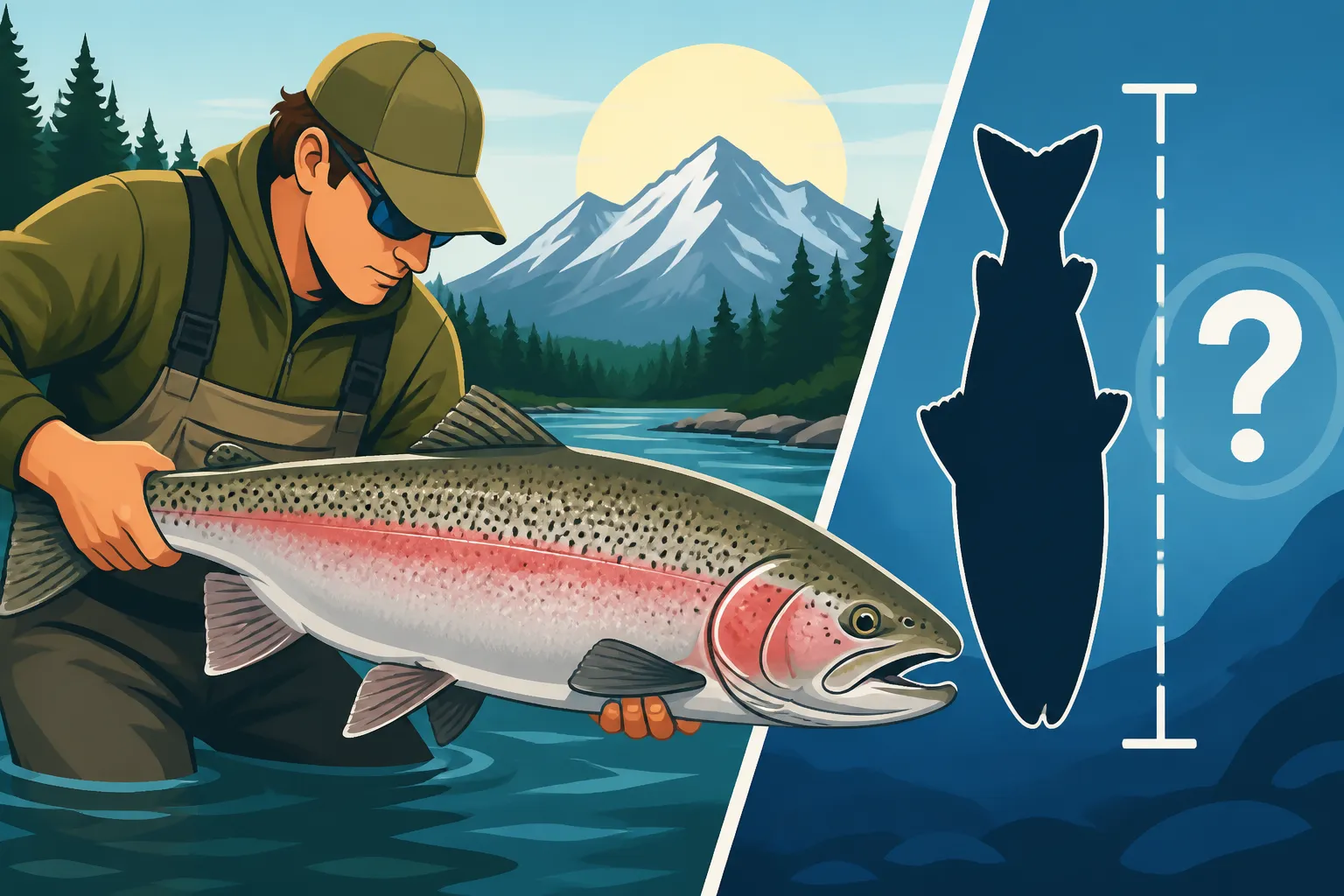
Let's get right to it: In Washington State, for the vast majority of cases, the question of a "size limit" on wild steelhead is actually a bit of a misnomer. Why? Because the prevailing rule for wild steelhead is that they are strictly catch-and-release only. This means that regardless of whether a wild steelhead is a little twelve-inch "half-pounder" or a massive twenty-pound chrome brute, you cannot retain it. It must be immediately and carefully released back into the water, unharmed.
So, when you're asking "Is there a size limit on wild steelhead in Washington?", the practical answer is that no specific minimum or maximum size limit applies because you are generally not allowed to keep them at all. The focus is entirely on identifying them and ensuring their safe return to the river.
The Crucial Distinction: Wild vs. Hatchery Steelhead
This brings us to the most vital piece of information you need to know: how to tell a wild steelhead from a hatchery steelhead. This distinction is the linchpin of steelhead regulations in Washington. Hatchery steelhead are typically marked with a "clipped" adipose fin. The adipose fin is a small, fleshy fin located on the back between the dorsal fin and the tail fin. If this fin is missing, it's a hatchery fish. If it's intact, it's a wild fish.
You can learn more about What a Clipped Adipose Fin Means in Washington to really solidify this knowledge. This simple visual cue determines whether you might even consider the possibility of retention, not the size.
Here's a quick breakdown of the key differences:
| Feature | Wild Steelhead | Hatchery Steelhead |
|---|---|---|
| Adipose Fin | Intact (present) | Clipped (absent, removed before release from hatchery) |
| Snout/Face | Often more pointed, streamlined | Sometimes more blunt or "worn" from hatchery environment |
| Fins | Typically pristine, fully formed | Can sometimes be worn or damaged (though not always) |
| Coloration | Often more vibrant, varied | Can sometimes appear duller, though ocean-bright fish are stunning |
| Legal Status | Almost always Catch-and-Release Only | May be retained in specific seasons/areas if regulations allow |
It's absolutely crucial to remember that this adipose fin clip is the primary identification method. If you're ever in doubt, treat the fish as wild and release it immediately. The Penalties for Keeping an Illegal Wild Steelhead in Washington can be severe, ranging from hefty fines to loss of fishing privileges, so it's not a risk worth taking.
When Size Might Play a Role (Indirectly)
While there's no direct size limit for wild steelhead because they are almost exclusively catch-and-release, there are very rare and specific instances where length might be mentioned in regulations, but usually in the context of hatchery steelhead. For example, a regulation might state "Hatchery steelhead over 20 inches may be retained," but it would simultaneously stipulate "Wild steelhead (intact adipose fin) must be released." In such a scenario, the size limit applies only to the hatchery component of the fishery, and the catch-and-release rule for wild fish still reigns supreme.
For the most part, though, if you've identified a fish as wild, your decision is made: it goes back into the water.
River-Specific Regulations and the Ever-Changing Landscape
Understanding that wild steelhead are generally catch-and-release is a fundamental truth, but it doesn't mean you can ignore all other rules. Washington's fishing landscape is incredibly diverse, and regulations are highly localized and fluid. A river might have different rules for its upper and lower stretches, or for different times of the year, depending on specific runs and conservation needs.
Many of Washington's most renowned steelhead rivers, particularly those on the Olympic Peninsula like the Sol Duc, Hoh, and Quillayute, are managed with extreme caution due to their strong wild steelhead populations. These rivers are often designated as "wild steelhead gene banks" or have very restrictive seasons, sometimes even being entirely catch-and-release for all steelhead, hatchery or wild. If you're planning a trip to Washington's Olympic Peninsula Rivers for Fishing, you'll find that their management priorities are heavily weighted towards protecting wild runs.
The Dynamic Nature of Emergency Rules
Adding another layer of complexity are the WDFW's emergency rule changes. These aren't just minor tweaks; they can drastically alter seasons, bag limits, gear restrictions (like Barbless Hook Requirements on Washington Rivers), or even close entire rivers to fishing for certain species, sometimes with only a few days' notice. This happens when WDFW biologists determine that a run is weaker than expected, or a conservation goal needs immediate action.
It's incredibly frustrating to plan a trip, only to find out the rules have changed overnight. We've all been there, standing by the river with our gear, checking our phones nervously. This is why staying hyper-vigilant about current regulations is paramount. Always check Washington Sport Fishing Seasons and Emergency Closures before you head out, and preferably again just before you hit the water. The WDFW website is your best friend here, or you can find up-to-date information through services like the Fish Washington App. Knowing How Washington's WDFW Sets In-Season Emergency Rules can help you understand why these changes occur, even if it doesn't make them any less inconvenient.
Where to Find the Most Accurate Information
So, how do you stay on top of all this?
- WDFW Website: This is the official source. Their "Fishing Pamphlet" is updated annually, but emergency rules are posted separately. You can find out Where to Find Current Washington Fishing Rules directly from the source.
- Fish Washington App: This mobile app is a fantastic tool for real-time updates and checking regulations on the go.
- Local Tackle Shops: These folks are usually on the pulse of local conditions and rule changes. A quick chat can save you a lot of headache.
- Reputable Guides: Professional fishing guides are obligated to know the rules inside and out. If you're hiring a guide for a trip, they'll ensure you're compliant.
For those who prefer a physical copy or just want easy access to the information, a good regulation book or map can often be found on platforms like Amazon, making it simple to keep in your gear bag or vehicle.
Best Practices for Encountering Wild Steelhead
Since the default rule for wild steelhead is catch-and-release, how you handle these magnificent fish becomes incredibly important. We want them to survive and continue their journey to spawn, ensuring future generations of these iconic fish.
Gear Choices and Ethical Angling
Choosing the right gear isn't just about catching fish; it's about minimizing harm, especially when you know you'll be releasing your catch.
- Barbless Hooks: This is often a mandatory regulation in many steelhead fisheries, especially during wild steelhead seasons. Even when not mandatory, using barbless hooks significantly reduces damage to the fish and makes for much easier, quicker releases. You can actually buy barbless hooks on Amazon, or pinch down the barbs on your existing hooks with a pair of pliers. It’s an easy, ethical choice.
- Appropriate Tackle: Using tackle that's too light can prolong the fight, exhausting the fish to the point where it may not recover after release. Match your gear to the potential size of the fish and the river conditions.
- Landing Nets: A large, knotless, rubberized landing net is your best friend. These nets protect the fish's delicate slime coat, fins, and scales much better than traditional knotted nylon nets. They also make it easier to unhook the fish while it's still in the water. Again, a quick search on Amazon will show you many excellent options.
Handling and Releasing Wild Steelhead
The moment of truth: you've hooked a wild steelhead. Here’s how to ensure its best chance of survival:
- Minimize Out-of-Water Time: The golden rule. Keep the fish in the water as much as possible. Their gills need water to breathe, and exposing them to air causes immense stress. If you need a quick photo, keep it brief, support the fish horizontally with two hands, and hold your breath while the fish is out of the water – if you need to breathe, so does the fish!
- Wet Hands: Always wet your hands before touching a fish. Dry hands can remove the protective slime coat, leaving the fish vulnerable to disease.
- Gentle Touch: Support the fish horizontally. Avoid holding it by the jaw or tail in a way that puts undue stress on its spine or internal organs.
- Quick Release: Have your tools ready (like a pair of long-nosed pliers or hemostats, which are great for safely removing hooks and can be found on Amazon). Unhook the fish quickly and gently, preferably while it's still submerged.
- Revive the Fish: If the fish seems sluggish after the fight, hold it gently in the current, facing upstream, allowing water to flow over its gills. Don't push it back and forth, as this forces water the wrong way. Wait until it revives enough to swim away strongly on its own.
Remember, the goal with catch-and-release, especially for wild, protected species like steelhead, is to leave the fish healthier than you found it, ready to continue its journey. These practices are outlined in detail in guides like Catch-and-Release Rules During Wild Steelhead Closures.
The Bottom Line
So, to definitively answer your question: No, there isn't a "size limit" on wild steelhead in Washington in the way you might expect for other species. Instead, the overwhelming rule is catch-and-release only for wild steelhead, regardless of their size. The critical factor is identifying whether the fish is wild (intact adipose fin) or hatchery (clipped adipose fin). Always prioritize the safe, immediate release of any wild steelhead you encounter, and always check the most current regulations for the specific river and date you plan to fish. Staying informed and practicing ethical angling ensures these magnificent fish will continue to thrive in Washington’s beautiful waters for generations to come.
Disclaimer
The information provided in this guide is for general informational purposes only and is not legal advice. Fishing regulations in Washington State are subject to frequent changes. Always consult the official Washington Department of Fish and Wildlife (WDFW) website, regulation pamphlets, or the Fish Washington mobile app for the most current and accurate rules before engaging in any fishing activity. It is the angler's responsibility to understand and comply with all applicable regulations.