How Big Albacore Tuna Get Off Washington
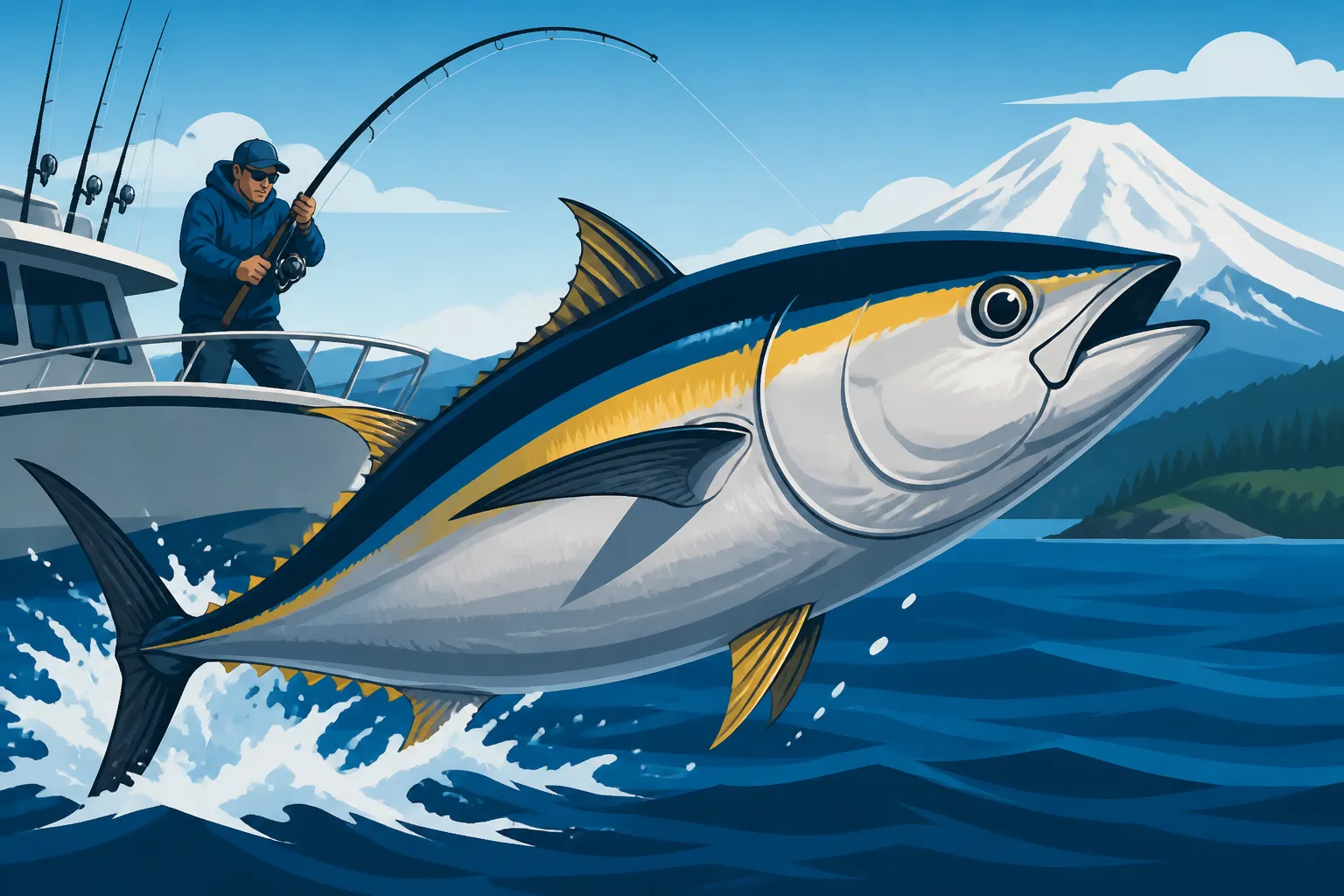
One of the most thrilling experiences for any angler offshore is hooking into a powerful Albacore tuna, but if you've never chased these torpedoes of the ocean, you might be wondering just how big they actually get off the Washington coast. It's a common question, because knowing what to expect can greatly influence your gear choices and your sheer excitement level. This comprehensive guide will dive deep into the typical sizes of albacore tuna found in our waters, explore the factors that contribute to their growth, and even touch upon the record-breakers that push the limits of what's possible, helping you prepare for your own offshore adventure.
Understanding Albacore Tuna in Washington Waters
Albacore tuna, often affectionately called "longfin tuna" due to their exceptionally long pectoral fins, are a highly migratory species that travel vast distances across the Pacific Ocean. While they aren't year-round residents right off our coast, their seasonal appearance brings an incredible opportunity for Washington anglers to experience world-class offshore fishing. Understanding their habits and what draws them to our waters is key to appreciating their size potential.
What Draws Albacore to Our Coast?
The primary magnet for albacore tuna off the Washington coast is water temperature. These warm-water predators thrive in surface temperatures typically ranging from the mid-50s to low-70s Fahrenheit. As summer progresses and the offshore waters warm up, often pushed by currents from the south, these fish follow their food source northward. They're opportunistic feeders, gorging on baitfish like anchovies, sardines, and squid, which congregate in these nutrient-rich upwelling zones.
When conditions are just right – a warm water "push" combined with an abundance of bait – large schools of albacore can be found anywhere from 20 to 60 miles offshore, or sometimes even closer. This seasonal migration is what makes their appearance so anticipated each year. You can learn more about when they typically show up by checking out Time of Year Albacore Season Runs in Washington. Their presence is a dynamic dance with the ocean, and understanding this helps us appreciate the health and vigor of the fish we encounter.
Why Size Matters: The Thrill of the Fight and the Feast
For many anglers, the size of the fish directly correlates with the challenge and excitement of the catch. Albacore are incredibly strong, fast, and relentless fighters, known for their powerful runs and dogged determination. A larger albacore will test your gear, your stamina, and your knot-tying skills, providing an adrenaline rush that few other species can match. The thrill of feeling that massive pull on your line, knowing it's a substantial fish, is what keeps many offshore enthusiasts coming back year after year.
Beyond the fight, size also matters for the table. Albacore tuna are highly prized for their firm, white, mild-flavored meat, which is excellent for grilling, searing, or canning. A bigger fish means more delicious fillets to share with family and friends, or to stock your freezer for months to come. Having a solid cooler from a brand like Igloo, often available on Amazon, is essential for keeping your substantial catch fresh on the long ride back to shore.
Average and Record Sizes of Washington Albacore
When you head offshore, you'll encounter a range of albacore sizes. While every fish is a trophy in its own right, there are definitely "average" fish and then there are the real giants that make headlines. Knowing what to expect helps manage expectations and, let's be honest, fuels the dreams of landing a true lunker.
The Typical Range You Can Expect
Most albacore caught off the Washington coast fall into a fairly consistent size range. You can typically expect to encounter fish weighing between 10 and 25 pounds, with many anglers reporting a solid average around the 15-20 pound mark. These fish are often referred to as "footballs" due to their stout, torpedo-like bodies.
In terms of length, a 15-pound albacore might measure around 28-32 inches from the tip of its nose to the fork of its tail. While these are common catches, don't be surprised to hook into larger specimens. Fish in the 30-pound class are not uncommon, and landing one of these truly tests your mettle. They offer an incredible fight and a bountiful yield of beautiful white meat.
It's also worth noting that the size can fluctuate from year to year, and even throughout the season, depending on the specific warm water pushes and the age class of fish migrating through. Early in the season, you might find a mix of smaller and larger fish, while later in the summer, there could be a higher proportion of bigger, more mature albacore that have fed extensively on their northward journey.
Chasing Giants: Washington State Records
While most catches are in the 10-30 pound range, the Washington coast has certainly produced some absolute monsters. The Washington state record for albacore tuna stands impressively in the 40-50 pound range, a testament to the fact that truly enormous tuna do swim in our waters. These record-breaking fish are rare and require a combination of luck, skill, and being in the right place at the right time.
Landing a fish of that magnitude is a significant achievement. It often means battling the fish for an extended period, sometimes over an hour, with incredible strain on both angler and tackle. The fish become even more powerful at this size, executing longer, faster runs and pulling with immense force. Imagine the thrill of seeing a 40-pound albacore come boatside! It's a memory that lasts a lifetime. For those looking to target these giants, investing in robust gear, perhaps heavy-duty trolling rods and reels from reputable brands found on Amazon, is a must. Knowing How to Fish for Albacore Tuna Off Westport or other coastal ports will often involve being prepared for these larger catches.
Here’s a look at what typical versus record-breaking albacore can look like:
| Characteristic | Typical Washington Albacore | Washington State Record Albacore (Approximate) |
|---|---|---|
| Weight Range | 10 – 25 pounds | 40 – 50+ pounds |
| Length Range | 28 – 36 inches | 40 – 45+ inches |
| Fight Intensity | High, strong runs | Extreme, sustained powerful runs, brutal |
| Meat Yield | Good, several meals | Excellent, many meals/canning |
| Occurrence | Common during season | Rare, exceptional catch |
Factors Influencing Albacore Size and Presence
Albacore tuna are creatures of their environment, and their size and availability off the Washington coast are heavily influenced by a confluence of oceanic conditions. It's not just about showing up; it's about understanding the subtle signals the ocean sends.
Ocean Conditions and Feeding Habits
The Pacific Ocean is a dynamic system, and the presence and size of albacore are closely tied to factors like sea surface temperature, currents, and nutrient upwellings. Albacore are thermocline followers, meaning they often patrol the edges of temperature breaks where warmer, oxygenated surface waters meet cooler, deeper water. These transition zones are often rich in baitfish, creating a buffet for the hungry tuna.
Years with stronger warm currents pushing up from the south, like those influenced by El Niño patterns, can bring warmer water closer to shore and potentially attract larger schools of albacore, and perhaps even bigger individual fish, as they have more consistent access to abundant food sources throughout their migration. Conversely, cooler water years might push the tuna further offshore or limit their northern migration, making them harder to access. Their incredible feeding habits—they're constantly on the hunt—are what allow them to grow to such impressive sizes over their relatively short lifespan compared to some other large ocean predators. You can learn more about how far out these fish are usually found by reading How Far Offshore to Troll for Washington Albacore Tuna.
Seasonal Variability and Fishing Pressure
While the general albacore season off Washington typically runs from mid-summer into early fall, there can be significant variability within that window. Early in the season, you might encounter fish that are just arriving, perhaps smaller on average as they continue their feeding migration. As the season progresses and the tuna have had more time to gorge on the abundant baitfish in our productive waters, you're more likely to encounter larger, fatter fish. This late-season window is often when the biggest tuna of the year are landed.
Fishing pressure, while not directly influencing the size of individual fish, can certainly affect how easy it is to find them. When many boats are targeting albacore, the schools can become more spread out or wary. However, the migratory nature of albacore means that new schools are constantly moving into the area, ensuring a fresh supply of fish throughout the season. Planning a trip, especially if you're looking for bigger fish, might involve looking at a multi-day trip or working with experienced charters. If you're considering a guided experience, reading Booking a Charter for Albacore Tuna could provide valuable insights.
Gear and Techniques for Targeting Larger Albacore
Catching any albacore is a blast, but if you're specifically hoping to tangle with those 30, 40, or even 50-pound bruisers, you'll want to make sure your tackle is up to the task. These fish pull hard, and underestimating their power can lead to broken lines, bent hooks, and stories of "the one that got away."
Rods, Reels, and Line Strength
For targeting larger albacore, a medium-heavy to heavy conventional setup is generally preferred. You'll want rods that are robust enough to handle the immense strain but still have enough tip sensitivity to detect the bite and enough backbone to turn a strong fish. Look for rods in the 6.5 to 7.5-foot range with a fast or moderate-fast action.
Matching your rod with a high-quality, lever-drag conventional reel is crucial. These reels offer superior cranking power and a smooth, consistent drag system that can withstand blistering runs. Spool your reel with 50-80 pound braided line, which offers incredible strength-to-diameter ratio, allowing for more line capacity and better sensitivity. On top of the braid, many anglers will run a 50-100 foot top shot of 40-60 pound monofilament or fluorocarbon leader. This stretch provides a bit of shock absorption and makes the last few feet of line less visible to the tuna. You can find excellent options for all these components, often with customer reviews, on platforms like Amazon.
Lures and Baits That Attract Bigger Fish
Albacore are aggressive feeders, and a variety of lures and baits can be effective. When targeting larger fish, however, some presentations tend to stand out. Trolling is perhaps the most popular and effective method. You'll often see boats running a spread of multiple lures at different depths and distances behind the boat.
Popular lures include cedar plugs, tuna clones, and various hard-bodied trolling lures designed to mimic baitfish. Colors like green, blue, purple, and black are often productive, especially when paired with a bit of flash. Sometimes, larger lures can entice bigger, more territorial tuna. Live bait, such as anchovies or sardines, when available and fished in a "chum line" (broadcasting bait to attract and hold fish), can also be incredibly effective, often drawing out the biggest fish in the school. Be sure to check local regulations on bait use.
Regardless of your chosen presentation, speed is often key. Trolling at speeds between 6 and 9 knots is common, but don't be afraid to experiment to find what the fish are responding to on any given day. Remember, these fish are fast, and your presentation needs to match their prey. For specific gear choices, don't forget to consult experienced local anglers or review product descriptions from reputable retailers, like those found on Amazon, to ensure you're getting the right tools for the job.
Conclusion
Chasing albacore tuna off the Washington coast is an unforgettable experience, offering both exhilarating fights and delicious rewards. While you'll typically encounter fish in the 10 to 25-pound range, our waters are certainly capable of producing genuine giants pushing 40 pounds or more, providing a challenge that will test even the most seasoned angler. Understanding the interplay of ocean conditions, the seasonal migration, and equipping yourself with the right heavy-duty gear from places like Amazon will put you in the best position to land one of these impressive torpedoes. So, get ready, gear up, and prepare for an offshore adventure where a truly big albacore might just be waiting for you.
Disclaimer
This article is for general informational purposes only and does not constitute professional advice. Laws, prices and regulations vary by location and change over time. Consult a qualified professional for guidance on your specific situation.