How to Fish for Albacore Tuna Off Westport
There's nothing quite like the thrill of chasing albacore tuna off the coast of Westport, Washington. It's a deep-sea adventure that promises powerful fights and some of the finest eating fish you can pull from the Pacific. But let's be real, heading far offshore into the open ocean isn't like casting a line in a local lake; it demands preparation, the right gear, and a solid understanding of these incredible fish. This guide will walk you through everything you need to know to pursue albacore tuna successfully out of Westport, turning your offshore dreams into a delicious reality.
Understanding Albacore Tuna in Washington Waters
Albacore tuna, often called "longfins" for their distinctive lengthy pectoral fins, are truly pelagic, meaning they live in the open ocean and undertake vast migrations. They are sleek, powerful predators, built for speed and endurance, making them an incredibly exciting catch for any angler. Understanding their behavior and migratory patterns is the first step to finding them off Westport.
The Seasonal Migration and Warm Water Pursuit
Albacore tuna are warm-water dwellers, and their presence off the Washington coast is entirely dependent on the right ocean conditions. Typically, these fish migrate north from warmer southern waters, following nutrient-rich currents and baitfish that thrive in areas where warmer offshore waters meet the cooler, upwelled water from the coast.
The prime time for albacore fishing off Westport usually kicks off in mid-summer, often around July, and can extend well into September or even early October, depending on how long the favorable warm water sticks around. This is when anglers start looking for those distinct temperature breaks, often several miles, sometimes 30 to 70 miles, offshore. These temperature "edges" or "rips" are where baitfish congregate, and where the tuna will be feeding. It's a dynamic fishery, and those warm water currents can shift, meaning a spot that was hot one day might be cold the next. Staying on top of sea surface temperature charts and fishing reports is absolutely crucial for success. You can also learn more about the best time to find them in our guide on the Time of Year Albacore Season Runs in Washington.
What Attracts Albacore Tuna
Beyond warm water, albacore are constantly on the hunt for food. They are opportunistic feeders and will aggressively pursue schools of anchovies, sardines, squid, and other small baitfish. When you're out on the water, you're not just looking for temperature changes, but also signs of feeding activity.
This means keeping a keen eye out for working birds – especially diving seabirds like terns or shearwaters – which are often indicators of baitfish being pushed to the surface by feeding tuna. Sometimes you'll even spot schools of tuna jumping and splashing, creating a "boil" on the surface, or see evidence of their feeding frenzies. Kelp paddies, which are essentially floating islands of seaweed, also act as mini ecosystems, attracting baitfish and, consequently, tuna. Knowing these visual cues can be the difference between a long boat ride and a bent rod.
Essential Gear for Offshore Albacore Tuna Fishing
When you're venturing out for albacore, your gear needs to be up to the task. These fish fight hard, pulling with surprising power, and offshore conditions can be challenging. Investing in the right equipment isn't just about catching fish; it's about safety and durability.
Rods, Reels, and Line Setup
For albacore, you'll want a setup that offers both strength to land a powerful fish and sensitivity to detect subtle bites while trolling.
- Rods: Medium-heavy to heavy conventional rods are the standard. Look for rods around 6 to 7 feet in length with a fast action, capable of handling 20-50 lb line. Graphite or composite blanks are common, offering a good balance of power and feel. You need enough backbone to turn a fast-moving tuna and absorb those powerful runs.
- Reels: Lever-drag conventional reels are preferred for their smooth drag systems and ease of adjustment during a fight. Brands like Shimano, Penn, and Daiwa make excellent options. You'll want a reel with a high line capacity, capable of holding at least 300-400 yards of 40-50 lb test line, because these tuna can make blistering runs.
- Line: The main line is typically braided line (like 50-65 lb test) for its incredible strength-to-diameter ratio and lack of stretch, which helps with hooksets. To this, you'll connect a fluorocarbon leader, usually 40-60 lb test, about 6 to 10 feet long. Fluorocarbon is less visible in the water and more abrasion-resistant, a big plus with tuna's rough mouths. Some anglers might start with monofilament for the first 100 yards or so as a shock absorber. You can find a wide range of suitable braided and fluorocarbon lines on Amazon.
Lures and Baits of Choice
Albacore tuna are aggressive, and they hit a variety of artificial lures with gusto. Having a diverse selection of lures is key to figuring out what they're biting on any given day.
- Trolling Lures: These are your bread and butter. Feather jigs, often in vibrant colors like green, blue, pink, or purple, are classic. Cedar plugs, which are unweighted wooden lures that skip and dive, are incredibly effective. Small swimbaits or diving plugs that imitate anchovies are also popular. You'll often run a spread of these lures, sometimes 6 to 10 at a time, behind the boat at varying distances and depths.
- Live Bait: While less common for the initial find, if you locate a school, dropping live bait can be incredibly effective. Anchovies and sardines are prime choices. You'll need a live bait well on your boat to keep them frisky.
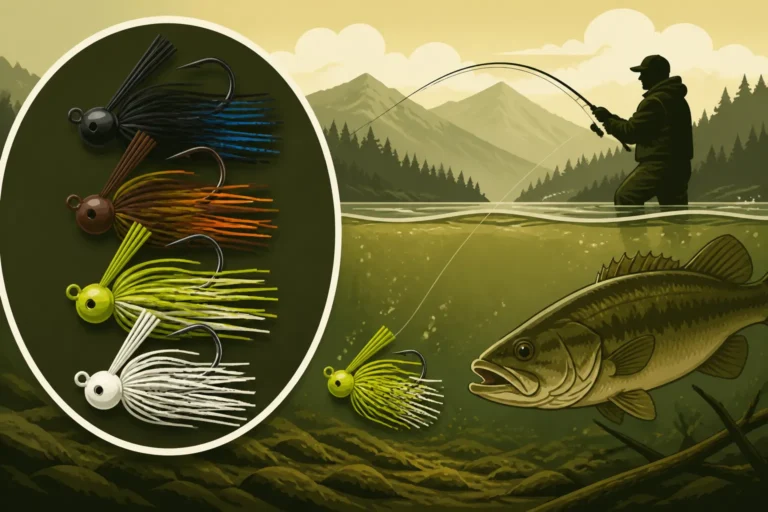
- Jigging & Casting Lures: Once you've located a school of tuna, or if they're not biting the troll, metal jigs (often called "iron" or "candy bars") can be deadly when dropped into the school and retrieved aggressively. Soft plastics and surface poppers can also work if the fish are feeding on top. Having a few different sizes and colors of jigs in your tackle box from Amazon is a smart move.
| Lure Type | Best Use | Common Colors | Key Features |
|---|---|---|---|
| Feather Jigs | Trolling, especially in clear water | Green, blue, pink, purple | Mimics small baitfish, fast action |
| Cedar Plugs | Trolling, erratic swimming action | Natural wood, red head | Unweighted, skips and dives |
| Small Swimbaits | Trolling, casting to feeding schools | Sardine, anchovy patterns | Realistic profile, good vibration |
| Metal Jigs (Iron) | Jigging when tuna are deeper, casting | Chrome, blue/silver, pink | Sinks fast, aggressive flutter on retrieve |
| Surface Poppers | Casting to actively boiling fish | White, silver, chartreuse | Creates splash and commotion, mimics fleeing bait |
Essential Safety and Navigation Equipment
This isn't just about fishing; it's about being prepared for offshore conditions. Safety is paramount when you're dozens of miles from shore.
- VHF Radio: Absolutely critical for communicating with other boats and shore.
- GPS and Chartplotter: To mark your spots, navigate, and track your course.
- Fish Finder/Sonar: Essential for locating bait schools and identifying structure.
- EPIRB or PLB: An Emergency Position-Indicating Radio Beacon (EPIRB) or Personal Locator Beacon (PLB) is a non-negotiable safety item for offshore trips.
- Life Jackets: Enough for everyone on board, and easily accessible.
- First Aid Kit: Comprehensive enough for offshore emergencies.
- Extra Fuel and Water: Always overestimate your needs when heading offshore.
- Tools: Pliers, cutters, knife, and a de-hooker are vital.
- Coolers and Ice: You'll need plenty of capacity to bleed, ice, and store your catch. For more on what to pack, check out our guide on What to Bring on a Washington Fishing Charter.
Prime Fishing Techniques for Albacore
Once you're geared up and on the water, knowing how to present your lures effectively is key. Albacore are fast-moving predators, and your techniques need to match their lifestyle.
Trolling: The Most Common Method
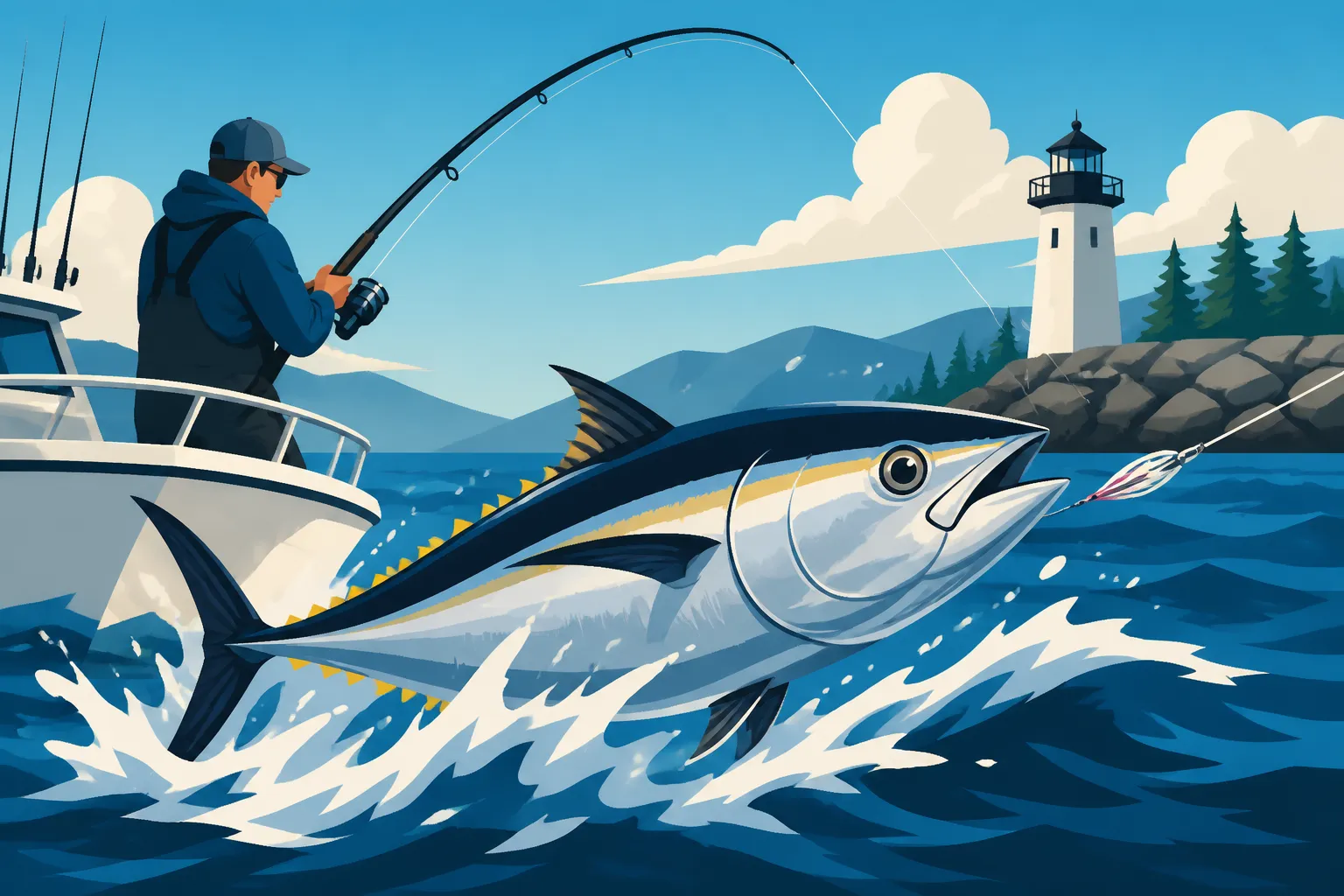
Trolling is by far the most popular and effective way to locate and catch albacore off Westport. It involves dragging a spread of lures behind the boat at a consistent speed, covering a lot of water until you find a feeding school.
- Speed and Spread: Typically, you'll troll between 6 to 9 knots, but this can vary depending on the ocean conditions and what the fish prefer. The idea is to create an enticing "spread" of lures that mimics a school of baitfish. You'll use outriggers to spread lures wide and maintain separation, and sometimes flat lines directly off the transom. Some lures will be run closer, others farther back, and some deeper with the help of trolling weights or downriggers. The exact distance How Far Offshore to Troll for Washington Albacore Tuna can vary based on conditions.
- "The Jig Strike": When an albacore hits a trolling lure, it's often a violent strike, commonly referred to as a "jig strike." The rod will double over, and line will scream off the reel. At this point, it's crucial to keep the boat moving forward for a short distance (a "speed strike" or "pump-and-dump"). This can often trigger other fish in the school to bite, leading to multiple hookups – a chaotic but incredibly exciting "fire drill."
- Maintaining the Spread: If you get multiple hookups, the captain might slow down or even circle back, but the goal is to keep as many lines in the water as possible to capitalize on the school. Communication between anglers and the captain is vital during these frenzies.
Live Baiting and Jigging
While trolling helps you find the fish, once you've located a school, other techniques can be devastatingly effective.
- Live Baiting: If you've got a good supply of lively anchovies or sardines, and you've found a concentrated school of tuna, switch to live bait. This usually involves drifting through the school, tossing out a few handfuls of live bait as "chum" to entice the tuna closer, and then deploying a bait on a light leader with little to no weight. The natural movement of live bait is often irresistible.
- Jigging: When tuna are deeper in the water column or if they've gone "down" after a trolling pass, jigging can be the ticket. Drop heavy metal jigs (often 4-6 oz or more) down to the depth where you're seeing marks on your fish finder. Retrieve them with a fast, erratic motion – a series of lifts and drops, mimicking a wounded baitfish. Be prepared for a powerful strike on the retrieve!
Navigating the Offshore Experience from Westport
Fishing for albacore out of Westport means committing to an offshore trip. This isn't just about what you do on the water; it's also about preparation and understanding the unique aspects of deep-sea angling.
Finding the Fish: Electronics and Observation
Locating albacore is often compared to finding a needle in a haystack, but modern electronics and keen observation greatly improve your odds.
- Sea Surface Temperature (SST) Charts: Before you even leave the dock, you should be studying SST charts. Look for clear temperature breaks, often in the 60-65°F range, where nutrient-rich upwellings meet warmer offshore currents. These areas are your starting points.
- Fish Finder and Sonar: Once offshore, your fish finder becomes your best friend. You'll be looking for schools of baitfish and the tell-tale "arches" that indicate tuna. Keep an eye on the bottom contours too, as offshore banks and seamounts can create upwellings that hold bait.
- Visual Cues: As mentioned earlier, birds are a huge indicator. Pay attention to changes in water color, current lines, and the presence of kelp paddies. These visual clues often mean you're in the right neighborhood. The more eyes you have on deck looking for these signs, the better.
Weather, Waves, and Your Comfort
The Pacific Ocean off Westport can be beautiful, but it can also be unforgiving. Weather and sea conditions are critical considerations.
- Checking Forecasts: Always, always, always check multiple marine weather forecasts before planning an offshore trip. Look at wave height, swell period, and wind speed. A slight chop in the harbor can turn into significant swells 50 miles offshore. If you're considering Westport, Washington Halibut and Tuna Charters, they will handle these checks, but if you're going solo, it's all on you.
- Seasickness: If you're prone to seasickness, take preventative measures. Over-the-counter medications, wristbands, or even prescription patches can make a huge difference. Don't let a bad stomach ruin your trip. Eat light, non-greasy foods, stay hydrated, and try to focus on the horizon.
- Boat Comfort: Dress in layers, even on sunny days, as temperatures can change rapidly far offshore. Good rain gear is a must, even if the forecast is clear. Remember to stay hydrated and bring plenty of snacks.
Handling and Processing Your Catch
You've landed an albacore – congratulations! Now, the work isn't over. Proper handling of your catch is essential to ensure you bring home high-quality table fare. Albacore tuna is prized for its firm, mild, and delicious white meat, but only if handled correctly.
Bleeding and Icing for Quality
This step is arguably the most important for preserving the quality of your tuna. Tuna are warm-blooded, and their body heat, combined with lactic acid buildup from the fight, can quickly degrade the meat.
- Bleeding: Immediately upon landing an albacore, bleed it. Cut the gills or sever the artery just behind the pectoral fin. This quickly drains the blood, which carries impurities and can sour the meat. Let the fish bleed out, ideally over the side of the boat, for several minutes until the blood flow stops.
- Icing: Once bled, get the fish into a cooler filled with an ice-slurry (ice water) as quickly as possible. This brings the core temperature of the fish down rapidly, stopping bacterial growth and preserving the flavor and texture. Don't just lay them on top of ice; they need to be submerged. The goal is to keep them cold until you get back to the dock for processing.
Cleaning and Filleting at the Dock
Back at the dock, it's time to process your fish. Many public docks at Westport have cleaning stations, or you can take your fish to a local processor for a fee.
- Filleting: Albacore tuna are dense, powerful fish, and their muscle structure is a bit different from a salmon or bottomfish. You'll typically get four main loins (two from each side, separated by the "bloodline"). Many anglers remove the dark bloodline entirely, as it has a strong flavor.
- Packaging: Once filleted, rinse the loins in cold, clean water, pat them dry, and then package them for storage. Vacuum sealing is the best option for freezing, as it prevents freezer burn. Otherwise, wrap them tightly in plastic wrap and then butcher paper or freezer bags.
- Enjoying Your Catch: Albacore is incredibly versatile. It's fantastic grilled, seared, baked, or even canned. Many people enjoy fresh albacore as sashimi or poke bowls. Be sure to check the Salmon Possession Limit in Washington and other regulations, including Understanding Washington's Daily Bag Limits by Species, to ensure you're fishing legally.
Disclaimer
This article is for general informational purposes only and does not constitute professional advice. Laws, prices and regulations vary by location and change over time. Consult a qualified professional for guidance on your specific situation.