Is the Sauk River in Washington Fly-Fishing Only?
One of the most common questions I hear from anglers eyeing the breathtaking Sauk River in Washington is, "Is it fly-fishing only?" It's a valid concern, born from the river's wild reputation and often stringent regulations. Getting the rules wrong on a system like the Sauk isn't just a minor oversight; it can lead to frustration, disappointment, or even legal trouble. This guide is here to untangle the complexities of fishing the Sauk, ensuring you understand exactly what gear is permitted and why these rules are in place.
Understanding the Sauk River's Unique Character and Regulations
The Sauk River is not just any river; it's a true gem of Washington's wild waterways, flowing down from the North Cascades to join the Skagit River. Its reputation precedes it, often whispered about in hushed tones among steelhead anglers. This isn't a river where you can just show up with any tackle and expect to be legal. Its unique ecological status dictates specific, often restrictive, rules designed to protect its precious inhabitants.
A River Steeped in Conservation
What makes the Sauk River so special, and consequently, so regulated? It’s primarily its role as a vital stronghold for wild steelhead and other native salmonids. The Sauk is designated as a "Wild Steelhead Gene Bank River," a critical classification that means the genetics of its wild steelhead population are considered pristine and invaluable. This designation demands a heightened level of protection to ensure these unique fish continue to thrive without undue pressure from human activity or genetic mixing with hatchery fish.
Imagine a living museum, but instead of artifacts, it's a vibrant ecosystem where ancient fish lineages persist. That's essentially the Sauk. Every regulation, every gear restriction, every season closure is implemented with the overarching goal of safeguarding these populations. This means that while some rivers in Washington might offer more flexibility, the Sauk requires a commitment to conservation-minded angling. For example, unlike many rivers where you might encounter a mix of wild and hatchery fish, the Sauk is predominantly a wild fishery, which means most, if not all, of the steelhead you encounter will be naturally produced and therefore protected.
General Gear Restrictions on the Sauk River
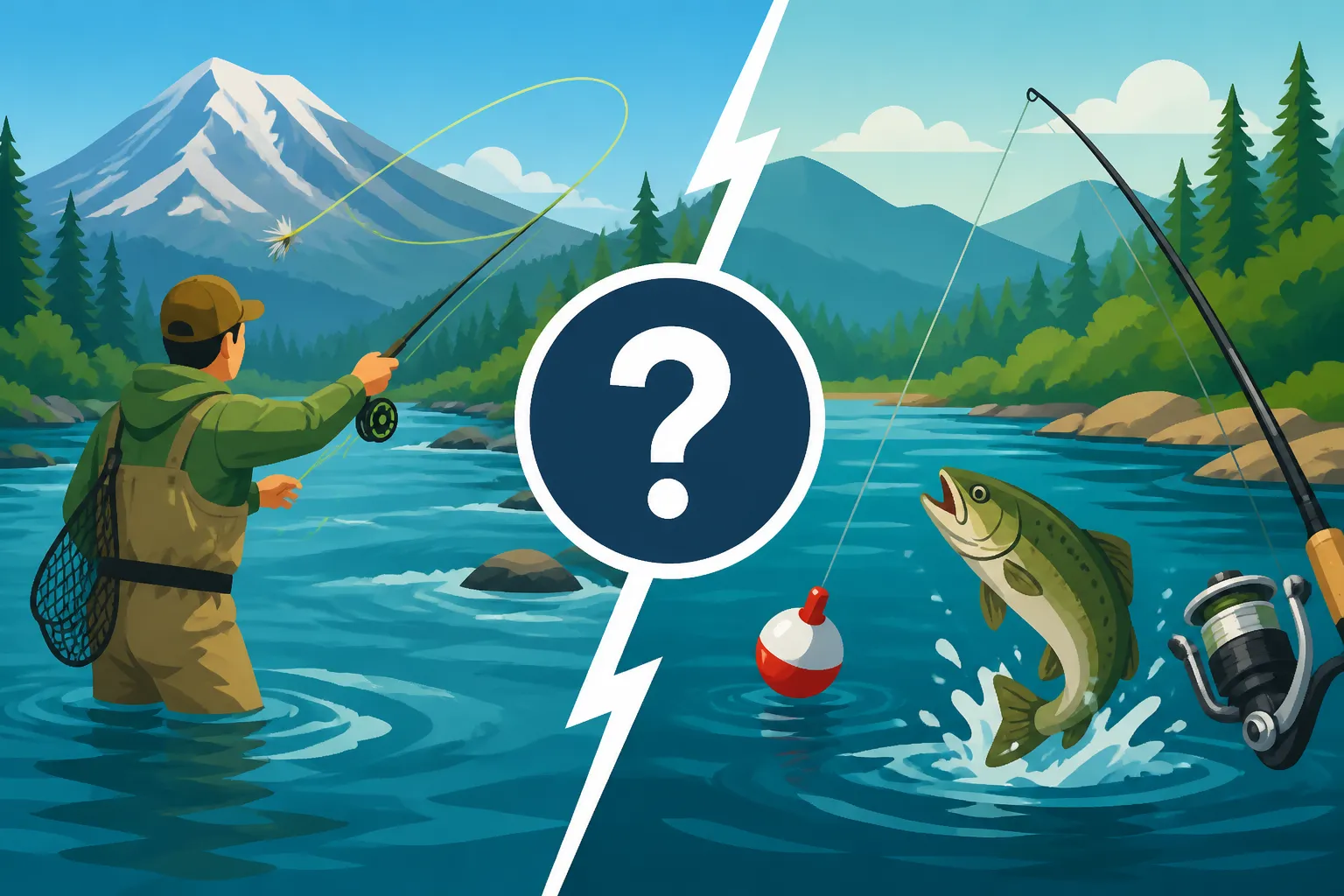
Now, let's get to the heart of the matter: is the Sauk River strictly fly-fishing only? The answer, while nuanced, leans heavily towards methods that are congruent with fly fishing principles, but it's not exclusively "fly-fishing only" in the strictest sense of the word, depending on the specific reach and season. However, for most of the prime steelhead fishing seasons and sections, the regulations effectively steer anglers toward fly gear or very specialized spin/drift gear that mimics fly fishing.
The primary restrictions you'll almost always encounter on the Sauk revolve around single-point, barbless hooks and often bait bans. This combination is incredibly significant. A bait ban means you cannot use anything that emits scent or is considered natural bait, such as roe, worms, or even cured prawns. This immediately eliminates many conventional fishing methods popular on other rivers. When you're restricted to single-point, barbless hooks and no bait, you're essentially limited to artificial lures or flies. While a spinner or spoon might technically fit the "artificial lure" description, the emphasis on single-point barbless hooks and fly-fishing popularity in these wild systems often means most conventional gear struggles to be effective or even compliant.
For instance, consider trying to drift a worm or a small cluster of roe through a deep pool – that's a no-go on the Sauk if a bait ban is in effect, which it very often is for steelhead. Instead, anglers are expected to present flies, jigs, or artificial soft plastics, all designed to mimic natural prey without the olfactory appeal of bait. This helps reduce incidental hooking of non-target species and minimizes harm to fish that are caught and released. If you're planning a trip, checking the most up-to-date Washington Fishing Regulations Every Angler Should Know is absolutely paramount, as rules can and do change.
Navigating Specific Fishing Seasons and Gear Rules
Understanding the Sauk River's general regulations is one thing, but knowing how they apply to specific seasons and species is crucial. The river's dynamics change throughout the year, as do the movements of its various fish populations, and the Washington Department of Fish and Wildlife (WDFW) adjusts rules accordingly to provide protection where and when it's most needed.
Steelhead Season: What You Need to Know
When most people talk about fishing the Sauk, they're talking about steelhead. The river is world-renowned for its winter steelhead run, drawing dedicated anglers from all over. During this prime season, the regulations are typically at their most stringent. For winter steelhead, it is very common for the river to be restricted to catch-and-release only for wild steelhead, sometimes even for hatchery steelhead, if they are present. Additionally, you will almost always find a strict single-point, barbless hook rule and bait ban in effect.
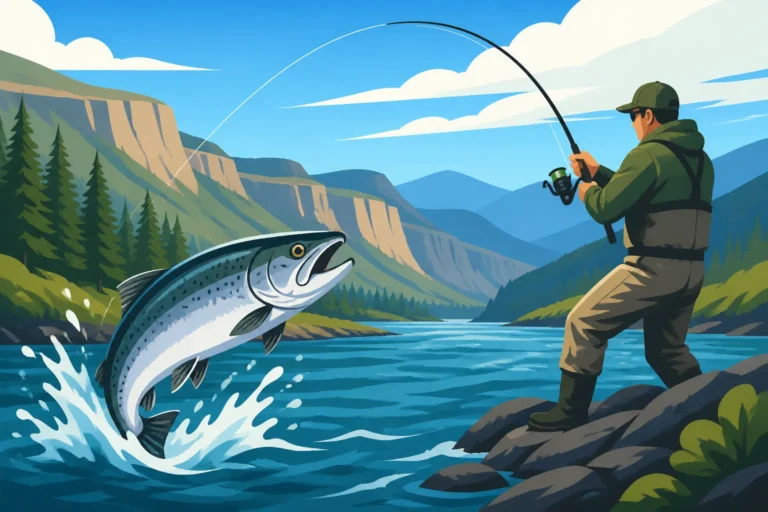
While it's not always explicitly "fly-fishing only" in the rule book, the practical reality is that fly fishing becomes the most effective and often the only truly viable method under these conditions. You'll see anglers swinging flies, nymphing, or using specialized drift gear with artificials. Imagine standing in the brisk winter air, casting a weighted intruder fly into a deep run, hoping for that electric tug – that's the quintessential Sauk steelhead experience. Any other method, while potentially legal in a very narrow interpretation, would be severely hampered by the lack of bait and the barbless hook requirement. This is especially true for Wild Steelhead Release Rules on Washington's Olympic Peninsula Rivers, which share similar stringent conservation measures. The goal is to maximize survival rates for these precious fish, which means minimizing handling time and injury.
Other Species and Their Specific Regulations
Beyond steelhead, the Sauk River is also home to other native species, primarily coastal cutthroat trout and resident Dolly Varden (a char species often mistaken for trout). While these fish are present, targeting them directly often falls under similar, if not identical, restrictions to steelhead due to their cohabitation and the river's overall protected status.
For trout and char, you'll still find the emphasis on artificial lures and flies with barbless hooks. In certain lesser-fished tributaries or during specific periods, there might be slightly more lenient rules, but for the mainstem Sauk, always assume the strictest interpretation to be safe. Salmon fishing on the Sauk is generally heavily restricted or completely closed. Due to declining runs and the Sauk's role in recovering Puget Sound salmon populations, opportunities to target Chinook, Coho, or Pink salmon are rare to non-existent on the mainstem. When they do occur, they come with extremely precise regulations, including species-specific closures, bag limits, and gear restrictions that would still typically prohibit bait and require barbless hooks. Always consult the official WDFW regulations for any specific opening, as they are often very short-lived and highly localized.
Why These Rules Are in Place and What They Mean for Anglers
It's easy to feel frustrated by restrictive fishing rules, especially when you're just looking to enjoy a day on the water. "Why so many rules?" you might ask. On a river like the Sauk, these regulations aren't arbitrary; they are the bedrock of its continued health and the reason its wild fish populations persist. Understanding the 'why' behind the rules can transform frustration into appreciation and a sense of shared stewardship.
Protecting Wild Fish Populations
The primary driver behind the Sauk River's stringent regulations is the imperative to protect and recover its wild fish populations, especially its iconic steelhead. As mentioned, the Sauk is designated as one of Washington's vital Wild Steelhead Gene Bank Rivers, which means it harbors some of the most genetically pure and robust wild steelhead remaining in the state. These fish are incredibly resilient but also vulnerable to overfishing, habitat degradation, and incidental mortality from angling practices.
The rules, such as mandatory catch-and-release, single-point barbless hooks, and bait bans, are all designed to minimize the impact of fishing. Catch-and-release ensures that spawning populations are not depleted by harvest. Barbless hooks make it easier to release fish quickly with less injury, as the hook can be removed with minimal damage to the fish's mouth or gills. Bait bans reduce deep hooking, which significantly increases post-release mortality, because fish are less likely to swallow an artificial lure or fly deeply compared to a natural bait. This comprehensive approach is critical for the long-term survival and recovery of these wild fish, allowing future generations to experience the thrill of catching a Sauk River steelhead.
The Ethical Angler's Approach to the Sauk
For the ethical angler, fishing the Sauk River is more than just catching fish; it's about connecting with a truly wild ecosystem and contributing to its preservation. It's about accepting the challenge that the strict rules present and embracing the satisfaction of a fair chase. This approach often means taking the time to learn specialized techniques like Fly Fishing Techniques for Winter Steelhead in Washington, which are not only effective but also align perfectly with the river's ethos.
When you venture out onto the Sauk, it's an opportunity to be a conservationist first and an angler second. This means adhering to every rule, no matter how minor it might seem, and practicing responsible angling techniques. Leave no trace, pack out everything you pack in, and be mindful of spawning redds or sensitive habitats. If you're unsure about a regulation or a specific technique, don't hesitate to seek advice from local tackle shops or experienced guides. Many guides specialize in the Sauk and can provide invaluable insights, often even accessible through platforms like FishingBooker. This willingness to learn and adapt makes you part of the solution, ensuring the Sauk remains a pristine fishery for years to come.
Planning Your Trip and Staying Informed
A successful and compliant fishing trip to the Sauk River requires more than just knowing the general rules; it demands thorough planning and a commitment to staying informed. The dynamic nature of Washington's fisheries, especially on wild rivers, means that conditions and regulations can change rapidly. Being prepared is key to a rewarding experience.
Essential Gear for the Sauk River
Given the Sauk's typical regulations, your gear selection is crucial. While not strictly fly-fishing only, the river's character and rules heavily favor this method, especially for steelhead. For fly anglers, a good 7- to 9-weight spey or switch rod is ideal for swinging flies for winter steelhead, allowing you to cover water effectively and handle larger fish in strong currents. If you prefer single-hand rods, an 8-weight with a strong butt section will serve you well. You'll want a reliable reel with a smooth drag and plenty of backing, loaded with appropriate shooting heads or Skagit lines for presenting heavy flies.
When it comes to flies, think about streamers, intruder patterns, and stonefly nymphs in various weights and colors. Researching Best Fly Patterns for Winter Steelhead can give you a good starting point. For those opting for spin or conventional gear where allowed (remember, still single-point, barbless, and no bait), a medium-heavy rod with a sensitive tip, paired with a high-quality spinning or baitcasting reel, spooled with 15-20 lb braided line, would be appropriate. You'd be casting jigs, artificial worms, or small spinners, ensuring they meet the barbless requirement. Regardless of your chosen method, sturdy waders and wading boots with good grip are non-negotiable, as you'll be navigating rocky riverbeds and potentially swift currents.
Checking Current Regulations and Water Conditions
This cannot be stressed enough: always, always check the current regulations immediately before your trip. Washington's fishing rules are highly dynamic, especially on sensitive rivers like the Sauk. Emergency Rule Changes: Why Washington's Rules Shift Mid-Season are a common occurrence, driven by fish returns, water levels, and conservation needs. A river that was open yesterday might be closed today, or gear restrictions might suddenly become more stringent.
Your primary resource for up-to-date information is the Washington Department of Fish and Wildlife (WDFW) website. They publish an annual Sport Fishing Regulations pamphlet, but equally important are the daily "Emergency Rules" updates. You can often find these by searching "Where to Find Current Washington Fishing Rules." Familiarize yourself with how to read the pamphlet and understand the marine area and river section designations. Knowing about Washington Sport Fishing Seasons and Emergency Closures will prevent an illegal catch. Beyond regulations, keep an eye on water conditions. River flows, clarity, and temperature can dramatically affect fishing success and even safety. High, turbid water can make fishing unproductive and dangerous, while low, clear conditions might require more finesse and lighter presentations. Tools like USGS river gauges or local fishing reports can provide valuable insights into what to expect on the water, helping you adjust your approach. For instance, knowing How Water Clarity Affects Steelhead Fishing can mean the difference between a successful outing and a frustrating one.
Here’s a quick overview of common Sauk River regulations:
| Regulation Type | Common Application on Sauk River | Impact on Angler |
|---|---|---|
| Gear Restriction | Single-point, barbless hooks only | Eliminates treble hooks and barbed hooks. |
| Bait Restriction | Bait ban often in effect | No natural baits (roe, worms, shrimp, etc.). |
| Lure Type | Artificial lures/flies only | Primarily promotes fly fishing or specialized artificial presentations. |
| Species Harvest | Wild steelhead: Catch-and-release only (often) | All wild steelhead must be immediately released unharmed. |
| Species Harvest | Salmon: Often closed or highly restricted | Salmon retention opportunities are rare. |
| Two-Pole Endorsement | Not permitted for game fish (e.g., steelhead) | You can only fish with one rod for target species. |
Remember, this table is a general guide. Always consult the official WDFW regulations before heading out.
Disclaimer
Fishing regulations and seasons in Washington State are subject to frequent change. The information provided in this guide is for general informational purposes only and is based on typical regulations for the Sauk River. It is the angler's sole responsibility to check and comply with all current Washington Department of Fish and Wildlife (WDFW) regulations, emergency rule changes, and local advisories before engaging in any fishing activity. Failure to do so may result in fines or penalties. Always prioritize safety and conservation on the water.