Where the Quillayute River Meets the Ocean
Many anglers dream of fishing the wild, rugged coast of Washington, especially where a mighty river like the Quillayute meets the vast Pacific Ocean, but figuring out the exact dynamics, access points, and what to expect in such a remote and unique environment can feel overwhelming. This comprehensive guide will take you on a detailed journey to the mouth of the Quillayute River, offering an in-depth look at its geography, prime fishing opportunities, essential gear, crucial safety tips, and how to best plan your angling adventure in this truly special place.
Understanding the Quillayute River Mouth Geography and Dynamics
The Quillayute River, a significant waterway on Washington's Olympic Peninsula, carves its path through dense rainforests before dramatically emptying into the Pacific Ocean near the Quileute tribal village of La Push. This isn't just a simple river mouth; it's a dynamic, ever-changing interface where powerful freshwater currents collide with relentless ocean tides and swells, creating a unique and often challenging fishing environment that requires both respect and careful planning.
The Unique Confluence of River and Ocean
Imagine standing on a stretch of sand, the roar of the Pacific to your left, and the steady flow of a river, carrying the scent of pine and damp earth, to your right. That's the essence of the Quillayute River mouth. Here, the river's freshwater pushes against the saltwater of the ocean, creating a distinct brackish zone. This mixing, combined with the presence of prominent jetties that protect the harbor at La Push, shapes the fishing experience dramatically. To the north and south of the river entrance are long, sandy beaches like First Beach, backed by towering sea stacks and dramatic cliffs. Just offshore, James Island stands guard, adding to the picturesque, wild landscape.
The jetties themselves are critical features. They channel the river's flow, intensifying currents on outgoing tides and creating deep scour holes and eddy lines that are magnets for migrating fish. Outside the jetties, the ocean floor can be quite complex, with submerged rocks and ever-shifting sandbars influencing wave patterns and fish holding areas. The constant interaction between river flow, tidal surges, and ocean swells means conditions can change rapidly, from calm, fishable water to turbulent, dangerous seas within a single tide cycle. Understanding these dynamics is paramount, not just for successful fishing but for personal safety.
Accessing the Mouth of the Quillayute
Accessing this wild frontier primarily revolves around the charming, albeit small, community of La Push. Located within the Quileute Indian Reservation, La Push is the gateway to the river mouth and a hub for local fishing activities. For most anglers, boat access is the preferred method for fishing the actual confluence and outside the jetties.
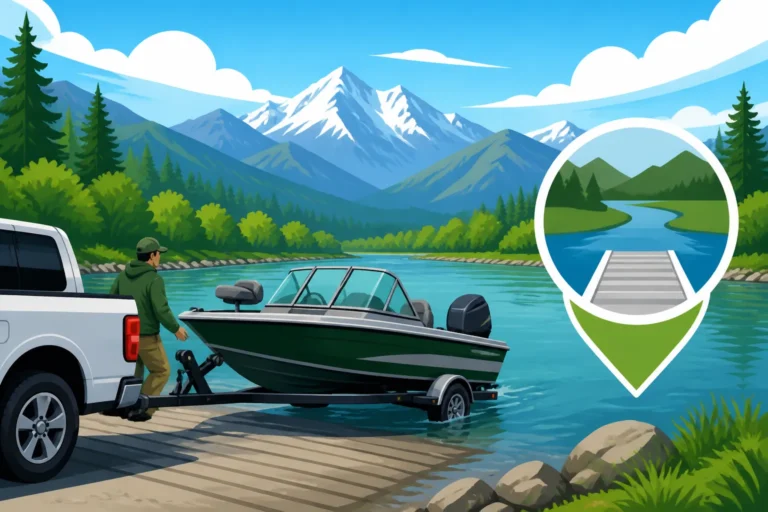
There’s a public boat launch right in La Push, allowing relatively easy access for trailerable boats. However, launching and retrieving here demands skill, especially during strong tides or ocean swells. The launch can be exposed, and judgment is key to safely navigating in and out of the harbor. For those without a boat, bank fishing opportunities are more limited, but not entirely absent. Certain areas along the river's lower stretches, accessible via tribal roads or within the village limits, might offer a chance to cast a line, though specific access points and regulations can vary. It’s absolutely essential to respect Quileute tribal lands and any posted restrictions, as much of the surrounding area is part of their reservation. Always check with the Quileute Natural Resources Department or local signs for current rules regarding access and fishing within tribal waters. For comprehensive rules, it's always wise to consult the general Washington Fishing Regulations Every Angler Should Know.
Navigational Considerations for Anglers
Navigating the Quillayute River mouth in a boat is not for the faint of heart or the inexperienced. The conditions here can be notoriously challenging and unforgiving. The primary hazards include:
- Strong Currents: The outgoing tide, especially after heavy rains, can create a powerful, swift current that can easily overpower smaller boats or make precise lure presentation difficult. Incoming tides also bring their own set of challenges, pushing ocean swells directly into the river channel.
- Ocean Swells and Bar Conditions: The river mouth often has a "bar" — a shallow area where the river's sediment deposits meet the ocean's sand. When ocean swells meet this bar, they can break violently, creating dangerous surf conditions. Crossing the bar requires careful observation of wave sets, understanding boat capabilities, and sometimes, simply waiting for conditions to improve. Rogue waves are a real threat here.
- Shifting Depths: The constantly moving sands and gravel, pushed by river and ocean, mean depths can change frequently. What was a clear channel one week might be shallow the next. Relying solely on old charts can be risky; local knowledge or recent reports are invaluable.
- Fog: Coastal fog can roll in quickly and dramatically reduce visibility, turning navigation into a serious challenge. Having reliable GPS and radar is not just a luxury but a necessity for boaters venturing offshore or navigating during low visibility.
Before even thinking about launching, always check marine weather forecasts, tide charts, and local bar reports. Talk to local charter captains or experienced anglers for up-to-the-minute conditions. Safety should always be your top priority when venturing into these wild waters.
Prime Fishing Opportunities at the Quillayute River Mouth
The Quillayute River system is renowned for its incredible fisheries, and the river mouth acts as a crucial staging area and gateway for many of these prized species. The mixing of fresh and saltwater, coupled with the varied underwater structure created by the jetties and natural bottom contours, attracts a diverse array of fish.
Targeting Salmon: Chinook and Coho Runs
The primary draw for many anglers to the Quillayute River mouth is the chance to intercept migrating salmon. Both Chinook (King) and Coho (Silver) salmon funnel into this area as they prepare to ascend the river to their spawning grounds.
- Chinook Salmon: These magnificent fish typically begin to show up in late summer, with the peak of the run often occurring from late August through September. They are powerful fighters and highly sought after. Anglers often target Chinook just outside the river mouth, particularly around the jetties where they stage before pushing further upstream. Trolling with herring, spoons, or plugs is a popular method, often employing downriggers to get lures to the desired depth. Mooching with cut-plug herring can also be incredibly effective, especially when fish are concentrated. Inside the river mouth, but still in the brackish zone, anglers might try drift fishing with cured eggs or pulling plugs from anchored boats. Understanding When Chinook Salmon Run in Washington's Puget Sound can give you a general idea, though specific timing for the Quillayute is highly dependent on ocean conditions and river flows.
- Coho Salmon: Coho generally follow the Chinook, with their runs peaking from September into October, and sometimes even into November. They are known for their acrobatic fights and aggressive takes. Like Chinook, Coho can be targeted outside the jetties through methods like Trolling for Salmon in Washington's Puget Sound using hoochies, spoons, or small plugs. As they move into the river mouth, casting spinners or twitching jigs can be very productive. They often respond well to bright, flashy presentations.
Both species require anglers to be mindful of daily bag limits and specific gear restrictions, which can change frequently. And don't forget your The Washington Catch Record Card and What It Requires to properly log any salmon you keep.
Bottomfish and Lingcod Near the Jetties
While salmon often steal the spotlight, the rocky structures of the Quillayute jetties and the surrounding ocean bottom provide excellent habitat for various bottomfish, including the formidable Lingcod: Washington's Toothy Bottomfish and several species of rockfish.
- Lingcod: These aggressive predators love to ambush prey from rocky crevices and kelp beds. They are often found right alongside the jetties, particularly on the ocean side, and around any submerged rocky reefs in the vicinity. Jigging with large lead jigs, sometimes tipped with a strip of squid or herring, is a highly effective method. Heavy conventional gear is usually necessary to haul these powerful fish out of their rocky lairs. They can grow quite large here, offering a thrilling fight.
- Rockfish: Several species of rockfish, including black rockfish and copper rockfish, also inhabit the same rocky environments as lingcod. They are usually caught using similar jigging techniques or by employing Bottom Fishing for Lingcod and Rockfish off Washington with bait rigs, often featuring several hooks tipped with squid, herring, or artificial grubs. When targeting rockfish, it's crucial to be aware of regulations regarding descending devices for fish released from deep water to minimize barotrauma.
Fishing for bottomfish near the jetties requires careful boat handling to avoid collision with the rocks, especially when ocean swells are present. It's best done on calmer days with favorable tides.
Steelhead and Sea-Run Cutthroat on the Edge
For those who appreciate the challenge of elusive, hard-fighting trout, the Quillayute River mouth can occasionally offer shots at Steelhead: Washington's Ocean-Run Rainbow Trout and sea-run cutthroat. These fish move in and out of the brackish water, often staging before committing to their upstream migration or returning to the ocean.
- Steelhead: While the prime steelhead fishing is typically further upriver during their respective winter and summer runs, some "half-pounders" (smaller, immature steelhead) or early returning adults might be found in the lower river and even near the mouth, especially after a fresh pulse of rain. They are generally caught using traditional steelhead drift fishing techniques with eggs, jigs, or small plugs, even in the slightly salty water. They present a unique challenge in this dynamic environment.
- Sea-Run Cutthroat: These native trout are highly adaptable and are often found hunting baitfish in the estuary and brackish zones of river mouths. The Quillayute is no exception. They can be targeted by casting small spinners, spoons, or flies that imitate baitfish or shrimp. Early mornings and late evenings, especially on incoming tides, can be particularly productive. For fly anglers, swinging small streamers or clousers can be very effective. While often smaller than salmon or steelhead, their aggressive strikes and spirited fights make them a rewarding catch. Their presence near the Quillayute mouth adds another layer of intrigue to an already diverse fishery, offering a glimpse into the behavior of Sea-Run Cutthroat in Washington's Puget Sound and coastal areas.
Catching these species at the river mouth adds a unique twist to your angling experience, blending river and ocean tactics into one thrilling pursuit.
Essential Gear, Safety, and Regulations for the Quillayute Mouth
Fishing the Quillayute River mouth demands not only the right approach but also appropriate gear, a keen understanding of regulations, and an unwavering commitment to safety. This environment can be unpredictable, and being prepared is key to a successful and incident-free trip.
Recommended Gear for River Mouth Fishing
Given the variety of species and the challenging conditions, your gear selection needs to be robust and versatile.
- Rods and Reels: For salmon, a medium-heavy to heavy conventional or spinning rod (8'6" to 10'6") paired with a robust reel capable of handling 20-40 lb test line is ideal. This setup provides the backbone to fight strong fish in current and handle heavier weights. For bottomfish, even heavier gear might be preferred, especially for lingcod, with rods rated for 40-80 lb line. For steelhead and cutthroat, a medium-action spinning rod (8' to 9'6") or a 7-9 weight fly rod would be more appropriate for lighter presentations. Think about gear that can handle the elements, as saltwater environments can be tough on equipment. You can get a good idea of what's needed by looking at articles like Rod and Reel You Need for Washington Puget Sound Salmon.
- Line: Braided line (30-65 lb test) is often favored for its strength, sensitivity, and smaller diameter, especially when trolling or jigging. Pair it with a fluorocarbon leader (20-40 lb for salmon/bottomfish, 8-15 lb for steelhead/cutthroat) for abrasion resistance and invisibility.
- Terminal Tackle:
- Salmon: A variety of weights (2-16 oz), snap swivels, and quality hooks (single or treble, depending on regulations). Lures include various colors of Puget Sound-style dodgers and flashers, hoochies, spoons (like Silver Horde or Luhr Jensen), and diving plugs (Kodiak Custom, Brad's KillerFish). Don't forget fresh or brined herring and cured salmon roe.
- Bottomfish: Heavy lead jigs (4-16 oz) in various colors (white, glow, green, blue), soft plastic swimbaits on jig heads, and bait rigs for cut bait.
- Steelhead/Cutthroat: Lead or slinky weights, floats, jigs, spinners, spoons, and a selection of flies (streamers, baitfish patterns, nymphs).
- Essential Accessories: A good net with a deep basket, long-nose pliers for hook removal, a blunt de-hooker for releasing fish, a cooler with ice, and a fillet knife. Always carry a first aid kit, especially on a boat.
Navigating Regulations and Tribal Considerations
Fishing at the Quillayute River mouth is subject to both Washington State regulations (managed by WDFW) and, crucially, Quileute Tribal regulations. This dual jurisdiction can be complex, and it’s the angler’s responsibility to understand and adhere to all rules.
- WDFW Regulations: You'll need a valid Washington fishing license and any necessary endorsements (e.g., Columbia River Salmon/Steelhead endorsement if relevant, though typically not for Quillayute). Check the current WDFW Sport Fishing Regulations pamphlet, specifically for Marine Area 3 (La Push) and the Quillayute River system. Pay close attention to:
- Season Dates: Salmon, steelhead, and bottomfish seasons are highly managed and can change annually or even in-season based on run forecasts.
- Daily and Possession Limits: These specify how many fish of each species you can keep per day and how many you can possess at any given time.
- Gear Restrictions: Rules regarding barbless hooks, bait use, and specific lure types are common, especially for steelhead.
- Catch Reporting: Mandatory for salmon and steelhead on your catch record card.
- Quileute Tribal Regulations: The Quillayute River and surrounding lands are within the Quileute Indian Reservation. This means that tribal fishing regulations may apply, particularly if you are fishing within the river itself, from the bank on tribal land, or accessing tribal boat launches. It is imperative to check with the Quileute Natural Resources Department for their current rules, permits, and any specific areas closed to non-tribal fishing. Ignorance of these rules is not an excuse and can lead to serious consequences. Respect for tribal sovereignty and their management of natural resources is paramount.
Always carry your fishing license and catch record card with you, along with a copy of the current regulations. Be prepared for game wardens (WDFW) or tribal enforcement officers to check your compliance.
Prioritizing Safety in a Dynamic Environment
The wild Washington coast is stunning, but it demands immense respect. Safety should always be your number one concern when fishing the Quillayute River mouth.
- Life Jackets: For boaters, wearing a Coast Guard-approved life jacket at all times, especially when crossing the bar, is non-negotiable.
- VHF Radio: A marine VHF radio is crucial for communicating with the Coast Guard or other vessels in an emergency. Cell phone service can be unreliable in this remote area.
- Weather and Bar Reports: Always check multiple sources for marine weather forecasts and bar conditions before heading out. The weather can change quickly. If in doubt, stay in the harbor or on shore. Local guides and charter captains are often the best source for current bar conditions.
- Tide Knowledge: Understand how tides affect currents and bar conditions. An outgoing tide combined with a strong ocean swell can create treacherous conditions at the river mouth.
- Boat Maintenance: Ensure your boat is in excellent working order, including engine, fuel, bilge pump, and navigation lights.
- Buddy System/Float Plan: Never fish alone, especially offshore. Always file a float plan with a trusted person, detailing where you are going, when you expect to return, and who to call if you don't check in.
- Emergency Gear: Flares, air horn, paddle, anchor, extra line, first aid kit, and an emergency blanket should always be on board. A high-quality GPS and depth sounder are also essential.
This area is beautiful, but it can be dangerous. Never take unnecessary risks.
Planning Your Trip to La Push and the Quillayute River Mouth
A trip to the Quillayute River mouth isn't just about fishing; it's an immersive experience into the wild beauty of the Olympic Peninsula. Thoughtful planning will ensure your adventure is smooth, enjoyable, and safe.
Best Times to Visit for Optimal Fishing
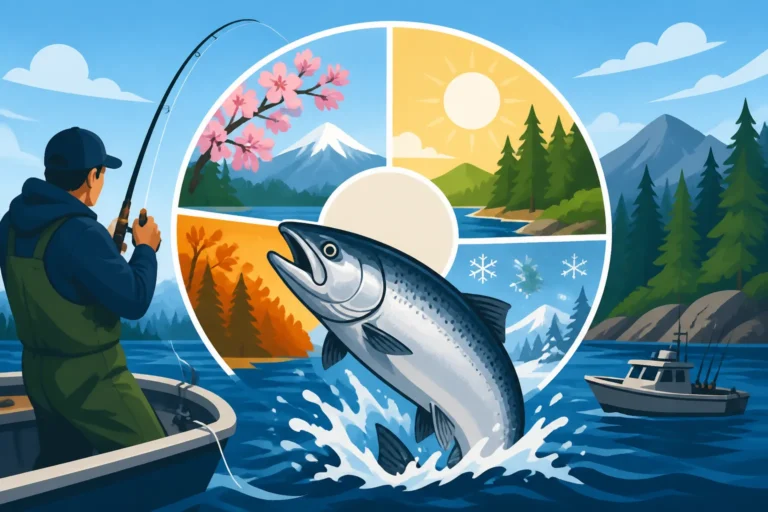
The "best" time to visit largely depends on what species you're hoping to catch, as the seasons dictate the presence and abundance of different fish. For a broader perspective on Washington's fishing calendar, consult Washington Fishing Seasons: A Month-by-Month Guide.
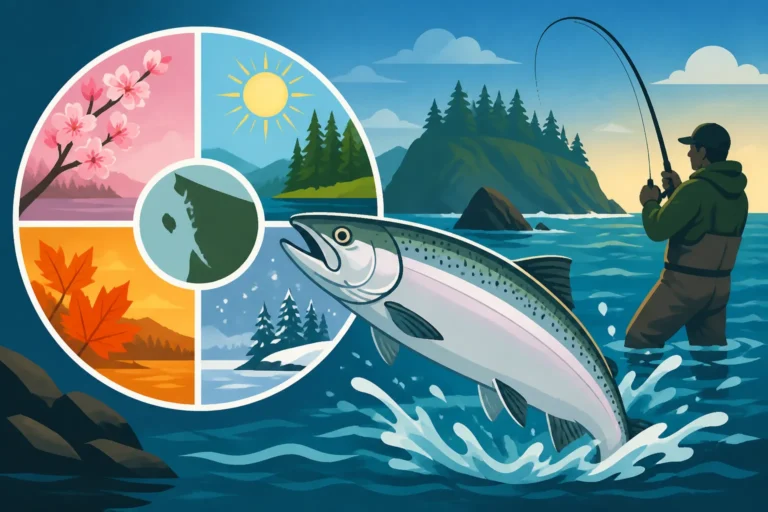
- Late Summer to Fall (August – November): This is prime time for salmon. Chinook runs typically peak in late August and September, followed by strong Coho runs through October and into November. The weather can be a mixed bag, with sunny days interspersed with the onset of the Pacific Northwest's rainy season. Ocean conditions might start to get rougher, making crossing the bar more challenging.
- Winter (December – March): This is generally considered the winter steelhead season on the Quillayute River system. While less common right at the mouth, some anglers might target them in the lower river. Ocean conditions are often rough, limiting offshore or jetty fishing for bottomfish. This time of year is best for those hardy anglers who embrace cold, wet weather.
- Spring (April – June): As winter transitions to spring, river flows begin to drop, and ocean conditions can start to calm. This period can see some lingering steelhead, and bottomfish opportunities around the jetties may improve on calm days. Lingcod seasons typically open in spring.
- Summer (July – August): Early summer can offer decent bottom fishing as conditions stabilize. While primary salmon runs haven't peaked yet, some early Chinook might start to show. The weather is generally more favorable for ocean adventures, though fog can still be an issue.
Always remember that these are general guidelines. Annual variations in fish runs and weather patterns can significantly alter the "best" timing. Local fishing reports are always your most reliable source of up-to-date information.
Local Amenities and Accommodations in La Push
La Push, while small, offers a few essential amenities for visitors, primarily focused on providing a comfortable base for your outdoor adventures.
- Accommodations: The Quileute Oceanside Resort is the primary lodging option, offering cabins, motel rooms, and oceanfront suites with stunning views of the Pacific. It's often booked well in advance, especially during peak fishing seasons, so plan accordingly. There are also limited camping options nearby.
- Food and Supplies: Dining options in La Push are limited but can offer fresh seafood. For more extensive grocery supplies, bait, and tackle shops, you'll need to drive to the nearby town of Forks (about a 15-20 minute drive inland). Forks has several motels, restaurants, and outdoor gear stores.
- Bait & Tackle: It's always a good idea to bring your preferred bait and tackle with you, as specialized items might be hard to find in such a remote area. However, local shops in Forks typically stock common items for salmon and steelhead.
When planning your stay, consider utilizing platforms like FishingBooker to not only find potential guides (as discussed below) but also to explore nearby accommodations that cater to anglers. Sometimes, a guide service might even have partnerships with local lodging, offering convenient packages.
Considering a Guided Trip for This Unique Location
For anglers unfamiliar with the Quillayute River mouth and the unique challenges it presents, hiring a local fishing guide can be an invaluable investment. A guide offers not just expertise but also a crucial layer of safety and efficiency.
- Local Knowledge: A good guide possesses an intimate understanding of the shifting currents, tide patterns, bar conditions, and where fish are holding on any given day. They know the safe channels and the hidden hazards.
- Equipment: Guides provide all the necessary, specialized fishing gear, ensuring you have the right rods, reels, and tackle for the conditions and target species. This saves you the hassle and expense of acquiring specialized equipment for a single trip.
- Technique Instruction: Whether you're new to trolling, mooching, or drift fishing, a guide can offer hands-on instruction to improve your skills and increase your chances of success.
- Safety: Most importantly, experienced guides are adept at navigating these challenging waters safely. They monitor weather, tides, and bar conditions constantly, making informed decisions about when and where it's safe to fish.
- Regulations: Guides are up-to-date on all WDFW and tribal regulations, ensuring your trip is compliant and respectful of local rules.
Finding a reputable guide is easier than ever. Platforms like FishingBooker are excellent resources for locating licensed and experienced guides who operate out of La Push or the surrounding areas, offering trips for salmon, steelhead, and bottomfish. You can read reviews, compare prices, and see what's included in a trip, helping you to gauge the Washington Steelhead Guide Cost or salmon charter costs. A guided trip can transform a potentially frustrating or even dangerous outing into a memorable and productive experience, allowing you to focus on the joy of fishing rather than the complexities of navigation and local regulations. While considering How to Book a Fishing Charter in Washington for other areas, many of the principles apply here, emphasizing the value of local expertise for a truly unique location like the Quillayute mouth.
Quillayute River Mouth Fishing Overview
| Target Species | Best Season | Common Techniques | Key Considerations |
|---|---|---|---|
| Chinook Salmon | Late Aug – Sep | Trolling (herring, spoons), Mooching (cut-plug) | Strong currents, bar conditions, tidal influence |
| Coho Salmon | Sep – Nov | Trolling (hoochies, spoons), Casting (spinners) | Aggressive fighters, often found outside jetties |
| Lingcod | Spring (season dependent) | Jigging (heavy jigs, swimbaits), Bait fishing | Rocky structure, heavy gear needed, boat handling |
| Rockfish | Spring – Fall | Jigging, Bait Rigs (squid, herring) | Depth finding, descending devices for release |
| Steelhead (lower) | Winter (Dec – Mar) | Drift fishing (eggs, jigs), Plugs | River flow dependent, challenging conditions, elusive |
| Sea-Run Cutthroat | Spring – Fall | Casting (spinners, spoons), Fly fishing (streamers) | Opportunistic feeders, active in brackish zones |
Disclaimer
The information provided in this guide is for general informational purposes only and is subject to change. Fishing regulations, seasons, and access rules, particularly within and around tribal lands, can change frequently. Always consult the most current Washington Department of Fish and Wildlife (WDFW) regulations pamphlet and directly contact the Quileute Natural Resources Department or other relevant tribal authorities before planning your trip to ensure compliance and respect for local rules and customs. Fishing in dynamic coastal and river mouth environments carries inherent risks; prioritize safety and be prepared for rapidly changing conditions.