Where to Fish Buoy 10 on the Columbia
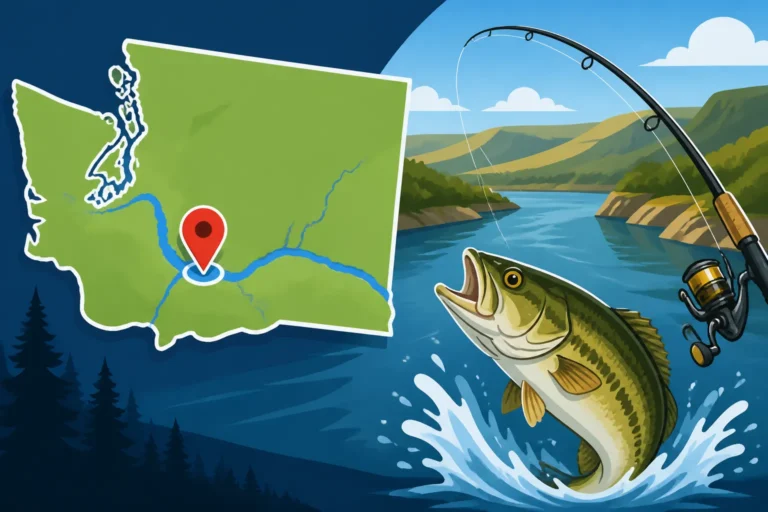
Ah, Buoy 10. Just hearing those words can send shivers of excitement, or perhaps a slight tremor of anxiety, down any salmon angler's spine. It's legendary, a true Mecca for Chinook and Coho on the Columbia River, but knowing where to drop your lines in such a vast and dynamic fishery can feel like trying to find a needle in a haystack. This guide is all about cutting through that confusion, helping you pinpoint the prime fishing locations within the iconic Buoy 10 area so you can spend less time guessing and more time reeling in those chrome beauties.
Understanding the Buoy 10 Fishery: More Than Just a Buoy
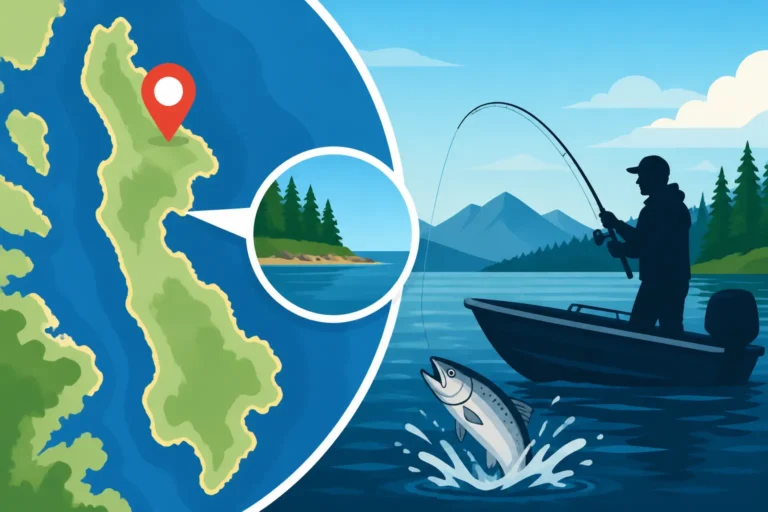
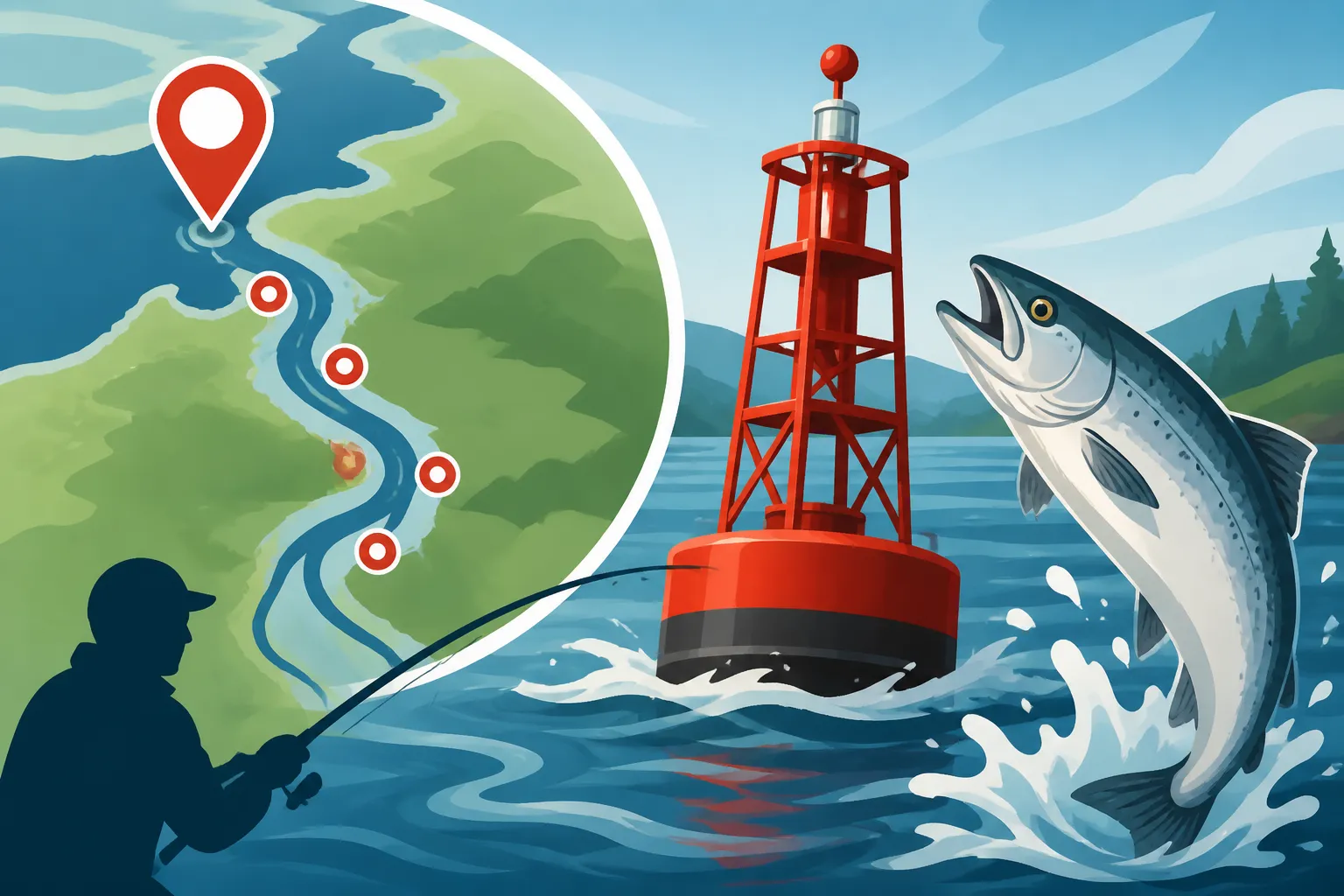
The "Buoy 10" fishery isn't just one physical buoy you anchor next to; it's a designated fishing area encompassing the lower 17 miles of the Columbia River, stretching from a line between Buoy 10 (at the river mouth) upriver to a line true east-west through the Tongue Point light. This section of the river is a crucial choke point for millions of salmon and steelhead migrating from the Pacific Ocean into the Columbia and its tributaries. It's an arena where fresh, chrome-bright fish pause, feed, and orient themselves before continuing their arduous journey upstream. The sheer volume of fish, coupled with its accessibility from both Washington and Oregon shores, makes it one of the most popular and often crowded fisheries in the Pacific Northwest.
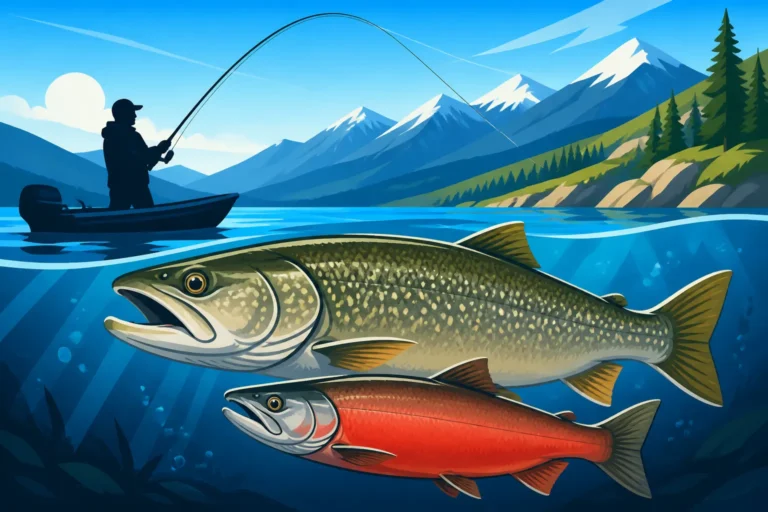
The primary target species here are Chinook (King) salmon and Coho (Silver) salmon. Both species arrive in waves, creating distinct peak seasons. Understanding these runs and the river's unique characteristics—like massive tidal influences, strong currents, and ever-shifting sandbars—is paramount to knowing where to focus your efforts. It's a place where the fish are often aggressive, fresh from the ocean, and ready to bite, making the reward well worth the effort of navigating its complexities.
Geographical Overview of Key Fishing Zones
The Buoy 10 area is effectively a funnel, narrowing from the wide-open Pacific into the mighty Columbia. This funnel effect, combined with the river's features, creates several distinct fishing zones, each with its own quirks and prime conditions. It's rarely a "one size fits all" situation; what works for Chinook in one spot on an incoming tide might be useless for Coho somewhere else on an outgoing tide.
The River Mouth and Jetties
When people picture Buoy 10, they often imagine fishing right where the river meets the ocean, and for good reason. The area immediately inside the jetties is a high-traffic corridor for migrating salmon.
- North and South Jetties: These massive rock structures are literal highways for salmon. The fish often hug the structure as they transition from the ocean into the river. Trolling parallel to the jetties, particularly on the outgoing tide when fish are trying to escape the river's current, can be incredibly effective. However, these areas can be exposed to ocean swells and powerful currents, making them challenging for less experienced boaters. Safety is paramount here; paying close attention to sea conditions and knowing your boat's capabilities is critical. The "bubble plume" area off the North Jetty is often a hotspot.
- The Breaker Line: Just inside Buoy 10 itself, where the ocean swell first encounters the river's outgoing current, a line of chaotic water often forms. This "breaker line" concentrates baitfish and, consequently, salmon. This can be one of the most exciting, yet dangerous, places to fish. It's where the freshest fish often stack up before deciding to commit to the river. Anglers will often troll back and forth along this line, especially during the tide change or the beginning of an outgoing tide.
The Sands and Channels
As you move further into the river, the landscape shifts from open water to a complex maze of sandbars, deeper channels, and current breaks. These areas often offer a bit more shelter from the ocean and can be incredibly productive, particularly on strong tidal flows.
- Desdemona Sands: This is arguably one of the most famous and productive areas within the Buoy 10 fishery, located on the Washington side of the river, roughly east of the North Jetty. Desdemona Sands is a vast, submerged sand flat with distinct channels and edges. Fish often stage on the edges of these sands, especially as the tide is changing or on the incoming tide, seeking refuge from strong currents or looking for bait. Anglers commonly troll along the edges of the Sands, particularly where it drops off into deeper water. Using a good chart plotter to identify these contours is a game-changer here.
- The Astoria Canyon/Deepwater Channel: This is the main shipping channel that runs through the Buoy 10 area, roughly on the Oregon side near Astoria. It's a deep trench that fish utilize, especially when trying to avoid the shallower, faster-moving water over the sands. Trolling with downriggers in this deeper water can be very effective, particularly for Chinook salmon that tend to hug the bottom. This area can get crowded, especially near the Astoria bridge, so good boat etiquette is essential. Many charter boats will focus on this main channel, leveraging their electronics to find bait balls and active fish.
- Pea Soup (North Channel): Located on the Washington side, further upriver from Desdemona Sands but still within the Buoy 10 boundary, the "Pea Soup" area refers to a shallower, often turbid section of the North Channel. This area can be excellent for Coho, which tend to prefer shallower water and are often found higher in the water column. Trolling smaller baits or spinners here can be very productive, especially on the top of the incoming tide and the beginning of the outgoing. It's a good place to look when the main channels are too crowded or if you're specifically targeting Coho.
The Docks and Shores
While Buoy 10 is predominantly a boat fishery, there are some limited opportunities for shore-based anglers, particularly for those looking to experience the periphery of the action or target different species.
- Ilwaco and Astoria Docks: While not directly in the "Buoy 10" salmon troll, the marinas at Ilwaco (Washington side) and Astoria (Oregon side) are the launching points for most fishing trips. Occasionally, anglers might find resident bottomfish or even a stray salmon from the docks, but these are not prime salmon spots. However, they are essential for understanding where to launch your boat and where many charters depart from. If you're looking for a guided trip, many excellent captains operate out of these ports, and using a service like FishingBooker can help you compare options.
- Chinook River/Baker Bay: On the Washington side, near Ilwaco, the Chinook River empties into Baker Bay, which is technically still within the Buoy 10 boundary. While less common for the main salmon push, these calmer waters can hold fish that have peeled off the main Columbia run. It's a place where you might find a bit more solitude and success, especially if the main river is too rough or crowded.
Key Factors Influencing Where to Fish
The dynamic nature of the Columbia River at Buoy 10 means that "where" you fish is heavily influenced by several constantly changing factors. Ignoring these can lead to a frustrating day.
Tides and Currents
The sheer volume of water moving in and out with the tides is the single most critical factor in the Buoy 10 fishery. This isn't just about high or low tide; it's about the direction and strength of the current.
- Incoming Tide (Flood Tide): As the ocean pushes water upstream, salmon tend to move with it, often holding in current breaks or along channel edges. This is often a great time to target fish further upriver within the Buoy 10 boundary, as new fish are constantly entering. Trolling against the current is common, allowing your gear to get down effectively. Many anglers find the last few hours of the incoming tide, just before slack, to be particularly productive.
- Outgoing Tide (Ebb Tide): When the river empties into the ocean, the currents can be incredibly strong. Fish often drop back with the current, or hold tightly to structure like the jetties or deeper channels to avoid being swept out. This is a prime time for targeting the mouth of the river and the jetties, as fish are concentrated. The early stages of the outgoing tide, as the water begins to pick up speed, can be fantastic.
- Slack Tide: The period of minimal current between incoming and outgoing tides. While brief, it can be a good time to move locations or try different presentations as the fish might be less active or scattered without a strong current to orient them. However, it's generally considered less productive than moving water.
Understanding the daily tide charts is non-negotiable for a successful Buoy 10 trip. Local tackle shops in Astoria or Ilwaco are great resources for up-to-the-minute tide and bar reports. You can also find detailed information about Best Tide for Puget Sound Salmon Fishing in Washington which shares similar principles for current-oriented fisheries.
Target Species
Knowing whether you're primarily after Chinook or Coho will also dictate your preferred fishing grounds and techniques.
- Chinook (King Salmon): These powerful fish tend to hug the bottom and prefer deeper water, especially in the main channels or along the edges of major sandbars. They are often targeted with larger baits, flashers, and heavier gear. Areas like the Astoria Canyon, the deeper edges of Desdemona Sands, and the main shipping channel are prime Chinook territory. You can learn more about Chinook Salmon: Washington's King of Fish to deepen your understanding.
- Coho (Silver Salmon): Coho are often found higher in the water column, frequently in shallower, more turbid water. They are typically more aggressive and respond well to faster presentations, smaller spoons, and spinners. The "Pea Soup" area, shallower sections of Desdemona Sands, and even around the jetties when they are actively feeding are good Coho spots. Information on Coho Salmon Fishing in Washington can further enhance your Coho strategy.
Bait and Forage
Like all predators, salmon go where the food is. The presence of baitfish, such as anchovies and herring, is a huge draw for migrating salmon.
- Bait Balls: Keep an eye on your fish finder for schools of baitfish. Where there's bait, there are usually salmon. These bait balls often congregate in current seams, eddies, or along transition lines. If you find a dense school of bait, stick with that area.
- Seabirds: Gulls, terns, and other seabirds diving or congregating on the water often indicate the presence of baitfish near the surface. While not always directly where the salmon are, it's a good indicator of a productive area.
Navigating the Buoy 10 Waters
The Buoy 10 fishery is incredibly popular, especially during peak season in August. This means navigating not just the river's challenges, but also the crowds.
Boat Ramps and Access
Most anglers accessing Buoy 10 do so by boat.
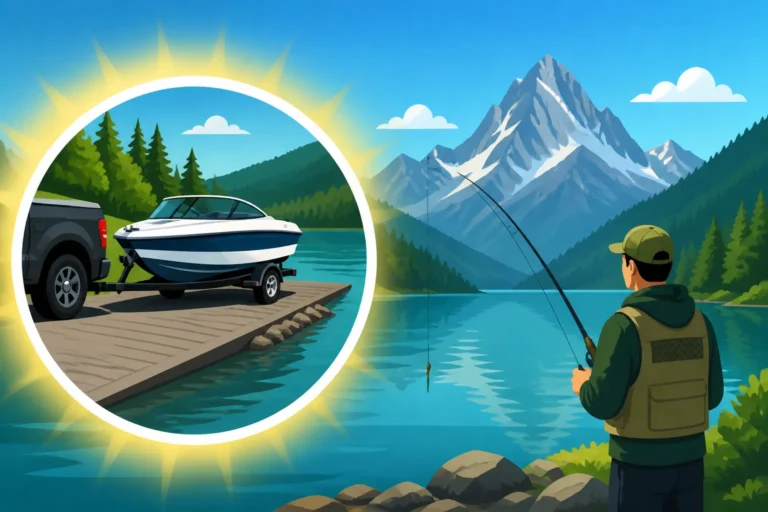
- Ilwaco, Washington: On the north side, Ilwaco offers excellent public boat launches and is generally a bit less congested than the Astoria side. It provides quick access to the North Jetty, Desdemona Sands, and the North Channel.
- Astoria, Oregon: On the south side, Astoria has multiple public and private launches. It offers direct access to the South Jetty, the Astoria Canyon, and the main shipping channel.
- Hammond, Oregon: Another popular option on the Oregon side, just west of Astoria, offering additional launching facilities.
Booking a spot early at popular ramps, especially on busy weekend mornings, is often a smart move. When planning a trip, consider where the closest launch is to your intended fishing zone.
Safety and Local Knowledge
The Columbia River bar is infamous for its treacherous conditions, and even inside Buoy 10, the currents can be incredibly powerful.
- Marine Forecasts: Always, always check the marine forecast before heading out, paying close attention to bar conditions and wind. NOAA provides detailed forecasts for the Columbia River Bar.
- Boat Etiquette: With hundreds of boats often in a relatively small area, good boating etiquette is crucial. Maintain a safe distance, be predictable in your movements, and respect other anglers. Communication is key, and if you're not sure, hold back.
- Local Charters and Guides: If it's your first time, or if you want to maximize your chances, booking a guided trip is highly recommended. Experienced guides not only know exactly Where to Fish Buoy 10 on the Columbia at any given time, but they also prioritize safety and teach you the ropes. Many reputable guides can be found and booked through platforms like FishingBooker, which can help you compare options and read reviews.
Planning Your Buoy 10 Trip
Successfully fishing Buoy 10 requires more than just showing up. A well-thought-out plan, factoring in current conditions and seasonal patterns, will significantly increase your odds.
Timing Your Visit
The Buoy 10 fishery primarily targets Chinook and Coho salmon.
- Chinook Peak: Mid-August through early September is typically prime time for Chinook. These fish are large, powerful, and a major draw.
- Coho Peak: Late August through September often sees the largest pushes of Coho, with good numbers often available well into October, depending on run strength and regulations.
- Regulations: Seasons and bag limits can change rapidly due to emergency rule changes. It is absolutely vital to check the latest Washington Department of Fish and Wildlife (WDFW) regulations before every trip. You can learn about Washington Sport Fishing Seasons and Emergency Closures to understand how these dynamics play out.
Here's a quick overview of typical target species and conditions:
| Zone/Area | Primary Target Species | Ideal Tide | Key Considerations |
|---|---|---|---|
| River Mouth/Jetties | Chinook, Coho | Outgoing | Can be rough, strong currents, deepest ocean-fresh fish |
| Desdemona Sands Edges | Chinook, Coho | Incoming | Current breaks, often crowded, excellent holding water |
| Astoria Canyon | Chinook | Incoming | Deepwater trolling, main channel, good for bigger kings |
| Pea Soup (North Chan) | Coho | Incoming | Shallower, turbid water, aggressive Coho action |
Essential Gear and Techniques
The "where" is only part of the equation; the "how" also matters.
- Rods and Reels: Heavy-duty salmon rods (8-10.5 ft, medium-heavy to heavy action) paired with level-wind reels spooled with 30-50 lb braided line are standard.
- Terminal Tackle: You'll need a variety of flashers (e.g., Pro-Troll, Shortbus), leaders (30-60 lb fluorocarbon), and bait setups (herring, anchovies) or artificial lures (spoons, spinners). Lead weights from 8-20 ounces are common due to the strong currents.
- Trolling: The primary technique is trolling, either with the current or against it, depending on the tide and specific location. Downriggers are invaluable for precise depth control, especially in the deeper channels. Learning more about Trolling for Salmon in Washington's Puget Sound can give you an edge, as many of the principles translate.
- Electronics: A good GPS/chart plotter and a reliable fish finder are indispensable. They help you stay in the right depth, identify productive contours, and locate bait and fish.
Remember, every angler over the age of 14 needs a valid Washington fishing license, and often a Columbia River Salmon and Steelhead Endorsement, which you can read more about in Washington's Columbia River Salmon and Steelhead Endorsement, Explained. Also, a Catch Record Card is mandatory for all salmon and steelhead. Knowing When a Catch Record Card Is Required in Washington is critical.
Buoy 10 is an experience every Washington angler should have at least once. It’s a fishery that truly tests your skills, patience, and knowledge of the river. With the right preparation and understanding of its unique zones, you’re well on your way to a memorable and successful trip.
Disclaimer
Fishing regulations, seasons, and access can change. Always consult the latest Washington Department of Fish and Wildlife (WDFW) regulations and local marine forecasts before planning any fishing trip. The information provided here is for general guidance and informational purposes only.