Washington Sport Fishing Seasons and Emergency Closures
Few things are as frustrating as planning a much-anticipated fishing trip to Washington, only to discover the season for your target species is closed, or worse, has changed entirely since you last checked. It can feel like playing a game with ever-shifting rules, leaving you scrambling for up-to-date information. This comprehensive guide is here to unravel the complexities of Washington's sport fishing seasons and demystify those often confusing emergency closures, helping you fish with confidence and stay on the right side of the regulations.
Understanding Washington's Standard Fishing Seasons
When you first dive into Washington fishing, you’ll quickly realize that "fishing season" isn't a single, uniform concept. Instead, it's a tapestry woven with different threads for each species, each body of water, and even different sections of the same river or marine area. It's not like a single deer hunting season across the state; it's far more nuanced and, frankly, can be a bit overwhelming at first glance.
Annual Seasons for Freshwater and Saltwater Fisheries
The Washington Department of Fish and Wildlife (WDFW) establishes general fishing seasons that typically span a calendar year, though many freshwater trout seasons, for example, run from late spring into fall, while salmon and steelhead seasons might extend through winter and into early spring, or open only for specific windows. For freshwater, you'll find designated openings for lakes and rivers for various trout species, often starting on the last Saturday in April. These general openings are usually quite predictable year to year. However, don't confuse general trout regulations for specific, highly managed fisheries like those for salmon or steelhead.
Saltwater seasons, particularly for popular species like salmon and halibut, are structured differently. These are often divided by "Marine Areas," which are geographical zones along the coast and throughout Puget Sound. Each marine area might have its own unique opening and closing dates for Chinook, Coho, or other salmon species, and these can change dramatically from year to year based on forecasts and in-season updates. Halibut seasons are notorious for their short, tightly regulated openings, often just a few days or weekends a year, and are highly dependent on quota attainment and weather. This compartmentalization is a critical aspect of managing fish stocks sustainably, but it does place the burden on the angler to know their exact location and the rules that apply there.
The Calendar Year vs. License Year
It's really important to distinguish between the fishing license validity period and the actual fishing seasons. A Washington fishing license is valid for a full year from April 1st through March 31st of the following year. So, if you buy your license in July, it's good until March 31st of the next year. However, this doesn't mean all fishing is open during that entire license period. The fishing seasons themselves — when you can actually fish for a particular species in a specific location — are defined by separate regulations.
Imagine you've got your shiny new license ready to go in October, hoping for some spring Chinook action on the Columbia. Even though your license is valid, the season for spring Chinook might not open until April or May of the next calendar year, long after you purchased your license. This distinction can trip up new anglers, leading to frustration if they don't grasp that having a license is just one piece of the puzzle; knowing when and where to fish is the other, equally vital, part. Always remember that your license allows you to fish when and where permitted by regulations, not simply any time you hold it.
Specific Area Regulations: Marine Areas and River Sections
Washington's diverse geography means that regulations are hyper-local. A general statewide rule is rare; instead, you'll encounter a mosaic of rules for different waters. For saltwater, the Marine Areas are key. For instance, Marine Area 9 for Salmon Fishing, Explained covers a significant portion of Puget Sound, but its rules might be vastly different from Marine Area 6 for Salmon Fishing, Explained, which is closer to the San Juan Islands. These areas have different salmon run timings, different impacts from urban development, and thus different management strategies.
Rivers are even more intricate. A river like the Skagit River and Its Winter Steelhead Run might have one set of rules for its lower sections, different rules upstream of a specific bridge or tributary, and even sections that are completely closed or designated for specific gear types, like fly-fishing only. You might find a section open for retention of hatchery steelhead, while just a few miles upstream, it's strictly catch-and-release, or even closed to all steelhead fishing. These boundaries are often marked by specific landmarks, bridges, or confluence points, and it's your responsibility to know them. Ignorance of these highly localized rules is not an excuse, and wardens are out there enforcing them to protect vulnerable fish stocks.
Why Seasons Aren't Always Set in Stone: Emergency Rule Changes
One of the most challenging aspects of fishing in Washington is the dynamic nature of its seasons. Unlike some states where rules are published once a year and largely remain static, Washington's fishing regulations can, and often do, change mid-season. This isn't done to annoy anglers; it's a critical tool for managing fisheries in real-time, responding to biological realities that are often unpredictable.
Triggers for In-Season Adjustments
Emergency rule changes are triggered by a variety of factors, primarily centered around conservation and meeting fishery management objectives. The most common trigger is when actual fish returns — be it salmon, steelhead, or even halibut — are significantly different from the pre-season forecasts. If a run comes in much weaker than expected, WDFW might implement closures or restrictive changes (e.g., barbless hook requirements, bait bans, or catch-and-release only) to ensure enough fish make it to the spawning grounds. Conversely, if a run is exceptionally strong, they might open up additional days or increase bag limits, though this is less common and often still met with caution.
Other triggers include environmental conditions like low water flows, high water temperatures, or disease outbreaks, which can stress fish and necessitate closures to protect them. Political agreements, particularly those involving tribal co-managers or interstate compacts (like with Oregon on the Columbia River), can also lead to sudden adjustments. It's a complex balancing act, and every decision is weighed against the health of the fish stocks, treaty obligations, and recreational opportunity. This is why understanding Emergency Rule Changes: Why Washington's Rules Shift Mid-Season is so important for any angler.
How Emergency Rules Are Implemented and Communicated
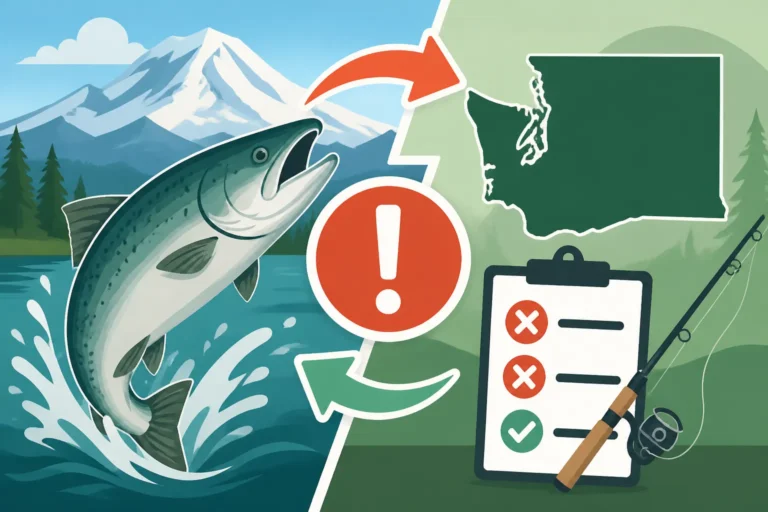
When an emergency rule change is necessary, the WDFW acts quickly to implement it. These changes are published as "Emergency Rules" on their official website. They clearly state the specific water body or marine area, the species affected, the new dates or regulations, and the effective date. What's crucial to understand is that these rules supersede any information printed in the annual regulation pamphlet. So, even if your physical pamphlet says a certain area is open, an emergency rule change could close it or alter the rules.
Communication of these changes is paramount. WDFW utilizes several channels:
- WDFW Website: The most official and up-to-date source. They have a dedicated "Emergency Rule Changes" page.
- Email Alerts: You can sign up for WDFW email notifications to receive alerts directly to your inbox. This is a highly recommended tool for active anglers.
- Local Media: Sometimes, major changes are picked up by local news outlets or fishing forums.
- Signs at Access Points: While not always immediate, sometimes signs will be posted at popular boat launches or river access points, though relying solely on this is risky.
- The Fish Washington App: This mobile application is an excellent resource for checking current regulations on the go. You can download it to your smartphone and often get real-time updates.
It's truly the angler's responsibility to check for these changes before every single trip. A quick check the night before, or even the morning of your outing, can save you from a violation or a wasted trip. For example, if you're heading to the Cowlitz River for Steelhead and Salmon in Washington, you'd want to check the WDFW site to ensure no unexpected closures have been enacted, as this river is known for its dynamic fisheries.
The Role of Test Fisheries and Forecasts
Fishery management in Washington relies heavily on science, and a significant part of that science involves test fisheries and pre-season forecasts. Before a salmon or steelhead run even begins, biologists make projections about how many fish are expected to return. These forecasts are based on historical data, ocean conditions, prior spawning success, and more. They inform the initial setting of seasons and bag limits in the annual regulation pamphlet.
However, forecasts are just that — forecasts. As the fish begin to return to the rivers and coastal areas, WDFW and tribal co-managers deploy "test fisheries." These are carefully controlled fishing efforts designed to catch a small, representative sample of the returning fish. By analyzing these samples, biologists can determine the actual size of the run and its composition (e.g., hatchery vs. wild fish, age, sex ratio). If the test fishery data shows the run is coming in weaker than forecast, it directly leads to the decision to implement emergency closures or restrictions to ensure conservation goals are met. Conversely, if the run is stronger, it might lead to more liberal openings. This constant monitoring and adjustment, explained in more detail in Test Fishery Counts and How They Drive Salmon Openings, is how WDFW strives to balance fishing opportunity with the long-term health of the fish populations.
Decoding the Washington Sport Fishing Regulations Pamphlet for Seasonal Info
The annual Washington Sport Fishing Regulations pamphlet is your bible for fishing in the state. While it can look like a daunting document at first glance, learning how to navigate it is absolutely essential for understanding seasons and avoiding violations. It’s far more than just a list of dates; it’s a legal document that every angler needs to comprehend.
Navigating the Printed Guide: Sections and Symbols
The pamphlet is organized into several key sections, usually starting with general statewide rules, followed by detailed regulations for freshwater and then saltwater. Within these sections, waters are typically listed alphabetically or by geographical region (e.g., Puget Sound Marine Areas, Columbia River tributaries). Each listing for a specific lake, river, or marine area will include details such as:
- Species: Which fish are present and managed in that water.
- Season Dates: The legal open and closed periods. These are crucial.
- Bag Limits: How many fish of a particular species you can keep per day.
- Size Limits: Minimum or maximum lengths for retention.
- Gear Restrictions: What kind of tackle you can use (e.g., Barbless Hook Requirements on Washington Rivers, no bait, artificial lures only, fly-fishing only).
- Other Rules: Special restrictions like retention of hatchery fish only, or specific release rules for wild fish.
Pay close attention to the symbols and abbreviations used throughout the pamphlet. WDFW uses a standardized system (e.g., "C&R" for Catch and Release, "H" for Hatchery, "W" for Wild, specific symbols for bait restrictions). There's usually a legend at the beginning of the pamphlet that explains these symbols. Taking the time to read this legend thoroughly will make the rest of the pamphlet much clearer. You might even want to grab a waterproof copy of the regulations, or a robust rain suit from Amazon, just in case conditions shift unexpectedly.
Understanding Special Rules and Exceptions
It's easy to look at the general season dates and think you've got it all figured out, but Washington's regulations are riddled with special rules and exceptions that can easily trip you up. These exceptions often apply to specific segments of rivers, specific species, or certain times of the year. For example, a river might be open for hatchery steelhead retention from December through February, but then switch to catch-and-release only for wild steelhead in March, and then close entirely by April.
Another common exception involves gear. You might find a section of river that permits bait during one part of the year but then imposes a Washington Bait Bans and When They Apply rule during another, often to protect wild fish that are easily injured by bait. Similarly, single-point barbless hooks might be required in certain areas to minimize harm to released fish. Always look for footnotes or specific clauses pertaining to the water you intend to fish. These details are critical, and overlooking them can lead to a violation, even if you thought you were following the "general" rules.
Where to Find Current Regulations: Online and App Resources
While the printed pamphlet is comprehensive, it's a snapshot in time. As we discussed, emergency rule changes happen. Therefore, relying solely on a printed copy is a recipe for trouble. The most current and authoritative source for Washington fishing regulations is the WDFW website. Specifically, their "Sport Fishing Rules" section and the "Emergency Rules" page are essential bookmarks for any angler. You can find out Where Washington Posts Fishing Rule Changes there.
Furthermore, the MyWDFW App is a game-changer for many anglers. It provides access to the full regulation pamphlet, allows you to check for emergency rule changes in real-time, and even acts as an electronic Catch Record Card for some species. This means you can quickly verify rules on the water, reducing the chance of accidental non-compliance. While having a physical copy for reference is good, especially for planning, your phone and the WDFW website should be your primary sources for day-of or day-before verification. When you're standing on the bank of the Kalama River in Washington for Spring Chinook, a quick glance at your app can confirm whether bait is currently allowed or if any new size restrictions are in place.
Key Species and Their Typical Seasonal Windows
Washington State offers an incredible diversity of fishing opportunities, from anadromous salmon and steelhead to resident trout, bass, and bottomfish. Each species has its own typical seasonal windows, though these are always subject to the dynamic factors we've already discussed. Knowing these general timelines helps in planning your trips.
Salmon Species: Chinook, Coho, Chum, Sockeye, Pink
Salmon fishing is the pinnacle for many Washington anglers, and understanding their runs is key.
- Chinook Salmon (King Salmon): These are the largest and most sought-after salmon. Their runs are complex, with spring, summer, and fall Chinook. Spring Chinook are typically targeted on rivers like the Columbia and its tributaries (e.g., Cowlitz, Kalama, Lewis) from April through June. Summer Chinook hit Puget Sound in July and August, while Fall Chinook are widespread in coastal rivers, the Columbia, and Puget Sound from August through October. Best Time to Fish for Chinook in Washington's Puget Sound often revolves around late summer.
- Coho Salmon (Silver Salmon): Known for their acrobatic fights. Coho typically return later in the summer and into fall. Puget Sound and coastal rivers see strong Coho runs from late August through October. You can find detailed information on When Coho Salmon Run in Washington.
- Chum Salmon (Dog Salmon): Often overlooked but provide great action, especially in rivers. Chum usually show up in late fall, primarily November and December, in many Puget Sound rivers and Hood Canal.
- Sockeye Salmon: Famous for their bright red spawning colors. The most prominent fishery is the Baker Lake Sockeye Salmon Fishery in Washington, which typically runs in July. This is a highly managed, short season often requiring a permit.
- Pink Salmon (Humpback Salmon): These are Washington's "odd-year" salmon, meaning they primarily return in large numbers during odd-numbered years (e.g., 2023, 2025). They show up in Puget Sound and coastal rivers from late July through September.
Steelhead: Winter and Summer Runs
Steelhead, Washington's ocean-run rainbow trout, are legendary. They are divided into two main categories based on when they return from the ocean:
- Winter Steelhead: These fish enter freshwater rivers from late fall through spring (November to April), with peak fishing often in January and February. Rivers on the Olympic Peninsula (like the Sol Duc River for Wild Steelhead in Washington) and many Puget Sound tributaries are famous for their winter steelhead runs. These are often hearty, powerful fish.
- Summer Steelhead: These fish enter rivers in late spring and summer (May to October) and often hold in rivers for months before spawning in the spring. Rivers like the Yakima River Fly Fishing for Wild Trout in Washington and the mainstem Columbia tributaries are known for their summer steelhead. Summer fish tend to be smaller but incredibly acrobatic.
Fishing for steelhead often involves specific gear restrictions and catch-and-release rules, especially for wild fish, as seen in Wild Steelhead Release Rules on Washington's Olympic Peninsula Rivers.
Trout, Bottomfish, Halibut, and Other Species
Beyond salmon and steelhead, Washington offers a plethora of other species with their own seasonal nuances:
- Trout (Rainbow, Cutthroat, Brown, Brook, Kokanee): Lake trout seasons often open on the last Saturday in April and remain open through the fall. Rivers can have more varied seasons. High-mountain lakes for Brook Trout might only be accessible in summer due to snow. Kokanee: Washington's Landlocked Sockeye are targeted in specific lakes, often in spring and summer.
- Bottomfish (Lingcod, Rockfish): Lingcod seasons are typically spring, often opening in March or April and lasting through June, but this can vary by marine area. Rockfish seasons are generally open year-round, but specific species may have deeper depth restrictions or be entirely prohibited from retention due to conservation concerns. Lingcod: Washington's Toothy Bottomfish are a popular target.
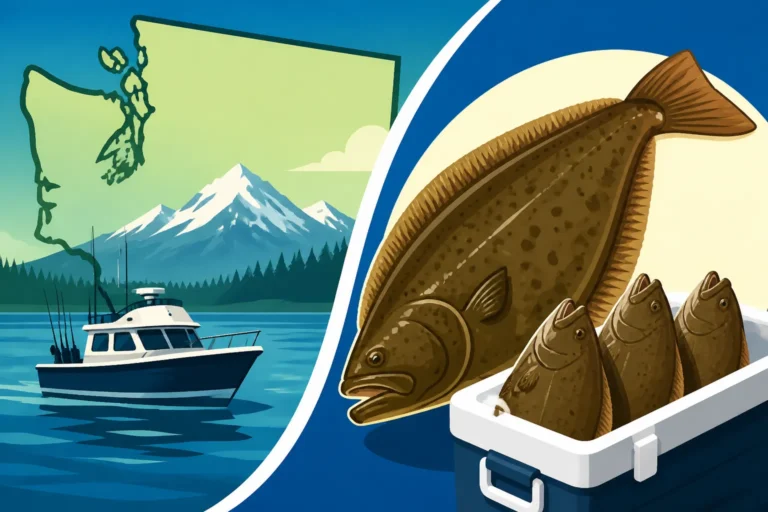
- Halibut: These are highly prized and highly regulated. Washington Halibut Fishing Techniques for the Washington Coast are concentrated into a few specific days each spring and summer (often May, June, July), announced well in advance but subject to in-season changes. These are typically short, intense fisheries, and booking a charter is often the best way to get on the fish during these limited windows.
- Warmwater Species (Bass, Walleye, Crappie): Lakes and rivers in Eastern Washington, particularly the Columbia and Snake Rivers, offer excellent fishing for species like Smallmouth Bass on Washington's Columbia and Snake Rivers and Walleye Fishing on Washington's Columbia River. These fisheries are generally open year-round, but peak action is typically in warmer months, from spring through fall.
How to Stay Updated on Real-Time Closures and Openings
The key to successful and legal fishing in Washington isn't just knowing the annual regulations; it's staying constantly informed about the inevitable in-season changes. This active approach is what separates frustrated anglers from those consistently finding open water.
WDFW Website: The Ultimate Source
There is no substitute for the official Washington Department of Fish and Wildlife website. This is the ultimate authority for all fishing regulations, especially emergency rule changes.
- Emergency Rules Page: Bookmark
wdfw.wa.gov/fishing/regulations/emergency-rules. This page lists all active emergency rules, sorted by date, and clearly indicates which waters are affected and what the specific changes are. It's the first place you should check before any fishing trip. - Sport Fishing Rules Pamphlet: While a printed copy is good, the online version is always the most up-to-date baseline. Access it from the WDFW site and familiarize yourself with the structure.
- News Releases: WDFW also publishes news releases about significant fishery changes or upcoming seasons. These often provide more context and background than the bare-bones emergency rules.
I can't stress this enough: check the WDFW website every single time you plan to go fishing, even if it's a spot you've fished a hundred times. Rules can change overnight, literally. It is your responsibility as an angler to be informed.
Subscribing to WDFW Email Alerts and Using the Fish Washington App
To make staying updated easier, WDFW offers several excellent tools:
- Email Subscription Service: Sign up for WDFW's email alerts. You can customize your subscriptions to receive notifications for specific regions (e.g., Puget Sound, Columbia River, Coastal) or specific topics (e.g., salmon, steelhead, halibut). This is an incredibly convenient way to get real-time updates pushed directly to your inbox. It acts as a proactive warning system for closures or openings.
- Fish Washington App: This free mobile app (available on both Apple App Store and Google Play) is a must-have for any serious angler in Washington. Not only does it provide a digital version of the regulation pamphlet, but it also integrates real-time emergency rule changes. You can search by location or species and quickly see the current rules. Some areas even support electronic catch reporting through the app, though you should always confirm if your target species is eligible. This app truly brings all the crucial information directly to your fingertips on the water.
While these tools are fantastic, remember that cell service isn't guaranteed in all remote fishing locations. Always check before you leave home, and consider taking screenshots of the relevant regulations if you anticipate being out of service.
Other Reliable Information Sources
While the WDFW website and app are primary, other sources can supplement your information gathering:
- Local Tackle Shops: These are goldmines of local knowledge. Shop owners and staff are often passionate anglers themselves and keep a close eye on local regulations and emergency changes. They can provide insights into current fishing conditions, popular gear, and often have printouts of recent emergency rules. Shops like Bob's Sporting Goods or Three Rivers Marine & Tackle are great resources, but even smaller, independent shops offer a wealth of information.
- Reputable Fishing Forums and Social Media Groups: Online communities focused on Washington fishing can be incredibly active, with anglers sharing real-time observations and discussing rule changes. While these can be great for anecdotal evidence and current conditions, always cross-reference any regulation information you find online with the official WDFW sources. Misinformation can spread quickly, and you don't want to get a ticket because of a rumor on a forum.
- Fishing Guides and Charters: Professional guides and charter captains make it their business to be intimately familiar with every nuanced regulation and emergency change. If you're going on a guided trip, your guide will have the latest information. Many guides also post updates on their social media or websites.
Remember, the responsibility to know the rules ultimately rests with you, the angler. These tools are there to help you fulfill that responsibility.
Planning Your Trip Around Washington's Dynamic Seasons
Fishing in Washington requires a flexible mindset. While you can plan for general seasons, being prepared for changes and having backup plans will significantly reduce frustration and increase your chances of a successful and legal outing.
Strategies for Navigating Fluctuating Openings
The biggest strategy for dealing with dynamic seasons is embracing flexibility. Don't set your heart on one specific day or one specific species months in advance, especially for highly regulated fisheries like halibut or specific salmon runs. Instead, aim for broader timeframes. For example, rather than planning for "July 15th for Chinook in Marine Area 9," think "mid-July through August for Puget Sound salmon, keeping an eye on Marine Area 9, 10, or 11." This allows you to pivot if one area closes or another opens unexpectedly.
Another strategy is to diversify your targets. If your primary goal is salmon, but the Chinook season closes, are there Coho or Pink salmon available in nearby waters? Can you switch to bottomfishing for lingcod or rockfish, which often have more stable seasons? Having a secondary plan ensures that even if your primary target is off-limits, you still have a viable fishing opportunity. This often means carrying a more diverse tackle box or having information readily available for multiple species and locations.
The Importance of Backup Plans and Research
A solid backup plan is your best friend in Washington fishing. Before you leave home, research not just your primary spot but also a few alternative locations or species.
- Geographic Alternatives: If your favorite stretch of the Olympic Peninsula Rivers for Steelhead is closed, is there another river nearby with different regulations or an open hatchery retention zone? The Hoh River's Winter Steelhead Season or the Quillayute River System in Washington might offer different options.
- Species Alternatives: If salmon seasons are looking bleak, what about targeting resident trout in lakes, or exploring the opportunities for Walleye Fishing on Washington's Columbia River? Having a variety of fishing interests will make you a more adaptable angler.
- Gear Alternatives: Sometimes a closure on one gear type (e.g., bait ban) means you need to switch to another (e.g., artificial lures only). Ensure your tackle box is versatile enough to accommodate such changes. You can often find a good selection of various lures, bait, and tackle on Amazon that might prove useful for unforeseen changes.
Thorough research also involves checking water conditions. While not directly a season closure, high, muddy water from heavy rains can make fishing impractical, even if the season is technically open. Conversely, low, clear water might call for different techniques or trigger specific depth restrictions. Websites like the USGS provide real-time river flow data, and many fishing forums offer current river clarity reports.
Best Time to Plan for Specific Fisheries
While rules are dynamic, there are typical windows when specific fisheries are most likely to be open and productive.
- Spring Chinook: Generally April to June on the Columbia and its tributaries.
- Puget Sound Salmon: Summer Coho (July-Sept) and Fall Chinook (Aug-Oct) are common targets, with Pink Salmon in odd years during summer.
- Halibut: Usually a few specific days in May, June, and July, primarily on the Washington coast. Book charters well in advance.
- Winter Steelhead: December through March on coastal and Puget Sound rivers.
- Summer Steelhead: May through October on specific rivers like the Yakima.
- Lake Trout: Last Saturday in April through fall for many lowland lakes, higher elevation lakes later in summer.
- Lingcod: Spring (March-June) in marine areas, varying by location.
Use these general timelines as a starting point, but always, always, confirm current rules before you go. This proactive approach will save you heartache and ensure your fishing memories are good ones.
Common Misconceptions About Washington Fishing Seasons
Even experienced anglers can sometimes fall prey to common misconceptions about Washington's fishing seasons and regulations. These misunderstandings can easily lead to violations or missed opportunities. Let's clear up some of the most persistent ones.
"If It's Open for One Species, It's Open for All"
This is perhaps one of the most dangerous misconceptions, particularly in Washington's complex multi-species fisheries. Many rivers and marine areas might be open for one species (e.g., trout) while being completely closed for another (e.g., salmon or steelhead). You might be legally fishing for hatchery trout in a river, but if you accidentally hook a wild steelhead during a closed wild steelhead season, you must immediately release it unharmed. Keeping it, even if you thought you were "just trout fishing," could lead to a significant fine.
Furthermore, within salmon species, it's common for different regulations to apply. A marine area might be open for Coho but closed for Chinook, or have different size and bag limits. The same goes for bottomfish, where you might be able to keep Lingcod but have to release specific Rockfish Species Along the Washington Coast. It's not enough to know the water is "open"; you need to know what it's open for and under what conditions.
"The Rules in My Printed Pamphlet Are Always Current"
We’ve touched on this, but it bears repeating because it's such a common pitfall. The annual printed Washington Sport Fishing Regulations pamphlet is a fantastic resource, but it's a snapshot in time when it goes to print. It reflects the planned seasons at that moment. However, as we know, forecasts can be wrong, and environmental conditions can change.
This is precisely why WDFW has the "Emergency Rule Changes" system. These in-season adjustments always supersede the printed pamphlet. If you bought your pamphlet in April, and it's now August, there's a very high chance that some rules have changed since it was printed. Always consider the printed pamphlet as a baseline, and the WDFW website or Fish Washington app as your source of truth for the most current regulations. This is vital for any angler, resident or nonresident, to understand.
"If There's a Public Access Point, Fishing Must Be Legal There"
Just because you can access a river or shoreline doesn't automatically mean that fishing is permitted or that the season is open. Public access points are exactly that — access points. They are not blanket permissions to fish for anything, anywhere, anytime. Many stretches of river might be closed to fishing entirely, or specific to catch-and-release only, even if there's a popular WDFW boat launch or bank access nearby.
For example, a river might have a large public park with river access, but the specific section of the river running through that park could be a designated fish sanctuary, a tribal fishing zone with different regulations, or simply closed to protect sensitive spawning areas. Always check the specific regulations for the precise river mile or marine area you intend to fish, rather than assuming accessibility implies legality. You might find different rules apply for Fishing From Boats vs Banks, even in the same location.
Impact of Conservation Efforts on Fishing Seasons
The complex and often changing nature of Washington's fishing seasons is a direct reflection of intense conservation efforts. The goal of fishery management is to ensure healthy, sustainable fish populations for future generations, and that often means making difficult decisions in the present.
Balancing Opportunity and Resource Protection
Fishery managers at WDFW, along with tribal co-managers and federal agencies, are constantly engaged in a delicate balancing act: providing recreational and commercial fishing opportunities while protecting and recovering fish stocks. This balance is especially critical for anadromous species like salmon and steelhead, which spend parts of their lives in the ocean and freshwater. They face pressures from habitat loss, damming, pollution, climate change, and predation, in addition to fishing.
When a pre-season forecast indicates a lower-than-average return for a specific stock, managers often err on the side of caution. This might mean shorter seasons, reduced bag limits, or even complete closures to ensure that enough fish escape to spawn and perpetuate the population. While these restrictions can be frustrating for anglers eager to hit the water, they are a necessary part of the long-term commitment to conservation. Sometimes, even the presence of a healthy hatchery run might be curtailed if a wild run in the same area is struggling, to avoid incidental catch of the vulnerable wild fish.
The Role of Hatchery vs. Wild Fish Management
A significant aspect of Washington's conservation strategy, particularly for salmon and steelhead, revolves around the distinction between hatchery-origin and wild-origin fish. Hatchery fish are marked (most commonly with a clipped adipose fin, as explained in What a Clipped Adipose Fin Means) and are often the primary target for recreational anglers. This is because hatchery programs are designed to supplement fish populations and provide fishing opportunities, with the understanding that these fish contribute less to natural spawning success than wild fish.
Wild fish, on the other hand, are the backbone of natural reproduction and genetic diversity. They are often protected with more stringent regulations, such as catch-and-release only rules, or even complete closures in areas where wild populations are particularly vulnerable. The Washington Sport Fishing Regulations Pamphlet explicitly details these distinctions. For example, a river might be open for retention of "hatchery steelhead only," meaning any wild steelhead (with an intact adipose fin) must be immediately released. This two-tiered management approach allows for some fishing opportunity while heavily protecting the natural spawning populations. Understanding How to Tell Wild Steelhead From Hatchery Steelhead is a fundamental skill for any angler in Washington.
Future Outlook and Angler Responsibility
The future of Washington fishing seasons will continue to be shaped by conservation needs and adaptive management. As environmental conditions change and fish populations fluctuate, flexibility in regulations will remain the norm, not the exception. Anglers can expect to see continued emphasis on selective fishing practices (e.g., barbless hooks, specific gear types) and real-time management.
Ultimately, every angler plays a crucial role in these conservation efforts. Adhering to regulations, knowing your limits, and properly releasing wild or non-target fish are not just legal requirements; they are ethical responsibilities. Supporting organizations involved in habitat restoration, participating in WDFW public meetings, and reporting violations are all ways anglers can contribute to the long-term health of Washington's incredible fisheries. By staying informed and acting responsibly, we can help ensure that the thrill of catching a salmon or steelhead in Washington remains a possibility for generations to come.
Typical Washington Fishing Seasons Summary
To help you get a quick overview of when various popular species are typically available in Washington waters, here's a general summary. Remember, these are typical seasons and are subject to change via emergency rule updates. Always consult the official WDFW website for the most current regulations before you head out!
| Species | Primary Season(s) (Typical) | Key Areas | Notes |
|---|---|---|---|
| Chinook Salmon | Spring: Apr-June | Columbia River & Tributaries (Cowlitz, Kalama) | Spring runs are highly anticipated. |
| Summer: July-Aug | Puget Sound (Marine Area 9, 10, 11) | "Blackmouth" are resident Chinook available year-round. | |
| Fall: Aug-Oct | Coastal Rivers, Columbia River, Puget Sound | Widespread, major fisheries. | |
| Coho Salmon | Late Aug-Oct | Puget Sound, Coastal Rivers | Known for acrobatics, strong fall runs. |
| Chum Salmon | Nov-Dec | Puget Sound Rivers, Hood Canal | Later fall run, provides good river action. |
| Sockeye Salmon | July | Baker Lake | Highly managed, often requires a permit, short window. |
| Pink Salmon | Odd Years: July-Sept | Puget Sound, Coastal Rivers | Abundant in odd-numbered years. |
| Winter Steelhead | Dec-Apr | Olympic Peninsula Rivers, Puget Sound Rivers | Peak Jan-Feb, often C&R for wild fish. |
| Summer Steelhead | May-Oct | Yakima River, Columbia River & Tributaries | Enter rivers in summer, spawn in spring. |
| Rainbow Trout | Lowland Lakes: Last Sat Apr-Oct | Many state-stocked lakes | Rivers vary, often open spring-fall. |
| Cutthroat Trout | Varies by Water | Coastal Rivers, Puget Sound Tributaries, Lakes | Sea-run cutthroat in marine areas and lower rivers. |
| Lingcod | March-June (varies by area) | Puget Sound, Coastal Areas | Check marine area regulations for exact dates. |
| Halibut | May-July (specific days) | Washington Coast (Marine Areas 1-4) | Very limited, quota-driven fishery, check WDFW website. |
| Walleye | Year-round (peak warmer months) | Columbia River, Banks Lake, Potholes Reservoir | Eastern Washington's popular warmwater species. |
| Smallmouth Bass | Year-round (peak warmer months) | Columbia River, Snake River, Banks Lake | Great fighting fish in Eastern Washington. |
Disclaimer
The information provided in this guide is for general informational purposes only and is not a substitute for the official Washington Department of Fish and Wildlife (WDFW) regulations. Fishing rules, seasons, and limits are subject to change at any time through emergency rule modifications. Always consult the current WDFW Sport Fishing Regulations pamphlet, the WDFW website, and the Fish Washington app for the most up-to-date and legally binding information before engaging in any fishing activity. It is the angler's responsibility to know and comply with all applicable regulations.