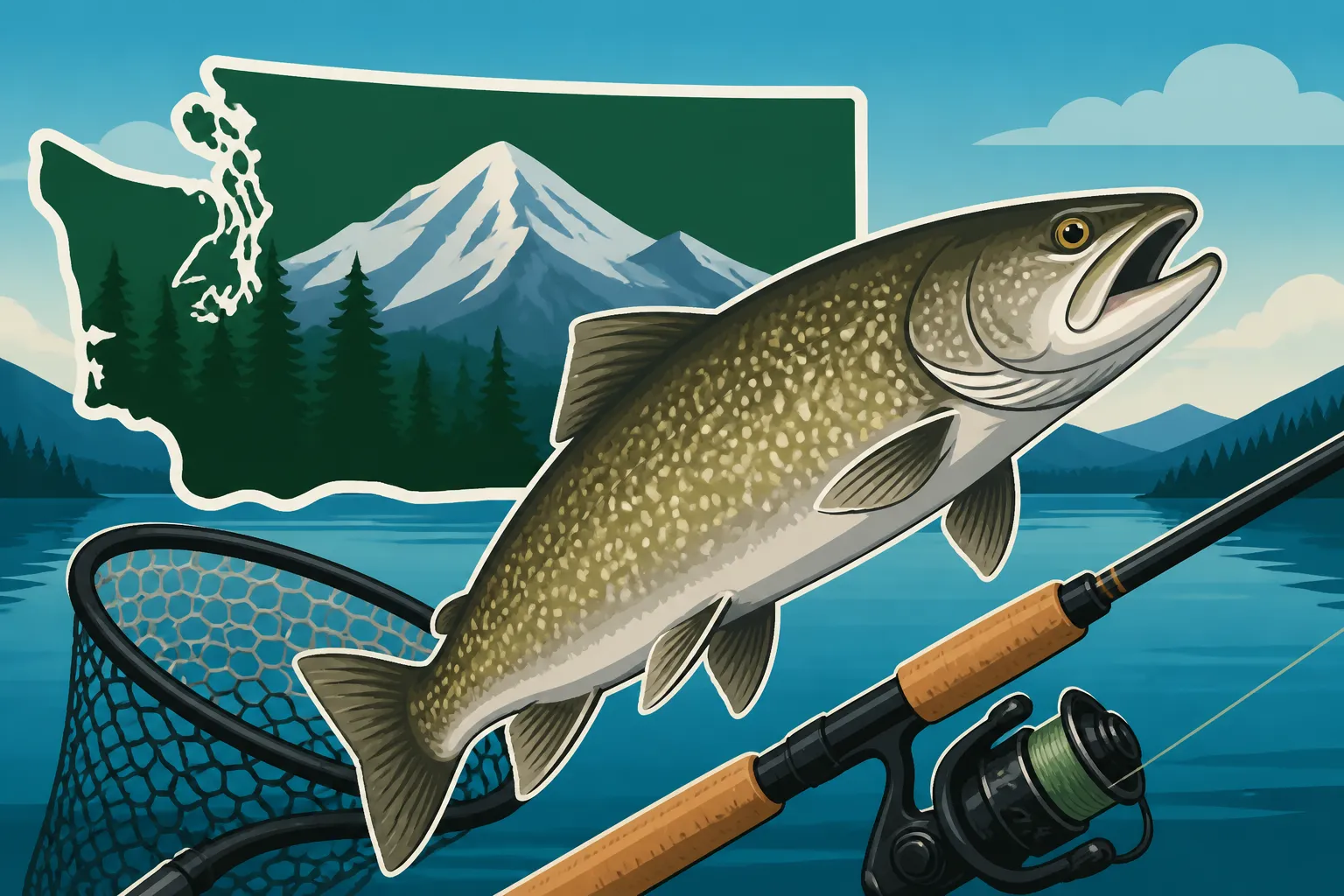
Washington Lake Trout Limit
There's nothing quite like the thrill of chasing a deep-water giant, but figuring out the exact rules for lake trout in Washington can sometimes feel like trying to solve a riddle at the bottom of the lake itself. Anglers often get confused by varying limits, especially with different waters managing this species so uniquely. This comprehensive guide is here to untangle those regulations, give you clarity on where and how many lake trout you can keep, and help you fish confidently and legally in Washington's beautiful waters.
Understanding Lake Trout and Their Unique Regulations in Washington
Lake trout, often affectionately (or sometimes not-so-affectionately) called Mackinaw, present a peculiar case in Washington's fisheries management. Unlike many of our beloved native species, lake trout are often non-native and can be quite predatory, leading to some very specific and sometimes liberal fishing limits. This isn't just about giving anglers more fish; it's a strategic move to balance fragile ecosystems.
Why Lake Trout Limits Differ from Other Species
The primary reason lake trout limits differ so significantly from, say, a native rainbow trout or a prized salmon, boils down to their ecological impact. In many Washington lakes, particularly those in the eastern and north-central parts of the state, lake trout were introduced and have thrived, sometimes to the detriment of native fish populations like kokanee salmon. Kokanee are a vital food source for other species and important for sport fisheries, so managing lake trout populations becomes critical to protect them.
When the Washington Department of Fish and Wildlife (WDFW) sets these limits, they're often trying to reduce the number of lake trout to allow native or more desired sport fish populations to recover or flourish. This means that while you might be limited to just one or two hatchery steelhead, you could find yourself with a much more generous limit for lake trout in certain locations. It's a prime example of how specific regulations are designed to maintain ecological balance, making it crucial to always check the rules for the exact body of water you plan to fish. Understanding these nuances is part of being a responsible angler, and it's why guides like this one, or the official Reading the Washington Sport Fishing Regulations Pamphlet, are so important.
What Exactly is a "Lake Trout" in Washington?
For many, a "trout" is a trout, but in Washington, the term "lake trout" specifically refers to Salvelinus namaycush, also known as Mackinaw. These aren't your typical rainbow or cutthroat trout; they are much larger, deep-dwelling char characterized by their pale spots on a dark body, a deeply forked tail, and a generally robust, torpedo-shaped body built for hunting. They can grow to impressive sizes, sometimes exceeding 20 pounds, making them a formidable catch.
You'll primarily find Mackinaw in deeper, colder lakes where they can ambush baitfish. Iconic waters like Lake Chelan and Lake Roosevelt are well-known for their thriving lake trout populations. Occasionally, they might be present in other large, deep systems. Knowing how to identify them correctly is critical, as misidentifying a large lake trout as a different species could lead to unintentional violations of catch limits or size restrictions. Their preferred habitat is often at depths inaccessible to many other trout species, where they prey heavily on kokanee and other smaller fish, further highlighting the need for specific management strategies for this particular species. For general guidelines on keeping tabs on your catch, you might find our guide on Understanding Washington's Daily Bag Limits by Species helpful.
Deciphering Washington's Lake Trout Limits by Location
The most important thing to remember about Washington's lake trout limits is that they are highly specific to the water body. You can't assume a statewide rule applies to all lakes. This localized approach is part of WDFW's detailed management plans to address unique ecological conditions in each lake.
Lake Chelan's Specific Regulations
Lake Chelan, a deep, glacial lake nestled in the Cascade Mountains, is arguably Washington's premier destination for lake trout. Here, the WDFW has implemented a particularly liberal limit, and for good reason: to manage the population of these predatory fish that can impact the native kokanee salmon. Typically, the daily limit for lake trout in Lake Chelan is quite generous, often allowing anglers to keep multiple fish.
It's not just about numbers; sometimes, there are specific harvest incentives or even requirements to retain certain sizes. For example, some regulations have encouraged anglers to keep smaller lake trout to reduce predation pressure on juvenile kokanee. This aggressive management strategy has made Lake Chelan a fantastic fishery for Mackinaw, with anglers regularly catching numerous fish, sometimes well into the double digits in a single day. However, it's paramount to check the current regulations annually, as they can shift based on population assessments and conservation goals. Our detailed guide on Lake Chelan, Washington for Mackinaw and Kokanee can give you even more insights into fishing this incredible lake.
Lake Roosevelt's Lake Trout Rules
Moving east, Lake Roosevelt, the massive reservoir behind Grand Coulee Dam, also boasts a significant lake trout population. Similar to Lake Chelan, the regulations for lake trout here are often quite liberal, again reflecting their status as a non-native, predatory species. In Lake Roosevelt, lake trout can grow to impressive sizes and are known to prey on everything from kokanee to smaller walleye.
The daily limit for lake trout in Lake Roosevelt typically allows for a substantial harvest, recognizing the expansive nature of the reservoir and the challenge of controlling the population. There generally aren't strict size restrictions, though anglers often target larger fish for sport. This reservoir is a vast and diverse fishery, also known for its walleye and other species, so understanding the specific rules for each target fish is crucial. The liberal Mackinaw limits here are a boon for anglers looking to fill a cooler, but always double-check the latest WDFW pamphlet before heading out. For more on this body of water, read our article about Lake Roosevelt in Washington for Kokanee and Walleye.
Other Notable Lakes and General Statewide Rules
While Lake Chelan and Lake Roosevelt are the big two for lake trout, you might occasionally encounter them in other, usually smaller, deep lakes. For example, Fish Lake near Leavenworth sometimes sees lake trout activity, though often with much stricter limits or even specific rules that might vary year-to-year. The presence of lake trout in other waters is less common, and in many lakes, they are either absent or very rare.
It's critical to understand that there isn't a single, overarching "statewide" lake trout limit that applies to every body of water. Each lake with a significant lake trout population will have its own specific rules, which are detailed in the WDFW Sport Fishing Regulations pamphlet. If a lake isn't specifically mentioned for lake trout, it's generally safe to assume that either they aren't present in fishable numbers, or they fall under a general "game fish" category with a more conservative limit. Therefore, before you even pack your bags, it's your responsibility to consult the most current regulations for the specific lake you intend to fish. A few minutes spent with the pamphlet can save you from potential fines and ensures you're fishing responsibly.
| Lake | Daily Lake Trout Limit (Typical) | Size Restrictions (Typical) | Rationale for Limit |
|---|---|---|---|
| Lake Chelan | 5-10+ fish (check current rules) | Often no size limit, or specific harvest incentives for smaller fish | Reduce predation on Kokanee |
| Lake Roosevelt | 5-10+ fish (check current rules) | Often no size limit | Manage non-native predator population in large reservoir |
| Other Lakes | Varies; often 1-2 fish or no specific mention | Varies or general trout rules apply | Depends on specific management needs |
Note: These are typical regulations and can change annually. Always consult the most current WDFW Sport Fishing Regulations for definitive rules.
Practical Tips for Adhering to Lake Trout Limits and Ethical Fishing
Knowing the limits is one thing, but consistently adhering to them while on the water requires a bit of preparation and diligence. Lake trout fishing, especially for the larger ones, can be incredibly rewarding, but it also comes with the responsibility of ethical angling.
Identifying Your Catch and Measuring Properly
When you're out on the water, especially if you're targeting multiple species, quickly and accurately identifying your catch is paramount. Lake trout, or Mackinaw, have distinct features that differentiate them from other trout and char. Look for their deeply forked tail, which is a key identifier. They also typically have light spots on a darker body, unlike brown trout (dark spots with halos) or rainbow trout (smaller, more irregular spots). The mouth is large, extending beyond the eye, and they have prominent teeth. If you're ever unsure, a quick reference guide or a fish identification app on your phone can be a lifesaver. You can even find waterproof fish identification cards on Amazon that fit perfectly in your tackle box. For a broader perspective on fish identification, check out our piece on How to Identify a Fish You've Never Caught Before.
If there are size restrictions – which, for lake trout, are less common but can occur – you need to know how to measure your fish correctly. Always measure from the tip of the snout to the farthest tip of the tail, with the tail compressed. A reliable, clear measuring device is essential. Many anglers keep a soft, retractable tape measure in their tackle box or have a measuring board mounted to their boat. Don't eyeball it; a few inches can make all the difference between a legal catch and a violation.
Keeping Track of Your Catch and What to Do with the Fish
With liberal limits often in place for lake trout, it’s easy to lose count, especially on a hot bite. Develop a system for keeping track of your catch. Some anglers use clickers, others tie knots in a rope, or simply keep a running tally in their head if the limit isn't too high. If you're with a group, ensure everyone understands and follows the collective boat limit if one applies. This prevents accidental over-harvesting and ensures everyone stays within legal bounds.
Once you’ve kept your fish, immediate and proper handling is crucial. Lake trout are excellent eating, but only if they’re cared for correctly. Bleed your fish promptly by cutting a gill arch, then get them on ice immediately in a cooler. This preserves the meat quality and ensures your effort results in a delicious meal. When it comes to transporting your catch, particularly across state lines, be aware of specific regulations, which you can learn more about in our article on Transporting Your Catch Across State Lines Legally. Always make sure your fish are kept in a condition where they can be identified and counted if a WDFW officer inspects your cooler.
Essential Gear for Lake Trout Fishing
Successfully targeting lake trout, especially the larger specimens, often requires specialized gear. Given their deep-water habits, downriggers are incredibly popular and effective tools for presenting lures or bait at precise depths. For rods and reels, you'll want something stout – a medium-heavy rod paired with a robust baitcasting or spinning reel spooled with strong braided line is a good starting point. Many anglers also use a Washington's Two-Pole Endorsement and Who Needs One to maximize their chances.
When it comes to lures, large spoons, plugs, and even kokanee imitations are highly effective. Lead core line can also be used to get your gear down deep without downriggers. For those who prefer bait, large chunks of herring or even whole kokanee (where legal) can be deadly. You can find a vast array of specialized lake trout tackle, including deep-diving crankbaits and heavy jigs, readily available on Amazon, often with detailed reviews to help you choose the best options for your specific lake. Having the right gear not only increases your chances of success but also ensures you can effectively land and handle these powerful fish. While we want to enjoy our time on the water, remember that there can be Fines and Penalties for Common Fishing Violations for those who don't follow the rules.
Disclaimer
Please note that fishing regulations, including those for lake trout, are subject to change. Always consult the latest Washington Department of Fish and Wildlife (WDFW) Sport Fishing Regulations pamphlet or their official website before any fishing trip. This guide provides general information and should not be considered a substitute for official WDFW regulations.