How Bag and Possession Limits Work in Washington
One of the biggest headaches for Washington anglers, whether you’re a seasoned local or just visiting, is making heads or tails of the regulations around how many fish you can keep. It’s not as simple as catching a fish and throwing it in the cooler; there are crucial distinctions between daily bag limits and possession limits that can easily trip you up and land you in hot water if you’re not careful. This guide is here to untangle that web of rules, helping you understand exactly what you can keep, when, and why, so you can enjoy your time on the water without the constant worry of an accidental violation.
Understanding the Foundations of Fishing Limits in Washington
Let's be honest, trying to understand fishing regulations can feel like deciphering ancient texts sometimes. But when it comes to bag and possession limits in Washington, there's a real method to the madness, and it's all about ensuring the health and sustainability of our precious fish populations. These aren't just arbitrary numbers conjured up to frustrate you; they're carefully set by the Washington Department of Fish and Wildlife (WDFW) based on scientific data, run forecasts, and conservation goals.
The 'Why' Behind Fishing Limits and Conservation
Imagine if everyone could just keep every fish they caught, every single day. Our rivers, lakes, and Puget Sound would be empty in no time! That’s why these limits exist. They are fundamental tools in fishery management, designed to protect fish stocks, especially vulnerable species like wild steelhead and certain salmon runs. By limiting the number of fish an individual can harvest, the WDFW ensures that enough fish escape to spawn, maintaining healthy populations for future generations to enjoy. It’s a balancing act: providing recreational opportunities while safeguarding the resource. Without these limits, the entire ecosystem could collapse, and none of us want that. It's a shared responsibility, and understanding the rules is the first step in doing our part.
Defining Daily Bag vs. Possession Limits: The Crucial Distinction
This is where many anglers, even experienced ones, can get confused. The terms "daily bag limit" and "possession limit" sound similar, but they govern entirely different aspects of your catch. Misunderstanding this difference is a common reason for violations, so let’s clear it up once and for all.
The daily bag limit refers to the maximum number of a particular species of fish you can legally harvest and retain in a single calendar day. In Washington, a "calendar day" typically runs from 12:00 AM (midnight) to 11:59 PM (the following midnight). Once you hit that limit for a specific species, you must stop fishing for that species for the remainder of that day, regardless of how many more you could catch. It's about what you take out of the water today.
The possession limit, on the other hand, refers to the maximum number of a particular species of fish you can have in your physical possession at any given time. This includes fish in your livewell, cooler, vehicle, at your home (fresh or frozen), or even being transported by someone else on your behalf. It’s a cumulative total. This limit often applies to multi-day fishing trips or situations where you might have fish from previous days' catches still on hand. The possession limit is almost always higher than the daily bag limit, allowing you to build up a legal catch over multiple days, but only up to that possession maximum. Think of it as your total allowable inventory.
Daily Bag Limits: What You Can Keep Each Day
The daily bag limit is your immediate rule of thumb when you’re out on the water. It dictates how many fish of a particular species you can legally keep within a single 24-hour period. But even this seemingly straightforward concept has its nuances, especially in a state like Washington with such diverse fisheries and overlapping regulations.
Counting Your Catch: The 24-Hour Rule
When WDFW states a daily bag limit, it’s a strict 24-hour clock from midnight to midnight. This means if you fish on Monday and catch your limit, you cannot continue fishing for that species after you've hit your daily maximum on Monday. You have to wait until Tuesday (past midnight) to begin fishing for that specific species again and start accumulating a new daily bag. This rule applies regardless of when you started or stopped fishing within that calendar day.
For example, if the daily limit for salmon in Marine Area 9 is one Chinook, and you catch that Chinook at 8 AM, you are done fishing for Chinook for the rest of that day in that area. You can't go out again at 4 PM and catch another one. If you wanted to target Chinook again, you'd have to wait until midnight passed, ushering in a new calendar day. This can be tricky if you're out camping or on a multi-day trip where the lines between days can blur. Always be mindful of that midnight reset.
Multi-Species Daily Limits and Their Implications
Washington is blessed with a tremendous variety of fish, and often, you'll be fishing in waters that hold several different species. This is where multi-species daily limits come into play. While you might have a limit for salmon, you'll also have separate limits for, say, rockfish or lingcod. The key is that these limits are usually species-specific or group-specific. For instance, you might have a daily limit of 2 trout, 1 salmon, and 5 rockfish.
You can accumulate your daily limit for each different species, provided you are within the open season and specific regulations for each. So, if you're out in Puget Sound, you might catch your limit of Daily Limit for Chinook in Puget Sound in the morning, then switch gears and head to deeper water to target bottomfish, keeping your daily limit of lingcod or other rockfish. The important thing is that once you hit the limit for one species, you must cease fishing for that specific species for the remainder of the calendar day, but you can continue fishing for other species for which you have not yet reached the daily limit. It's a fantastic way to enjoy the diversity of Washington's fisheries, but it requires careful attention to detail.
Possession Limits: What You Can Have on Hand
This is where anglers often face the most confusion, particularly if they're embarking on extended trips or have a well-stocked freezer. The possession limit is designed to prevent excessive accumulation of fish and ensure that even if you're a highly successful angler over several days, you're not hoarding an unreasonable amount of public resource.
Beyond the Boat: What Counts as 'Possession'
The possession limit isn't just about what's in your cooler on the boat or in your vehicle. It's a much broader definition. In Washington, "possession" refers to any fish that are under your control, regardless of where they are stored. This means:
- On your person or in your immediate control: Fish in your creel, livewell, stringer, or cooler while actively fishing.
- In transit: Fish in your vehicle, boat, or any other mode of transport while you're moving from the fishing location.
- At your temporary residence: Fish stored at your hotel, rental cabin, or campsite.
- At your permanent residence: Fish in your freezer, refrigerator, or smokehouse at home.
Essentially, if you caught it, and it's still identifiable as your catch, it counts towards your possession limit. This can become complicated. For example, if you have a freezer full of salmon from a trip two months ago, and you go out and catch more, all that frozen salmon counts towards your possession limit for that species. This aspect of the regulations is designed to prevent a few individuals from monopolizing the fishery. You might find a good way to keep track of your stored fish by using a simple logbook or even a spreadsheet. Many seasoned anglers use labels with dates and species, which can be useful if a WDFW enforcement officer ever needs to verify your catch.
Navigating Multi-Day Trips and Home Storage
This is where the possession limit truly comes into play. Let's say you're on a three-day fishing excursion to a popular destination like Westport, targeting halibut. If the daily bag limit is one halibut, but the possession limit is two, you can legally catch one halibut on day one, and another on day two, and have both in your possession. However, on day three, you could not catch a third halibut, because that would put you over your possession limit of two. You would need to consume or otherwise legally dispose of one of your halibut to be able to catch another.
Similarly, if you're a keen angler who fishes frequently and keeps a lot of fish in your home freezer, you must always ensure that the total amount of a specific species (fresh or frozen) does not exceed the statewide possession limit for that species. This is often where anglers run into trouble. It’s easy to forget how much you’ve accumulated over the season. The statewide Salmon Possession Limit in Washington is often set, and it’s critical to remember that this applies to fish that might have been caught weeks or months ago. It's always a good idea to periodically inventory your freezer, especially before embarking on a new fishing trip. This helps you avoid inadvertently exceeding limits and facing potential fines.
Annual Limits and Catch Reporting: The Bigger Picture
While daily and possession limits focus on what you can take in the short to medium term, certain highly managed species in Washington also have annual limits. These are incredibly important for monitoring overall harvest and ensuring the long-term viability of runs, particularly for salmon and steelhead. Ignoring these annual reporting requirements is not just a minor oversight; it's a serious violation.
The Role of the Catch Record Card
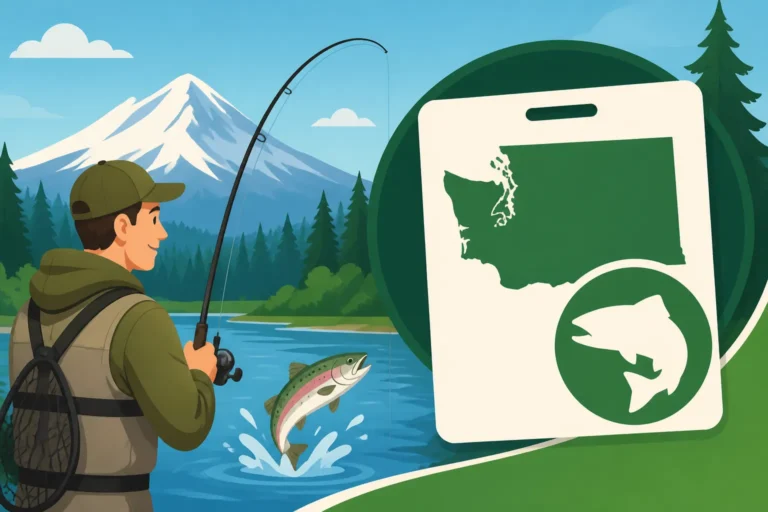
For species like salmon, steelhead, and halibut, Washington requires anglers to carry and complete a Washington Catch Record Card and What It Requires immediately upon retaining a fish. This isn't just busywork; it's a vital piece of data collection for WDFW. Each card allows you to record a specific number of fish for certain species. For instance, a typical salmon/steelhead card will have spaces for up to five salmon and three steelhead. These cards allow the WDFW to track angler effort and harvest, which is crucial for making in-season management decisions and setting future seasons.
When you catch a salmon or steelhead, you must immediately (before leaving the area or unhooking the fish for transport) punch out the month and day on the catch record card, indicating the species and location. At the end of the year, even if you didn't catch anything, you are required to return your catch record card to the WDFW. This data helps biologists understand harvest rates and overall fishing pressure. Failing to fill out the card correctly, or not returning it, can result in significant penalties. It's your responsibility to carry your card, know how to fill it out, and ensure it's returned on time.
Understanding Species with Annual Limits
Beyond the entries on the Catch Record Card, some species, most notably halibut, also have explicit annual limits. This means there's a hard cap on the total number of a specific species you can harvest over the entire fishing year, regardless of how many catch record cards you fill out or how many daily/possession limits you legally acquire. For instance, the annual limit for halibut in Washington might be set at four fish. This implies that even if there are multiple open days and you manage to catch your daily and possession limits multiple times, you cannot exceed that four-fish annual total.
These annual limits are put in place for species where total harvest needs to be tightly controlled due to conservation concerns or international agreements. Fishery managers track these annual limits through various methods, including the mandatory return of catch record cards. Keeping accurate records of your own catch is paramount. If you're passionate about fishing for these highly regulated species, you might even consider dedicating a small notebook or a section on an app like Amazon's Notes to jot down your catches and ensure you stay within your annual quota. It’s a bit more to keep track of, but it’s essential for sustainable fishing.
Species-Specific Regulations: A Deep Dive
General rules are one thing, but Washington's fisheries are incredibly diverse, meaning that bag and possession limits vary wildly depending on the species you're targeting and, often, the specific waterbody you're fishing in. What applies to a Puget Sound salmon might be completely different from a trout in an Eastern Washington lake or a lingcod off the coast.
Salmon and Steelhead: A Complex System
Salmon and steelhead fishing in Washington is arguably the most complex in terms of regulations. Limits can change not just by species (Chinook, Coho, Sockeye, Pink, Chum, Steelhead) but also by specific marine area, river system, and even time of year. For example, a river might be open for hatchery steelhead retention with a daily limit of one, but completely closed to wild steelhead, or perhaps the limit changes to two hatchery fish later in the season. Similarly, Puget Sound marine areas have different bag limits for Chinook compared to Coho, and these often include size restrictions (e.g., "minimum 22 inches") or clipped adipose fin requirements (for hatchery fish).
You absolutely must consult the current WDFW regulations pamphlet or the official WDFW website before every single trip. Don't rely on what you remember from last year, or what your buddy told you. Emergency rule changes are frequent, often shifting mid-season due to real-time run forecasts or harvest data. You can learn more about how these changes happen by looking into Emergency Rule Changes: Why Washington's Rules Shift Mid-Season. For instance, one day the Daily Limit for Chinook in Puget Sound might be one hatchery Chinook, and the next day it might change to a total closure due to conservation concerns. It's a dynamic system that requires constant vigilance.
Bottomfish and Shellfish: Different Rules Apply
Switching from salmon to bottomfish or shellfish means a whole new set of rules to learn. Bottomfish like lingcod, rockfish, and halibut have their own distinct bag and possession limits, and often specific seasons and depth restrictions. For example, the lingcod daily limit might be one fish, but only during a specific season and within a certain marine area. Some rockfish species are even catch-and-release only, or have very low limits due to their slow growth rates and vulnerability. Understanding the difference between Black Rockfish vs Copper Rockfish is important, as their regulations can vary.
Shellfishing is another world entirely, with limits typically measured by quantity (e.g., 40 razor clams, 10 Dungeness crab) rather than by weight or size (though size minimums often apply). These limits are critical because shellfishing can put immense pressure on local populations if not carefully managed. Always check the tides and seasons for clam digging or crabbing, as these are highly dependent on specific environmental factors and management cycles. Knowing your Dungeness Crab Identification and Legal Size is crucial before dropping your pot.
Here's a simplified table illustrating common species limits, but remember these are just examples and always verify with current WDFW regulations:
| Species | Daily Bag Limit (Example) | Possession Limit (Example) | Additional Notes |
|---|---|---|---|
| Chinook Salmon | 1-2 (Hatchery) | 2-4 (Hatchery) | Varies by marine area/river, season, and size limits. Often requires punch on Catch Record Card. |
| Coho Salmon | 2 (Hatchery) | 4 (Hatchery) | Varies by marine area/river, season. Requires punch on Catch Record Card. |
| Steelhead | 1-2 (Hatchery) | 2-4 (Hatchery) | River-specific. Wild steelhead often catch-and-release. Requires punch on Catch Record Card. |
| Rainbow Trout (Lakes) | 5 | 10 | Often includes minimum size. |
| Halibut | 1 | 2 (Annual 4) | Highly restricted season, area-specific, annual limit applies. Requires punch on Catch Record Card. |
| Lingcod | 1 | 2 | Seasonally open, often with minimum size. |
| Dungeness Crab | 6 (Male, minimum size) | 12 (Male, minimum size) | Male only, must be hard-shelled. Season and area specific. |
| Razor Clams | 15 | 15 | Total harvested regardless of broken shells. Season and tide specific. |
Special Rules and Exemptions: Things to Watch For
Just when you think you've got a handle on daily and possession limits, Washington's regulations throw in a few curveballs. These special rules and exemptions are put in place for various reasons, from protecting specific segments of a fish population to managing harvest in unique environmental conditions. Being aware of them can save you a lot of grief.
Understanding Slot Limits and Minimum/Maximum Sizes
It’s not always about a straight count of fish; sometimes it's about the size of the fish you can keep. A minimum size limit means a fish must be at least a certain length to be legally retained. This protects juvenile fish, allowing them to grow and spawn before being harvested. For instance, many salmon fisheries have a 22-inch minimum length requirement for Chinook. Catching a smaller fish, even if you’re under your daily limit, means it must be released immediately and unharmed.
A maximum size limit works the opposite way, protecting large, often older, and genetically valuable breeding stock. If a fish is too big, it must be released. Some fisheries combine these into slot limits, where only fish within a specific size range (e.g., between 12 and 18 inches) can be kept. Slot Limits and Why Some Fish Must Go Back are becoming more common as a conservation tool, particularly for species like trout or certain bass populations. If you catch a fish outside the slot, you must release it. This strategy helps manage the age and size structure of the fish population, promoting overall health. Always carry a reliable measuring device on the water – tape measure, fish ruler, or even a sticker on your boat – and know how to use it accurately.
Endorsements and Area-Specific Restrictions
Beyond the general fishing license, Washington often requires specific endorsements for certain types of fishing, which can indirectly affect your harvest. The most prominent example is the Washington's Columbia River Salmon and Steelhead Endorsement, Explained, which is required to fish for salmon and steelhead in the mainstem Columbia River and its tributaries. Without this endorsement, even if you have a valid fishing license, you cannot legally retain these species in those waters, regardless of bag or possession limits.
Furthermore, bag and possession limits are frequently tied to specific geographic areas, known as Marine Areas for saltwater fishing, or specific river sections for freshwater fishing. A daily limit of two hatchery Coho in Marine Area 9 might become one hatchery Coho in Marine Area 10, or a complete closure in Marine Area 11. Similarly, a river might have a legal limit for trout in its lower sections but be catch-and-release only in its upper reaches. Rules can even differ depending on whether you are Fishing From Boats vs Banks: Different Rules. Always pinpoint your exact location on a map and cross-reference it with the WDFW regulations to ensure you're aware of any hyper-local restrictions that apply to your fishing spot. This level of detail is critical for staying legal.
Common Mistakes and How to Avoid Them
Even the most well-intentioned angler can accidentally run afoul of Washington's fishing regulations. The rules are complex, and it’s easy to make a mistake, especially if you're new to an area or targeting a new species. But understanding the common pitfalls is the first step in avoiding them.
Misinterpreting the 'Day' or 'Possession'
One of the most frequent mistakes anglers make is misinterpreting the definition of a "day" for daily bag limits or the scope of "possession" for possession limits. We covered this in detail earlier, but it bears repeating because it's such a common trap.
- The "Day" Mistake: Anglers often mistakenly believe that a "day" starts when they begin fishing and ends 24 hours later. This is incorrect. In Washington, a fishing day is a strict calendar day, from 12:00 AM to 11:59 PM. If you catch your limit for a species at 10 PM on Monday, you cannot catch another one until 12:01 AM on Tuesday. This can be particularly confusing on overnight trips or if you're fishing until very late. Always remember the midnight reset.
- The "Possession" Scope Mistake: Many anglers think the possession limit only applies to what they have on the boat or in their immediate cooler. They forget that fish in their home freezer, or fish they are transporting for another angler (even if legally caught by someone else), can count towards their possession limit if it's considered under their control. If you have several salmon fillets from a previous trip vacuum-sealed in your freezer, and you go out and catch more, all those fillets contribute to your total possession. To avoid this, keep a mental or physical inventory of your stored fish, especially for species with specific Salmon Possession Limit in Washington.
Forgetting to Check Emergency Rules and Closures
This is perhaps the biggest and most frustrating pitfall for Washington anglers. The WDFW frequently issues "emergency rule changes" in-season, often with very little notice. These changes can modify bag limits, close an area, or even halt fishing for a specific species entirely. They are usually implemented to protect fragile runs or to adapt to unforeseen circumstances like lower-than-expected returns or higher-than-expected harvest rates.
Forgetting to check these updates is a guaranteed way to violate regulations. You might head out to your favorite river, confident you know the rules from the last pamphlet you picked up, only to find out it was closed for steelhead fishing three days prior. Or perhaps the bait you’re using is suddenly banned. This is incredibly frustrating, I know, because it can feel like the rules are a moving target. However, as anglers, it's our responsibility to stay informed.
To avoid this, make it a habit to check the WDFW's official website for emergency rule changes immediately before every fishing trip. They usually have a dedicated "Emergency Rules" section that is updated in real-time. You can also sign up for email alerts or use the Electronic Catch Record Cards and the Fish Washington App to get the latest information. Don’t rely on hearsay or old printed pamphlets. A quick check on your phone, perhaps even browsing the WDFW site via your Amazon browser, before you leave home can save you a significant fine and a ruined day on the water.
Staying Informed: Your Responsibility as an Angler
Navigating the labyrinthine world of fishing regulations in Washington State can feel like a full-time job, but ultimately, it's every angler's responsibility to know and abide by the rules. The WDFW puts out a lot of information, and while it might take some effort to sift through, being informed is your best defense against accidental violations.
Navigating the Washington Sport Fishing Regulations Pamphlet
The primary source of information for Washington's fishing rules is the annual Reading the Washington Sport Fishing Regulations Pamphlet. This comprehensive guide is published each year and covers seasons, limits, and special rules for virtually every fishable waterbody in the state. You can pick up a physical copy at most license dealers, sporting goods stores (like your local Cabela's or Bass Pro Shops), or WDFW offices, and it’s always available as a downloadable PDF on the WDFW website.
While the pamphlet is extensive, it can be daunting to read. Start by focusing on the sections relevant to the specific waters you plan to fish and the species you intend to target. Pay close attention to definitions, general rules, and any special area rules. Crucially, remember that the printed pamphlet is a snapshot in time. It reflects the rules at the time of printing, but as discussed, these can change. Always use the pamphlet as a foundational guide, but supplement it with real-time checks for emergency rules. Keeping a recent copy, even a digital one, on hand is vital for reference. Many anglers even mark up their copies with notes on specific areas or rules to help them remember.
Leveraging Digital Resources Like the Fish Washington App
In today's digital age, relying solely on a printed pamphlet is no longer sufficient. The WDFW has made significant strides in providing accessible, real-time information through its digital platforms. The official WDFW website is a treasure trove of information, hosting not just the full regulations pamphlet, but also dedicated sections for emergency rules, seasons, catch reports, and more. Making the WDFW website a bookmark on your phone or computer is a smart move.
Perhaps the most convenient tool for modern anglers is the official Fish Washington mobile app. This app is a game-changer for staying current. It allows you to:
- Access real-time emergency rules: This is huge! You can check for any last-minute closures or limit changes right from your phone before you head out, or even while on the water if you have signal.
- View regulations by location: The app often uses your location to show you relevant regulations for the specific area you're in.
- Record your catch electronically: Some areas allow for electronic catch record cards through the app, making reporting easier. This aligns with the WDFW's push towards modernizing how anglers track and report their harvest. If you want to learn more, check out Electronic Catch Record Cards and the Fish Washington App.
- Find license vendors and WDFW offices: Handy for last-minute purchases or questions.
Having this information at your fingertips, whether through the app or by quickly checking the WDFW website on your phone, is the absolute best way to stay compliant and avoid unnecessary penalties. It might feel like a lot to keep track of, but the peace of mind knowing you're fishing legally is truly priceless. Take the time to understand Washington Fishing Regulations Every Angler Should Know and you'll be set for many enjoyable days on the water.
Disclaimer
The information provided in this guide is intended for general informational purposes only and does not constitute legal advice. Fishing regulations in Washington State are complex, subject to frequent change, and may vary significantly by species, location, and time of year. While every effort has been made to ensure accuracy, the Washington Department of Fish and Wildlife (WDFW) regulations pamphlet and official WDFW website are the authoritative sources for all current fishing rules. It is the individual angler's sole responsibility to consult and comply with all applicable WDFW regulations before engaging in any fishing activity.