Which Side a Halibut’s Eyes Are On
One of the most perplexing challenges for new anglers, or even seasoned ones in a new region, is confidently identifying their catch, especially when dealing with similar-looking species. In Washington's rich waters, Pacific halibut are a prime target, but telling them apart from other flatfish can be tricky, and understanding their unique anatomy, like which side their eyes are on, is a crucial piece of the puzzle. This guide will dive deep into the fascinating world of halibut identification, focusing specifically on their distinctive eye placement and why it matters for every angler.
The Distinctive Eye Placement of Pacific Halibut
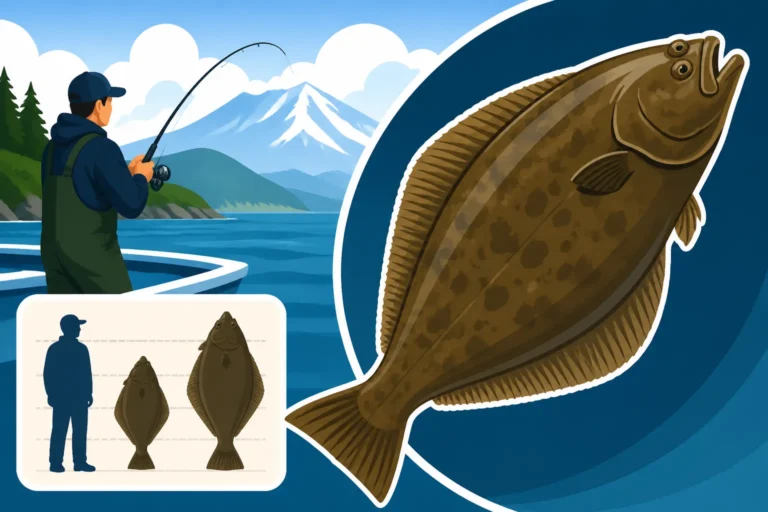
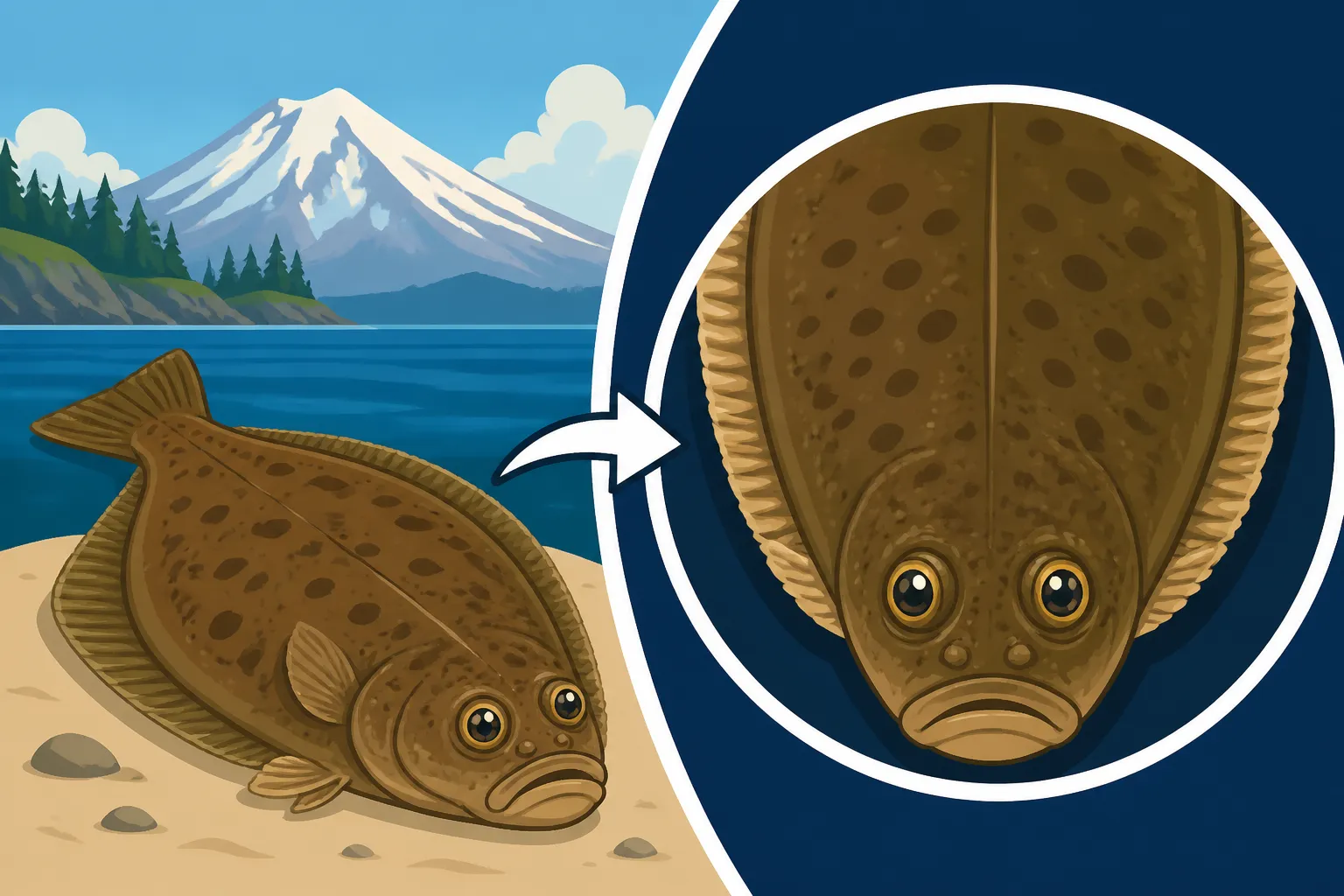
When you pull a magnificent Pacific halibut from the depths, it’s not just its impressive size that catches your eye, but its truly unique appearance. Unlike most fish that have an eye on each side of their head, halibut, being flatfish, have both eyes on one side. This isn't just a random genetic quirk; it's a testament to their evolutionary journey and how they've adapted to life lying flat on the ocean floor.
The Fascinating Flatfish Transformation
The journey of a halibut from a typical-looking fry to a bottom-dwelling flatfish is nothing short of incredible. When halibut hatch, they actually look like a "normal" fish, with one eye on each side of their head and swimming upright in the water column. However, as they mature, typically within a few weeks, their body begins to flatten, and one eye starts to migrate. Imagine one eye slowly moving across the top of their head until it settles next to the other eye on what will become their "upper" side. This transformation allows them to lie perfectly flat on the seafloor, camouflaged from both predators above and prey below, while still being able to scan the waters overhead for food. It's a marvel of nature that makes these fish so well-suited to their environment.
This developmental stage is crucial for their survival, allowing them to ambush prey from their camouflaged position. It also means that the side with the eyes becomes the "up" side, which is typically darker and patterned to blend with the seabed, while the blind side, or "down" side, remains white or pale. This remarkable adaptation is a key characteristic of all flatfish, though the specific direction of eye migration can differ between species.
"Right-Eyed" vs. "Left-Eyed": Decoding Halibut Anatomy
For Pacific halibut, specifically, they are categorized as "right-eyed" flatfish. What exactly does "right-eyed" mean in the angling world? It means that if you lay the halibut flat on its white, blind side (the side without eyes) with its dorsal fin (the fin running along its back) pointing upwards, both of its eyes will be on the right side of its head. This is a consistent characteristic for Pacific halibut and a reliable way to differentiate them from certain other flatfish species found in Washington waters.
Think of it this way: picture holding the halibut with its belly facing down and its back facing up. If you're looking at its upper surface, the one that's usually dark and camouflaged, you'll see both eyes positioned on the right half of that upper surface. This "right-eyed" distinction is not just an academic detail; it's a fundamental identification feature that helps anglers correctly classify their catch. It's important to remember this orientation when you're on the boat, as getting it wrong could lead to misidentification and potential regulatory issues.
While most flatfish are either predominantly right-eyed or left-eyed, very rarely a genetic anomaly might occur, but for all practical purposes in Washington fishing, you can count on Pacific halibut being right-eyed. Knowing this simple rule significantly streamlines the identification process when you're trying to quickly confirm your catch against the rules.
Why Does This Matter to Anglers?
Understanding which side a halibut's eyes are on might seem like a trivial detail, but for responsible and successful fishing, it's actually quite important. It plays a significant role in accurate species identification, which directly impacts adherence to fishing regulations, and can even subtly inform your understanding of their behavior.
Identification and Regulations
The primary reason eye placement matters is for accurate identification, especially given the strict fishing regulations in Washington. While Pacific halibut are prized, there are other flatfish in the same waters, such as various species of sole and flounder. Some of these look-alikes might have different size limits, bag limits, or even be completely closed to retention. Misidentifying a fish can lead to violations, which no angler wants. The "right-eyed" characteristic of Pacific halibut is a definitive trait that helps distinguish them from many other flatfish species which might be "left-eyed" (meaning their eyes are on the left side when viewed in the same orientation).
Imagine you've just brought up a decent-sized flatfish. Before you even think about putting it on ice, you need to be sure it's a legal halibut and not, say, a starry flounder with a different set of rules. A quick check of the eye placement, coupled with other identifying features, provides a reliable confirmation. This is especially critical when dealing with slot limits or minimum/maximum size requirements, as an incorrect identification could mean keeping a fish illegally or releasing a perfectly legal one. The Washington Department of Fish and Wildlife (WDFW) regulations pamphlet often provides diagrams, and understanding the "right-eyed" characteristic is a foundational piece of that visual guide. Don't underestimate the value of spending a few moments with a printed Washington Fishing Regulations Every Angler Should Know guide or the official WDFW online resources to make sure you're always in compliance.
Understanding Halibut Behavior
While not as direct as regulatory compliance, knowing a halibut’s anatomy, including its eye placement, gives you a deeper appreciation for its behavior and how it operates in its environment. Since both eyes are on the upward-facing side, a halibut can lie perfectly camouflaged on the seabed, its dark, mottled skin blending seamlessly with the rocks and sand, while still maintaining a full panoramic view of the water column above. This allows them to effectively ambush prey like squid, octopus, and smaller fish that swim overhead.
This understanding can subtly influence your fishing strategy. For instance, knowing they are vision-oriented ambush predators that scan upwards, you might adjust your jigging presentation or trolling depth to keep your bait directly above their potential hiding spots. It also explains why baits presented near the bottom, or even slightly off the bottom, are so effective for these fish. They aren't chasing prey through the water column in the same way a salmon might; rather, they're waiting patiently for the perfect opportunity to strike from below. This fundamental understanding of their sensory capabilities, driven by their eye placement, helps you think like a halibut and therefore, fish more effectively for them. When you're trying to choose the right gear, browsing options on Amazon for specialized halibut jigs or heavy-duty line can be helpful, knowing how they hunt.
Beyond the Eyes: Other Halibut Identification Tips
While eye placement is a fantastic starting point for identifying Pacific halibut, it's just one piece of the puzzle. Combining this knowledge with other distinct physical characteristics will ensure you're always confident in your catch. Washington's waters hold several flatfish, and a holistic approach to identification is always best.
Body Shape and Coloration
Pacific halibut are known for their impressive size and diamond-like body shape. They are relatively broad and thick-bodied compared to many other flatfish, which tend to be thinner and more oval or round. Their upper, or "eyed," side is typically dark, ranging from mottled greenish-brown to dark brown or even black, perfectly camouflaged to match the ocean floor. This side often has irregular spots and patterns, helping them blend in with various seabed textures. The underside, or "blind" side, is almost always white or cream-colored, lacking any pigmentation. This stark contrast is another key indicator.
When you bring a halibut aboard, take a moment to observe its overall mass and thickness. It feels substantial. Compare this to a sole or flounder, which might feel much lighter and have a more delicate frame. The coloration is also rarely uniform; the mottled patterns are a dead giveaway that the fish has spent its life blending into complex environments. This natural camouflage is a marvel to behold, allowing them to remain hidden from predators like marine mammals and also from the keen eyes of their prey. Anglers often find this blend of color and shape makes for a striking photograph before the fish is processed.
Lateral Line and Mouth
Another crucial identifier for Pacific halibut is their lateral line. Unlike many fish where the lateral line is a straight or gently curved line running down the middle of their body, a Pacific halibut's lateral line has a distinct, high arch over the pectoral fin. This prominent arch is a very reliable feature to look for. Run your finger along the lateral line starting from the head; you'll feel and see it curve sharply upwards above the pectoral fin before continuing more linearly towards the tail.
Their mouth is also quite telling. Halibut have a large, terminal mouth, meaning it's located at the very front of their head. This mouth is equipped with strong teeth, indicating their predatory nature. It extends back almost to the middle of the eye. Some other flatfish, like certain sole species, have smaller, upturned mouths designed for sifting through sand or nibbling small organisms. The large gape and robust jaw of a halibut signal that it's built to engulf substantial prey items. When you're learning about Pacific Halibut Identification and Size in Washington, paying attention to these smaller details, like the lateral line and mouth, will solidify your confidence in your catch.
Common Look-alikes in Washington Waters
It's easy to confuse a halibut with other flatfish that share Washington's marine environments. The most common look-alikes are various species of sole and flounder.
- Flounder: Many flounder species, like Starry Flounder, can grow to a decent size and share the general flatfish body plan. However, most flounder found in Washington are "left-eyed" (the opposite of halibut). They also often have rougher skin, different color patterns (e.g., the distinct orange-yellow and black banding on the fins of a Starry Flounder), and generally a less robust, thinner body profile than a halibut. Their lateral line also lacks the distinct high arch of a halibut. Checking the side of the eyes is a quick way to rule out most flounder.
- Sole: Similar to flounder, sole species (such as Dover Sole, Petrale Sole, or English Sole) are generally smaller, thinner, and often have smaller mouths and different lateral line patterns. Many sole species are also left-eyed. Their skin can vary from smooth to quite rough. While delicious, they don't reach the epic proportions of a halibut, and their regulations are usually very different. Learning to distinguish between these species is key to responsible fishing, especially since Washington's Columbia River Salmon and Steelhead Endorsement, Explained and other regulations often have specific rules for specific fish.
By consciously checking the eyes, lateral line, mouth, and overall body shape, you can become adept at telling the difference between a magnificent Pacific halibut and its flatfish cousins.
Practical Application for Anglers: Confirming Your Catch
So, you've got a flatfish on the deck! Now it's time to put your identification skills to the test. Quickly and accurately confirming your catch is vital, not just for satisfying your curiosity, but for adhering to all those important regulations from the WDFW. Getting it wrong can lead to serious consequences, so let's make sure you're confident every time.
Quick Check at Sea
The moment a flatfish comes aboard, your first instinct might be to admire its size, but responsible angling means a quick identification check. For Pacific halibut, here's your rapid-fire process:
- Lay it Flat: Gently lay the fish on its side. For a halibut, you'll want to lay it on its white, blind side (the side without eyes) on a flat, clean surface, like your cooler lid or a measuring board.
- Orient Correctly: Position the fish so its dorsal fin (the fin running along its back) is pointing upwards. Its head should be facing either left or right, it doesn't matter yet.
- Find the Eyes: Now, look at the upper, dark side of the head. Are both eyes on the right side of the head? If so, you've got a strong indicator for a Pacific halibut. If they're on the left, it's likely a flounder or sole, and you'll need to double-check those specific regulations.
- Confirm with Lateral Line: While still in this position, quickly trace the lateral line from the head towards the tail. Does it make that distinct, high arch over the pectoral fin? If yes, it's another strong confirmation.
- Check Mouth and Body: A large, toothy mouth and a thick, diamond-shaped body with mottled brown/green coloration on top and white underneath seals the deal.
This quick, systematic check can be done in a matter of seconds once you get the hang of it. It’s important to make these checks before you decide to keep the fish or release it, especially if you're dealing with strict slot limits or catch-and-release rules. Being prepared with this mental checklist will make you a more efficient and compliant angler.
Tools for Reference
Even with practiced identification skills, sometimes you need a quick reference, especially if you encounter a species you're less familiar with. There are several tools that every Washington angler should have on hand:
- WDFW Regulations Pamphlet: This is your bible on the water. It contains detailed descriptions, diagrams, and photos of common species, including how to identify them, along with all the current rules on How Bag and Possession Limits Work in Washington, seasons, and gear restrictions. Keep a physical copy in your boat or tackle box, or have the digital version readily accessible on your phone via the MyWDFW App.
- Fish Identification Guides: There are numerous excellent regional fish identification books available that provide detailed photos and descriptions of Pacific Northwest marine life. These can be invaluable for differentiating between subtle variations in species. You can often find comprehensive guides on Amazon, which are great for detailed cross-referencing right on the boat or before your trip.
- Measuring Device: A reliable measuring tape or board is non-negotiable for fish where size limits apply, like halibut. Always measure your fish carefully from the tip of the nose to the tip of the tail, following WDFW guidelines, to ensure it meets the legal size requirements. Having a clearly marked measure, perhaps one you picked up from Amazon or your local tackle shop, ensures accuracy.
- Camera: While not an identification tool in itself, taking a quick, clear photo of an unfamiliar fish before release can allow you to identify it later from your guide or by consulting with more experienced anglers without risking a violation. Just ensure it's a legal catch if you plan to keep it.
By equipping yourself with both knowledge and these essential tools, you'll not only fish more confidently but also contribute to the responsible management of Washington's incredible fisheries. For more in-depth information about the fishing calendar, consult Washington Fishing Seasons: A Month-by-Month Guide.
Halibut vs. Other Washington Flatfish: A Quick Comparison
To help solidify your understanding, here's a quick comparison of Pacific Halibut with some other common flatfish you might encounter in Washington waters. This table focuses on the key characteristics we've discussed, making it easier to distinguish your catch at a glance.
| Feature | Pacific Halibut (Hippoglossus stenolepis) | Starry Flounder (Platichthys stellatus) | English Sole (Parophrys vetulus) |
|---|---|---|---|
| Eye Placement | Right-eyed (eyes on right side when laid flat, dorsal up) | Left-eyed (eyes on left side when laid flat, dorsal up) | Right-eyed (eyes on right side when laid flat, dorsal up) |
| Body Shape | Thick, broad, diamond-shaped | Thinner, more oval/rounded | Thin, oval, elongated |
| Coloration (Top) | Mottled dark brown, green, black; often irregular patterns | Dark brown to black with distinct orange/yellow and black banding on fins | Uniform light brown to olive green |
| Coloration (Bottom) | Pure white/cream | Off-white, sometimes mottled | White |
| Lateral Line | Distinct high arch over pectoral fin | Straight or gently curved, no prominent arch | Fairly straight, sometimes with a slight curve over pectoral |
| Mouth Size | Large, extends past the eye | Small to medium, does not extend past eye | Small, upturned, does not extend past eye |
| Skin Texture | Smooth to slightly rough | Very rough, sandpaper-like | Smooth |
| Typical Size | Large (20-100+ lbs), can be over 500 lbs | Medium (1-5 lbs), rarely over 20 lbs | Small (0.5-2 lbs), rarely over 5 lbs |
Remember, this table provides a general guide. Always consult the most current WDFW regulations for specific identification rules, slot limits, and bag limits for all species, including potential emergency rule changes you can find in Emergency Rule Changes: Why Washington's Rules Shift Mid-Season. Being informed is the best way to enjoy your time fishing in Washington!
Disclaimer
This article is for general informational purposes only and does not constitute professional advice. Laws, prices and regulations vary by location and change over time. Consult a qualified professional for guidance on your specific situation.