Washington Fishing Seasons: A Month-by-Month Guide
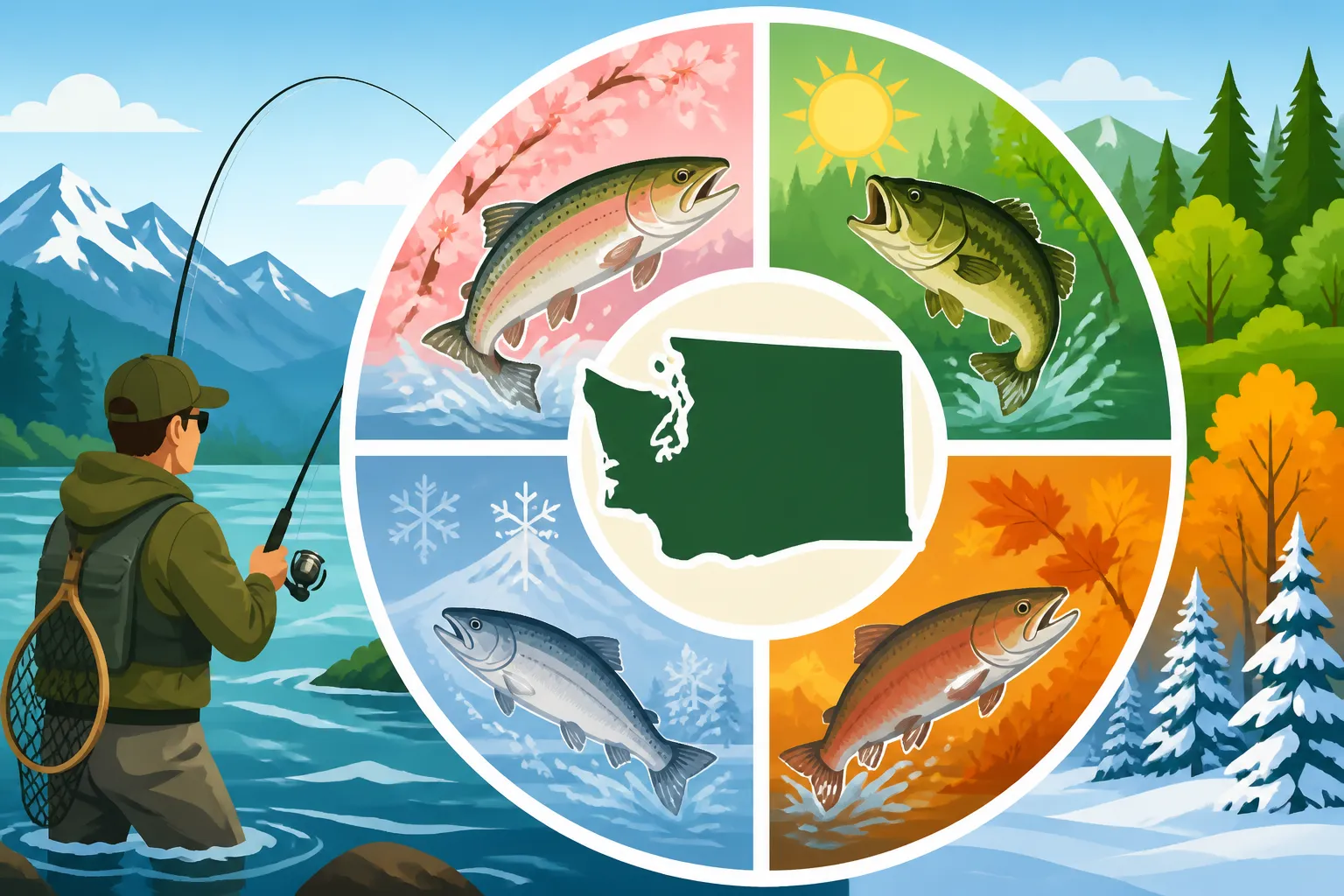
Figuring out when and where to drop a line in Washington State can feel like decoding an ancient scroll, especially with our ever-changing regulations and diverse fisheries. From the roaring rivers to the vast Puget Sound and high-mountain lakes, each month presents unique opportunities and challenges. This comprehensive guide will walk you through Washington's fishing seasons, month by month, helping you understand what to target, where to go, and how to best prepare for a successful outing.
Decoding Washington's Fishing Calendar: A Year-Round Challenge
Washington State's fishing landscape is a dynamic tapestry woven with incredible biodiversity and often complex regulations. Unlike states with more predictable weather patterns and consistent seasons, our corner of the Pacific Northwest throws everything at you: torrential rain, sunny skies, bone-chilling cold, and glorious warmth, sometimes all in one day! This unpredictability, coupled with highly managed fisheries designed to protect wild stocks, means that staying informed about Washington Fishing Seasons is not just a recommendation—it's absolutely essential. Many anglers get frustrated trying to keep up with what's open, what's closed, and what special restrictions apply to specific areas.
The Washington Department of Fish and Wildlife (WDFW) works tirelessly to manage these resources, leading to a calendar that can shift with little notice. From migratory salmon and steelhead runs moving through river systems and saltwater areas, to resident trout populations in lakes, and bottomfish along the coast, there’s almost always something to pursue. However, the exact timing can vary year to year based on fish returns, water conditions, and management goals. This guide aims to demystify the general trends and highlight the most popular and productive fisheries you can expect to encounter throughout the year, offering a roadmap to help you plan your adventures and avoid those head-scratching moments at the boat launch or riverbank.
The Cold Snap: Winter Fishing (December, January, February)
When the days shorten and the temperatures plummet, many anglers pack away their gear, assuming fishing is over until spring. But in Washington, winter is far from a dead season. It offers some of the most rewarding and challenging angling experiences, especially for dedicated steelhead chasers and those seeking the elusive blackmouth Chinook in Puget Sound. The rivers swell with rain, the mountain lakes freeze over, and the marine areas settle into a quieter rhythm.
Winter Steelhead on Coastal and Puget Sound Rivers
Winter steelhead fishing is a revered tradition for many Washington anglers, a true test of grit against the elements. These magnificent ocean-run rainbow trout return to their natal rivers in the colder months, offering a prime opportunity for those willing to brave the chill. Rivers like the Cowlitz, Kalama, Skykomish, Skagit, and the Olympic Peninsula systems such as the Sol Duc and Hoh are legendary for their winter runs. While the fish may not be as numerous as summer runs, their size and fighting prowess are often unmatched.
Anglers often target these fish using various techniques, including drift fishing with roe, yarn, or beads, and twitching jigs in deeper holes. The lower river sections are often good early in the run, with fish pushing further upstream as the season progresses. Gear for winter steelhead needs to be robust, and staying warm and dry is paramount. Many seasoned anglers invest in high-quality waders and waterproof outerwear, often found with good reviews on Amazon, to endure the long, cold days on the water. Be sure to check the specific regulations for each river, as some might have special rules like barbless hook requirements or bait bans. Understanding Winter vs Summer Steelhead Runs in Washington, Explained is crucial for success during these colder months.
Puget Sound Blackmouth Opportunities
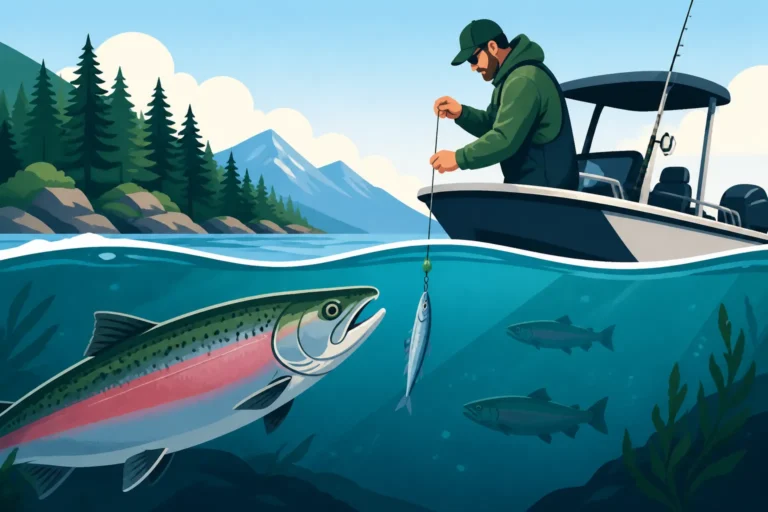
While winter steelhead capture the hearts of river anglers, those who prefer saltwater turn their attention to blackmouth – the feeder Chinook salmon that spend their immature years foraging in Puget Sound. These chrome-bright fish are known for their incredible table fare and challenging pursuit. Popular marine areas like Port Townsend (Marine Area 9), the South Sound (Marine Area 10), and Saratoga Passage (Marine Area 8-2) can be productive. The best approach for blackmouth is often trolling with downriggers, using cut plugs, spoons, or hootchies.
The key to blackmouth fishing is finding schools of baitfish, as these kings are constantly on the hunt. Early mornings and late afternoons are often prime times, especially during tide changes. While not as large as their mature counterparts returning to spawn, a 10-15 pound blackmouth is a prized catch and offers a thrilling fight on light tackle. Anglers should always consult the current WDFW regulations for specific marine areas, as seasons and limits can change frequently. Don't forget your Washington Fishing License Guide for Nonresidents if you're visiting from out of state!
Eastern Washington Hardwater & Trout
Venturing east of the Cascades, a completely different winter fishing experience awaits: ice fishing. As lakes like Newman Lake, Curlew Lake, and Bonaparte Lake freeze over, they become playgrounds for anglers seeking perch, trout, and even kokanee through the ice. This niche fishery offers a unique camaraderie and often excellent catch rates. Safety is paramount, of course, and checking ice thickness is non-negotiable.
Typical ice fishing gear includes short rods, jigs, and sometimes tip-ups. Small tungsten jigs tipped with maggots or PowerBait are often irresistible to hungry trout and perch. It’s a fantastic family-friendly activity, allowing you to enjoy the quiet solitude of a frozen landscape while still getting your fishing fix. Remember to dress in layers, and consider a portable shelter to escape the wind. While ice fishing is less common in Western Washington, it's a staple of winter angling in the colder, drier eastern half of the state, providing a fun alternative to battling winter steelhead on the rivers.
Spring Thaw: Rivers Awaken, Lakes Stocked (March, April, May)
As winter's chill begins to recede, Washington's waters slowly awaken, ushering in a season of renewed fishing activity. The snowmelt feeds the rivers, trout lakes begin their stocking programs, and the first hints of spring salmon runs appear. This period is a transition, full of promise and diverse opportunities for anglers across the state.
Early Spring Trout in Lakes
March and April are prime months for trout fishing in countless Western Washington lakes, as WDFW kicks off its highly anticipated stocking program. Millions of rainbow trout, including trophy-sized "jumbo" rainbows, are released into lakes like Lake Tapps, American Lake, Lake Sammamish, and numerous smaller urban ponds. This makes spring an ideal time for beginners and families to get out and experience consistent action. The fish are often aggressive after being released, and relatively easy to catch.
Popular techniques include still-fishing with PowerBait or worms from shore, or slow-trolling with Wedding Rings, spoons, or small spinnerbaits from a boat. Many anglers find great success simply casting and retrieving small lures like Rooster Tails. Checking the WDFW stocking schedule is key to planning a successful spring trout outing. It's a fantastic way to introduce new anglers to the sport and provides a reliable opportunity to put fresh fish on the dinner table. Before you go, ensure you understand Washington Fishing Regulations Every Angler Should Know to avoid any unexpected issues.
Spring Chinook and Steelhead Transition
While winter steelhead might still be trickling into some systems in early spring, the focus gradually shifts towards spring Chinook salmon in specific rivers. The Columbia River and its tributaries, such as the Cowlitz and Kalama, are famous for their spring Chinook runs, often considered the most prized salmon for their rich, firm flesh. These fish are powerful fighters and highly sought after. However, seasons are tightly managed and can be short-lived, often opening on an emergency basis and closing quickly based on encounter rates.
Techniques for spring Chinook typically involve heavy gear, back-trolling plugs or bait, or even bobber dogging in the larger river systems. Meanwhile, as the winter steelhead season wanes, some rivers might see the earliest arrivals of summer steelhead, often smaller but incredibly acrobatic fish that provide a different challenge. The transition between these seasons requires anglers to be flexible and constantly check WDFW updates. A crucial resource for many anglers is the WDFW website, or you can even find handy waterproof maps and fishing guides on Amazon to keep track of these complex regulations.
Kokanee and Other Freshwater Species
Beyond trout, spring also marks the improving bite for kokanee salmon (landlocked sockeye) in lakes like Lake Chelan, Lake Roosevelt, and Merwin Lake. These silver bullets offer a fun, fast-paced fishery, often targeted by trolling small dodgers and wedding rings or specialized kokanee hoochies. As the water warms, other freshwater species like bass, perch, and crappie also become more active.
Lakes in Eastern Washington, such as Banks Lake and Potholes Reservoir, begin to produce good numbers of walleye and smallmouth bass as they shake off winter's chill. Bank anglers targeting bass might use jigs, soft plastics, or crankbaits, focusing on rocky points and submerged structure. For crappie and perch, small jigs under a bobber near docks or brush piles can be incredibly effective. Spring truly offers a smorgasbord of freshwater options, allowing anglers to diversify their pursuits as the weather warms and nature bursts back to life.
Summer's Full Swing: Prime Time for Many Species (June, July, August)
Summer in Washington State is synonymous with abundant fishing opportunities, drawing anglers from all walks of life to its rivers, lakes, and marine waters. The days are long, the weather is generally favorable, and a wide array of species are active, making it arguably the most popular time to fish. From trophy salmon and halibut to lively kokanee and bass, the options are seemingly endless.
Puget Sound Salmon Mania
The summer months bring the most anticipated salmon fisheries to Puget Sound and the coast. July and August are prime time for Chinook (King) and Coho (Silver) salmon. In Puget Sound, Marine Areas like 9 (Admiralty Inlet) and 10 (Seattle/Bremerton) light up with Chinook fisheries, often followed by strong Coho runs. Coastal ports like Westport and Ilwaco become hubs for ocean salmon charters, targeting migratory Kings and Silvers before they enter freshwater. Understanding When Chinook Salmon Run in Washington's Puget Sound and When Coho Salmon Run in Washington is essential for planning your trip.
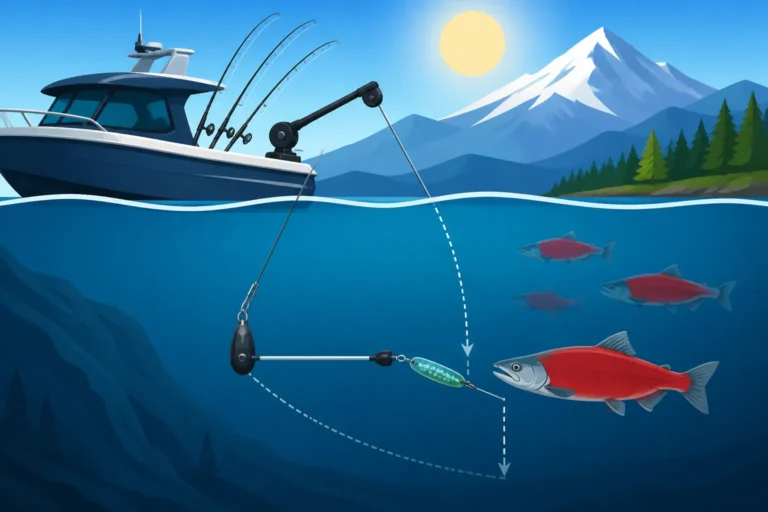
Trolling is the dominant technique for salmon in saltwater, utilizing downriggers to present bait (like herring or anchovies) or lures (spoons, hootchies, flasher-fly combinations) at specific depths. Mooching, a method involving drifting with weighted bait, is also popular in certain areas and can be incredibly effective. Whether you're in a private boat or on a charter, the thrill of a hard-fighting Chinook or acrobatic Coho is a quintessential Washington summer experience. Always refer to the latest WDFW regulations, as marine area rules are incredibly dynamic and can change weekly, sometimes even daily, based on catch quotas.
Halibut and Bottomfish Offshore
For those who crave the deep blue, summer is when Washington's Pacific halibut season typically opens. These revered flatfish offer one of the most exciting and delicious saltwater fisheries available. While the season is usually short and determined by quota, often only open for a handful of specific days, the reward is well worth the effort. Areas off the coast, particularly near Westport and Neah Bay, are halibut hotbeds. You can learn more about Halibut Fishing Techniques for the Washington Coast for a successful outing.
Halibut are typically targeted by anchoring and deploying large baits (like salmon heads, octopus, or large chunks of herring) on the seafloor, often in depths ranging from 100 to 600 feet. Heavy tackle is a must, as these fish can grow to immense sizes. Alongside halibut, lingcod, and various rockfish species are also active offshore, providing excellent bottom fishing opportunities. Many anglers prepare their gear well in advance, stocking up on heavy jigs and sturdy line, which are readily available through retailers like Amazon, to ensure they're ready when the halibut window opens. Remember to have a descending device on hand for rockfish, as proper release is crucial for their survival.
Warmwater Species and High Mountain Lakes
As temperatures soar, many of Washington's lakes and slow-moving rivers become prime for warmwater species. Largemouth and smallmouth bass fishing heats up, with topwater action in the mornings and evenings and deep-water techniques during the day. Lake Washington, Lake Sammamish, and numerous lakes in Eastern Washington are excellent bass fisheries. Walleye fishing on the Columbia River also hits its stride, with anglers trolling crankbaits or jigging for these toothy predators.
Beyond the lowlands, the melting snow in the Cascades and Olympics grants access to hundreds of high-mountain lakes. These pristine, often remote bodies of water are stocked with various trout species, offering incredible solitude and stunning scenery alongside fantastic fishing. Fly fishing or casting small spinners are popular methods here. Summertime truly caters to every angling preference, from intense big-game pursuits to tranquil, scenic escapes.
Autumn's Grand Finale: Fall Salmon and Steelhead Runs (September, October, November)
As the vibrant colors of autumn sweep across Washington, the fishing calendar enters one of its most anticipated and productive phases: the fall salmon runs. This season is a grand finale, drawing massive numbers of Chinook, Coho, Chum, and even Pink salmon into rivers, alongside the return of winter steelhead to some systems. It's a time of abundance, diverse opportunities, and often, incredible fishing action.
The Great Fall Salmon Migration
September and October are synonymous with epic salmon fishing in Washington. The Columbia River mouth at Buoy 10, then upstream, sees millions of Chinook and Coho making their final journey. Rivers feeding Puget Sound, like the Skagit, Snohomish, Green, and Puyallup, become choked with returning salmon, offering fantastic bank and boat fishing opportunities. Further south, the Cowlitz River, Kalama River, and Lewis River all see strong runs of fall Chinook and Coho, with Chum salmon joining the mix later in the season.
Techniques vary by river and species. For Chinook, back-trolling plugs or running heavy jigs and bait under a float are common. Coho are often aggressively caught on spinners, twitching jigs, or drift fishing with bait. Chum salmon, while less sought after for table fare, provide incredible fights and are a blast on flies or jigs. Learning How to Fill Out a Washington Catch Record Card is critical, as every salmon kept must be immediately recorded. Many anglers find it helpful to research specific river conditions and techniques, and forums often recommend specific brands of tackle, many of which can be found and reviewed on Amazon.
Early Winter Steelhead and Sea-Run Cutthroat
While salmon dominate the fall headlines, late autumn also marks the very earliest arrivals of winter steelhead in some rivers, particularly on the Olympic Peninsula. These early fish are often bright and aggressive, offering a sneak peek into the season to come. Anglers dedicated to steelheading will begin scouting their favorite runs, ready for the first chrome beauties to push upstream.
Additionally, fall is an excellent time for targeting sea-run cutthroat trout in the estuaries and lower reaches of Puget Sound rivers. These aggressive predators chase baitfish, providing exciting light-tackle action on flies, small spoons, or spinners. They're a favorite among fly anglers who enjoy sight-fishing for these beautiful, olive-backed trout. The cool, crisp air of autumn, combined with the vibrant fall foliage, creates a picturesque backdrop for these exciting fisheries.
Eastern Washington Trout and Kokanee
East of the Cascades, lakes and reservoirs continue to offer excellent fishing in the cooler fall temperatures. Rainbow and brown trout become more active, feeding heavily before winter sets in. Fly anglers will find good dry fly and nymphing opportunities on rivers like the Yakima. Kokanee fishing can also remain strong, with fish schooling up and becoming more aggressive as their spawning season approaches.
Walleye and bass fishing in large systems like the Columbia and Snake Rivers can still be productive, especially in the early fall. The crowds often thin out significantly compared to summer, offering a more tranquil experience. Whether you're chasing the last big salmon of the year, anticipating the first winter steelhead, or enjoying the crisp air targeting resident trout, autumn provides a fittingly grand conclusion to Washington's primary fishing seasons.
Beyond the Calendar: Adapting to Washington's Dynamic Rules
While a month-by-month guide provides a general roadmap, fishing in Washington State is rarely as straightforward as simply following a fixed calendar. The WDFW constantly monitors fish runs, habitat conditions, and recreational harvest to ensure sustainable fisheries. This dedication to conservation means that "in-season" rule changes, emergency closures, and special restrictions are a regular part of angling life here. Ignoring these updates can quickly turn a fantastic fishing trip into a frustrating or even illegal one.
Emergency Rule Changes and Their Impact
One of the most significant challenges for Washington anglers is keeping up with emergency rule changes. These can occur for various reasons: unexpectedly high or low fish returns, critical habitat concerns, or unforeseen environmental factors like drought or flooding. For instance, a promising salmon fishery might suddenly close if catch rates exceed initial projections, or a specific river section might be restricted to catch-and-release only to protect vulnerable wild steelhead stocks. These changes are designed to protect the resource, but they undeniably create a puzzle for anglers trying to plan their outings.
It’s not uncommon for a scheduled opening to be delayed, or for a season to close prematurely. This means that checking the WDFW website for the latest "Emergency Rules" is not just good practice, it's mandatory. Many veteran anglers make it a habit to check the WDFW updates the night before, or even the morning of, a planned trip. These rules often specify changes to daily limits, gear restrictions (e.g., barbless hooks only, bait bans), or even complete closures of certain areas. Knowing Emergency Rule Changes: Why Washington's Rules Shift Mid-Season can save you a lot of headache.
Reading the Regulations Pamphlet and Online Resources
The official WDFW Sport Fishing Regulations Pamphlet is your bible. It's available both in print at license vendors and online, and it outlines all the standing rules for different species, waters, and seasons. However, remember that the pamphlet only covers the start of the season; any emergency changes supersede what's printed. Therefore, regular consultation of the WDFW's online emergency rules page is non-negotiable.
Beyond the official WDFW resources, many online fishing forums, local tackle shops, and fishing report websites provide real-time updates and discussions that can be incredibly valuable. These communities often share observations on water conditions, recent catches, and local interpretations of rules. Combining the official WDFW information with community insights can give you the most comprehensive picture. For specific river sections or marine areas, understanding Reading the Washington Sport Fishing Regulations Pamphlet is a foundational skill for any angler in the state.
Adapting Your Approach
Ultimately, successful fishing in Washington requires flexibility and adaptability. A plan for a particular river might need to be scrapped last minute in favor of a lake or a different marine area if emergency rules dictate. This constant flux means having backup plans, or at least a willingness to pivot, is key. It's also why many anglers invest in versatile gear that can be used for multiple species and techniques.
Carrying Your Washington Fishing License: Paper, Phone or the MyWDFW App along with your Catch Record Card (if required for salmon or steelhead) is also a must. The MyWDFW app can be a handy tool for accessing regulations on the go. While the dynamic nature of Washington's fishing seasons can sometimes feel overwhelming, it’s also what makes angling here so rewarding. It forces you to be engaged, informed, and constantly learning, ensuring that every successful trip is a testament to both your skill and your diligence in navigating our unique waters.
Gear Up for Washington's Changing Seasons
Successfully navigating Washington's diverse fishing seasons isn't just about knowing when and where to go; it's also about being properly equipped. Our state's weather can be notoriously unpredictable, swinging from calm sunshine to driving rain and biting winds in a matter of hours. Having the right gear, from rods and reels to appropriate clothing, can make all the difference between a memorable day on the water and a miserable one.
Essential Clothing and Outerwear
No matter the season, layering is the golden rule for fishing in Washington. Even on a seemingly warm summer day, the marine air or mountain chill can surprise you. A good base layer, an insulating mid-layer (like fleece), and a waterproof, windproof outer shell are non-negotiable. For winter fishing, especially steelhead, investing in high-quality breathable waders and a heavy-duty waterproof jacket is paramount. Nothing saps morale faster than being cold and wet.
Consider waterproof gloves, a warm hat, and sturdy, comfortable waterproof boots. Many reputable brands offer excellent options that can withstand our Pacific Northwest elements. You can often find a wide selection of durable, performance-driven fishing apparel and rain gear on Amazon, complete with user reviews that can help guide your purchase. Don't skimp on quality here; your comfort and safety depend on it.
Rods, Reels, and Line for Various Fisheries
Given the array of species and techniques, a single "all-purpose" rod and reel setup simply won't cut it for serious Washington anglers. While a medium-heavy spinning rod might cover some bases, dedicated setups will significantly improve your success rate.
- Trout/Panfish: A light to ultralight spinning rod (6-7 feet) with a small reel (1000-2500 series) spooled with 4-8 lb monofilament or braid is perfect for stocked lakes.
- Salmon/Steelhead (Rivers): Depending on the technique, you might need a longer drift rod (8'6" to 10'6") with a baitcasting or large spinning reel for drift fishing or bobber dogging. For twitching jigs or casting spinners, a medium-heavy spinning rod (7-8 feet) is common. Line weights typically range from 12-25 lb monofilament or fluorocarbon, or heavier braid with a leader. Learn more about Drift Fishing for Steelhead in Washington Rivers.
- Salmon (Saltwater): For trolling in Puget Sound or offshore, heavy-duty conventional rods paired with robust level-wind reels (e.g., 20-40 lb line) are essential, often used with downriggers.
- Bottomfish/Halibut: Very heavy conventional gear is required for these deepwater fighters. Stout rods with reels capable of holding hundreds of yards of heavy braid (50-100 lb) are standard.
It’s wise to start with a versatile freshwater setup and a saltwater setup, then gradually add more specialized gear as you hone in on your preferred fisheries. Many experienced anglers look for deals on Amazon for new reels or specialized rods during the off-season.
Tackle, Tools, and Safety Gear
Beyond rods and reels, your tackle box will vary wildly by target species. For trout, an assortment of PowerBait, worms, small spinners, and jigs is a good start. For salmon, you'll need a selection of flashers, spoons, hootchies, and bait (herring, anchovies, scent). Steelhead anglers will stock up on beads, yarn, jigs, and perhaps roe. Always carry extra hooks, weights, and leader material.
Don't forget essential tools: pliers, line clippers, a measuring tape (for legal size limits), a net, and a stringer or cooler for your catch. Safety gear is paramount, especially when fishing from a boat or wading in rivers. This includes a well-fitted life jacket for everyone on board, a first-aid kit, communication devices (cell phone, VHF radio), and for boaters, flares and signaling devices. Even bank anglers should carry a whistle and let someone know their plans. Investing in a good quality fishing backpack or tackle bag, available from various brands on Amazon, can help keep all your essential gear organized and easily accessible.
Disclaimer
The information provided in this guide is for general informational purposes only and is subject to change. Washington State fishing regulations are complex and frequently updated by the Washington Department of Fish and Wildlife (WDFW). It is the sole responsibility of the angler to check the most current WDFW regulations, emergency rule changes, and local advisories before engaging in any fishing activity. Failure to do so may result in fines or penalties. Always prioritize safety and ethical angling practices.