Winter vs Summer Steelhead Runs in Washington, Explained
It can be incredibly confusing, even for seasoned anglers, to hear talk about "winter steelhead" and "summer steelhead" in Washington. Many folks wonder if it's just a timing difference, or if these are entirely distinct fish with unique behaviors and preferences. The reality is, while they're the same species, their life cycles and how they interact with our rivers are dramatically different, leading to vastly different fishing experiences. This comprehensive guide will demystify these two iconic runs, exploring their nuances so you can better understand and prepare for chasing them throughout the year.
The Fundamental Difference: Timing and Life Cycle
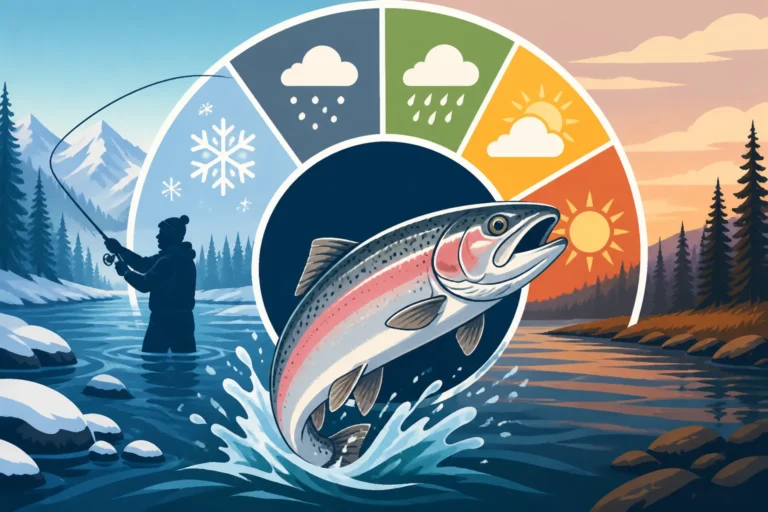
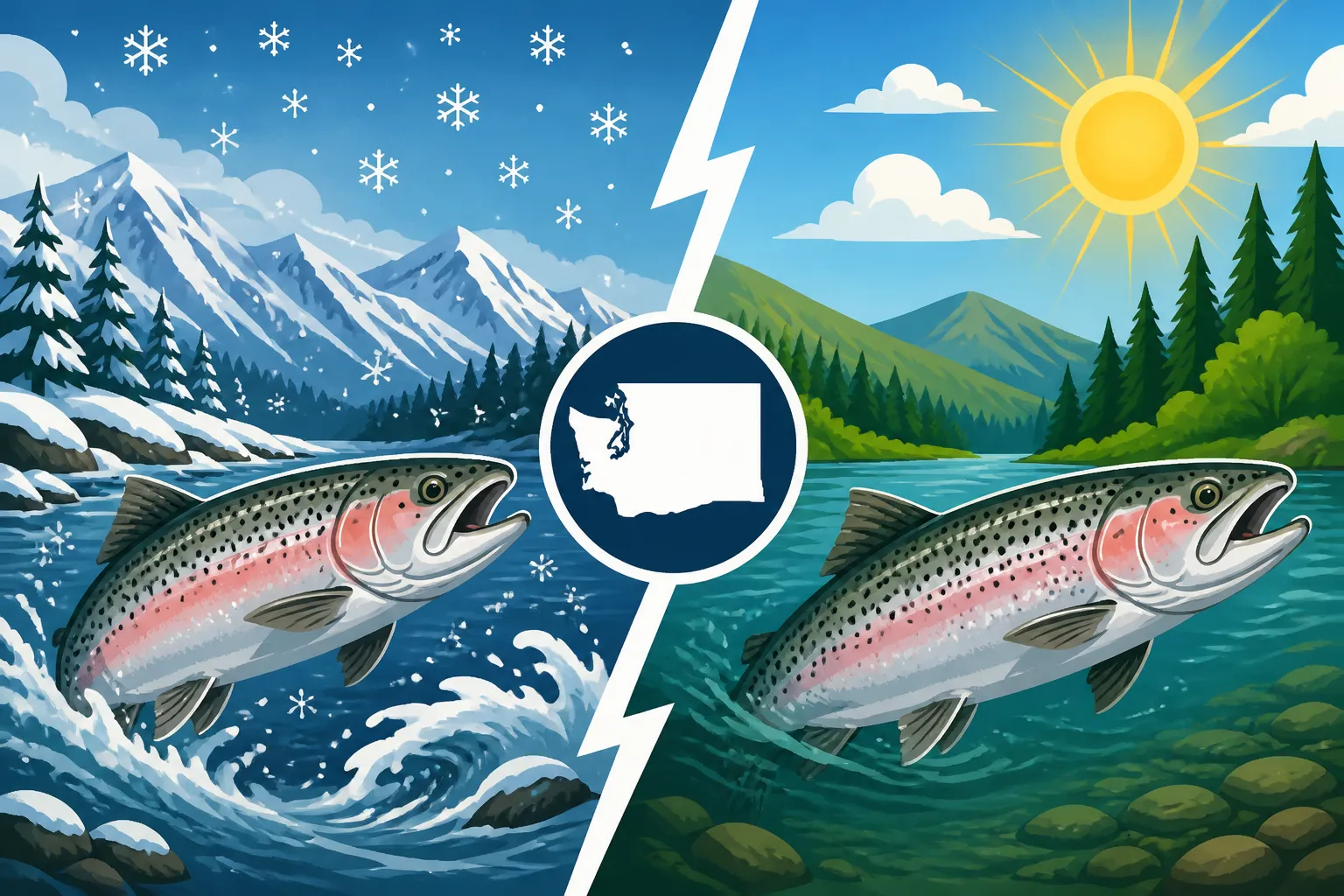
At its core, the distinction between winter and summer steelhead boils down to when they enter freshwater from the ocean and how long they reside there before spawning. Both are anadromous rainbow trout – meaning they start in freshwater, migrate to the ocean to feed and grow, and then return to freshwater to spawn. But their internal clocks are set differently, leading to fascinating variations.
When Winter Steelhead Arrive and Spawn
Winter steelhead are often called "stream-ready" spawners. They enter Washington's rivers typically from late fall through early spring, generally peaking between December and March. When these fish push into the river systems, they are already sexually mature or very close to it. Their primary goal is to find suitable spawning grounds, and they don't linger in the mainstem rivers for extended periods simply to feed or develop further. They're on a mission, navigating often cold, high, and murky winter waters. This urgency impacts their behavior significantly; they're less likely to be actively feeding and more focused on holding in prime travel lanes or resting lies as they make their upstream journey. Think of them as sprinters, quickly moving through the system to complete their reproductive cycle, which usually occurs in late winter or early spring shortly after they arrive.
The challenge for anglers targeting winter steelhead often lies in these harsh conditions. You might be fishing in freezing temperatures, dealing with rain, snow, and rivers that are high and off-color. The fish are often more sluggish, requiring different presentations and a keen understanding of where they might hold in turbulent water. It's a test of perseverance and knowing how to read water in difficult conditions.
The Journey and Spawning Cycle of Summer Steelhead
Summer steelhead, on the other hand, are often referred to as "stream-maturing" fish. They begin their freshwater migration much earlier, typically entering rivers from late spring through late summer, with runs often peaking in June, July, and August. Unlike their winter counterparts, summer steelhead are not yet ready to spawn when they first enter the river. Instead, they spend many months, sometimes up to a year, holding in the freshwater system, maturing sexually before they eventually spawn the following spring.
This extended freshwater residency completely changes their behavior. Since they have a long wait before spawning, they are often more active, aggressive, and willing to feed during their time in the river. They'll seek out cool, oxygenated holding water, often in larger pools, tail-outs, and riffles, where they can conserve energy and occasionally feed on insects or small fish. Their long residency also makes them susceptible to different pressures and makes them a favorite target for fly anglers due to their willingness to rise for a dry fly or chase a swung fly. Their spawning typically takes place in the spring, around March to May, long after their initial entry.
The "Residency" Factor: Why Some Hang Out Longer
The extended residency of summer steelhead is a key evolutionary difference. While the exact biological triggers are still being studied, it's believed to be linked to the availability of specific spawning grounds and the need for more time to develop eggs and milt in the freshwater environment. Winter steelhead often head into smaller tributaries almost immediately to spawn, while summer steelhead utilize different, often larger, river sections as holding water before moving into those same or similar spawning grounds later. This difference in "hang time" in the river impacts everything from their physical condition and aggressiveness to their preferred holding lies and susceptibility to different angling techniques. Understanding this residency factor is crucial for success, as it dictates how and where you'll find them at various points in their journey. It also speaks to the incredible adaptability of Steelhead: Washington's Ocean-Run Rainbow Trout, a species that has evolved distinct strategies to thrive in varied conditions.
Where They Live: Geographic Distribution and River Preferences
While both winter and summer steelhead call many of Washington's rivers home, their preferred habitats, migration routes, and the health of their runs can vary significantly by region and river system. Knowing where each run thrives is key to planning your fishing adventures.
Classic Winter Steelhead Rivers in Western Washington
Western Washington is undeniably the heartland of winter steelhead fishing. Rivers draining the Olympic Peninsula and the western slopes of the Cascade Mountains are legendary for their powerful winter runs. Think of iconic rivers like the Cowlitz River for Steelhead and Salmon in Washington, the Skagit, the Skykomish, the Green, the Chehalis, and the rivers of the Olympic Peninsula like the Sol Duc, Hoh, and Queets. These rivers often have higher flows and cooler temperatures throughout the winter, which are ideal conditions for winter steelhead.
The topography here also plays a role. Many of these rivers are rain-fed, meaning their water levels can fluctuate wildly with winter storms. Winter steelhead are built to navigate these powerful currents, seeking out slower seams, bedrock slots, and the "soft water" behind obstructions where they can rest without expending too much energy. The deep green or blue-green color of these rivers in winter is often synonymous with the pursuit of a chrome bright winter steelie. Anglers frequently focus on the lower and mid-sections of these systems early in the season, following the fish as they push further upstream with continued high water.
Prime Destinations for Summer Steelhead Anglers
Summer steelhead, while less common on the Puget Sound tributaries than their winter counterparts, have strongholds in other parts of Washington. The Columbia River Fishing in Washington: A Complete Overview and its tributaries are famous for their summer-run fish. The Snake River, the Wenatchee, the Yakima, and the Klickitat are prime examples of rivers known for robust summer steelhead populations. These rivers, particularly those east of the Cascades, experience warmer summer temperatures and lower, clearer water conditions.
Summer steelhead seek out cooler, well-oxygenated refuge in these warmer environments. They often hold in the deepest, shadiest pools, at the mouths of cool tributaries, or in the fast-moving, aerated water of riffles and rapids. Their active nature in the summer also means they're often found in areas with good current, making them excellent targets for swung flies or aggressive presentations. Rivers like the Yakima are particularly renowned for their fly-fishing opportunities for these active summer fish, which can offer thrilling fights in the often crystal-clear flows.
Overlap Zones and Hybrid Runs
While the distinction between winter and summer runs is generally clear, nature always offers exceptions. Some larger river systems, particularly the mighty Columbia and its larger tributaries, can see both winter and summer steelhead runs, sometimes with significant overlap in early spring or late fall. This can create unique angling opportunities, but also add a layer of complexity to understanding and adhering to specific regulations.
Furthermore, some rivers might have smaller, less distinct "fringe" runs that blur the lines between traditional winter and summer timings. These situations highlight the importance of always checking the latest regulations and understanding specific river rules, as even subtle differences in timing can influence gear restrictions or retention limits. The Washington Department of Fish and Wildlife (WDFW) frequently issues emergency rule changes that can affect fishing, making it essential to consult resources like the Washington Sport Fishing Seasons and Emergency Closures guide regularly. These overlap zones are fascinating and often provide longer seasons, but they demand extra diligence from anglers to ensure they're fishing legally and sustainably.
How They Behave: Fishing Strategies and Tackle Considerations
Given their different life cycles and river residency, it's no surprise that catching winter and summer steelhead often requires distinct strategies, gear, and techniques. What works like a charm for one might be completely ineffective for the other.
Gear and Techniques for Winter Steelhead
When you're chasing winter steelhead, you're often contending with high, cold, and often murky water. This means getting your presentation down to the fish, which are frequently holding deep and tight to the bottom in seams and pockets. Therefore, drift fishing is incredibly popular, using lead or heavy floats to get bait (like cured roe or shrimp), artificial lures (like Corkies and Cheaters), or jigs right into their strike zone. Back-bouncing techniques are also very effective, allowing you to systematically cover deep water.
Your gear needs to match these conditions. Longer, powerful rods (8.5 to 10.5 feet, medium-heavy action) are common for drift fishing, allowing for good line control and shock absorption for heavy fish in strong currents. Strong mainlines (12-20 lb monofilament or braid) and fluorocarbon leaders are essential. Terminal tackle often includes heavier weights, larger hooks (sizes 1/0 to 3/0), and brighter, more visible baits or lures to stand out in cloudy water. Many anglers swear by the effectiveness of brightly colored yarn balls or "beads" in off-color water. For more on this, check out our guide on Drift Fishing for Steelhead in Washington Rivers. You'll also want to prioritize durable, waterproof gear, as you'll likely be out in some miserable weather. Items like high-quality Gore-Tex jackets and waders are practically necessities; many anglers find reliable options on Amazon.
Tactics and Tackle for Summer Steelhead
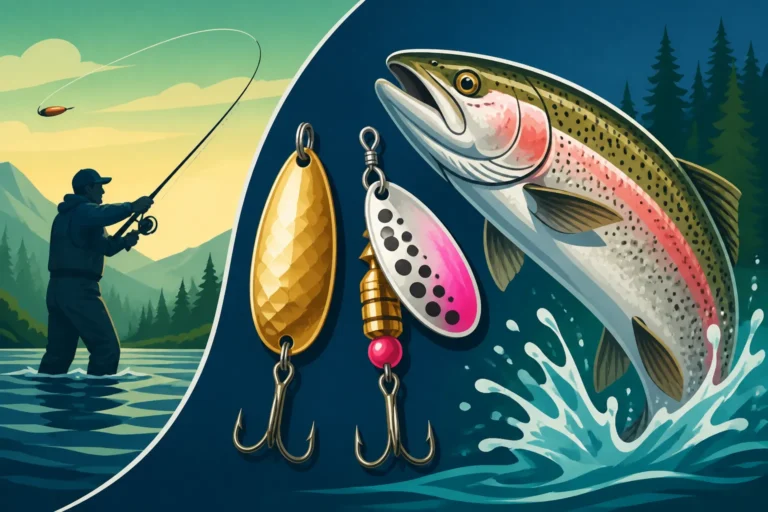
Summer steelhead fishing, by contrast, is often about finesse, stealth, and triggering aggressive takes from fish that are more active. With lower, clearer water conditions, presentations need to be more subtle and natural. Fly fishing becomes incredibly effective, with anglers swinging flies (like Spey flies or traditional wet flies), nymphing, or even throwing dry flies to rising fish. For conventional gear anglers, casting spinners, spoons, or small jigs can be deadly, as these fish are often willing to chase. Float fishing with lighter gear and smaller jigs or natural baits can also be productive in deeper pools.
Rods for summer steelhead are generally lighter and often longer than winter rods. Fly rods in 7-9 weight with matching reels are common, while spinning or casting rods might be 8-10 feet with a lighter action. Smaller, lighter lines (8-12 lb test) and lighter fluorocarbon leaders (6-10 lb) are standard. Terminal tackle includes smaller hooks (sizes 2 to 4), smaller, more natural-colored lures, or delicate fly patterns that imitate insects or small baitfish. The emphasis is on natural drift and presentation rather than brute force. Knowing When Summer Steelhead Run in Washington can also dictate when to focus on these lighter tactics.
Adapting to Water Conditions
The single most critical factor influencing steelhead behavior, regardless of the season, is water condition. This is where experience and local knowledge truly shine.
- High, Murky Water (Winter): In these conditions, fish tend to be pushed to the edges of the river, into slower seams, behind structure, or in the inside bends. They rely heavily on scent and vibration. This is when heavy gear, bright baits, and covering water systematically become paramount. Focus on slower drifts through likely holding water.
- Low, Clear Water (Summer): Steelhead in clear water are easily spooked. Stealth is key. Long casts, light leaders, and accurate presentations are necessary. They often hold in the deepest, fastest, or most oxygenated parts of a pool. Sometimes, they'll be found "tailing out" into faster water at the head or tail of a run. Fly anglers might focus on early morning or late evening when light is low and fish are more active.
- Optimal Conditions (Both): There's a sweet spot for both seasons. For winter, it's often a dropping, clearing river after a storm, with water temperatures slowly rising. For summer, it's stable, cool flows, perhaps after a cool night, or on overcast days when fish are more comfortable moving around. Always check river flow data and weather forecasts before heading out; these tools are available from many state and federal sources and can be invaluable.
Regulatory Realities: Seasons, Limits, and Conservation
Fishing for steelhead in Washington comes with a labyrinth of regulations that vary not just by river and season, but also sometimes by specific sections of a river and whether you're targeting wild or hatchery fish. Understanding these rules is not just about avoiding fines; it's about responsible angling and conserving these precious resources.
Navigating Washington's Winter Steelhead Regulations
Winter steelhead seasons are highly regulated, and for good reason. Many wild winter steelhead runs are struggling, leading to catch-and-release rules or selective fisheries in many areas. It's not uncommon to find rules like "selective gear rules" which might restrict bait use, mandate single-point barbless hooks, or prohibit lead weights. Knowing Barbless Hook Requirements on Washington Rivers is crucial. Bag limits, when retention is allowed, are typically very conservative (often one or two hatchery steelhead), and wild steelhead are almost universally catch-and-release only.
The complexity also arises from "in-season" rule changes. The Washington Department of Fish and Wildlife (WDFW) constantly monitors returns, and if numbers are lower than projected, emergency closures or further restrictions can be implemented with little notice. This is why always checking the WDFW website or the Fish Washington App before every trip, even to a river you fish often, is non-negotiable. Missing a closure could result in significant penalties.
Understanding Summer Steelhead Seasons and Rules
Summer steelhead regulations, while also complex, can sometimes offer longer open seasons, particularly on larger systems like the Columbia and its tributaries. However, these runs also face conservation challenges, especially for wild fish, so catch-and-release for wild steelhead is common. Hatchery summer steelhead might have retention opportunities, but these are often limited.
One significant factor for summer steelhead is water temperature. As summer progresses, river temperatures can rise, putting stress on fish. WDFW often implements "hoot owl" closures, restricting fishing to cooler morning hours, or even full closures if water temperatures become critically high. These measures are designed to reduce angler-caused stress on fish, especially those that will hold in the river for months before spawning. Adhering to these rules and practicing careful Catch-and-Release Rules During Wild Steelhead Closures is vital for the survival of these fish.
The Importance of Wild vs. Hatchery Steelhead
Perhaps the most critical distinction in Washington steelhead fishing regulations revolves around whether a fish is wild or hatchery-origin. Hatchery steelhead are typically marked with a clipped adipose fin, a small fleshy fin on their back between the dorsal and tail fins. This "adipose clip" is the universal indicator that a fish came from a hatchery.
- Hatchery Steelhead: These are generally the only fish you're allowed to keep, if a retention season is open. Hatchery programs are designed to supplement fisheries and provide harvest opportunities, while minimizing impact on wild populations.
- Wild Steelhead: These fish, identified by an intact adipose fin, are almost always protected. If you catch a wild steelhead, you must release it immediately and unharmed. This is a cornerstone of conservation efforts aimed at preserving the genetic diversity and natural spawning capabilities of Washington's native steelhead. The distinction is so important that there are specific penalties for keeping a wild steelhead, even accidentally. Our guide on Wild Steelhead vs Hatchery Steelhead in Washington delves deeper into this crucial topic. Always double-check your catch for that fin clip.
Common Misconceptions and Local Wisdom
Despite their popularity, steelhead fishing is full of nuances, and many common misunderstandings can trip up even experienced anglers. Knowing the local wisdom and debunking myths can significantly improve your success and appreciation for these magnificent fish.
Are They Different Species? Debunking Myths
One of the most persistent myths is that winter and summer steelhead are entirely different species. This is absolutely incorrect. Both are Oncorhynchus mykiss, the same species as rainbow trout. The difference is purely in their run timing and life history strategy, an adaptation that allows them to exploit different environmental windows and reduce competition for spawning grounds. Think of them as different "strains" or "ecotypes" within the same species, similar to how different varieties of apples are still all apples. They look almost identical, especially fresh from the ocean, though summer steelhead might appear slightly leaner after their long freshwater residency. The true differences lie in their behavior and internal biological clocks, not their genetic species classification. For a deeper dive into their biology, check out Steelhead vs Rainbow Trout: What's the Difference?
Weather's Impact: Beyond Just Temperature
Many anglers focus heavily on water temperature and river height, and while these are crucial, weather's impact goes far beyond. Barometric pressure changes, for instance, can significantly affect fish behavior. A sudden drop in pressure, often associated with an incoming storm, can sometimes trigger fish to become more active or move upstream. Conversely, a stable high-pressure system might make fish less active or hold deeper.
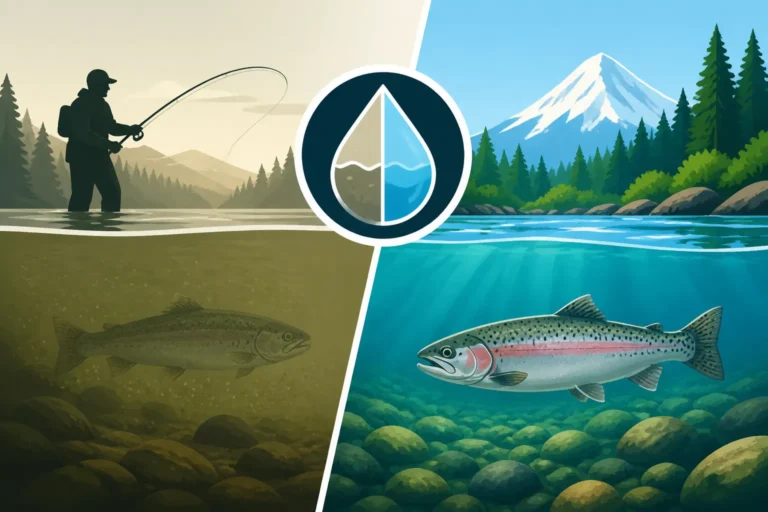
Rainfall itself is a double-edged sword. While fresh rain can bring new fish into the river, heavy downpours can "blow out" a river, making it unfishable due to extreme turbidity and high flows. A perfect scenario for winter steelhead is often a steady, gentle rain or a period of cold but dry weather after a blow-out, allowing the river to drop and clear slightly. For summer steelhead, hot, sunny days can drive them into deep, shaded lies, while overcast conditions might encourage them to move and feed more actively. Local guides and experienced anglers have learned to "read the weather" almost as much as they read the water.
Local Knowledge: A Guide's Perspective
No matter how many articles you read or videos you watch, there's no substitute for local knowledge. This is where fishing guides and long-time local anglers truly shine. A good guide doesn't just know where the fish are; they understand the nuances of a specific river system, how it reacts to different weather patterns, and the subtle changes in fish behavior year after year. They've spent countless hours on the water, observing.
For instance, a guide on the Olympic Peninsula might know that after a specific level of rainfall, the Bogachiel River will be perfect, but the nearby Calawah will still be too high. Or that on the Yakima, a particular hatch will bring summer steelhead to the surface in a specific stretch. They can also provide invaluable insights into the ethical and practical realities of fishing a particular run, helping you navigate the sometimes complex rules and ensure you're practicing good stewardship. If you're new to an area or targeting a run you've never fished before, booking a day with a local guide is one of the best investments you can make. They can provide not just fishing tips but also insights into the specific gear that works best locally, from the brand of beads to buy on Amazon to the optimal leader length for a challenging run.
Preparing for Each Run
Preparation is key to a successful and enjoyable steelhead trip, whether you're battling the elements for a winter fish or stalking a summer swimmer in clear water. Your gear, clothing, and even your physical mindset need to be tailored to the season.
Essential Gear for Winter Steelhead Trips
Winter steelhead fishing demands robust gear designed to withstand harsh conditions. First and foremost, you need proper outerwear. Investing in a high-quality, waterproof and breathable jacket and bib-style waders is non-negotiable. Look for materials like Gore-Tex or similar technologies that keep you dry without making you overheat. Layering is crucial: think thermal base layers, fleece mid-layers, and a good down or synthetic puffy jacket for insulation under your shell. Don't forget waterproof gloves and a warm hat.
Beyond clothing, your fishing gear needs to be up to the task. Heavy-duty reels with smooth drags are essential for battling powerful fish in strong currents. Keep your line fresh and strong; cold weather can make old monofilament brittle. A selection of weights, leaders, hooks, and baits tailored for deep, swift water is a must. Many anglers also bring a sturdy wading staff for safety in slippery, high water and a reliable headlamp for early starts or late finishes. A well-stocked tackle box, perhaps with items ordered from Amazon, ensures you're ready for any situation. Remember, the weather can change quickly, so always pack for the worst, even if the forecast looks good. Our article on Rain Gear You Need for Winter Steelheading has more detailed advice.
Packing Light for Summer Steelhead Adventures
Summer steelhead trips often involve more walking, hiking, and covering various stretches of river, sometimes in warm weather. Your gear should reflect this mobility and the generally clearer, lower water conditions. Lightweight, breathable clothing is key, and while waterproof outer layers might still be necessary for unexpected rain, they'll likely be lighter than winter versions. Sun protection is paramount: a wide-brimmed hat, sunglasses, and sunscreen are essential.
For your fishing kit, consider a smaller, more streamlined tackle bag or backpack. You might not need as many heavy weights or bulky baits. A selection of spinners, spoons, jigs, and perhaps some soft plastics should suffice for conventional anglers. Fly anglers will carry their fly boxes, tippet, and floatant. A good pair of comfortable wading boots, possibly with felt soles for better grip on slick rocks, will serve you well. A water bottle or hydration pack is crucial, as is a pair of reliable pliers or forceps for hook removal. You can find excellent, lightweight options for many of these items on Amazon. Since these fish are often catch-and-release, a camera is a great addition to capture memories.
Physical Preparation and Safety
Regardless of the season, steelhead fishing can be physically demanding. Wading in strong currents, hiking to remote spots, and battling powerful fish all take their toll.
- Winter: Cold weather saps energy quickly. Stay hydrated, bring plenty of high-energy snacks, and don't push yourself if you're feeling too cold or tired. Be extra vigilant about wading safety, especially if you're fishing alone. The currents can be deceptive, and a wading staff is a life-saver. Always tell someone where you're going and when you expect to return.
- Summer: Heat exhaustion and dehydration are major concerns. Drink plenty of water throughout the day, even if you don't feel thirsty. Take breaks in the shade. Be aware of slippery rocks, especially when wading in fast water. Also, be mindful of wildlife; bears are common in many river valleys. Carrying bear spray is a wise precaution in some areas.
For both seasons, having a basic first-aid kit is always a good idea. Knowing how to safely cross a river, identify potential hazards, and recognize signs of hypothermia or heat stroke can literally save your life. Washington's rivers are wild and beautiful, but they demand respect and preparation.
Disclaimer
Fishing regulations in Washington State can change frequently and unexpectedly. Always consult the official Washington Department of Fish and Wildlife (WDFW) regulations pamphlet and check for emergency rule changes on their website or app before heading out on any fishing trip. This article is for informational purposes only and should not be considered a substitute for official WDFW regulations.