Months of Washington’s Winter Steelhead Season
The exact timing of Washington's winter steelhead season can feel like a moving target, especially with fluctuating river conditions and in-season rule changes that often leave anglers scratching their heads. It’s tough to plan a trip or even know when to hit your favorite steelhead river without a clear understanding of when these elusive fish truly show up. This guide aims to clear up the confusion, outlining the typical months you can expect to find winter steelhead in Washington’s diverse waterways and offering practical advice for navigating the season successfully.
Understanding Washington's Winter Steelhead Runs
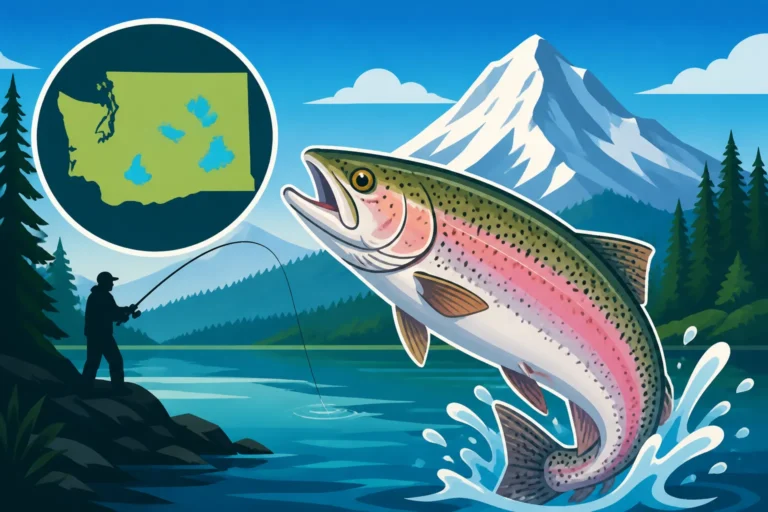
For many anglers in Washington, winter steelhead fishing isn't just a hobby; it's a deep-rooted tradition, a pilgrimage into the cold, rainy months in pursuit of one of the most magnificent freshwater gamefish. These incredible ocean-run rainbow trout return to their natal rivers during the colder parts of the year, offering a challenging yet incredibly rewarding fishing experience. Unlike their summer-run counterparts, winter steelhead typically enter rivers from late fall through spring, often when river flows are high and temperatures are low.
Differentiating Winter from Summer Steelhead
It's easy to get confused when talking about steelhead, especially since Washington hosts both winter and summer runs. The main distinction, beyond their appearance which can be subtle, is their timing. As we'll delve into here, winter steelhead are the fish that enter freshwater during the colder, rainier months, usually November through April, with their spawning typically occurring in late winter to early spring. Summer steelhead, on the other hand, enter rivers in spring and early summer, often holding in deeper pools through the warmer months before spawning the following spring. Understanding the difference is crucial for knowing when and where to target these magnificent fish. You can learn more about this distinction in our guide, Winter vs Summer Steelhead Runs in Washington, Explained.
The Allure of Winter Steelhead Fishing
Why do so many anglers brave the often-harsh winter weather – the icy rain, the biting winds, and the cold water – for a chance at a winter steelhead? It's simple: the challenge and the reward. These fish are powerful, often larger than their summer cousins, and they fight with an unparalleled vigor that tests both tackle and temperament. The solitude of a misty winter morning on a river, the anticipation with every cast, and the sheer thrill of hooking into a chrome-bright wild steelhead or a robust hatchery fish, makes it all worthwhile. It's a testament to dedication and a true connection with nature, especially when you're fishing one of The Best Steelhead Rivers in Washington.
Core Months of the Winter Steelhead Season
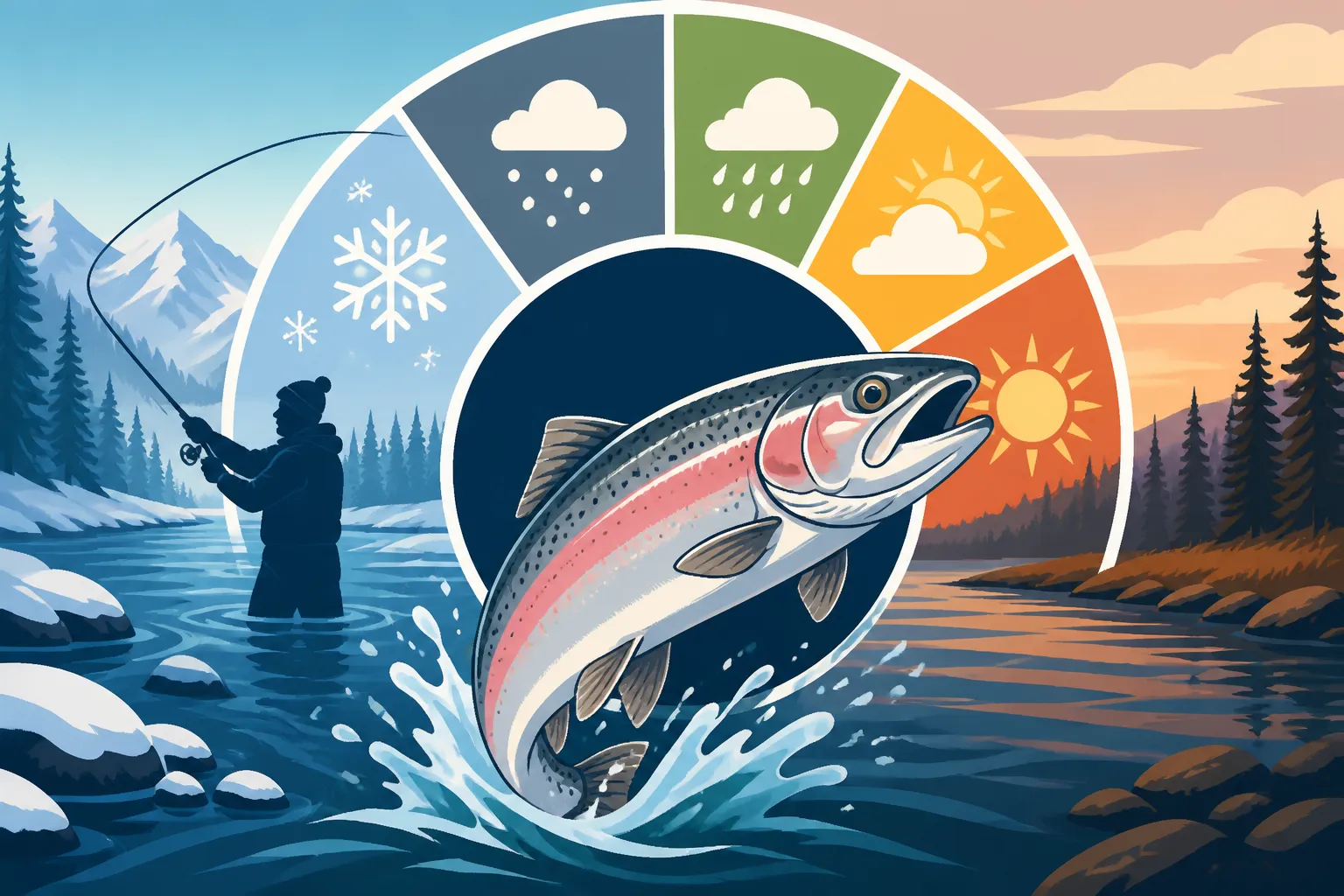
While specific dates can fluctuate year to year due to varying river conditions and biological factors, Washington's winter steelhead season generally kicks off in late November or early December and can extend well into April, and sometimes even May, in certain systems. The peak of the season, however, typically falls between December and March, when the majority of these anadromous fish are making their way upstream.
Western Washington Rivers
Western Washington is home to some of the state's most iconic winter steelhead fisheries, each with its own rhythm and prime periods.
- The Cowlitz River: Often considered one of the state's most reliable and longest-running winter steelhead fisheries, the Cowlitz River typically sees its first waves of winter steelhead arriving in December. The run often builds through January and February, peaking in mid-winter before gradually tapering off in March and April. You can find more details on Fishing the Cowlitz River for Steelhead and Salmon in Washington. This river, benefiting from significant hatchery programs, provides consistent opportunities even when wild runs are more constrained.
- The Skykomish River: A classic Puget Sound steelhead river, the Skykomish (including its forks) usually starts to see good numbers of winter steelhead by late December, with the season hitting its stride in January and February. March can still be excellent, especially for later-run fish. Anglers often frequent spots near Reiter Pond Hatchery Location on the Skykomish for better hatchery returns.
- The Skagit River: Historically renowned for its wild winter steelhead, the Skagit River's season is often heavily managed with an emphasis on conservation. While the general timeframe is similar to other Western Washington rivers (December to April), specific regulations can be highly restrictive, with closures or gear restrictions common. When open, the peak can be anywhere from January to March. Be sure to consult specific regulations for Washington's Skagit River and Its Winter Steelhead Run.
Coastal Rivers of the Olympic Peninsula
The Olympic Peninsula's wild, pristine rivers offer a different, often more challenging, winter steelhead experience, largely focused on wild fish. Their seasons tend to be slightly later, often peaking when Western Washington rivers are already starting to wind down.
- Hoh and Sol Duc Rivers: These legendary rivers on the Olympic Peninsula typically see their strong winter steelhead runs begin in late December or early January. The fishing often remains excellent through February and March, with some of the largest fish entering the system during this latter part of the season. Given their wild nature, these rivers are heavily dependent on rainfall and can fluctuate wildly. For in-depth information on these unique fisheries, check out Fishing Washington's Olympic Peninsula Rivers.
- Quillayute River System: Comprising the Sol Duc, Bogachiel, Calawah, and Dickey rivers, this system provides a prolonged winter steelhead opportunity. Fish generally start arriving in December, with peak fishing from January through March. The sheer number of tributary options allows anglers to spread out and find holding water.
Tributaries and Smaller Streams
Beyond the major rivers, numerous smaller tributaries and streams across Western Washington also host winter steelhead runs. These can often be productive for anglers willing to explore, especially during periods of stable flows after a significant rain event. The timing for these smaller systems usually mirrors that of their larger counterparts, though they can be more sensitive to rapid changes in water conditions, becoming fishable more quickly after a rain but also dropping out of shape faster.
Factors Influencing Season Length and Success
It's important to remember that these are general timelines. The actual start, peak, and end of the season can shift significantly from year to year due to a variety of environmental factors. Being prepared for these changes is part of being a successful winter steelhead angler.
Water Levels and Clarity
Winter steelhead fishing is intrinsically linked to rainfall and river conditions.
A sudden heavy rain can blow out a river, turning it into an unfishable chocolate milk torrent. Conversely, too little rain can leave rivers low and clear, making steelhead spooky and challenging to catch. The "sweet spot" often occurs a few days after a rain event, when rivers are dropping and clearing, but still have enough flow to encourage fish migration and provide good holding water. Monitoring river gauges and local fishing reports is critical.
Emergency Rule Changes
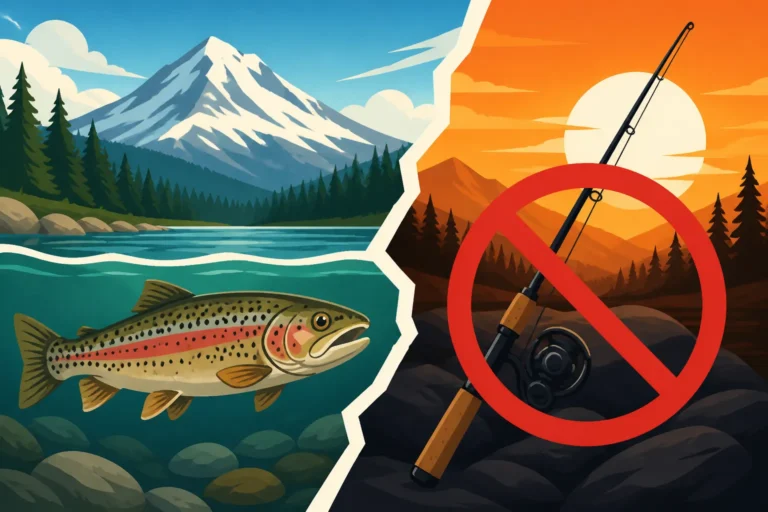
The Washington Department of Fish and Wildlife (WDFW) continuously monitors fish returns and can implement Emergency Rule Changes: Why Washington's Rules Shift Mid-Season to protect fragile runs or maximize fishing opportunities when conditions allow. These changes can come with little notice and drastically alter season dates, bag limits, or gear restrictions. For example, a river might be open for hatchery steelhead but closed for wild fish, or a bait ban might be implemented on certain sections. It's an unfortunate reality of modern fisheries management, but one that anglers absolutely must pay attention to. For the most up-to-date information, always check Where to Find Current Washington Fishing Rules.
Gear and Techniques for Winter Conditions
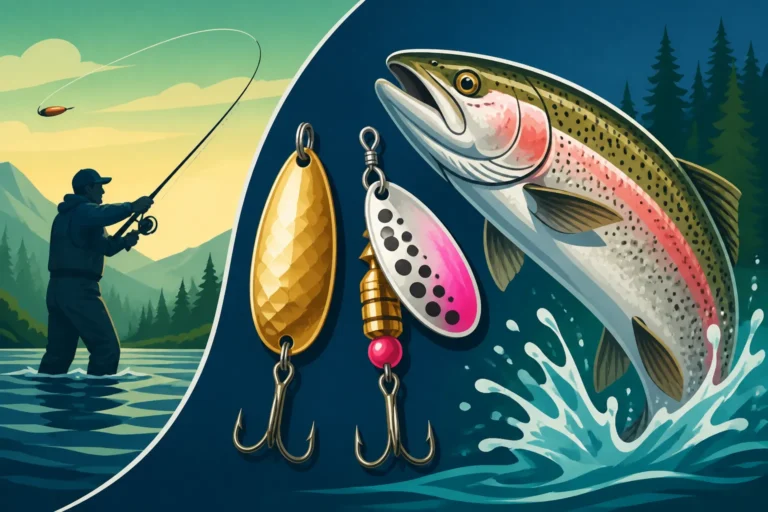
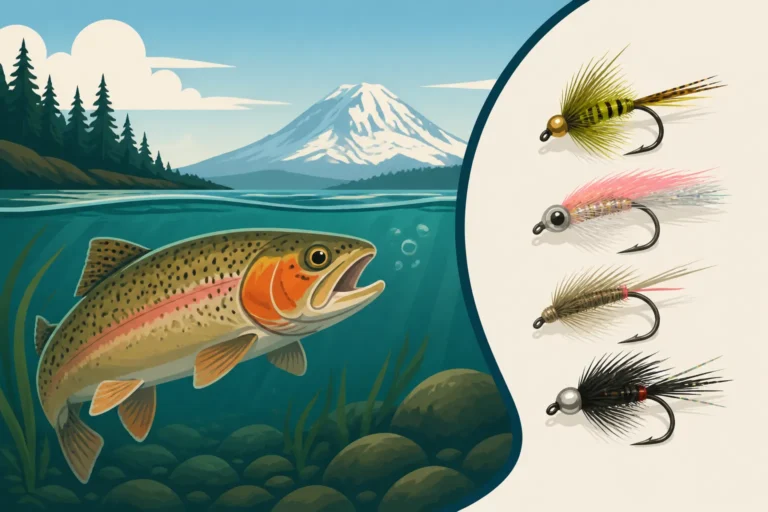
Being prepared with the right gear is essential for enduring the elements and successfully landing a winter steelhead. Warm, waterproof clothing is non-negotiable, including quality waders and a good rain jacket. Beyond apparel, having the correct tackle can make all the difference. Many anglers opt for drift fishing setups, using techniques like side-drifting or float-and-jig, which are highly effective in varying winter flows. When buying gear, check out reputable outdoor retailers like Cabela's or you can often find great deals on specific items like high-quality fishing line or durable waders on Amazon. Look for brands known for durability and performance in harsh conditions, whether it's a new baitcasting reel or a selection of proven jigs and beads. For those who prefer to cast lures, reliable spinning gear and a selection of spoons and spinners are a must. Don't forget a good landing net and a sturdy pair of pliers for unhooking fish. Even simple things like a thermos of hot coffee or soup can be a game-changer on a cold day. A headlamp from Amazon can be invaluable for pre-dawn starts or late evenings. For a deeper dive into techniques, our article on Drift Fishing for Steelhead in Washington Rivers is a great resource. You might also want to explore different fly patterns if you're a fly angler, stocking up on your favorites from fly shops or even a comprehensive fly-tying kit found on Amazon.
Navigating Regulations and Resources
Staying informed is paramount for any angler hoping to enjoy Washington's winter steelhead season responsibly and legally. The rules are complex, dynamic, and vary not just by river but often by specific sections of a river and even by species.
Checking Current WDFW Regulations
Before every single trip, and even in between trips if conditions change, you must check the latest regulations published by the WDFW. This usually means consulting their official website or calling the local WDFW hotline. The printed regulation pamphlet is a good general guide, but it cannot keep up with in-season emergency rule changes. A river that was open last week might be closed today, or a bait restriction might have been put in place. This is not a suggestion; it is a legal requirement. Ignorance of the law is not an excuse for violations. Familiarize yourself with the comprehensive guide, Washington Fishing Regulations Every Angler Should Know.
Catch Record Cards and Reporting
Any time you fish for salmon or steelhead in Washington, you're required to possess a valid The Washington Catch Record Card and What It Requires. This small but crucial document is your responsibility to fill out accurately and immediately upon retaining a legal fish. For steelhead, specifically, you must record your catch whether it’s a hatchery fish you’re keeping or a wild fish you've caught and released. Failure to properly fill out or return your Catch Record Card can result in fines. This data is vital for WDFW to monitor fish populations and manage future seasons.
Planning Your Winter Steelhead Adventure
With so many variables, planning a winter steelhead trip can feel daunting. Start by identifying a few target rivers based on their typical run timing and recent reports. Keep an eye on weather forecasts and river levels. Pack layers of warm, waterproof clothing. Consider if you'll be targeting hatchery fish, identified by a clipped adipose fin, or if you're practicing catch-and-release for wild steelhead. Always be mindful of your impact on the environment and practice ethical angling, especially when encountering Wild Steelhead vs Hatchery Steelhead in Washington. A well-planned trip, even if it doesn't result in a fish, is still a day spent in nature, honing your skills, and experiencing the incredible beauty of Washington's winter landscapes. Don't forget your fishing license, which you can conveniently purchase online or at various retailers, sometimes even at gas stations or sporting goods stores like those that stock products you might also find on Amazon.
Typical Winter Steelhead Season Overview by Region
To help visualize the general timing, here’s a table summarizing the peak months for winter steelhead in different parts of Washington. Remember, these are averages and highly subject to annual variations and WDFW rule changes.
| Region/River System | Typical Season Start | Peak Fishing Months | Typical Season End | Notes |
|---|---|---|---|---|
| Western Washington | ||||
| Cowlitz River | Early December | Jan, Feb | Late March, April | Consistent hatchery returns, long season. |
| Skykomish River | Late December | Jan, Feb | Mid-March | Good hatchery program. |
| Skagit River | December | Jan, Feb, Early March | March, Early April | Heavily managed, focus on wild fish. |
| Olympic Peninsula | ||||
| Hoh River | Late December | Feb, March | Mid-April | Wild, rain-dependent, can be later. |
| Sol Duc River | Early January | Feb, March | Mid-April | Wild, rain-dependent, can be later. |
| Quillayute System | December | Jan, Feb, March | April | Multiple river options, wild focus. |
Disclaimer
Fishing regulations in Washington State are subject to frequent change. The information provided in this guide is for general informational purposes only and does not supersede official WDFW regulations. Always consult the latest emergency rule updates and current fishing pamphlet before heading out on the water. It is the angler's responsibility to know and adhere to all applicable fishing laws and regulations.