When Pink Salmon Run in Washington
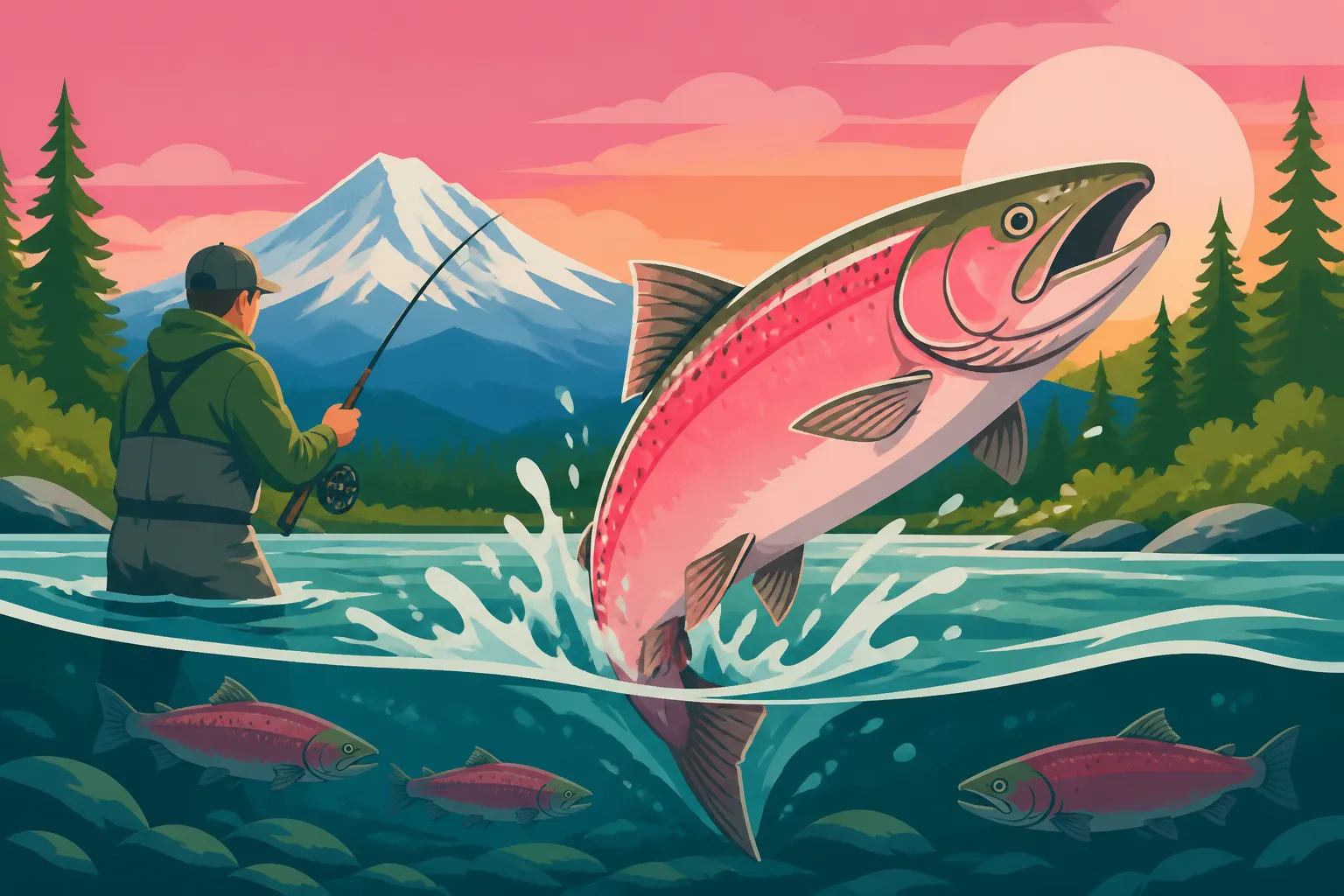
For many anglers in Washington, the pink salmon run feels like a whispered secret, a fleeting bounty that, if you blink, you might miss entirely. Unlike the more consistent annual returns of Chinook or Coho, these feisty "humpies" march to the beat of their own drum, appearing in epic numbers one year and then completely disappearing the next. This guide is dedicated to demystifying the unique timing and patterns of pink salmon runs in Washington, helping you understand when and where to intercept these energetic fish during their spectacular, yet infrequent, appearances.
Understanding Washington's Pink Salmon Runs: The "Odd-Year" Phenomenon
If you've ever heard whispers of "humpy year" or "even year, no pinks," you're tapping into the core mystery of Washington's pink salmon. These aren't your typical annual migrants; they operate on a very distinct, almost legendary, two-year life cycle that makes them a unique target. Missing a "humpy year" means waiting another 24 months for the next chance, which adds a certain urgency and excitement to their arrival.
The Biennial Nature of Pink Salmon Returns
The most fundamental aspect of pink salmon in Washington is their biennial, or two-year, life cycle. This means that a specific run of pink salmon, say in Puget Sound, will only return to spawn every other year. The vast majority of pink salmon returning to Washington's waters, especially the Puget Sound and Strait of Juan de Fuca, come back on odd-numbered years (e.g., 2023, 2025, 2027). This biological quirk is what creates the "feast or famine" scenario for anglers – one year sees millions of fish, the next virtually none.
This unique life history is deeply ingrained in their genetics. Pinks that spawn in an odd year produce offspring that will return two years later, in the next odd year. The same applies to the much smaller, and less common, even-year runs. Scientists believe this segregation into distinct odd-year and even-year lineages helps prevent interbreeding and competition, ensuring the survival of both groups, even if one is far more dominant in a particular region. For anglers, this biological reality is paramount: if it's an even-numbered year, you can largely forget about targeting pink salmon in Washington, and instead focus on other species like Coho Salmon Fishing in Washington or Chinook Salmon: Washington's King of Fish.
Understanding this biennial cycle isn't just academic; it dictates your entire fishing calendar. If you’re planning a trip to Puget Sound for salmon, knowing whether it's an odd or even year is the first thing you need to check. This characteristic makes the anticipation for "humpy years" incredibly high, as anglers know that when they do show up, the action can be fast and furious, offering some of the most accessible and exciting salmon fishing opportunities the state has to offer.
General Timing of Pink Salmon in Washington Waters
When it is an odd year, pink salmon generally begin to show up in Washington's marine waters in late July, with the runs building through August and typically peaking in early to mid-September. This window can vary slightly based on ocean conditions and the specific river system they are destined for, but August is undeniably the prime month for pink salmon fishing across Puget Sound.
As July draws to a close, the vanguard of the pink salmon migration starts to appear in the Strait of Juan de Fuca and along the outer coast, though they're still largely staging and moving. By the first week or two of August, significant numbers will have pushed into the inner Puget Sound, making them available to anglers from Olympia all the way up to the San Juan Islands. The peak of the run often coincides with stable summer weather, making for fantastic fishing days, even if the fish themselves can be a bit finicky at times.
River entries typically follow the marine peak, usually from late August through September. As the fish stage near river mouths, they wait for cooler water temperatures or a rise in river levels, often triggered by early fall rains, before making their final push upstream to spawn. This means that bank anglers often have their best chances in late August and September, while boat anglers can capitalize on the staging fish in the Sound earlier in August. Always remember to consult the Washington Sport Fishing Seasons and Emergency Closures to ensure the areas you plan to fish are open and the regulations are current, as specific dates can shift slightly each "humpy year."
Key Indicators and Environmental Factors Affecting Pink Salmon Runs
While the odd-year cycle is non-negotiable for pink salmon, the strength and exact timing of these runs can fluctuate wildly. Understanding the environmental factors at play is crucial for predicting a banner year or a more modest return, and for honing in on the best fishing opportunities when the fish are here. It's not just about the calendar; it's about what's happening in the ocean and the rivers.
Ocean Conditions and Their Influence
Pink salmon spend the majority of their short lives in the vast expanses of the Pacific Ocean, and the conditions they encounter during their roughly 18 months at sea have an enormous impact on their survival and, consequently, the size of the returning run. Favorable ocean conditions mean more food, fewer predators, and optimal water temperatures, all of which contribute to a robust return. Conversely, harsh conditions can decimate a year class.
One of the primary drivers of ocean productivity and salmon survival is water temperature. Cooler, nutrient-rich waters in the North Pacific generally lead to healthier food webs, providing abundant plankton and small baitfish for juvenile pinks. When the ocean experiences warmer "blobs" or persistent El Niño patterns, the food chain can be disrupted, leading to lower survival rates for out-migrating smolts. Researchers at the Washington Department of Fish and Wildlife (WDFW) constantly monitor these conditions, and their pre-season forecasts often incorporate ocean indicators to give anglers an idea of what to expect.
Beyond just survival, ocean conditions can also influence the timing of the run. A particularly cold spring in the ocean might delay the final maturation of the fish, pushing their arrival into Puget Sound a week or two later than usual. Conversely, warm conditions could accelerate their migration. While we can't control the ocean, knowing that these factors are at play helps manage expectations and makes us appreciate the truly remarkable journey these fish undertake before they even reach our fishing grounds.
River Conditions and Migration Triggers
Once pink salmon navigate the vast ocean and arrive at the doorstep of Puget Sound or their natal river, river conditions become the dominant factor in their final push upstream. They don't just swim straight in; they often stage in marine areas near river mouths, waiting for the perfect moment to enter the freshwater. This staging period can offer some of the most concentrated fishing opportunities for boat and bank anglers alike.
The primary triggers for river entry are often water levels and temperature. Pink salmon, like most salmonids, prefer cooler freshwater. If rivers are running low and warm in late August or early September, the fish might hold in the cooler saltwater estuaries for longer periods, sometimes for weeks. A significant rainfall event, common in early fall in Washington, can be the magic switch. The influx of fresh, cooler water increases river flows, drops water temperatures, and provides a clear migratory path, signaling to the waiting salmon that it's time to move upstream. This is why a good September rain can suddenly "turn on" a river fishery that seemed dormant just days before.
Anglers should pay close attention to local river gauges and weather forecasts during an odd-numbered year, especially in late summer. A series of hot, dry days might mean the fish are stacked up in the Sound, making marine areas the hot ticket. A forecast for heavy rain could mean it's time to switch focus to river mouths and lower river sections. This dynamic interplay between marine and freshwater conditions means that staying informed about emergency rule changes and current river flows is just as important as knowing the calendar date for maximizing your chances during the pink salmon run.
Regional Breakdown: When and Where Pinks Arrive Across Washington
While pink salmon are widespread across Washington's marine and freshwater systems during their runs, specific regions tend to be more productive and have slightly different timing. Puget Sound, in particular, is the epicenter of Washington's pink salmon fishery, offering diverse opportunities from bustling marine areas to serene riverbanks.
Puget Sound and Hood Canal Hotspots
The vast network of Puget Sound is undeniably the primary destination for pink salmon anglers in Washington. During an odd-numbered year, millions of pinks will enter the Strait of Juan de Fuca and spread throughout the various marine areas, making their way to natal rivers. This broad distribution means there are countless opportunities, whether you're fishing from a boat or from shore.
Typically, the earliest arrivals are detected in the western Strait of Juan de Fuca, moving eastward into the central and eastern Strait (Marine Areas 5 and 6). By early to mid-August, these fish filter into the inner Puget Sound, with Marine Area 9 for Salmon Fishing, Explained (Admiralty Inlet, Port Townsend) often being a major chokepoint and one of the first areas to see heavy concentrations of fish. From there, they disperse into areas like Marine Area 10 (Seattle/Bremerton), Marine Area 11 (Tacoma/Vashon), and up into Hood Canal (Marine Area 12). Hood Canal, with its numerous small tributaries, also experiences significant pink returns, often peaking slightly later as the fish push deep into the Canal.
For anglers without boats, many public piers, beaches, and even dock fishing opportunities become prime locations during the peak of the pink run. Areas like Edmonds Pier, Mukilteo Lighthouse Park, and Dash Point State Park can offer excellent shore fishing when the pinks are staging close to shore or moving through their migratory corridors. However, boat anglers often have the advantage of being able to chase schools of fish and find deeper holding water. It's not uncommon to see multiple boats trolling or jigging within a relatively small area, all taking advantage of the concentrated schools.
Strait of Juan de Fuca and San Juan Islands Opportunities
While the inner Puget Sound gets the most attention, the Strait of Juan de Fuca and the areas around the San Juan Islands also offer fantastic pink salmon fishing, often with some of the first fish of the run. These areas act as the gateway for pinks entering Washington waters, and their early presence can give savvy anglers a head start.
The western and central Strait (Marine Areas 5 and 6) will see pink salmon staging and moving through as early as late July and into August. Anglers targeting these areas might find fish that are a bit more spread out but are often brighter and more aggressive, having just entered freshwater influence. The San Juan Islands (Marine Area 7) also experience strong pink salmon runs, especially in the passages and around the numerous islands where currents create excellent feeding and holding lies. Fishing here can be incredibly scenic, with the added bonus of often encountering multiple species of salmon.
These areas are particularly good for trolling, as the pinks are still actively migrating and often spread out. Using dodgers, flashers, and small pink hoochies or spoons at various depths can be very effective. Kayak anglers also find great success in the calmer bays and current lines around the islands. The fish in these gateway areas are typically in prime condition, making for excellent sport and table fare. Just remember that regulations, especially for specific marine areas, can vary and are subject to Emergency Rule Changes: Why Washington's Rules Shift Mid-Season, so always check the latest WDFW pamphlet or website before heading out.
Practical Tips for Targeting Pink Salmon During Their Run
Pink salmon, despite their abundance in "humpy years," aren't always the easiest fish to catch. They can be finicky, especially when they're transitioning from the ocean to freshwater, but with the right gear and techniques, you can enjoy some truly memorable fishing. Their smaller size and aggressive nature make them fantastic targets for light tackle.
Gear and Tackle Considerations for Pinks
One of the best things about pink salmon fishing is that you don't need heavy, specialized gear. In fact, lighter tackle often leads to more strikes and a more enjoyable fight. A medium-light spinning rod (7-9 feet) paired with a reel spooled with 10-15 lb braided line and a fluorocarbon leader (8-12 lb test) is often ideal. The lighter line allows for better casting of smaller lures and a more natural presentation, which can be key when pinks are finicky.
When it comes to lures, pink, pink, and more pink is the general rule! Pink salmon are notoriously attracted to the color pink, whether it's a small spoon, a spinner, or a plastic hoochie. Popular choices include 1/4 to 3/8 oz pink Buzz Bombs, Gibbs Minnows, or similar casting jigs. Small pink or chartreuse spinners like a Mepps Syclops or a Worden's Rooster Tail can also be deadly, especially in rivers. For trolling, pink hoochies or small spoons fished behind a dodger or flasher are highly effective. You can find a huge selection of these lures, and even full pink salmon tackle kits, conveniently on Amazon, ensuring you’re well-stocked before the run begins.
Fly anglers also have a blast with pink salmon. Small pink or chartreuse flies, often tied with flashy materials like Krystal Flash, are incredibly effective. Patterns like Pink Poppers, Pink Clousers, or simple Pink Comets can provoke aggressive strikes. The key is to match the size of your lure or fly to the average size of baitfish (often small baitfish or krill) that pinks are feeding on, and to present it with a lively, erratic retrieve to trigger their predatory instincts, even when they're primarily focused on migrating.
Reading the Tides and Water for Success
Understanding tidal movements and how fish behave in different types of water is paramount for successful pink salmon fishing in marine areas, and even for river fishing as fish approach estuaries. Pinks, like other salmon, use currents to their advantage, and knowing where they're likely to hold or travel can make all the difference.
In Puget Sound, many anglers swear by the incoming tide, or the beginning of the outgoing tide, as the most productive times. As the tide comes in, it brings fresh, cooler ocean water and often pushes baitfish into concentrated areas, creating feeding opportunities. Pink salmon will often position themselves along current seams, eddy lines, or near prominent points and structures to ambush bait or simply to rest. Understanding Best Tides for Puget Sound Salmon Fishing in Washington can give you a significant advantage. During slack tide, fishing can sometimes slow down, as the fish become less active without the current to help them orient and feed.
When fishing rivers, look for deeper pools, current breaks behind logs or rocks, and the slower water along seams where fast current meets slack water. These are natural resting and holding areas for salmon preparing to move upstream. If the river is high and dirty, focus on the edges and quieter pockets. If it's low and clear, you might need to use lighter leaders and more subtle presentations. Always keep an eye on your surroundings; often, jumping fish or swirls on the surface will indicate where the schools are concentrated. Also, be mindful of Washington Fishing Regulations Every Angler Should Know, especially regarding specific river closures or gear restrictions that might apply during peak runs.
| Location Type | Optimal Timing (Odd Years) | Typical Behavior | Preferred Techniques | Key Considerations |
|---|---|---|---|---|
| Strait of Juan de Fuca | Late July – Mid-August | Actively migrating, scattered | Trolling (dodger/hoochie, spoons) | Often brighter, more aggressive fish |
| Puget Sound (Central) | Early August – Mid-September | Staging, dispersing | Trolling, Jigging (Buzz Bombs), Shore Casting | High concentrations, accessible from shore/boat |
| Hood Canal | Mid-August – Late September | Staging, entering rivers | Trolling, Jigging, Shore Casting | Can be later peak, good for river mouth fishing |
| River Mouths/Lower Rivers | Late August – Late September | Staging for upstream migration | Casting (spinners, jigs), Fly Fishing | Dependent on rainfall/river levels, often fast action |
Ethical Angling and Conservation During Peak Runs
With the sheer numbers of pink salmon during a "humpy year," it's easy to get caught up in the excitement, but ethical angling and conservation practices remain crucial. Even with abundant runs, we have a responsibility to treat the fish with respect and adhere to regulations designed to protect the resource for future generations.
Firstly, always be aware of and adhere to the daily bag limits. Understanding Washington's Daily Bag Limits by Species is critical; for pink salmon, these limits are often generous during strong odd-year runs, but they are still limits. Overharvesting, even accidentally, can lead to fines and loss of fishing privileges. Remember that the goal is to enjoy the resource, not to deplete it. Also, know the possession limits versus daily limits, especially if you're on an extended trip or fishing multiple days.
Secondly, practicing proper catch and release is vital for any fish you intend to release, or for wild fish that must be released. Pink salmon, especially as they get closer to spawning, can be fragile. Use barbless hooks to minimize damage, land fish quickly, and handle them gently with wet hands. Avoid dragging them on rocks or boat decks. If you're going to take a photo, keep the fish in the water as much as possible. If a fish is deeply hooked or bleeding, it's generally best to keep it if it's legal, rather than releasing it only for it to die later. These practices ensure that those fish that must be released have the best chance of survival to spawn or provide future angling opportunities.
Beyond the Catch: Enjoying and Utilizing Your Pink Salmon
So, you've battled a few feisty pink salmon, and now you have a cooler full of "humpies." What next? While pink salmon sometimes get a bad rap compared to their larger Chinook and Coho cousins, they are a delicious and versatile fish, especially when handled properly. Don't let anyone tell you they're not worth keeping!
Preparing Pink Salmon for the Table
Pink salmon have a milder flavor and softer texture compared to the rich, oily Chinook. This isn't a bad thing; it just means they shine in different preparations. The key to excellent-tasting pink salmon is to bleed them immediately after catching and get them on ice as quickly as possible. This stops the buildup of lactic acid and helps preserve the delicate flavor and texture of the meat.
Once home, pink salmon are excellent baked, grilled, pan-fried, or broiled. Their milder flavor means they take well to a variety of seasonings and marinades without being overwhelmed. Try a simple lemon-dill butter sauce, a teriyaki glaze, or even a spicy dry rub. Many people prefer pink salmon flaked in salads, made into salmon patties, or used in chowders and stews where its lighter texture is a benefit. For those seeking the "Best Washington Salmon With the Best Flavor," Chinook often takes the crown, but pinks offer a fantastic, abundant, and often overlooked culinary experience that's perfect for a weeknight meal.
When filleting, you'll notice their flesh is typically lighter in color than a Chinook, ranging from pale orange to a soft pink. Don't be deterred by this; it's natural for pink salmon. Ensure you remove the dark "bloodline" along the lateral line during filleting, as this can impart a stronger, fishier taste. Proper care from catch to kitchen is the most important step in making sure your pink salmon is a delicious meal.
Preservation Methods for a Plentiful Haul
During a strong pink salmon run, you might find yourself with more fish than you can possibly eat fresh. This is where preservation methods become your best friend, allowing you to enjoy the bounty long after the "humpy year" has passed. Freezing, smoking, and canning are all excellent options for preserving pink salmon.
Freezing: This is the simplest method. For best results, clean and fillet your fish, then cut it into meal-sized portions. Vacuum sealing is highly recommended, as it removes air and prevents freezer burn, keeping the fish fresh for six months to a year. If you don't have a vacuum sealer, wrap portions tightly in plastic wrap, then again in freezer paper or a heavy-duty freezer bag, expelling as much air as possible. Label with the date to keep track of freshness.
Smoking: Pink salmon takes beautifully to smoking. Its moderate oil content makes for a flaky, flavorful smoked product. Brine your fillets for several hours or overnight, then smoke them using alder, cherry, or apple wood. Smoked pink salmon is fantastic on crackers, in dips, or flaked into salads. There are many great home smoking guides and even small electric smokers available on Amazon that can make this process quite simple and enjoyable.
Canning: Canning is another excellent way to preserve pink salmon, especially if you have a pressure canner. Canned pink salmon is a shelf-stable, convenient source of protein that can be used in a myriad of recipes, from salmon cakes to casseroles. It's a time-honored tradition for many Pacific Northwest families during abundant salmon runs, and a great way to ensure none of your hard-earned catch goes to waste. Before embarking on any preservation method, ensure you have recorded your catch on your Washington Catch Record Card, as required by WDFW regulations for all salmon and steelhead.
Disclaimer
Please be aware that fishing regulations in Washington State are subject to frequent changes, including in-season emergency rules based on run forecasts and actual returns. Always consult the latest Washington Department of Fish and Wildlife (WDFW) regulations pamphlet or their official website before heading out to fish. This guide provides general information and should not be considered a substitute for official WDFW regulations.