Why Do Sockeye Turn Red When They Spawn?
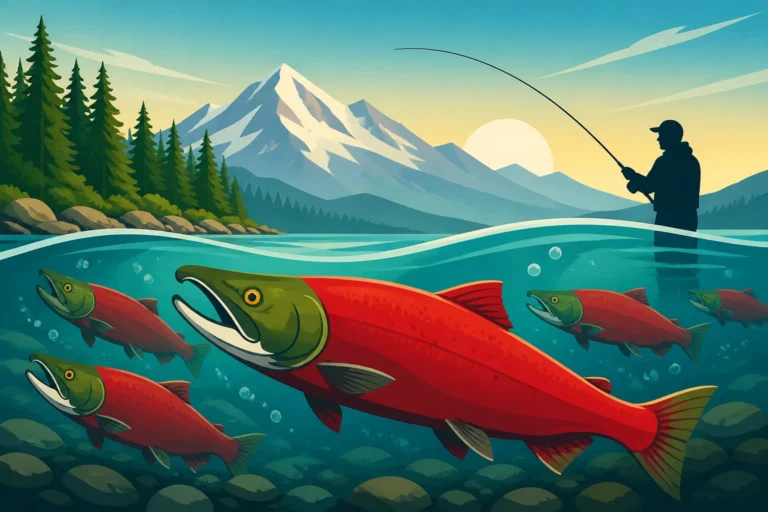
If you've ever been lucky enough to witness sockeye salmon in their spawning phase, you've probably been struck by their incredible transformation. These fish, which spend most of their lives a sleek, silvery blue in the vast ocean, return to freshwater as a vibrant, almost shocking crimson red. It’s a sight that stops you in your tracks and often leaves people wondering: why do sockeye turn so dramatically red when they spawn? This striking color change isn't just a random act of nature; it's a vital, energy-intensive process rooted in their biology and crucial for their survival and the continuation of their species.
The Astonishing Transformation of Sockeye Salmon
The journey of a sockeye salmon from the open ocean to its natal spawning grounds is one of the most incredible migrations in the natural world. And perhaps the most visually stunning aspect of this journey is the complete overhaul of their appearance.
From Ocean Silver to Spawning Crimson: A Biological Marvel
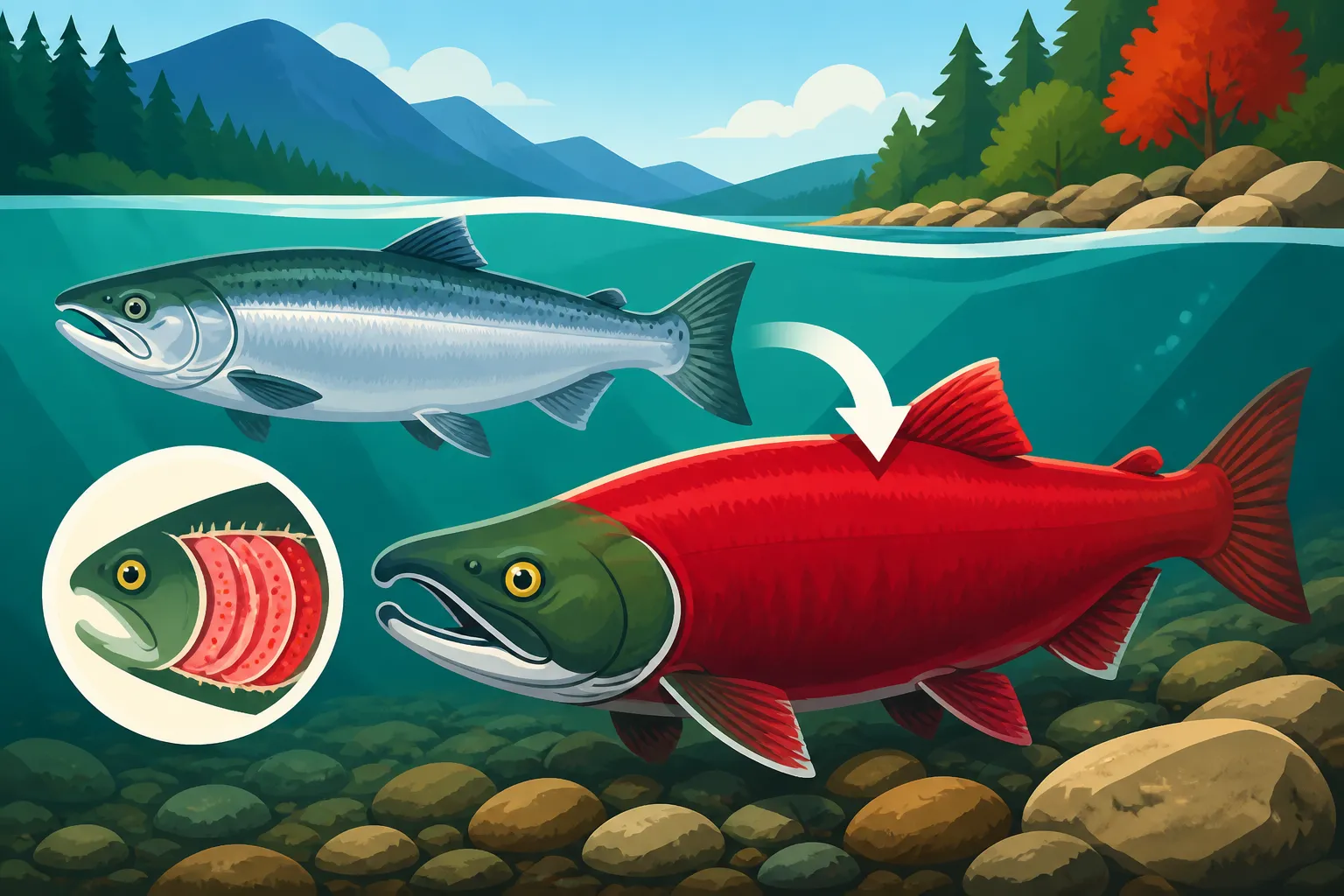
Imagine these fish in the Pacific Ocean – they are torpedo-shaped, with a beautiful iridescent blue-green back and shimmering silver sides, perfectly camouflaged for life in the deep, vast blue. Their bodies are lean, built for speed and evasion. When they transition from saltwater to freshwater, entering the rivers and streams of Washington that they call home, a remarkable metamorphosis begins. Over a period of days to weeks, depending on the length of their journey and their particular run, their silvery scales become duller, and their bodies begin to absorb and redistribute pigments, leading to that iconic, fiery red hue. Simultaneously, their heads often take on a distinct olive-green color, and the males, in particular, develop a pronounced hump on their back and a hooked jaw (kype). It’s an almost alien transformation, making them look like completely different creatures than their ocean-dwelling selves.
This isn't a coat of paint; it's a profound biological shift. The change signifies the endpoint of their oceanic feeding and growth phase, and the beginning of their singular, all-consuming mission: reproduction. For anglers, seeing these vividly colored fish can be both exciting and a little melancholic, knowing the incredible effort and ultimate sacrifice they are about to make.
The Chemical Secret: Carotenoids and Their Journey
The secret behind the sockeye's vivid red spawning color lies in compounds called carotenoids. These are the same pigments responsible for the colors of carrots, tomatoes, and flamingos! Fish can't produce carotenoids themselves; they must get them from their diet. For sockeye, a significant part of their diet in the ocean consists of tiny crustaceans, particularly krill and zooplankton, which are rich in these red and orange pigments.
When sockeye feed in the ocean, they ingest these carotenoids, which are then absorbed and stored primarily in their muscle tissue (which is why sockeye salmon meat is so famously red, a characteristic that makes it one of the Best-Eating Fish in Washington Waters). As the salmon begin their migration upstream and stop feeding, their bodies start to undergo massive internal changes to prepare for spawning. Hormonal shifts trigger the redistribution of these stored carotenoids from their flesh to their skin and reproductive organs. The muscle tissue that once held these vibrant pigments starts to break down, its energy fueling the arduous swim and the development of eggs and milt, and the pigments migrate to the surface of the skin, creating the intense red color. If you're interested in diving deeper into fish physiology and understanding these complex biological processes, you can often find excellent field guides and biology texts on platforms like Amazon.
The Deep Dive into Sockeye Physiology
The journey upstream is a gauntlet, a test of endurance and will. The physiological changes that sockeye undergo are not just for show; they are intrinsically linked to the immense energy demands and the reproductive imperative that drives them.
The Energetic Demands of the Spawning Run
Once sockeye leave the ocean and enter freshwater, they cease feeding. Their entire journey upstream, often hundreds of miles against strong currents, through rapids and past obstacles, is fueled entirely by the energy reserves stored in their bodies during their time at sea. This is an incredibly taxing process. Their fat reserves, which were once substantial, are rapidly depleted. Their muscles, rich with protein, also begin to break down to provide energy.
This metabolic process, the breakdown of fats and proteins, is key to understanding the color change. As their bodies catabolize these tissues, the carotenoid pigments, no longer bound within the fat cells of the muscle, are released. Hormones then direct these pigments to accumulate in the skin. The vibrant red color, therefore, isn't just an addition; it's a visual manifestation of their internal resources being mobilized for one final, monumental effort. The fish are literally consuming themselves to power their journey and prepare for spawning, and the color change is a clear signal of this internal reallocation of resources.
Reproductive Imperatives: Why Red is Right
From an evolutionary perspective, the brilliant red coloration of spawning sockeye, particularly the males, serves a critical purpose: it's a powerful signal. Think of it as nature's billboard, shouting, "I am here! I am ready! And I am strong!"
- Attracting Mates: For females, the intensity and vibrancy of a male's red coloration can be an indicator of his health, genetic fitness, and ability to survive the arduous journey. A brighter, bolder red suggests he's successfully stored enough carotenoids (meaning he fed well in the ocean) and has successfully managed the energetic demands of the migration. Females will often choose males with the most striking colors.
- Deterring Rivals: For males, the color also plays a role in intra-sexual competition. A dominant, brightly colored male is often more successful in establishing and defending a prime spawning territory (a "redd"). This visual display helps to establish a pecking order, often reducing the need for direct, energy-costly physical confrontations, though these certainly still occur. The red acts as a warning sign to smaller, less dominant males to keep their distance.
The combination of the red body and the olive-green head is particularly distinctive for sockeye and helps them stand out in the relatively clear, gravelly streams and lakes where they typically spawn.
The Spawning Ground Spectacle and Its Significance
Reaching the spawning grounds is the culmination of years of life in the ocean and a monumental journey upstream. The final act of the sockeye lifecycle is a truly remarkable spectacle, deeply intertwined with their vibrant new colors.
Attracting Mates and Deterring Rivals
Once they arrive at their destination – often the gravel beds of rivers or lake shores, like those found at Sockeye Salmon at Washington's Baker Lake and Beyond – the drama unfolds. Females use their tails to dig depressions in the gravel, called "redds," where they will lay their eggs. Males then compete fiercely for the opportunity to fertilize those eggs. Their bright red bodies are on full display during these courtship rituals and territorial disputes.
A male sockeye will use his kype and hump, along with his striking coloration, to intimidate other males and impress females. He'll swim in tight circles around a female, quivering and displaying his colors, hoping to be chosen to fertilize her eggs. The visual impact of this intense red is crucial in the clear waters these fish often choose for spawning. The male's vivid hue makes him highly visible, signaling his presence and readiness. These elaborate displays and intense competition ensure that only the fittest individuals pass on their genes, a core principle of natural selection.
The Final Act: After Spawning
After the eggs are laid and fertilized, the sockeye's life mission is complete. Unlike some other fish, Pacific salmon like sockeye are "semelparous," meaning they spawn only once in their lifetime before dying. Their bodies, already heavily depleted by the epic journey and the energetic demands of reproduction, rapidly deteriorate. The vibrant red fades, their skin may become blotchy, and they often become covered in fungus. This period is known as "senescence."
The death of the salmon, though seemingly tragic, is a vital part of the ecosystem. Their decaying bodies release marine-derived nutrients into the freshwater systems and surrounding forests, feeding everything from insects and plants to bears and eagles. This incredible nutrient transfer helps sustain the very environment that nurtured them and their offspring. The cycle of life, death, and renewal is vividly showcased in the final crimson act of the sockeye salmon. The window for witnessing these fish is relatively short, often peaking during specific times, so knowing When Sockeye Salmon Run at Washington's Baker Lake can help you plan a trip to see this natural wonder.
Beyond Sockeye: A Look at Other Salmon
While sockeye are perhaps the most famous for their dramatic red transformation, other salmon species also undergo significant, though often different, color changes during their spawning runs. Each species has its own unique way of signaling readiness and attracting mates.
A Spectrum of Spawning Colors in Pacific Salmon
It's fascinating to observe the diversity of coloration among the different Pacific salmon species as they transition from ocean life to spawning. While sockeye go for that bold crimson, others have their own distinctive palette:
- Chinook (King) Salmon: Often turn a darker olive, brown, or even purplish color, sometimes with reddish blotches on their sides. Their heads tend to stay darker, and males develop a formidable kype. You can learn more about identifying them in their ocean phase here: How to Identify a Washington Chinook Salmon.
- Coho (Silver) Salmon: Develop a reddish-maroon color on their flanks, while their backs and heads darken considerably. Males also develop a kype and a distinct curvature of the back. How to Identify Coho Salmon in Washington's Puget Sound details their characteristics.
- Chum (Dog) Salmon: Exhibit striking vertical bars of green, purple, and red, earning them the nickname "calico salmon." Males develop an impressive set of canine-like teeth, hence "dog salmon."
- Pink (Humpback) Salmon: As their name suggests, males develop a very prominent hump on their back, and their bodies turn a mottled greenish-brown, sometimes with faint pinkish sides.
Each of these transformations is tailored to the specific environment and social dynamics of their respective spawning grounds.
The Lifecycle's Ultimate Sacrifice
The story of the spawning salmon, regardless of species, is one of unparalleled dedication to reproduction. From the initial ingestion of carotenoids in the vast ocean to the final breathtaking display in the shallow gravel beds, every step of the journey is precisely orchestrated by nature. These fish exemplify resilience, determination, and the ultimate sacrifice for the next generation.
Understanding why sockeye turn red offers a deeper appreciation for the intricate natural processes at play in Washington's rivers and streams. It underscores the importance of protecting these habitats and ensuring the continued health of our salmon runs. For those keen to observe this natural wonder, ensuring you have the right gear, like a good pair of polarized sunglasses (easily found on Amazon), can significantly enhance your ability to spot these vibrant fish and truly appreciate their final, magnificent display.
| Salmon Species | Ocean Appearance | Spawning Appearance (Male) | Spawning Appearance (Female) |
|---|---|---|---|
| Sockeye | Silvery-blue back, bright silver sides | Deep crimson body, olive/green head, pronounced hump | Less intense red body, dusky green head |
| Chinook | Dark back, silver sides, spotting | Dark olive to brown, sometimes red blotches | Darker olive to brown |
| Coho | Blue-green back, bright silver sides | Reddish flanks, dark back/head | Dusky red/brownish, less vibrant |
| Chum | Silvery | Greenish body with purple/red vertical bars (calico) | Darker, less pronounced bars |
| Pink | Blue-green back, silver sides, large spots | Pronounced hump, olive-brown to dark | Less pronounced hump, dusky green/brown |
Disclaimer
This article is for general informational purposes only and does not constitute professional advice. Laws, prices and regulations vary by location and change over time. Consult a qualified professional for guidance on your specific situation.