How to Identify a Washington Chinook Salmon
It’s a scenario every angler in Washington has faced: you’ve got a beautiful salmon on the line, it’s fighting hard, and your heart is pounding. But as you bring it closer, a nagging question hits you – is it a Chinook? Or a Coho? Or something else entirely? Misidentification isn't just a simple mistake; it can lead to unintentional violations of complex regulations. This comprehensive guide will walk you through everything you need to know to confidently identify a Washington Chinook salmon, helping you stay legal and truly appreciate the magnificent fish you've caught.
The Basics of Chinook Salmon in Washington
Before we dive into the nitty-gritty of identification, let's get a foundational understanding of what makes Chinook salmon so special in Washington State. These are truly iconic fish, revered by anglers and deeply embedded in the culture and ecology of our region.
Why Chinook Are "King"
There’s a reason Chinook salmon are often called "King Salmon" – they earn that title with their impressive size, incredible strength, and rich, flavorful meat. When you hook into a big Chinook, you know you're in for a fight. They are notoriously powerful, making long, sustained runs that test your gear and your resolve. For many, catching a King is the pinnacle of salmon fishing, a true bucket-list experience that brings bragging rights and unforgettable memories. Their sheer power and impressive girth make them a formidable opponent, often stripping line with incredible speed and determination. Beyond the fight, the culinary quality of Chinook salmon is unmatched, making them a prized catch for the dinner table. They are highly sought after for both sport and commercial fisheries, highlighting their importance to Washington's fishing heritage. You can often find specialized tackle and educational resources for targeting these impressive fish, sometimes even on platforms like Amazon, where anglers share tips and reviews on the best gear for going after these giants. To understand more about this majestic species, check out our guide on Chinook Salmon: Washington's King of Fish.
General Appearance and Size Expectations
In the vast waters of Washington, Chinook salmon exhibit a range of sizes and appearances, influenced by their life stage, diet, and whether they're still in the saltwater or have begun their journey upstream to spawn. Generally, a Chinook in its prime, fresh from the ocean, will boast a sleek, torpedo-like body with a dark back that transitions to silvery sides and a white belly. They are built for speed and power in the open ocean.
When it comes to size, Chinook are indeed the titans of the Pacific salmon. While exact figures vary greatly by run and age, most mature ocean-caught Chinook in Washington waters will range from 10 to 30 pounds. However, it's not uncommon to encounter fish in the 40 to 60-pound range, and true giants can push even higher. Record-setting Chinook are often the stuff of legend, sometimes exceeding 70 or even 80 pounds, though these are exceptionally rare. These larger fish are typically older, having spent more years feeding in the nutrient-rich waters of the Pacific before returning to their natal rivers. The average size can also differ between regions; for instance, many anglers feel the Chinook from the Columbia River often average larger than those found in some Puget Sound areas, though both can produce giants. For more details on the potential size of these magnificent fish, take a look at How Big Washington Chinook Salmon Get.
Key Physical Characteristics for Identification
Now, let's get down to the features that will help you confidently identify a Chinook salmon. These are the tell-tale signs that separate them from their salmonid cousins, and knowing them can save you a lot of headache and keep you compliant with regulations.
Mouth and Gumline: The Dead Giveaway
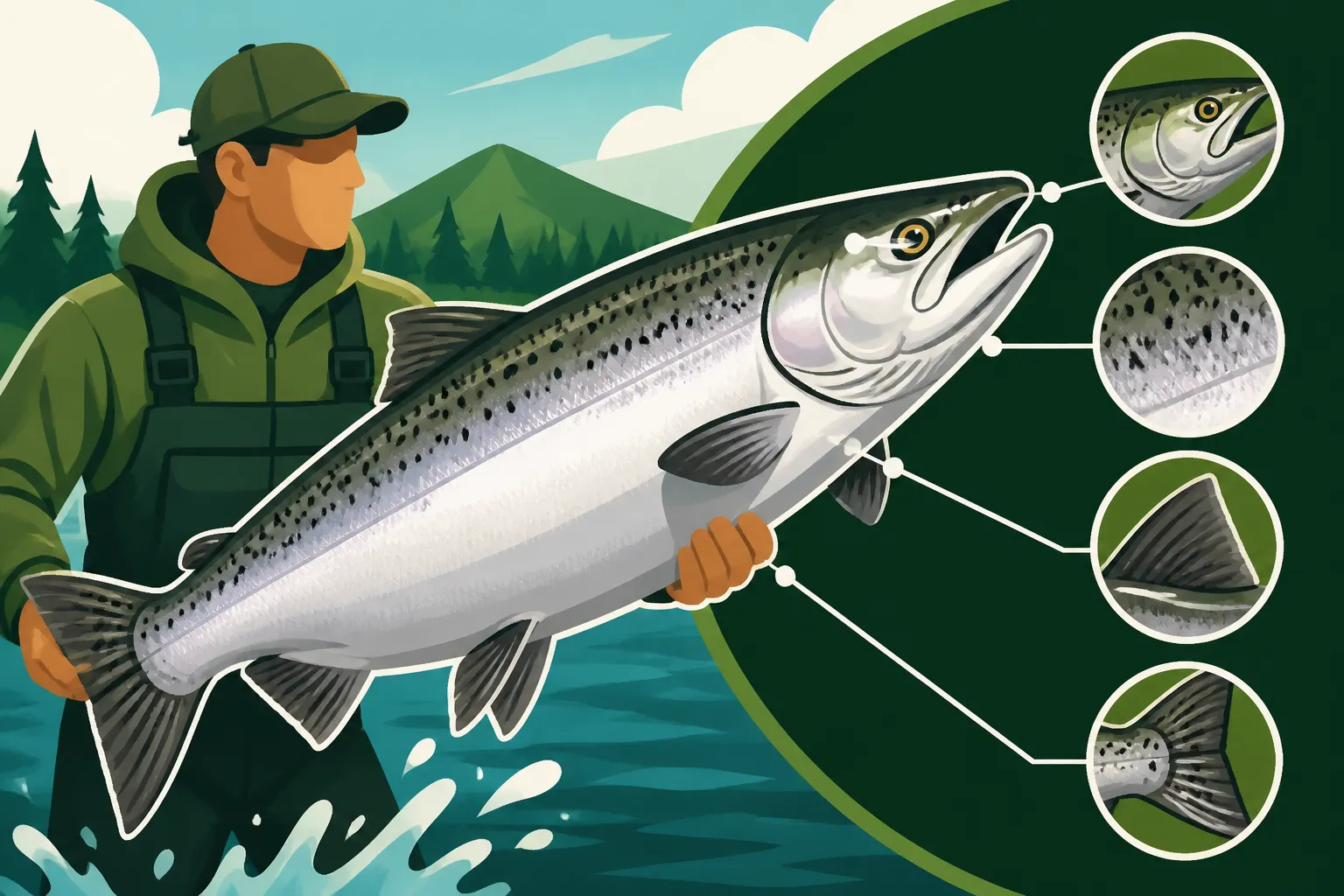
This is arguably the most critical and consistent identification feature for Chinook salmon: their mouth. When you land a fish you suspect is a Chinook, the first thing you want to do (carefully, of course) is examine its mouth. A true Chinook salmon will have a uniformly black mouth and a black gumline. This means the entire inside of the mouth, including the roof, tongue, and most importantly, the strip of tissue where the teeth are set, will be dark, often appearing quite dark grey or completely black.
To check this, gently lift the gill plate slightly or, if the fish is cooperative and you are handling it carefully for release, gently open its mouth to get a good look inside. This characteristic is incredibly reliable when the fish is fresh from the ocean and not too far into its spawning transformation. As a fish approaches spawning, its coloration might darken, including its mouth, but the distinct black gumline remains a key feature that separates it from other species. Learning to recognize this specific trait will set you miles ahead in your salmon identification skills.
Tail Fin: Spotting the Difference
Another excellent identification clue for Chinook salmon lies in their tail fin, also known as the caudal fin. Chinook typically have a broad, squared-off tail fin that is heavily spotted. The key here is spots on both lobes of the tail, but often more prominent and spread out across the entire tail fin, including the bottom lobe. These spots tend to be somewhat irregular in size and shape, creating a speckled appearance over much of the fin.
This contrasts sharply with some other salmon species, like Coho, which tend to have a more forked tail and spots primarily on the upper lobe only. The robust nature of the Chinook's tail contributes to its powerful swimming and fighting ability. When you're trying to make a quick ID, a glance at the tail fin can often confirm what you see (or don't see) in the mouth. It's not just the presence of spots, but their distribution across the entire fin that is particularly indicative of a Chinook.
Body Color and Shape
While the mouth and tail are the absolute best indicators, the overall body color and shape of a Chinook also provide valuable clues, especially when you've seen a few of them. Fresh from the ocean, Chinook are truly magnificent. They exhibit a classic "silver salmon" look with a dark blue-green or even blackish back, often with a metallic sheen, transitioning smoothly to brilliant silver sides and a pure white belly. This contrast is striking, and the fish appear incredibly sleek and powerful.
Their body shape is generally robust and somewhat rounded or blocky in cross-section, particularly towards the shoulders. They are built for power and endurance in strong currents and open water. As Chinook begin their migration upriver to spawn, their coloration undergoes a dramatic change. The vibrant silver fades, and their bodies take on darker, duller hues – often shades of olive, brown, or even reddish-purple, particularly in males. Males also develop a distinct "kype" or hooked jaw, and their bodies become more laterally compressed and robust as they prepare for spawning battles. However, for most anglers looking to keep a fish, you'll be encountering them in their ocean-fresh or early river-run phase, where the silver and dark-back contrast is quite evident. The dorsal fin will also typically have spots, continuing the spotted pattern seen on the tail.
Distinguishing Chinook from Other Salmon Species
One of the biggest challenges for anglers in Washington is telling the difference between the various salmon species, especially when regulations for each can be so specific. Let’s break down how Chinook stand apart.
Chinook vs. Coho Salmon: The Most Common Confusion
This is perhaps the most common identification conundrum anglers face on Washington waters, particularly in Puget Sound and coastal areas. Both Chinook and Coho are silver-sided, powerful fighters, and can often be found in the same waters. However, there are crucial differences that, once you learn them, make identification much simpler.
The Mouth and Gumline: This is your primary indicator. As established, Chinook have a uniformly black mouth and black gumline. Coho salmon, on the other hand, have a white or very light grey gumline, though the inside of their mouth might still be dark. This stark contrast is usually definitive. If you catch a "silver" fish and open its mouth, a black gumline screams Chinook, while a white gumline points to Coho.
Tail Fin: Look closely at the tail. Chinook typically have spots on both lobes of their broad, squared-off tail. Coho, while they do have spots, usually have them only on the upper lobe of a more noticeably forked tail. The tail of a Coho also tends to be less heavily spotted overall compared to a Chinook.
Body Shape and Head: While subtle, there are differences. Chinook tend to be more robust, blocky, and deeper-bodied, particularly through the shoulder. Their heads are often larger and more rounded relative to their body size. Coho tend to be slimmer, more streamlined, and have a more pointed or "torpedo-like" head. Coho also rarely grow as large as Chinook; while a 20-pound Coho is a trophy, a 20-pound Chinook is a solid but not uncommon catch.
Here's a quick comparison table:
| Feature | Chinook Salmon | Coho Salmon |
|---|---|---|
| Mouth/Gumline | Uniformly black mouth and black gumline | White or very light grey gumline |
| Tail Fin | Broad, squared-off; spots on both lobes | More forked; spots primarily on upper lobe |
| Body Shape | Robust, deep-bodied, somewhat blocky | Slimmer, more streamlined, torpedo-like |
| Head Shape | Often larger, more rounded | Smaller, more pointed |
| Typical Size | 10-30+ lbs (can exceed 60 lbs) | 5-15 lbs (rarely exceeds 20 lbs) |
Understanding these distinctions is vital, especially when you consider that How to Tell a Chinook From a Coho is a common query, and regulations for daily bag limits or retention rules can be vastly different between these two species in specific areas or seasons. For instance, sometimes you might be allowed to retain a Chinook but be limited to catch-and-release for Coho, or vice versa, making accurate identification essential for staying within Washington Fishing Regulations Every Angler Should Know.
Chinook vs. Chum and Pink Salmon
While less frequently confused with Chinook, especially for experienced anglers, it's still important to understand how Chum and Pink salmon differ, as they are part of Washington's salmon ecosystem.
Chum Salmon (Keta Salmon): Chum are often called "Dog Salmon" due to their impressive, canine-like teeth developed during spawning. When fresh from the ocean, they can look somewhat silvery, but they lack the distinct spots on their tail that Chinook possess. Their most defining feature, especially as they approach spawning, is the development of pronounced vertical bars or stripes, often green and purple, along their sides. They also tend to have a more slender body profile compared to the robust Chinook, and their caudal peduncle (the part of the body leading to the tail) is notably slender. Crucially, like Coho, Chum salmon have a white gumline, distinguishing them immediately from Chinook.
Pink Salmon (Humpy Salmon): Pink salmon are the smallest of the Pacific salmon, rarely exceeding 10 pounds. They are easily identifiable, particularly in their spawning phase. Pinks have a very distinctive pattern of large, oval-shaped spots on their backs and tail fins, which differ from the smaller, more numerous spots on a Chinook. During spawning, males develop a dramatically humped back, giving them their "humpy" nickname. They also have tiny scales and a very slender caudal peduncle. Like Chum and Coho, Pink salmon also possess a white gumline, making them distinct from Chinook. Pink salmon typically have a strong biennial run, meaning they show up in large numbers every other year in Washington, primarily in odd-numbered years. For more information on this cyclical species, check out Do Pink Salmon Run in Washington Every Year?.
Chinook vs. Sockeye Salmon
Sockeye salmon are another distinct species that, once you know what to look for, are rarely confused with Chinook.
Appearance: Sockeye salmon, especially when ocean-fresh, are often a deeper, darker blue-green on the back than Chinook, with extremely bright silver sides, almost appearing iridescent. The most significant visual cue, however, is their lack of prominent spots on their back or tail fin. While they might have very faint speckles, they won't have the distinct spots seen on Chinook.
Spawning Coloration: This is where Sockeye truly stand out. During their spawning migration, Sockeye undergo one of the most dramatic color transformations of all salmon. Their bodies turn a brilliant, unmistakable fire-engine red, while their heads become a contrasting olive-green. This vibrant coloration is unique to Sockeye.
Scale Size and Shape: Sockeye have notably smaller scales than other salmon species, giving them a smoother appearance. Their body shape is also generally more slender and less deep-bodied than a Chinook. Like Coho, Chum, and Pink, Sockeye salmon also have a white gumline, which, again, immediately separates them from Chinook. The famous Baker Lake Sockeye run is a prime example of this species in Washington, and you can learn more about them in Sockeye Salmon Identification at Washington's Baker Lake.
Age and Life Cycle Indicators
Salmon, especially Chinook, undergo fascinating transformations throughout their lives. Understanding these changes can also aid in identification, as their appearance isn't static.
"Blackmouth" and "Jacks": Early Stage Chinook
When you're out fishing in Puget Sound or other nearshore saltwater areas, you might hear anglers talking about "blackmouth." This isn't a separate species; it's simply a term for resident Chinook salmon that choose to spend their entire lives feeding and growing in Puget Sound or other coastal waters rather than migrating out to the open ocean. They can grow quite large and contribute to a significant year-round fishery in certain areas. Their identification features, particularly the black mouth and gumline, are identical to ocean-migrating Chinook, but their behavior and growth patterns are distinct. To dive deeper into these unique resident fish, consider reading Blackmouth Salmon in Puget Sound, Explained.
"Jacks" or "Jack Salmon" are another interesting phenomenon. These are precocious male Chinook salmon that return to their natal rivers to spawn a year or two earlier than their peers, usually at a much smaller size. While a typical mature Chinook might be 3-5 years old and weigh 10-30+ pounds, a jack might be only 2-3 years old and weigh anywhere from 2 to 10 pounds. They are still genetically Chinook, and they still exhibit the black mouth and gumline. However, their smaller size can sometimes cause confusion for anglers accustomed to seeing much larger Kings. They also often show the beginnings of a kype (hooked jaw) even at this smaller size. Catching a jack can sometimes indicate a strong upcoming run of larger fish from the same cohort.
Spawning Phase Transformations
The journey from a sleek, silver ocean fish to a spawning river fish is a dramatic one for Chinook salmon. As they transition from the rich feeding grounds of the ocean into freshwater for their final reproductive journey, their bodies undergo significant changes.
Coloration: The vibrant silver sheen fades rapidly, replaced by much darker hues. Chinook in their spawning phase typically turn a deep olive green, bronze, or even dark reddish-brown. Their backs become almost black, and the spots, though still present, become less distinct against the darker background. This color change helps them blend in with the river bottom and surroundings.
Body Shape: While the mouth and tail markers remain, the overall body shape changes too. Males, in particular, develop a pronounced kype, or hooked jaw, which becomes a formidable weapon for fighting rival males over spawning territory. Their bodies become more laterally compressed, and they may appear "slab-sided" and thinner as they cease feeding and live off stored fat reserves. The skin often thickens, and they may show battle scars from their arduous journey and territorial disputes. Females also darken and may become a bit more robust in the midsection, but they do not develop the prominent kype.
It's important to remember that fish in this advanced spawning phase are typically not ideal for consumption as their flesh deteriorates rapidly. Many anglers choose to release these fish to allow them to complete their spawning duties. Regardless, being able to identify them accurately is crucial for understanding the full life cycle of the species and adhering to regulations that might differ for spawning fish.
Regional Variations and Where to Find Them
Washington State is a diverse fishing landscape, from the expansive Pacific Coast to the winding rivers and inland seas. Chinook salmon adapt and appear slightly differently depending on where you encounter them.
Puget Sound vs. Columbia River Chinook
Washington is home to many distinct populations of Chinook salmon, and while the core identification features remain consistent, there can be subtle differences in average size, coloration, and even run timing between regions.
Columbia River Chinook: The Columbia River is legendary for its massive fall Chinook runs, often referred to as "Upriver Brights" or "Tule" salmon. These fish are known for their impressive size, with many anglers reporting a higher average weight compared to some Puget Sound runs. They are incredibly powerful, having to travel hundreds of miles upriver to their spawning grounds. When fresh, they are often exceptionally bright and silvery, a testament to their recent entry from the ocean. The sheer volume of fish and the opportunity to catch true giants make fishing the Columbia River a bucket list item for many. Knowing about Washington's Columbia River Salmon and Steelhead Endorsement, Explained is crucial if you plan to fish these waters, as it's often a required addition to your license.
Puget Sound Chinook: Puget Sound also boasts significant Chinook runs, though they are often managed under more complex regulations due to the presence of both hatchery and wild stocks, and concerns for Endangered Species Act (ESA) listed populations. Puget Sound Chinook can be equally impressive in size, though on average, some runs might be slightly smaller than the behemoths of the Columbia. They still exhibit the classic Chinook characteristics, but their coloration might reflect the brackish or more enclosed waters of the Sound earlier in their journey. The "blackmouth" Chinook, as discussed, are a unique feature of Puget Sound, offering a year-round opportunity for resident Kings. Anglers frequently check Puget Sound Salmon Closures: What Washington Anglers Need to Know to ensure they are fishing legally and sustainably in this dynamic marine environment.
These regional differences highlight the importance of not just identifying the species, but also understanding the specific regulations that apply to the body of water you're fishing.
Ocean Phase vs. River Phase Appearance
The transition from the vast, nutrient-rich Pacific Ocean to the confined, freshwater rivers dramatically alters a Chinook's appearance.
Ocean Phase (Chrome): When Chinook are actively feeding in the ocean, they are truly "chrome bright." Their backs are a deep, almost iridescent blue-green, sometimes appearing black, with starkly contrasting silvery sides and a white belly. The spots on their back and tail are crisp and well-defined against this metallic backdrop. Their bodies are sleek, firm, and heavily muscled – perfect for navigating strong currents and evading predators. This is the prime condition for both fighting ability and table fare. You’ll often hear these fish referred to as "chromers" because of their dazzling, mirror-like scales. Many anglers seek out these ocean-fresh fish in areas like Westport or Sekiu, where they are caught before beginning their river migration.
River Phase (Spawning Colors): As soon as Chinook enter freshwater, even at the mouth of a river, the transformation begins. The chrome quickly dulls, and the silvery scales start to take on an olive or bronze hue. The spots become less prominent as the overall body darkens. The longer a Chinook spends in freshwater, the more pronounced these changes become. For males, the development of the kype (hooked jaw) is significant, and their entire body becomes darker, often displaying shades of olive-green, brown, or even purplish-red. Their flesh also begins to soften and lighten in color as they utilize their fat reserves for the arduous journey and spawning process. Females also darken, but without the prominent kype. These fish, while still powerful, are no longer feeding and are focused solely on reproduction. Their appearance often reflects the wear and tear of their journey.
Understanding these changes is key, as a spawning Chinook in a river can look quite different from its ocean-going counterpart, yet both retain the critical identifying features like the black mouth and spotted tail.
Why Accurate Identification Matters
Beyond satisfying your angler's curiosity, correctly identifying your catch is absolutely paramount for a host of practical and ethical reasons in Washington's highly regulated fisheries.
Regulation Compliance and Bag Limits
This is perhaps the most immediate and impactful reason to nail your salmon identification. Washington State has incredibly detailed and often complex fishing regulations that vary not just by species, but also by specific body of water, season, and even time of day. What might be legal for a Chinook in one marine area might be entirely illegal for a Coho just a few miles away, or for a Chinook in a different river.
For example, daily bag limits can differ significantly. You might be allowed to keep two Chinook salmon in a certain area, but only one Coho, or perhaps a mix that still totals two fish. Size restrictions are also common, with minimum and sometimes even maximum (slot) limits applied to specific species, like Is There a Size Limit on Wild Steelhead in Washington?. If you accidentally keep a species you're not allowed to, or exceed the bag limit for a specific species because you thought it was another, you're looking at potential fines, license suspension, and even confiscation of your gear and catch. These are not minor penalties. WDFW enforcement officers are highly trained and proficient in identifying species. Always consult the most current Reading the Washington Sport Fishing Regulations Pamphlet or online resources before every trip, and when in doubt, release the fish. The Fish Washington App can also be a lifesaver for checking rules on the go.
Conservation and Responsible Angling
Beyond avoiding penalties, accurate identification plays a critical role in conservation efforts and upholding responsible angling ethics. Many salmon runs in Washington, including some Chinook stocks, are listed under the Endangered Species Act (ESA) or are considered highly vulnerable. Fisheries managers implement precise regulations, including catch-and-release rules, bait restrictions, or even full closures, specifically to protect these sensitive populations.
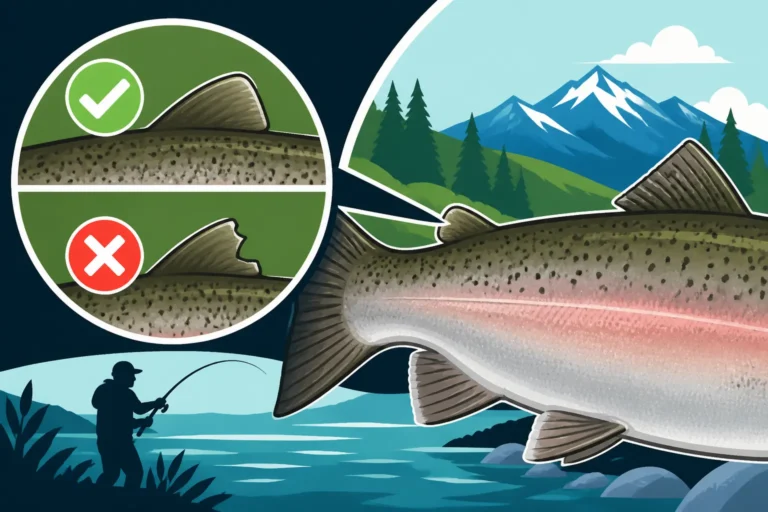
When you correctly identify a fish, you contribute to these conservation efforts. Releasing a wild Chinook that is part of a struggling stock, when only hatchery fish are allowed, directly supports its recovery. Conversely, if you mistakenly keep a wild fish when only hatchery (marked) fish are legal, you unintentionally undermine these crucial programs. This is where features like a clipped adipose fin (indicating a hatchery-raised fish) become incredibly important, especially for species like Chinook and steelhead. Many anglers are dedicated to sustainable practices, and part of that commitment involves knowing exactly what they’ve caught and making the right decision based on current rules. Using tools like the Electronic Catch Record Cards and the Fish Washington App also helps WDFW gather vital data on catch rates, which informs future management decisions and conservation strategies. Being a responsible angler means being knowledgeable, and accurate species identification is foundational to that knowledge.
Disclaimer
This article is for general informational purposes only and does not constitute professional advice. Laws, prices and regulations vary by location and change over time. Consult a qualified professional for guidance on your specific situation.