Chinook Salmon: Washington’s King of Fish
For many anglers in Washington, the pursuit of Chinook salmon isn't just a hobby; it's a deep-seated passion, a challenging quest that often feels like searching for a mythical beast. We've all been there: waking up before dawn, braving the elements, only to come home empty-handed, wondering if we'll ever hook into one of these magnificent fish. This comprehensive guide is here to unravel the mysteries of Washington's "King" salmon, helping you understand their lives, where to find them, and how to increase your chances of landing that fish of a lifetime.
Why Chinook Are Called the "King" of Washington Fish
There's a reason Chinook salmon command such reverence and are affectionately, or sometimes exasperatedly, known as the "King" salmon here in Washington. It's not just a catchy nickname; it’s a title earned through their sheer size, formidable fighting spirit, and unparalleled culinary value. For any angler, especially those new to our waters, understanding this reputation is the first step in appreciating what a truly special fish the Chinook is.
Size and Brute Strength
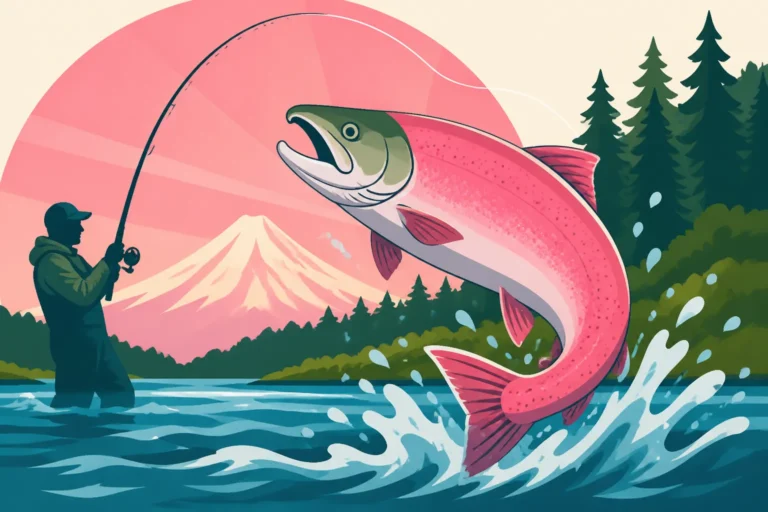
When you talk about Chinook, the first thing that often comes to mind is their impressive size. These are the largest of all Pacific salmon, with adults regularly tipping the scales into the 20-30 pound range, and true giants pushing 50, 60, or even 70 pounds in some of our larger river systems like the Columbia. Imagine reeling in a fish that's nearly as big as you are! This substantial mass translates directly into incredible power, making them a formidable opponent on the end of a line. They don't just nibble; they hammer your gear and then run with a strength that can peel line from your reel faster than you thought possible. It’s a fight that tests your tackle, your knots, and your resolve.
Many seasoned anglers share stories of being "schooled" by a big Chinook, losing a favorite lure or breaking a rod. It's a humbling experience, but it’s also what keeps us coming back. The thrill of feeling that initial powerful strike, followed by the deep, determined head shakes and blistering runs, is an addiction. It’s a true test of skill and patience, and the satisfaction of finally bringing one of these behemoths to the net is something few other fish can offer.
Culinary Excellence
Beyond their impressive fighting capabilities, Chinook salmon are also widely considered the pinnacle of table fare among all salmon species. Their flesh is rich, firm, and notoriously buttery, often vibrant red or orange, depending on their diet and run. This high oil content makes them incredibly flavorful, whether smoked, grilled, baked, or pan-seared. There’s nothing quite like a fresh Chinook fillet, prepared simply, letting the natural richness of the fish shine through.
This exceptional taste is a significant part of their "King" status. After all the effort, the early mornings, the boat maintenance, and the meticulous rigging, bringing home a cooler full of fresh Chinook is the ultimate reward. It’s a meal that brings families together, a treat for special occasions, and a proud offering to friends. Many anglers even prefer Chinook over halibut or other prized species for its consistent quality and rich, distinct flavor profile.
Identifying Washington's Chinook Salmon
Knowing how to properly identify a Chinook salmon is crucial for any angler in Washington. Not only does it help you adhere to specific fishing regulations, but it also deepens your understanding of the species you're pursuing. While they share some similarities with other salmon, Chinook have several distinguishing features that set them apart.
Key Physical Characteristics
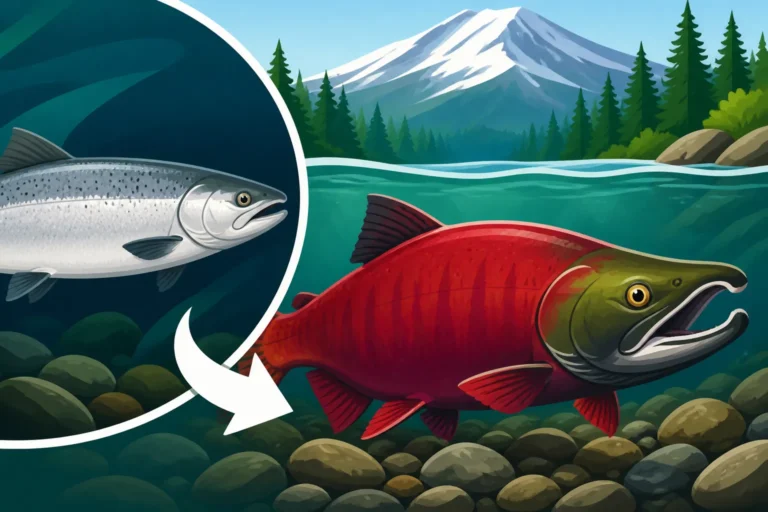
Chinook salmon are generally recognizable by their large size, as we've discussed, but also by their overall body shape and coloration. They tend to be more robust and deep-bodied than their leaner Coho cousins. A tell-tale sign is their mouth: the inside of a Chinook's mouth, including the gums, is almost entirely black, which is why they are sometimes referred to as "blackmouth" salmon, particularly in their immature stages in saltwater. Their teeth are usually sharp and well-defined, and they have spots on both their upper back and all of the caudal (tail) fin, though these spots can sometimes be faint or worn.
Their tail fin is another excellent identifier; it's broad and typically somewhat squared off or only slightly forked, unlike the more distinctly forked tail of a Coho. The scales are large, and their body color in saltwater can range from iridescent blue-green to purple on the back, fading to silvery sides and a white belly. As they approach spawning, their coloration drastically changes, becoming much darker, sometimes bronzy-red, and their jaws can become hooked, especially in males. Understanding these physical cues is vital, especially when you need to quickly distinguish your catch from other species in a mixed bag fishery.
Blackmouth vs. Spawning Phase
The term "blackmouth" specifically refers to immature Chinook salmon that are feeding and growing in Puget Sound's saltwater before they begin their spawning migration. These fish typically have that characteristic black mouth and gums, silvery flanks, and are often caught closer to shore or in shallower waters. They are highly prized for their vibrant, fatty flesh and strong fight. Identifying these smaller, immature Chinook is important, especially if you're trying to meet specific size limits or understand the local fishery dynamics.
As Chinook mature and begin their arduous journey back to their natal rivers to spawn, their appearance changes dramatically. Their bodies darken, taking on hues of olive, brown, and even a deep, almost maroon red. Males develop a pronounced humped back and a hooked upper jaw (kype), transforming into truly impressive, albeit less aesthetically pleasing for some, creatures. The vibrant, silvery scales are replaced by a duller, rougher skin as they cease feeding and focus all their energy on reproduction. Being able to recognize these different phases of a Chinook's life cycle helps you understand what to expect when you encounter them, whether you're targeting ocean feeders or river-bound spawners. It’s a fascinating transformation to witness firsthand.
Life Cycle of a Washington Chinook
The life cycle of a Chinook salmon is a remarkable journey of survival, adaptation, and incredible instinct. From tiny egg to colossal adult, each stage is fraught with challenges, making their successful return to spawn a testament to the resilience of nature. Understanding this cycle helps us appreciate the regulations put in place and the efforts made to conserve these magnificent fish.
Spawning and Incubation
The arduous journey of a Chinook begins in the gravel beds of freshwater rivers and streams. Adult Chinook, after spending years in the ocean, return to their natal waters, often traveling hundreds of miles upstream against strong currents. This migration typically occurs in late summer and fall, though some runs are earlier. Once they find suitable spawning grounds, females construct a "redd" – a shallow, saucer-shaped nest – by fanning their tails to clear away silt and debris. Here, they deposit thousands of eggs, which are then fertilized by one or more males. The eggs are then covered with gravel to protect them from predators and the elements.
These eggs will incubate over the cold winter months, typically from late fall through early spring. The survival rate during this stage is heavily influenced by water quality, flow rates, and predation. A sudden flood or prolonged drought can decimate an entire year's spawn, highlighting the fragile nature of this critical first step. Clean, oxygen-rich gravel is absolutely essential for the successful development of the tiny alevins within. Many hatcheries, including those operated by WDFW, aim to supplement these natural spawning efforts by collecting eggs and rearing them in controlled environments, giving the next generation a better chance.
Fry and Parr Stage
Once the eggs hatch, the tiny, worm-like alevins remain in the gravel, surviving on the yolk sac attached to their bellies. This period of hidden growth is crucial for their early development. Once their yolk sac is absorbed, they emerge from the gravel as "fry." At this stage, they are vulnerable and begin to actively feed on small aquatic insects and invertebrates. They will spend a varying amount of time in freshwater, sometimes just a few months, other times over a year, depending on the specific run and environmental conditions.
As they grow, fry transition into the "parr" stage, characterized by distinct vertical markings on their sides, known as parr marks, which provide camouflage in the river environment. During this period, they continue to grow, building strength and adapting to life in flowing water. They develop a strong instinct for feeding and avoiding predators, learning the skills they will need for their long ocean journey. Protecting these critical juvenile habitats, from healthy riparian zones to clear, cool stream flows, is paramount for the future of our Chinook populations.
Smolt and Ocean Migration
The transition from freshwater parr to saltwater-adapted smolt is one of the most remarkable physiological transformations in the animal kingdom. As spring approaches, the parr undergo "smoltification," a process where their bodies adapt to handle saltwater. Their coloration changes to a silvery hue, and they begin to orient downstream. They then embark on their perilous journey to the ocean, moving through rivers and estuaries, encountering new predators and challenges along the way. This downstream migration often happens in large schools, providing some safety in numbers.
Once they reach the vastness of the Pacific Ocean, Chinook smolts begin a period of intensive feeding and rapid growth. They can travel thousands of miles, often heading north along the coast to nutrient-rich feeding grounds off Alaska and British Columbia. During these years at sea, they voraciously consume krill, baitfish like herring and anchovies, and squid, accumulating the fat reserves that make their flesh so rich and fuel their eventual return. The ocean phase is where they become the powerful "King" salmon we all dream of catching, growing from small, finger-sized fish into impressive adults.
Return to Spawning Grounds
After two to seven years in the ocean (most commonly three to five), the mature Chinook salmon are driven by an incredible, unerring instinct to return to the very same river system – and often the exact same tributary – where they were born. This homing ability is astonishing, guided by their sense of smell, which allows them to detect minute chemical signatures unique to their natal waters. They cease feeding as they enter freshwater, relying solely on their stored energy reserves for the arduous upstream migration.
This final leg of their journey is a race against time and exhaustion. They navigate waterfalls, rapids, and bypass dams, often battling strong currents and evading predators. Their bodies, once shimmering silver, begin to darken and deteriorate as they push towards their ultimate goal. Once they reach their spawning grounds, they complete the cycle, depositing and fertilizing eggs before, utterly spent, they die. This "semelparous" life strategy, where they reproduce once and then perish, provides vital nutrients to the ecosystem, fueling the next generation of life in the river. It’s a powerful, full-circle story that underscores the incredible natural heritage we have in Washington.
Key Chinook Runs and Seasons in Washington
Washington State is blessed with several distinct Chinook salmon runs, each with its own characteristics, timing, and preferred fishing locations. Understanding these different runs is crucial for any angler hoping to maximize their chances of success, as regulations and fishing opportunities shift dramatically throughout the year.
Spring Chinook (Springers)
Ah, the "Springers" – these are perhaps the most coveted of all Chinook runs in Washington, legendary for their incredible fighting ability and their exceptionally rich, high-fat meat. These fish enter freshwater in late winter and early spring, typically from March through May, and hold in rivers for an extended period before spawning later in the summer or fall. Because they enter the rivers so early and have such a long journey ahead, they are packed with energy and fat, making them powerful fighters and exquisite table fare.
The most famous Springer fishery in Washington is undoubtedly the Columbia River, including its major tributaries like the Cowlitz, Kalama, and Lewis Rivers. Anglers will often brave chilly, often rainy spring weather for a chance at these prized fish. Techniques like back-bouncing cured roe, Kwikfish, or diving plugs are popular in these rivers. However, these runs are often fragile and heavily managed, so checking the latest WDFW regulations for specific openings, bag limits, and areas is absolutely essential. Many anglers consider a single Columbia River Springer to be worth dozens of other fish.
Summer Chinook
Summer Chinook runs offer some fantastic fishing opportunities, especially in our coastal waters and certain Puget Sound areas. These fish typically return from June through August, often overlapping with recreational seasons for other salmon species. While perhaps not as famed as the Springers for their fat content, they are still excellent eating and provide thrilling fights. Many of these fish are bound for larger river systems that are further inland.
Puget Sound can light up with summer Chinook, often referred to as "Kings" or "Blackmouth" (if immature). Areas like Marine Area 9 for Salmon Fishing, Explained and Marine Area 6 for Salmon Fishing, Explained can be prime fishing grounds, particularly around feeding banks and structure. The timing of these runs is often tied to ocean conditions and bait availability. On the coast, places like Westport and Neah Bay see strong pushes of ocean-run Chinook, often targeted by charter boats. Trolling with bait such as herring or spoons, and sometimes mooching, are popular methods. The dynamic nature of these fisheries means you need to stay on top of daily catch reports and emergency rule changes.
Fall Chinook
Fall Chinook represent the largest and most widespread salmon runs in Washington, providing opportunities across many of our rivers and saltwater areas. These fish typically enter freshwater from late August through October, and they are often aggressive biters, making for exciting fishing. While their flesh might not be as marbled as the early Springers, especially later in the run as they approach spawning, they are still a fantastic catch and very good to eat, particularly earlier in the fall.
The Columbia River mouth fishery at Buoy 10 on the Columbia is world-renowned for its sheer volume of returning fall Chinook, attracting anglers from all over the Pacific Northwest. Further up the Columbia and its tributaries, and in many Puget Sound rivers like the Nisqually, Snohomish, and Skagit, you’ll find strong fall Chinook runs. Techniques vary widely from trolling in the estuaries to drift fishing or plunking in the rivers. Given the sheer number of these fish and the various locations, there's often an opportunity for every type of angler. Checking Washington Sport Fishing Seasons and Emergency Closures is crucial, as these highly popular fisheries often have complex rules regarding daily limits by species and size.
Habitat and Preferred Conditions for Chinook
Understanding where Chinook salmon live and what conditions they prefer is like having a secret map to their hideouts. These fish are creatures of specific environments, and knowing their preferences can drastically improve your chances of encountering them, whether you're fishing in saltwater or freshwater.
Saltwater Environments
In the vast expanse of the Pacific Ocean, Chinook salmon are true wanderers, covering immense distances in search of abundant food. They are often found in areas where baitfish congregate, such as along continental shelf breaks, submarine canyons, and upwelling zones where nutrient-rich waters attract their prey. These pelagic environments are their feeding grounds, where they grow rapidly from small smolts into powerful adults. Anglers targeting these ocean-going fish will often focus on marine areas with strong currents that sweep baitfish into accessible concentrations.
Closer to shore, particularly in Puget Sound, "Blackmouth" Chinook often hold near structure like rocky reefs, kelp beds, and abrupt depth changes. These areas provide ambush points for hunting baitfish and offer shelter. Tidal currents play a huge role here, as Chinook use them to efficiently feed and travel. They prefer cooler water temperatures, typically in the mid-40s to low 50s Fahrenheit, which is why some of the best Puget Sound fishing occurs during the cooler months when these fish are actively feeding. Using a good fish finder is key in these areas to locate bait balls and schools of salmon holding deeper in the water column.
Freshwater River and Estuary Systems
When Chinook salmon make their epic return from the ocean, they transition from saltwater to the complex freshwater systems of Washington's rivers and estuaries. Estuaries, where freshwater meets saltwater, are critical staging grounds. Here, Chinook acclimatize to the change in salinity, rest, and often feed opportunistically on remaining baitfish before pushing further upstream. These areas, like the mouths of the Columbia or the Cowlitz River, can offer incredible fishing as large numbers of salmon stack up.
Once in the rivers, Chinook seek out deeper pools, current breaks, and gravelly runs where they can rest and eventually spawn. They prefer cooler, well-oxygenated water, which is why healthy river systems with ample tree cover and clean gravel are so vital. During migration, they often hold in seams where fast current meets slower water, conserving energy. As they near their spawning grounds, they'll seek out specific riffles and glides with appropriate gravel size and water flow. Understanding the nuances of river flow and bottom structure, and being able to "read the water," becomes paramount for success. The health of these river environments directly impacts the survival of the next generation of Chinook.
Top Techniques for Catching Chinook in Washington
Catching a Chinook salmon in Washington often comes down to mastering specific techniques tailored to their habits, whether they're feeding voraciously in saltwater or migrating stubbornly upstream in a river. What works in one location or season might be completely ineffective in another, so having a versatile playbook is key.
Trolling for Salmon in Saltwater
Trolling is arguably the most popular and effective method for targeting Chinook salmon in Washington's saltwater, especially in Puget Sound and off the coast. This technique involves dragging lures or bait behind a boat, typically at slow speeds, to cover a lot of water and present your offering to actively feeding fish. The goal is to imitate a fleeing or injured baitfish, making it an easy meal for a hungry King.
The setup for trolling can get quite intricate. Most Puget Sound anglers use downriggers to get their gear down to specific depths, often where baitfish schools are concentrated. A typical rig involves a flasher (to attract attention and impart action) followed by a leader with either a spoon, a plug, or a cut-plug herring. Colors and sizes vary by conditions, but common choices for spoons might include green/glow or purple haze, and plugs often mimic anchovies or candlefish. For more detailed insights, checking out articles like Trolling Herring for Puget Sound Chinook in Washington can provide invaluable tips on rigging and presentation. Consistency in speed, depth, and presentation is crucial, and having reliable gear, readily available on retailers like Amazon, can make a real difference in landing that big one.
Mooching in Puget Sound
Mooching is a classic, often more hands-on technique, highly effective for Chinook in Puget Sound, particularly for "Blackmouth." This method involves drifting with the current, dropping a weighted cut-plug herring or other bait down to the desired depth, and slowly raising and lowering your rod tip to give the bait a lifelike, wounded action. It’s a more subtle and finessed approach compared to trolling, often appealing to anglers who prefer a more interactive fishing experience.
The beauty of mooching lies in its simplicity and effectiveness. You're typically using lighter tackle than heavy trolling gear, allowing you to feel every subtle bite. The key is to keep your bait in the "strike zone," usually near the bottom or suspended where fish are marked, and to impart a natural, wounded baitfish presentation. This technique is often used when fish are concentrated in smaller areas, or when they are shy and less willing to chase a trolled offering. Successful mooching requires patience, a good understanding of current and depth, and the ability to detect those light bites that can turn into a battle with a massive King.
Drift Fishing and Plunking in Rivers
When Chinook enter freshwater rivers, the tactics shift dramatically. Drift fishing is a highly popular and effective method, especially in medium to fast-flowing rivers. This involves presenting a baited hook or artificial lure that "drifts" naturally with the current, mimicking dislodged salmon eggs or struggling baitfish. Anglers use various setups, from bottom-bouncing weights with roe bags to float-fishing jigs or beads. The goal is to get your offering into the strike zone, often directly in front of a holding salmon, allowing the current to carry it naturally.
Plunking, on the other hand, is a more stationary technique, particularly effective in larger, faster-flowing rivers like the Columbia. It involves anchoring your gear (usually a large lead weight) to the bottom, allowing your bait or lure to "plunk" in a specific spot, often in a known travel lane for salmon. Spin-N-Glos, large plugs, or even herring can be used as attractors, wobbling enticingly in the current. This method is great for anglers who prefer to set multiple rods, kick back, and wait for the aggressive bite of a migrating Chinook. Both drift fishing and plunking require a solid understanding of river current, bottom structure, and where fish are likely to hold or travel.
Gear Essentials for Washington Chinook Fishing
Having the right gear is non-negotiable when pursuing Chinook salmon in Washington. These powerful fish will test every component of your tackle, from the strength of your rod to the integrity of your knots. Skimping on quality here can quickly lead to heartbreak.
Rods, Reels, and Line
For saltwater Chinook trolling and mooching, you'll want a medium-heavy to heavy action rod, typically 8 to 10.5 feet long, capable of handling heavy weights and powerful fish. Look for rods designed specifically for salmon or halibut fishing, as they have the backbone needed to fight large Kings. Paired with this, a robust level-wind or star-drag reel with a smooth drag system is essential. Many anglers prefer reels from reputable brands for their durability and consistent performance under pressure. Your reel should be spooled with at least 200-300 yards of strong braided line, often 30-65 lb test, for its sensitivity and low stretch, with a monofilament or fluorocarbon leader.
For river fishing, whether drift fishing or plunking, your rod choice will vary. A medium-heavy, fast-action spinning or casting rod, typically 9 to 11 feet, is excellent for drift fishing, providing the length needed for line control and casting heavy weights. For plunking, a stouter, shorter rod might be preferred to handle the constant tension of heavy current and large weights. Reels should still have a smooth, reliable drag. Line choices also vary; many river anglers opt for monofilament mainline for its shock absorption, often with fluorocarbon leaders for invisibility, available through retailers like Amazon. Regardless of the setup, always check your knots and inspect your line regularly for abrasions.
Lures and Baits for Chinook
Chinook salmon are opportunistic feeders, but they also respond well to specific presentations. In saltwater, the cut-plug herring is arguably the most iconic and effective bait. Rigged correctly, it spins enticingly in the water, mimicking an injured baitfish. Spoons, such as those from reputable manufacturers, are also incredibly effective, especially when trolled behind a flasher. Plugs that dive and wiggle aggressively can also trigger strikes. Color choice often depends on water clarity and light conditions; greens, blues, and glow patterns are perennial favorites.
In freshwater, the game changes. Cured salmon roe, presented in mesh bags, is a perennial favorite for enticing migrating Chinook, especially Springers. Large wobbling plugs, often with scent added, can be deadly when back-bounced or plunked in river currents. Drift fishing jigs, often tipped with a piece of prawn or coon shrimp, also account for many river Kings. Experimentation is key, as Chinook can be finicky. Carrying a variety of options in your tackle box, including different colors and sizes, will prepare you for whatever the fish are biting on that day. Don't forget swivels, snap swivels, and leader material – small details that can make or break your day on the water.
Essential Accessories and Safety
Beyond rods, reels, and tackle, a few essential accessories can greatly enhance your Chinook fishing experience and ensure safety. A good quality net with a deep, fish-friendly mesh is crucial for safely landing and releasing fish if needed. Pliers or a dehooking tool are important for quick and safe hook removal. A reliable cooler filled with ice is necessary for preserving your catch, especially if you're out all day. For coastal or Puget Sound fishing, a reliable VHF radio, GPS, and a depth sounder are safety and fish-finding essentials.
Don't forget personal comfort and safety items: proper rain gear (because Washington weather is unpredictable!), layers of warm clothing, a PFD (personal flotation device) for boat fishing, sunscreen, and polarized sunglasses to cut glare and spot fish. A sharp knife for cutting bait or processing fish, and a scale to weigh your trophy, are also great to have on hand. It's always a good idea to have a first-aid kit, too. Remember that safety always comes first, especially on the water.
Conservation and Management of Washington Chinook
The incredible resource that is Washington's Chinook salmon fishery doesn't exist by accident. It's the result of ongoing, often complex, conservation efforts and stringent management practices by the Washington Department of Fish and Wildlife (WDFW), tribal co-managers, and dedicated angler groups. Understanding these efforts helps us appreciate our role in protecting these fish for future generations.
Importance of Regulations
The myriad of fishing regulations we encounter in Washington, from specific seasons and gear restrictions to size and bag limits, are not arbitrary. They are carefully crafted to protect vulnerable salmon runs, ensure sustainable harvests, and allow enough fish to return to spawn and perpetuate the species. Chinook salmon face a gauntlet of challenges, including habitat loss, changing ocean conditions, and predation, so managing fishing pressure is a critical tool for their survival.
Regulations can vary dramatically by marine area, river system, and even by the specific run (e.g., wild vs. hatchery). For example, a river might have different rules for its Spring Chinook run than its Fall Chinook run. Anglers have a responsibility to know and follow these rules meticulously. This includes understanding How Bag and Possession Limits Work in Washington, identifying hatchery-origin fish (often indicated by a clipped adipose fin), and adhering to any Barbless Hook Requirements on Washington Rivers. These rules are designed to protect fragile populations, and compliance is essential for the long-term health of the fishery.
WDFW Efforts and Partnerships
The Washington Department of Fish and Wildlife (WDFW) plays a central role in the conservation and management of Chinook salmon. Their work encompasses everything from conducting extensive scientific research on salmon populations and ocean survival to operating fish hatcheries that help supplement natural runs. They also implement and enforce fishing regulations, monitor catch rates, and conduct habitat restoration projects. These efforts often involve complex partnerships with tribal nations, who also have treaty-reserved fishing rights and often co-manage many salmon fisheries.
Beyond direct management, WDFW is also actively involved in policy development to address broader issues like water quality, dam management, and habitat protection. This multi-faceted approach recognizes that salmon conservation requires addressing challenges across their entire life cycle, from their freshwater spawning grounds to their distant ocean feeding areas. Organizations like the Pacific Salmon Commission also work across international borders to manage shared salmon stocks. These collaborations are vital for the continued existence of Chinook salmon as a cornerstone of Washington’s natural heritage.
Angler's Role in Conservation
As anglers, we have a direct and significant role to play in Chinook salmon conservation. The most fundamental step is to purchase and carry your Washington Fishing License Guide for Nonresidents or resident license, along with any necessary endorsements, as the funds generated directly support WDFW's conservation efforts. Equally important is diligently filling out your The Washington Catch Record Card and What It Requires for every kept salmon or steelhead. This data is critical for WDFW biologists to accurately assess catch rates and inform future management decisions.
Beyond compliance, practicing ethical angling techniques, such as proper catch-and-release methods for wild or undersized fish, minimizes stress and improves survival rates. Participating in local habitat restoration projects, volunteering with angler conservation groups, or simply advocating for healthy rivers and oceans are all ways to contribute. Ultimately, we all share a responsibility to be stewards of this incredible resource. The thrill of catching a King salmon is immense, but the opportunity to do so relies entirely on our collective commitment to their conservation.
Preparing and Enjoying Your Chinook Catch
After all the planning, the gear preparation, and the exhilarating fight, bringing a magnificent Washington Chinook salmon home is a truly rewarding experience. The journey doesn't end when the fish hits the cooler; proper care and preparation are key to fully appreciating this culinary treasure.
Field Care and Processing
The quality of your Chinook on the dinner plate starts the moment it's landed. Rapid and humane dispatch is important, followed immediately by bleeding the fish. A quick cut to the gills allows the blood to drain, resulting in cleaner, better-tasting meat. Once bled, get the fish on ice as quickly as possible. A cooler packed with ice is non-negotiable, even on cooler days. This slows bacterial growth and keeps the flesh firm and fresh. Neglecting this step can quickly degrade the quality of even the finest King salmon.
Once home, it's time for processing. Many anglers choose to fillet their Chinook, which involves carefully cutting the meat away from the backbone and ribs. Remove the skin if desired, and trim away any dark red "bloodline" meat along the lateral line, as this can have a stronger, less desirable flavor. Pin bones should also be removed using pliers or a dedicated boning tool. Some prefer to cut the fish into steaks. If you're not going to eat all of it fresh, vacuum-sealing and freezing your fillets or steaks will preserve their quality for months. Proper field care and processing ensures that the King salmon you caught remains a King on your plate.
Culinary Delights: Recipes and Serving Suggestions
The rich, buttery flavor of Washington Chinook salmon makes it incredibly versatile in the kitchen. For a simple yet sublime experience, a perfectly grilled or baked fillet with just a sprinkle of salt, pepper, and a squeeze of lemon juice truly lets the fish shine. The high oil content keeps it moist and flavorful, even with minimal seasoning. Pan-searing with a little butter or olive oil also brings out its best.
Beyond the basics, Chinook can be transformed into countless culinary masterpieces. Imagine cedar planked salmon, infusing a smoky aroma directly into the flesh, or a rich salmon chowder, highlighting its flaky texture. It's excellent in fish tacos, as the star of a fresh summer salad, or even cured and smoked for a gourmet treat. Given its distinct flavor, Chinook salmon taste compared to Coho is often preferred for its richer profile. Pair it with fresh, seasonal vegetables, wild rice, or a light potato salad. The options are endless, and enjoying your catch with friends and family is the perfect culmination of your angling adventure.
Preserving Your Catch
Catching a large Chinook often means you'll have more delicious fish than you can eat in a few days. Proper preservation ensures you can enjoy your harvest for months to come. Freezing is the most common method, and vacuum-sealing is highly recommended to prevent freezer burn. Remove as much air as possible from the package before sealing, and ensure the fish is completely frozen solid before storing. Label packages with the date to keep track of freshness.
Smoking is another popular and traditional method for preserving salmon. Whether hot-smoked for a flaky, flavorful product or cold-smoked for lox-style slices, the process adds incredible depth of flavor. Canning is also an option, particularly for larger quantities, offering shelf-stable salmon for use in salads, sandwiches, or casseroles. Always follow safe canning practices. Sharing your catch with friends and family is also a wonderful way to enjoy the bounty, allowing them to experience the incredible taste of Washington's King salmon.
Disclaimer
This article is for general informational purposes only and does not constitute professional advice. Laws, prices and regulations vary by location and change over time. Consult a qualified professional for guidance on your specific situation.