Washington State Record Halibut
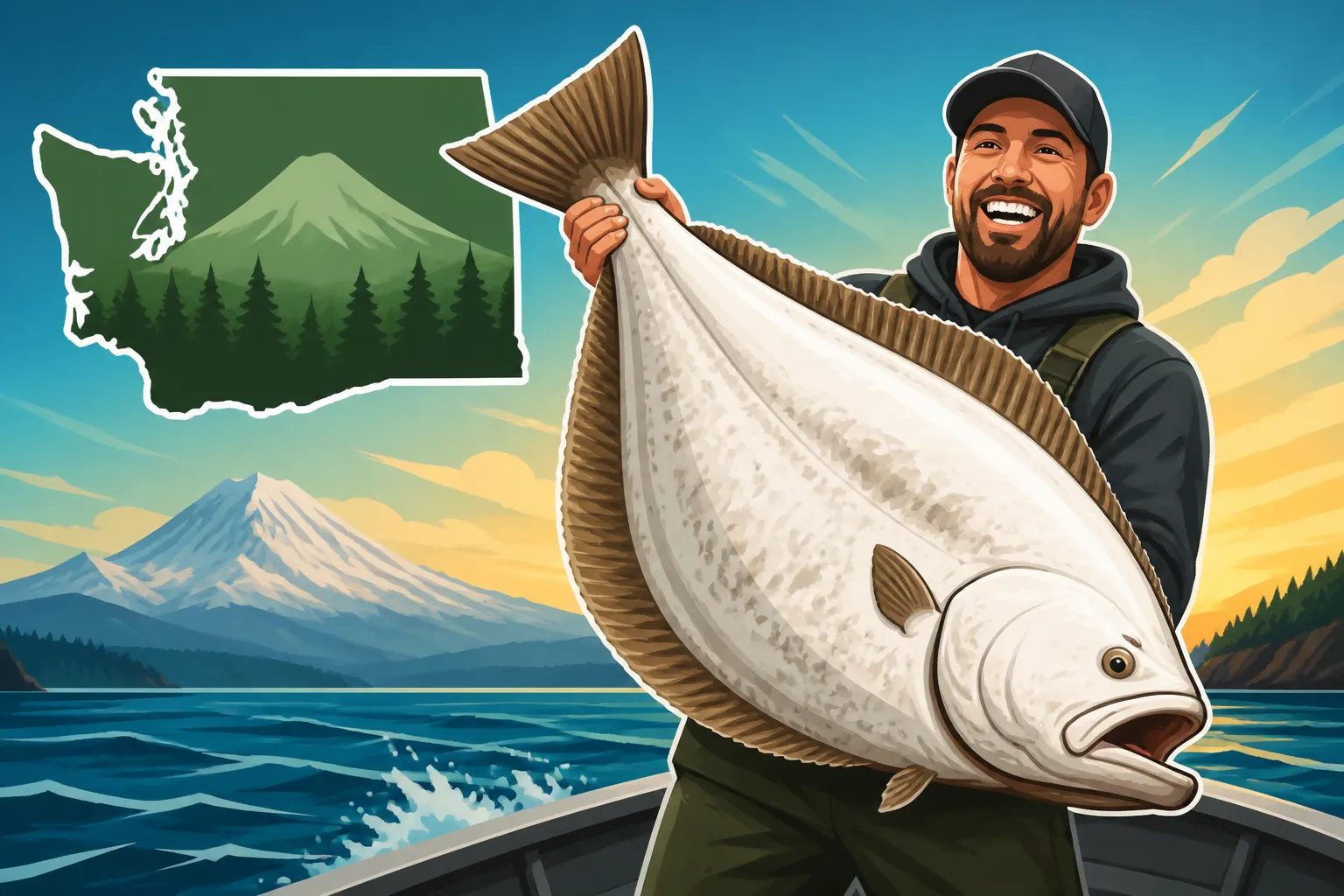
The dream of landing a true trophy fish keeps many anglers coming back to Washington's rich waters, and for some, that ultimate prize is a record-breaking halibut. It's a quest filled with long days, challenging conditions, and the ever-present hope of hooking into a creature that tests the limits of both angler and gear. This comprehensive guide will delve into the legendary pursuit of Washington's state record halibut, exploring what makes these magnificent flatfish so captivating, where they might be found, and what it takes to even dream of joining the record books.
The Allure of Trophy Halibut in Washington Waters
There’s something truly special about chasing halibut in Washington, especially when you’re thinking about the kind of fish that could break records. It's not just about catching dinner; it's about connecting with a powerful, ancient creature that lives in the deep, cold waters of the Pacific. The sheer size and strength of these fish make them a formidable opponent, and the possibility of landing a state record adds an almost mythical quality to every trip.
Why the State Record is Such a Big Deal
For many anglers, the state record isn't just a number; it's a testament to skill, perseverance, and a little bit of luck. Imagine the story you'd have, the photos that would live on forever, the pure adrenaline of battling a fish that outweighs most people. It's the ultimate bragging right, a place in the local angling history books that few ever achieve. The thrill isn't just in the catch itself, but in the months, years, or even decades of dedication that lead up to that single, unforgettable moment. It speaks to the angler's passion for the sport and their deep understanding of the marine environment.
This pursuit isn't for the faint of heart. It requires heavy-duty tackle, a boat capable of reaching offshore grounds, and a profound understanding of halibut behavior. Every time you drop a line, there's that quiet hope that this might be the one – the behemoth that pushes your gear to its absolute limit and etches your name into the Washington fishing lore.
The Elusive Nature of Pacific Halibut
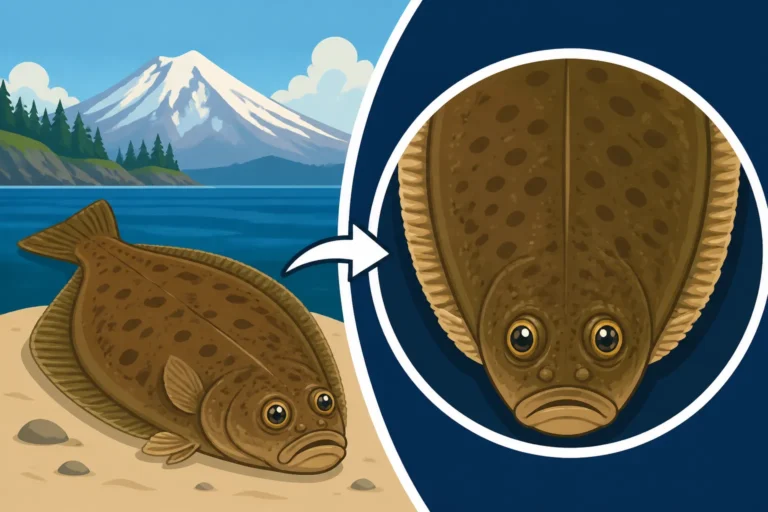
Pacific halibut are incredible fish. They can live for many decades, growing to truly astounding sizes in the cold, nutrient-rich waters of the North Pacific. While your average halibut catch might be in the 20 to 50-pound range, these fish have the potential to grow well over 100 or even 200 pounds. These giants are masters of camouflage, spending much of their lives on the ocean floor, blending in perfectly with the sandy or muddy bottom. They're opportunistic predators, ambushing everything from crab and shrimp to smaller fish and squid.
Their elusive nature is part of what makes the state record pursuit so challenging. These massive fish don't just hang out everywhere; they prefer specific structures, deep ledges, and channels where food is abundant and they can hide effectively. Finding them requires specialized knowledge, good electronics, and often a willingness to venture far offshore. The older, larger halibut are also incredibly wise, having survived countless close calls. They're not easily fooled, making every bite from a monster a hard-earned victory. You can learn more about how they differ from other fish in Pacific Halibut Identification and Size in Washington.
Unveiling Washington's State Record Halibut
While official records are often protected or become historical facts, the sheer magnitude of Washington's state record halibut is something to marvel at. This isn't just a big fish; it's a colossal marine specimen that represents the absolute pinnacle of what these waters can produce. Every angler who targets halibut secretly dreams of catching one of this caliber, a true testament to the health and abundance of Washington's deep-sea fisheries.
The Record-Breaking Catch and Its Details
Imagine the scene: a long day battling the swells off the Washington coast, the current pulling hard, and then, a bite that feels different. Not just a strong pull, but a dead weight, a stubborn refusal to move. That's likely how the angler who caught Washington's state record halibut felt. These record fish are rarely caught easily; they are epic battles of strength and endurance, often lasting for an hour or more, testing every knot, every reel drag, and every muscle in the angler's body. The fish itself would have been a magnificent beast, perhaps as long as a person and so thick it would barely fit through the boat's scuppers.
The exact details of such a catch, including the specific weight and date, become the stuff of legend. What is certain is that it would have been a fish that defied expectations, caught in a moment of perfect timing and skill. It likely came from a remote, deep-water area where these ancient fish are allowed to grow to their full potential, away from heavy fishing pressure. It’s a moment that changes an angler’s life and inspires generations of others to keep chasing that same dream. For those curious about the size, How Big Pacific Halibut Get Off Washington provides some incredible context.
Where Do These Giants Live?
Giant halibut, the kind that challenge state records, typically inhabit the deeper, colder waters of Washington's outer coast. While halibut can be found in Puget Sound, the true monsters are usually found in the open Pacific Ocean, often around specific underwater structures like banks, seamounts, and deep canyons. Areas off the coast of Westport, Ilwaco, and Neah Bay are well-known halibut grounds, with boats often venturing many miles offshore to reach prime habitat. These deep-water environments provide the stable temperatures, abundant food sources, and reduced disturbance that allow halibut to grow to immense sizes over their long lifespans.
Anglers targeting these behemoths will often focus on depths ranging from a few hundred feet down to over a thousand feet, depending on the specific location and time of year. Using advanced sonar and GPS to pinpoint these underwater features is absolutely critical. The combination of deep structure, strong currents that bring nutrients, and relative remoteness are key ingredients for finding these truly colossal fish.
Chasing Your Own Washington Halibut Dream
While catching a state record might be a once-in-a-lifetime event, or even a never-in-a-lifetime event for most of us, there’s immense satisfaction in chasing big halibut. Even a 50 or 100-pounder is a monumental catch in Washington, offering an incredible fight and providing a freezer full of delicious fillets. The journey to even target these larger fish requires preparation, the right gear, and a solid understanding of the regulations.
Essential Gear for Targeting Trophy Halibut
You wouldn't bring a butter knife to a sword fight, and you certainly shouldn't bring light tackle when you're dreaming of a trophy halibut. These fish are immensely powerful, and when you hook into a true barn door, every piece of your setup will be tested.
You'll need a heavy-duty boat rod, often rated for 80-130 pound line, paired with a stout conventional reel capable of holding hundreds of yards of braided line. Many anglers prefer braided line in the 80 to 100-pound test range for its sensitivity and incredible strength. A strong leader, typically 100-200 pound monofilament or fluorocarbon, is essential to absorb the shock of a big halibut's head shakes and protect against abrasion from their rough mouths. Heavy sinkers, often 1-3 pounds or more, are needed to get your bait down to the depths where halibut lurk, especially in strong currents. You can find a wide array of specialized halibut gear, from heavy sinkers to industrial-strength circle hooks, on platforms like Amazon, making it easier to acquire everything you need for the big hunt. Always opt for strong, large circle hooks (16/0 to 20/0) to ensure a solid hookset and make releasing smaller fish easier.
Effective Techniques for Big Halibut
When it comes to big halibut, patience and precision are your best friends. The most common and effective techniques involve getting bait or jigs right on the bottom.
- Bait Fishing: Large, oily baits are king. Whole or cut herring, salmon heads, octopus, or even large chunks of cod or mackerel are excellent choices. Rigging them on a sturdy spreader bar or a sliding sinker setup allows the bait to lie naturally on the bottom. The key is to let the bait sit, moving it only occasionally to attract attention. Halibut are not usually aggressive chasers; they prefer to ambush.
- Jigging: Heavy metal jigs, often weighing a pound or more, can also be very effective, especially when tipped with a scent strip or a piece of bait. The technique involves dropping the jig to the bottom, then lifting and dropping it repeatedly, mimicking a wounded fish. Sometimes a more aggressive retrieve can trigger a strike, other times a subtle bounce is all it takes.
- Drifting vs. Anchoring: Many anglers prefer to drift, allowing their bait to cover more ground and present it to more fish. However, if you find a concentration of halibut on your sonar, anchoring directly over the spot can be incredibly productive. Be prepared to anchor securely, especially in deep water with strong currents.
Regardless of the technique, monitoring your sonar for signs of structure or baitfish is crucial. These are often indicators that halibut are nearby. And remember, the bite from a big halibut can be subtle at first – a gentle tap or just added weight – so pay close attention.
Understanding Halibut Regulations and Seasons
Before you even think about chasing a record, it is absolutely paramount to understand and adhere to Washington's fishing regulations. Halibut are a highly managed species, and seasons are often very short and specific, sometimes only a few days or weeks out of the year, and can vary by marine area. Bag limits and size restrictions are strictly enforced to ensure the sustainability of the fishery. These rules can change annually, and sometimes even in-season due to quotas being met, so checking the latest rules from the Washington Department of Fish and Wildlife (WDFW) is non-negotiable before every trip.
You'll need the appropriate fishing license, which you can typically purchase online or at a local tackle shop. Knowing When Washington's Halibut Season Opens and understanding the specific Halibut Possession Limit in Washington are critical for a legal and successful outing. Respecting these regulations is not just about avoiding fines; it's about protecting the very resource that allows us to pursue these magnificent fish. Always be prepared to release fish that are not within the legal slot limit or if you've already met your daily or seasonal bag limit.
Beyond the Catch: Processing and Preserving Your Halibut
So, you've done it. You've battled a colossal halibut, brought it to the boat, and somehow managed to get it onboard. The work isn't over yet! Properly handling such a large fish is crucial for preserving the quality of its meat and ensuring it makes it home safely. This is where the real logistical challenge of a record-class fish often begins.
Handling and Care of a Large Halibut
When you're dealing with a fish that might weigh well over a hundred pounds, proper handling begins immediately upon landing. The first and most critical step is often bleeding the fish. This involves cutting the gills to allow the blood to drain out. This significantly improves the taste and texture of the meat. For a truly massive halibut, this can be a messy but necessary process. After bleeding, the fish should be immediately gutted if possible, and then placed on ice. The goal is to cool the meat down as quickly as possible to prevent spoilage.
Bringing a huge halibut aboard a smaller vessel can be quite a challenge. Many boats have specialized methods, like using a block and tackle or a heavy-duty gaff, to hoist these heavy fish over the rail. Once onboard, ensure it's secured to prevent it from sliding around and causing injury or damage. Having a large cooler or fish bag filled with ice is indispensable. For truly record-sized fish, some anglers might even have a dedicated fish hold or rely on a local processor at the dock to help with the initial breakdown.
Filleting and Enjoying Your Trophy
Breaking down a state record-sized halibut is an undertaking in itself! These fish yield an incredible amount of pristine white meat. A fish that large might require multiple people and specialized filleting knives, possibly even a saw, to get through the thick bones and dense flesh. The reward, however, is substantial: thick, flaky, delicious fillets that can feed a large family or a community for months. Many anglers choose to portion out their catch, vacuum-seal it, and freeze it to enjoy throughout the year.
Halibut is widely considered one of the best-eating fish in the ocean, prized for its firm texture and mild, sweet flavor. It's incredibly versatile, delicious baked, grilled, fried, or even as ceviche. Sharing your catch with friends and family is often as rewarding as the catch itself. If you're looking to share or even send some home, consider the process of How to Ship Fish Home From Washington to ensure it arrives in perfect condition. Just remember, a fish of this size is a gift from the ocean, and every piece should be savored and appreciated.
Conclusion
The pursuit of Washington's state record halibut is more than just a fishing trip; it's an epic quest that embodies the spirit of adventure and the deep connection we have to the marine world. While very few will ever achieve such a feat, the dream itself drives us to learn more, fish harder, and appreciate the incredible bounty of Washington's waters. Each time you head out onto the Pacific, whether you're bringing home a dinner-sized flatfish or simply enjoying the ocean air, remember the giants that swim below, and know that with perseverance and a bit of luck, your own halibut dream might just come true.
| Halibut Feature | Average Adult Halibut (Common Catch) | Large Halibut (Trophy Size) | State Record Halibut (Exceptional) |
|---|---|---|---|
| Weight Range | 20-50 lbs | 50-150 lbs | 200+ lbs |
| Length Range | 30-50 inches | 50-70 inches | 70+ inches |
| Estimated Age | 5-15 years | 15-30+ years | 30-50+ years |
| Habitat Depth | 100-600 feet | 300-1000+ feet | 500-1500+ feet |
| Tackle Required | Heavy Freshwater/Light Saltwater | Heavy Saltwater (80-100lb line) | Extreme Heavy Saltwater (100+lb line) |
| Fight Difficulty | Strong, sustained runs | Very strong, long battles | Extremely powerful, epic fight |
| Rarity | Common in season | Occasional | Extremely rare |
Disclaimer
This article is for general informational purposes only and does not constitute professional advice. Laws, prices and regulations vary by location and change over time. Consult a qualified professional for guidance on your specific situation.