How to Ship Fish Home From Washington
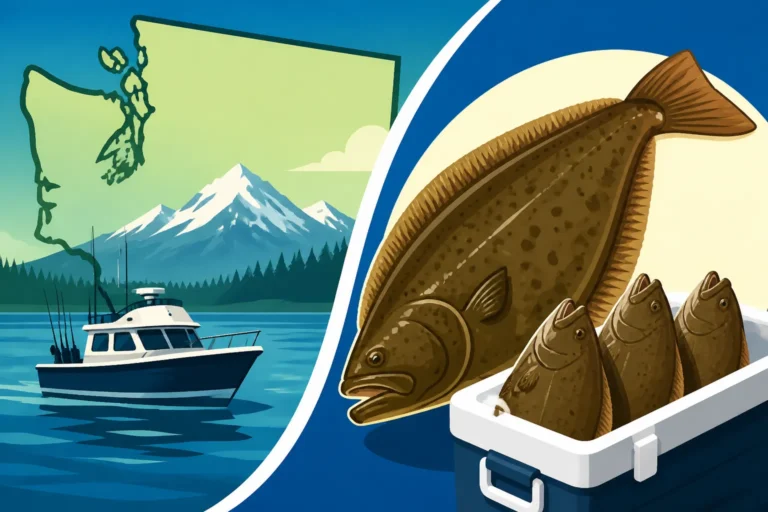
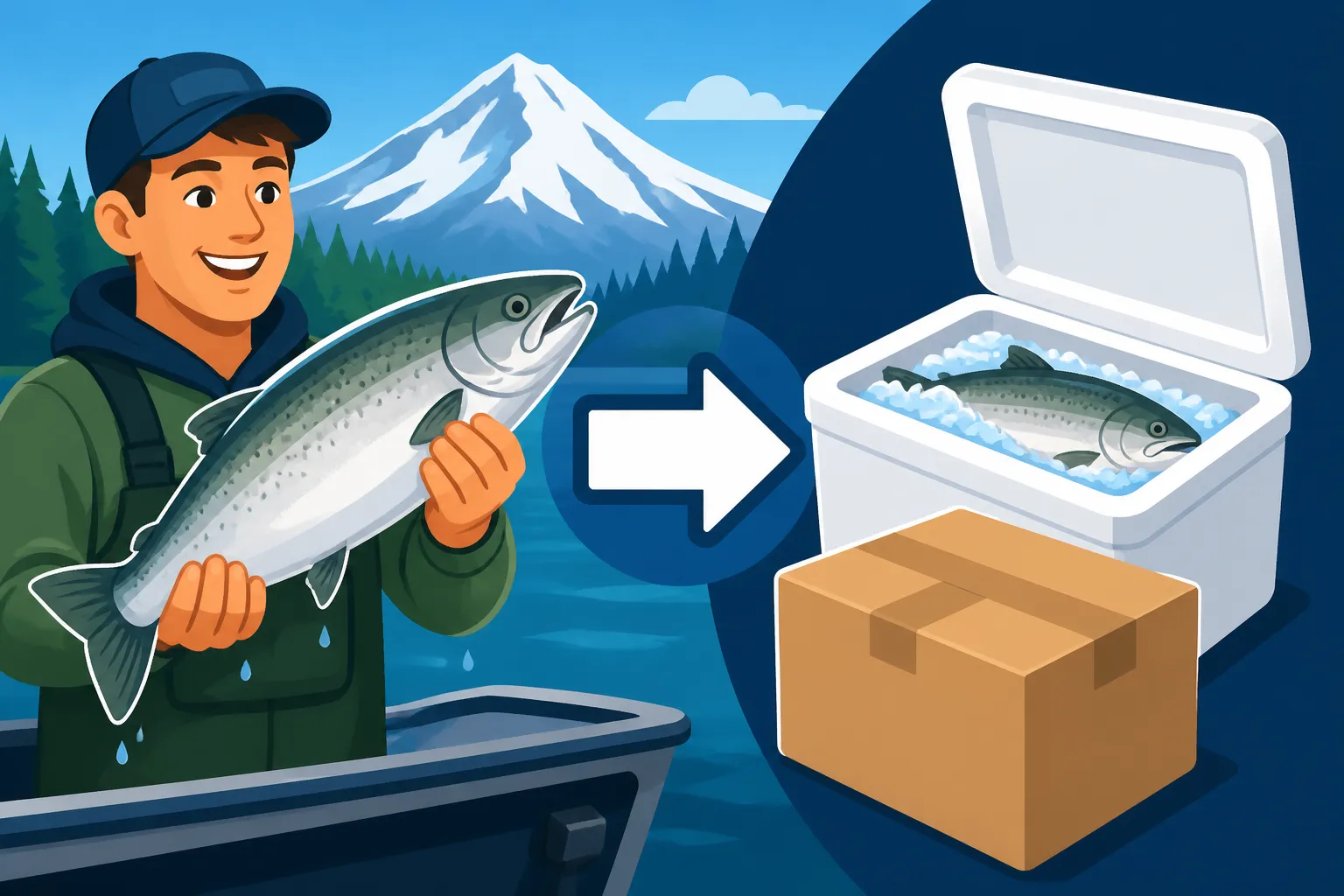
You've just had an epic fishing trip in Washington, maybe pulling in some gorgeous Puget Sound Chinook, a feisty Columbia River steelhead, or even a monster halibut off the coast. The thrill of the catch is still buzzing, but then the inevitable question hits: "How in the world do I get all this beautiful fish home without it spoiling or breaking the bank?" It's a common dilemma, and trust me, you're not alone in feeling overwhelmed by the logistics of preserving your hard-won bounty. This guide is here to walk you through every step of shipping your fish home from Washington, ensuring your fillets arrive fresh, safe, and ready for the dinner plate.
Understanding the Basics of Shipping Your Catch
Bringing your fresh catch from the waters of Washington back to your kitchen, especially if you're traveling a long distance, requires a bit more planning than simply tossing it in a grocery bag. There are some fundamental principles to grasp about preserving and transporting perishable goods, particularly when it comes to highly sought-after fish.
Why Shipping is Often the Best Option
When faced with a cooler full of fresh fillets, many anglers immediately consider checking it as luggage on their flight. While this can work for shorter, direct flights, shipping your fish through a dedicated carrier often proves to be the superior choice, especially for longer journeys or larger quantities. Airlines have strict rules about the type and amount of ice you can use (often no wet ice!), and baggage handling can sometimes be less than gentle, leading to potential damage or delays. Imagine showing up to the baggage carousel only to find your cooler has been mishandled, or worse, arrived open and warm. The last thing you want is for your precious catch to be compromised.
Moreover, the sheer volume of fish you might accumulate over a successful multi-day trip can quickly exceed standard baggage allowances, racking up hefty oversized baggage fees. Shipping, on the other hand, is designed for cargo. Carriers like FedEx and UPS have established systems for handling perishable goods, offering expedited services that ensure your fish spends the absolute minimum time in transit. This focus on speed and proper handling is paramount for maintaining the quality and freshness of your catch. When you've put in all the effort to land these fish, you want to make sure they arrive in pristine condition, tasting just as good as they did fresh off the hook.
Key Considerations Before You Pack
Before you even think about grabbing a cooler, there are a few critical points to consider. These preliminary steps will set you up for a smooth and successful shipping experience. First and foremost, you need to be acutely aware of any legalities surrounding your catch. While you've likely adhered to all local Washington fishing regulations, it's crucial to understand How Bag and Possession Limits Work in Washington and ensure you're not exceeding any limits, especially if you're combining catches with others on your trip. Beyond that, if you’re crossing state lines, there might be specific rules about transporting certain species or quantities, so always make sure you're Transporting Your Catch Across State Lines Legally. No one wants a federal seafood inspection delaying their delivery!
Next, the freshness window is paramount. Fish starts to degrade the moment it leaves the water. Ideally, your fish should be cleaned, filleted, and either thoroughly chilled or frozen solid before shipping. Freezing is generally preferred for any journey longer than overnight, as it provides a much larger buffer against temperature fluctuations. Consider how long your fish will be in transit and plan accordingly. A 24-hour journey requires a different level of preparation than a 48-hour one.
Finally, think about the logistics at the destination. Will someone be home to receive the package immediately? Do they have freezer space available? Unexpected delays can happen, so having a recipient ready to act quickly upon delivery is a huge advantage. There’s nothing worse than your carefully packed fish sitting on a warm porch for hours. Knowing these details upfront will help you choose the best shipping method and timing, reducing stress and increasing the likelihood of your fish arriving in perfect condition.
Essential Packing Supplies for a Safe Journey
Getting your fish home isn't just about speed; it's also about creating a mini-cold storage unit for its journey. The right packing supplies are absolutely non-negotiable for preserving quality and preventing spoilage. Skimping here is a false economy – you've already invested time, effort, and money into catching these fish; now's not the time to cheap out on their safe passage.
The Right Cooler or Insulated Box
This is arguably the most critical component of your shipping strategy. You can't just use any old box; you need serious insulation. For shorter distances, a high-quality, thick-walled foam cooler can suffice, especially if packed exceptionally well. However, for most cross-country shipments or longer transit times, you'll want something more robust.
Specialized shipping coolers are available, often made of expanded polystyrene (EPS) foam, which offers excellent insulation properties for its weight. Many commercial fish processors, especially those in fishing towns like Westport, will have these on hand. Alternatively, a heavy-duty rotomolded cooler, like those from brands such as Yeti or RTIC, provides superior insulation and durability. While these are an investment, they can be reused for countless future trips. If you're looking for shipping-specific insulated boxes, you can often find them on platforms like Amazon, which offer a range of sizes and insulation levels, sometimes even including gel packs. The key is to select a container that is sturdy enough to withstand handling, well-sealed to prevent leaks, and capable of maintaining a consistent internal temperature for the duration of the journey. Remember, a leaky cooler is a shipping company's nightmare, and yours too!
Ice vs. Gel Packs and Dry Ice Considerations
Keeping your fish cold is the core mission, and you have a few options for refrigerants, each with its own pros and cons, and often specific regulations, especially if you plan to fly.
- Wet Ice (frozen water): This is fantastic for cooling but presents a huge problem for shipping: it melts. Melting ice creates liquid water, which can leak, causing damage to other packages and leading to potential fines or refusal by shipping carriers. If you must use wet ice for very short, direct transports where leaks are contained and drainage is possible, always double or triple bag it in heavy-duty freezer bags and ensure your cooler is completely watertight. Even then, most commercial carriers strongly discourage or outright prohibit it.
- Gel Packs: These are a fantastic alternative. They stay frozen longer than wet ice, don't create liquid water when they thaw, and are relatively inexpensive. You can find reusable gel packs on Amazon in various sizes. The trick is to freeze them solid for at least 24-48 hours before packing. They are ideal for maintaining a cold, but not necessarily frozen, temperature for fresh fish.
- Dry Ice: This is the king of freezing for shipping. Dry ice is frozen carbon dioxide, and it sublimates (turns directly from solid to gas) rather than melting into a liquid. This means no leaks, and it maintains a much colder temperature than water ice, keeping your fish solidly frozen. However, dry ice requires specific handling and has regulations. It needs to be handled with gloves as it can cause frostbite. Crucially, it releases carbon dioxide gas, so packages must be vented to prevent pressure buildup. Most airlines and shipping carriers have limits on the amount of dry ice allowed and require specific labeling (UN 1845). Always check with your chosen carrier (e.g., FedEx, UPS) or airline cargo service about their specific dry ice policies before using it. For example, some airlines might limit you to 5-6 lbs of dry ice per package. Used correctly, however, dry ice is your best bet for ensuring rock-solid frozen fish arrives at its destination.
Inner Packaging for Fillets
Once your fish is cleaned and processed, how you wrap and protect individual portions inside the cooler is vital. You don't want fish odors escaping, or moisture seeping into the insulation.
- Vacuum Sealing: This is the gold standard for preserving freshness and preventing freezer burn. A good vacuum sealer removes all air from around the fish, creating an airtight barrier. This not only keeps the fish fresh but also prevents any fishy smells from permeating your cooler or other items. If you're serious about preserving your catch, a vacuum sealer is a worthy investment. You can buy vacuum seal bags in bulk, often on Amazon, ensuring you have plenty for all your fillets.
- Heavy-Duty Freezer Bags: If you don't have a vacuum sealer, heavy-duty, zip-top freezer bags are your next best option. Double-bagging is highly recommended. Press out as much air as possible before sealing. While not as effective as vacuum sealing, they offer good protection against moisture and odors if done correctly.
- Plastic Wrap and Foil: For an extra layer of protection, you can wrap individual fillets in plastic wrap before placing them in freezer bags. This adds a barrier against moisture loss and helps prevent freezer burn.
The goal with inner packaging is to minimize air exposure, prevent moisture loss, and contain any potential odors, ensuring the fish remains in prime condition until it reaches its final destination.
Step-by-Step Guide to Packing Your Fish
Now that you have all your supplies, let's get down to the nitty-gritty of packing your fish for its grand journey home. This isn't a task to rush; careful preparation here is the difference between a delicious meal and a disappointing mess.
Preparing Your Fish for Travel
Before any fish goes into a shipping container, it needs proper preparation. This usually begins right after the catch on the boat or riverbank.
- Bleed and Chill Immediately: The moment you catch a fish you intend to keep, bleed it immediately and get it on ice. This drastically improves the meat quality and shelf life.
- Clean and Fillet: Once ashore, clean your fish thoroughly. Many anglers choose to fillet their catch right away. For salmon and steelhead, skinning the fillets is often preferred for shipping, as the skin can sometimes accelerate spoilage, though leaving it on can protect the meat slightly. If you’re keeping the skin on, make sure it's meticulously cleaned.
- Portion and Package: Cut your fillets into meal-sized portions. This makes them easier to store and use later. As discussed earlier, vacuum seal each portion if possible, or use heavy-duty freezer bags, squeezing out all the air.
- Freeze Solid (Crucial for Long Journeys): For any shipping that will take more than 24 hours, your fish absolutely must be frozen solid. Place your vacuum-sealed or double-bagged fish in a freezer for at least 24-48 hours until it's a solid block of ice. Frozen fish provides its own thermal mass, helping to keep the entire package colder for longer. Trying to ship merely refrigerated fish across the country is a recipe for disaster. This also helps you keep track of your catch. Remember, it's wise to keep detailed notes or Records You Should Keep With Your Fish Fillets, especially if you're close to possession limits or have multiple species.
Layering and Insulating Your Cooler
Once your fish is prepped and frozen, it's time to meticulously pack the cooler. Think of it like building a fortress of cold.
- Line the Bottom: Start with a layer of insulating material at the bottom of your shipping container. This could be extra cardboard, crumpled newspaper, or even a few layers of bubble wrap. This adds an initial thermal barrier from the ground or surfaces it might rest on.
- First Layer of Refrigerant: Place a layer of your chosen refrigerant (dry ice or frozen gel packs) at the bottom. If using dry ice, ensure it's wrapped in newspaper or a light towel to prevent direct contact with the fish, which can cause freezer burn.
- Layer the Fish: Arrange your frozen, individually packaged fish portions tightly on top of the first refrigerant layer. Pack them as close together as possible, leaving no large air pockets. The more tightly packed the fish, the less air can circulate, helping to maintain a consistent cold temperature.
- Add More Refrigerant: Place additional layers of dry ice or gel packs between layers of fish and on top. The goal is to surround the fish with cold sources. For dry ice, typically placing it on top is most effective as cold air sinks.
- Fill Gaps with Insulation: Any remaining air space in the cooler should be filled with additional insulating material. Crumpled newspaper, packing peanuts, or even bubble wrap can work wonders. This reduces air circulation and minimizes temperature fluctuations. The less empty space, the better the insulation performs.
- Add Absorbent Material: As a final precaution, especially if using gel packs that might potentially leak if damaged, place a layer of absorbent material (like paper towels or a puppy pad) on top of the inner packaging before sealing the cooler.
Sealing and Labeling for Shipment
This final step in packing is crucial for preventing loss, ensuring proper handling, and complying with carrier regulations.
- Secure the Lid: Close your cooler lid tightly. For foam coolers, use heavy-duty packing tape (duct tape or clear packing tape) to securely seal all seams around the lid. Wrap the tape several times around the cooler in both directions to ensure it's completely sealed and won't pop open during transit. If using dry ice, remember to leave a small, untaped section (about 1 inch) or punch a few small holes in the lid to allow for gas venting, as pressure buildup can cause the cooler to burst.
- Outer Box (Optional but Recommended): For added protection and discretion, especially for foam coolers, consider placing your sealed cooler inside a sturdy cardboard box. This provides an extra layer of insulation and protects the cooler itself from damage during handling. Many shipping companies also require an outer box for foam containers.
- Label Clearly and Completely: Attach your shipping label securely to the outside of the package. Make sure it includes the full recipient address, your return address, and any tracking numbers. Clearly mark the package as "PERISHABLE" on multiple sides. If using dry ice, you must include the proper UN 1845 dry ice label, indicating the net weight of dry ice inside. Carriers often refuse packages not labeled correctly.
By following these detailed packing steps, you're doing everything in your power to ensure your delicious Washington catch makes it home in perfect, frozen condition.
Choosing Your Shipping Method
Once your prize catch is perfectly packed, the next hurdle is deciding how it will travel. You have a few main avenues for shipping, each with its own benefits, costs, and considerations. The best choice often depends on your budget, how quickly you need the fish to arrive, and your comfort level with handling the logistics yourself.
Commercial Shipping Carriers (UPS, FedEx)
For most individual anglers, commercial carriers like UPS and FedEx are the go-to choice for shipping frozen fish across state lines. These companies have extensive networks and offer services specifically designed for perishable goods.
- Expedited Services are Key: You absolutely must use expedited services. We're talking overnight or, at most, two-day shipping. Anything slower, and you're gambling with the freshness of your fish. Both UPS and FedEx offer options like "Next Day Air" or "Priority Overnight" which are essential. The faster the transit time, the less chance there is for your fish to thaw.
- Cost: Be prepared for the cost. Expedited shipping for heavy, insulated packages isn't cheap. The price will vary significantly based on the weight of your package, its dimensions, and the distance it needs to travel. It's not uncommon for shipping a 20-pound box of fish from Washington to the East Coast to cost upwards of $100-$200 or more. You can often get an estimate online by entering your package details. Look up Cost to Ship Fish Home From Washington for more specific pricing insights.
- Drop-off and Pickup: You can typically drop off your pre-packed and labeled cooler at any UPS Store or FedEx Office location. Some services also offer scheduled pickups, which can be convenient but might add to the cost. Ensure you drop off early in the day to give the package the best chance of making the cutoff for overnight service.
- Temperature Control: While these carriers offer expedited services, they don't typically have refrigerated compartments for individual packages (unless you're using specialized freight services, which are usually too expensive for personal use). This is why your meticulous packing with dry ice or gel packs is so crucial – the container itself must act as a portable freezer.
- Online Tracking: Both carriers provide robust online tracking systems, allowing you to monitor your package's journey every step of the way. This is invaluable for ensuring your recipient knows exactly when to expect delivery.
Before committing, it’s always a good idea to check their specific guidelines for shipping perishables and dry ice. You might find that some regions or service levels have different requirements.
Airline Cargo Services
While most travelers consider checking their fish as baggage, a lesser-known but sometimes viable option for larger quantities or specific routes is to use an airline's dedicated cargo service. This is different from checking baggage and involves shipping your package through the airline's freight division.
- How it Works: You drop your properly packed fish at the airline's cargo facility, and it travels on a passenger or cargo flight. The recipient then picks it up at the cargo terminal at the destination airport. This often requires more coordination and paperwork than traditional package shipping.
- Pros: Can sometimes be faster for certain routes, especially if you have a direct flight to your destination, and might be more economical for very large quantities than express courier services. For those wondering, Can You Fly Home With Fish From Seattle? directly addresses airline options.
- Cons: Less convenient. Cargo terminals are often separate from passenger terminals and may have limited hours. You'll need to check the airline's specific policies for perishables, cooler types, and dry ice limits, which can be quite strict. For example, understanding Do Airlines Count Fish Boxes as Checked Bags? can help you differentiate between cargo and standard baggage rules, as cargo rules are generally more stringent.
- Best Use Case: Primarily for very large quantities of fish (e.g., if you're splitting a commercial charter haul) or if you have specific reasons to avoid commercial couriers and are comfortable with the added logistics. For most casual anglers, it’s often more hassle than it’s worth.
Professional Fish Processors and Shippers
For the ultimate in convenience and peace of mind, especially if you're fishing out of a major port, consider using a professional fish processor or charter service that also offers shipping. Many charters, especially those targeting halibut or tuna off the Washington coast from places like Westport or Ilwaco, will offer fish processing and shipping as an add-on service.
- All-Inclusive Service: These services handle everything from filleting and vacuum-sealing to freezing, packing in approved shipping containers, and arranging the shipment via commercial carriers. They often have established accounts with FedEx or UPS and can get better rates or more reliable service.
- Expertise: They know exactly how to prepare and pack fish for optimal freshness and compliance with shipping regulations, including proper dry ice usage and labeling. They’ll ensure your fish is properly packaged for the journey, adhering to guidelines for How to Package Fish for the Flight Home or any other shipping method.
- Convenience: This option takes all the logistical burden off your shoulders. After your trip, you simply tell them where to send your fish, and they take care of the rest. Some even offer the option to Can a Charter Vacuum-Pack and Ship Your Fish? directly after your trip.
- Cost: This is usually the most expensive option because you're paying for the full service, not just the shipping. However, the added cost can be well worth it for the peace of mind and convenience, especially after a long and tiring fishing trip. Many anglers find the extra cost a small price to pay to ensure their catch arrives home perfectly. Check if your chosen charter or processor offers this service and what the associated fees are. Some even have options like Do Charters Provide Coolers for Your Catch? as part of a package.
| Shipping Method | Cost | Speed | Convenience | Restrictions |
|---|---|---|---|---|
| Commercial Expedited (UPS/FedEx) | High | 1-2 Days | Moderate | Dry ice limits, proper labeling, no wet ice. |
| Airline Cargo | Variable (can be lower for bulk) | Varies by flight; direct can be fast | Low | Strict dry ice/cooler rules, airport pickup/drop-off. |
| Professional Processor/Shipper | Very High | 1-2 Days | Very High | Dependent on processor's chosen carrier and services. |
Remember to cross-reference your chosen method with the specific rules for your type of fish and destination. A bit of research can save you a lot of headache and ensure your fish arrives in delicious condition. If you're pondering the overall best approach, there's always a discussion about the Best Way to Fly Home With Fish which can offer additional perspectives.
Tips for a Smooth Shipping Experience
Even with the best packing and carrier chosen, a few proactive steps can make your fish shipping experience significantly smoother, reducing the chances of hiccups and ensuring your precious cargo arrives as intended.
Timing is Everything
When it comes to shipping perishables, timing is absolutely crucial. You want your fish to spend the least amount of time in transit and avoid sitting in warehouses or on trucks over weekends or holidays.
- Ship Early in the Week: Aim to ship your package on a Monday, Tuesday, or Wednesday. This ensures your fish has ample time to reach its destination before the weekend. Shipping on a Thursday or Friday for an overnight service runs the risk of delays that could cause your package to sit in a warehouse over Saturday and Sunday, potentially compromising the cold chain. This is a common pitfall that anglers, eager to get home after a trip, often overlook.
- Avoid Holidays: Shipping around major holidays (like Thanksgiving, Christmas, or even long weekends like Memorial Day) is a recipe for delays. Carrier networks become overloaded, and transit times can extend unexpectedly. If your fishing trip coincides with a holiday, plan to ship well in advance or after the holiday rush has subsided.
- Check Carrier Cut-off Times: Each shipping location (whether it's a FedEx office or a UPS store) will have specific daily cut-off times for expedited services. Missing this window by even a few minutes means your package won't go out until the next business day, effectively adding a full day to its transit time. Always confirm these times and aim to drop off your package well before the deadline.
Communicate with Your Recipient
A successful shipment relies not just on getting the package from point A to point B, but also on ensuring it's received promptly at point B. Open communication with the person at the receiving end is vital.
- Provide Tracking Numbers: As soon as you ship your package, share the tracking number with your recipient. This allows them to monitor its progress and anticipate the exact delivery day and time. Both UPS and FedEx have excellent online tracking systems that provide real-time updates.
- Set Delivery Expectations: Inform your recipient about the anticipated delivery window. Remind them that it's a perishable item and needs to be brought inside and placed in a freezer or refrigerator immediately upon arrival. If they won't be home, discuss options like having a neighbor collect it or leaving specific instructions with the carrier (though this can sometimes void guarantees on perishables, so check first).
- Confirm Receipt: Once the tracking shows "delivered," follow up with your recipient to confirm they received the package and that the contents are still frozen. This gives you peace of mind and allows you to address any issues immediately.
Dealing with Unexpected Delays
Despite all your best efforts, sometimes things go awry. Weather delays, logistical errors, or unforeseen circumstances can impact your shipment. Being prepared for these possibilities can mitigate the damage.
- Monitor Tracking Diligently: Keep a close eye on your package's tracking information. If you notice it's stalled or rerouted, contact the carrier's customer service immediately. The sooner you flag an issue, the better chance they have of resolving it.
- Have a Backup Plan (if possible): For extremely valuable or irreplaceable catches, consider if there's a local friend or family member at the destination who could pick up the package from a carrier facility if a home delivery fails. This might not always be feasible, but it's worth considering.
- Understand Carrier Guarantees: Most expedited services come with a time-in-transit guarantee. If your package is significantly delayed beyond this guarantee, you may be eligible for a refund on your shipping costs. Review the carrier's terms and conditions, especially regarding perishables, as their liability might be limited for spoilage. While a refund on shipping doesn't bring back spoiled fish, it's better than nothing.
By being proactive with timing, communication, and contingency planning, you significantly increase the chances of your Washington catch arriving safely and deliciously at its final destination.
Common Mistakes to Avoid
Even seasoned anglers can sometimes make costly errors when shipping their fish home. Knowing these common pitfalls can help you steer clear of disappointment and wasted effort.
Under-packing Insulation or Ice
This is, by far, the most frequent and most devastating mistake. You've just spent a day or more on the water, battling the elements and the fish, only to have your prized catch spoil because you tried to save a few bucks on insulation or ice. It's a heartbreaking scenario that many have faced.
- The "Just Enough" Trap: Anglers often underestimate how quickly temperatures can fluctuate during transit, especially in cargo holds or delivery trucks that aren't climate-controlled. Thinking "just enough" ice or "a thin cooler will do" is a recipe for thawed fish.
- Warm Spots and Air Pockets: If your cooler isn't completely filled with fish and refrigerants, or if you leave significant air pockets, those empty spaces can become warm zones, accelerating thawing. Cold sinks, so having a good layer of dry ice or gel packs on top, as well as on the bottom and sides, is vital.
- Consequences: Thawed fish, especially if it sits above 40°F for too long, can quickly become unsafe to eat. The bacteria that cause spoilage thrive in warmer temperatures, leading to a foul smell, mushy texture, and a high risk of foodborne illness. All that effort, time, and money — gone. Prioritize over-insulation and abundant dry ice or solid gel packs. If in doubt, add more!
Ignoring Airline/Carrier Regulations
Shipping fish, especially with dry ice, isn't like sending a birthday card. There are rules, and carriers enforce them for safety and liability reasons. Ignoring them can lead to your package being delayed, returned, or even confiscated.
- Dry Ice Labeling: The biggest culprit here is often the improper labeling of dry ice. As mentioned, dry ice is a hazardous material (Class 9 Miscellaneous Hazardous Material, UN 1845). You must declare it, indicate the net weight in kilograms, and affix the correct diamond-shaped label to the outside of your package. Failure to do so is a serious violation.
- Ventilation for Dry Ice: Packages containing dry ice must be vented. If a container is airtight, the sublimating dry ice will build up pressure, potentially causing the container to burst. Many anglers, especially those using sturdy, rotomolded coolers, forget this crucial step. Even a small hole or a slightly untaped seam is enough.
- Wet Ice Bans: Most commercial carriers, and nearly all airlines (except for very specific and rare exceptions), strictly prohibit shipping with wet ice. The risk of leaks causing damage to other packages or the carrier's equipment is too high. If your package arrives with wet ice, it will likely be refused.
- Size and Weight Limits: Be mindful of the carrier's maximum size and weight limits for packages. Oversized or overweight items incur extra fees and can be subject to delays.
Always, always check the specific shipping guidelines for perishables and dry ice on the carrier's website (UPS, FedEx) or with the airline cargo department before you pack.
Procrastinating on Shipment
The excitement of the catch can sometimes lead to a relaxed attitude about getting the fish into the shipping pipeline. This delay can be detrimental, especially if you’re dealing with fresh (not frozen) fish.
- Degradation Begins Immediately: The quality of fish begins to decline the moment it leaves the water. While proper bleeding and chilling slow this process significantly, it doesn't stop it. Every hour that passes before your fish is solidly frozen and in transit increases the risk of quality degradation.
- Missing Cut-off Times: As discussed earlier, waiting until the last minute can mean missing daily shipping cut-off times, pushing your package's departure back a full day. This effectively adds 24 hours to your fish's journey, which can be critical for maintaining freshness.
- Weekend and Holiday Risks: If you procrastinate and end up shipping on a Thursday or Friday, you're exposing your fish to the increased risk of sitting in a warehouse over the weekend, especially if a delay occurs.
Plan your shipping logistics in advance. If you know you're going to catch a lot of fish, arrange for a freezer at your accommodation, or schedule a processing service ahead of time. Get that fish frozen solid and into the shipping system as quickly as responsibly possible after your trip. Don't let your fantastic Washington fishing adventure end with a spoiled dinner.
Disclaimer
The information provided in this guide is for general informational purposes only and does not constitute professional advice. Shipping regulations, carrier policies, and legal requirements for transporting fish can change frequently. Always consult the official websites and customer service departments of your chosen shipping carrier or airline, as well as relevant state and federal regulations, before packing and shipping any perishable goods. The author and publisher are not responsible for any loss, damage, or legal issues that may arise from the use of this information.